Museum
Smritivan Earthquake Memorial and Museum
Kutch, Gujarat
📍 89 km away from Dholavira
A memorial park and museum on Bhujiyo Hill in Bhuj, remembering the people lost in the 2001 Gujarat earthquake...
Read more →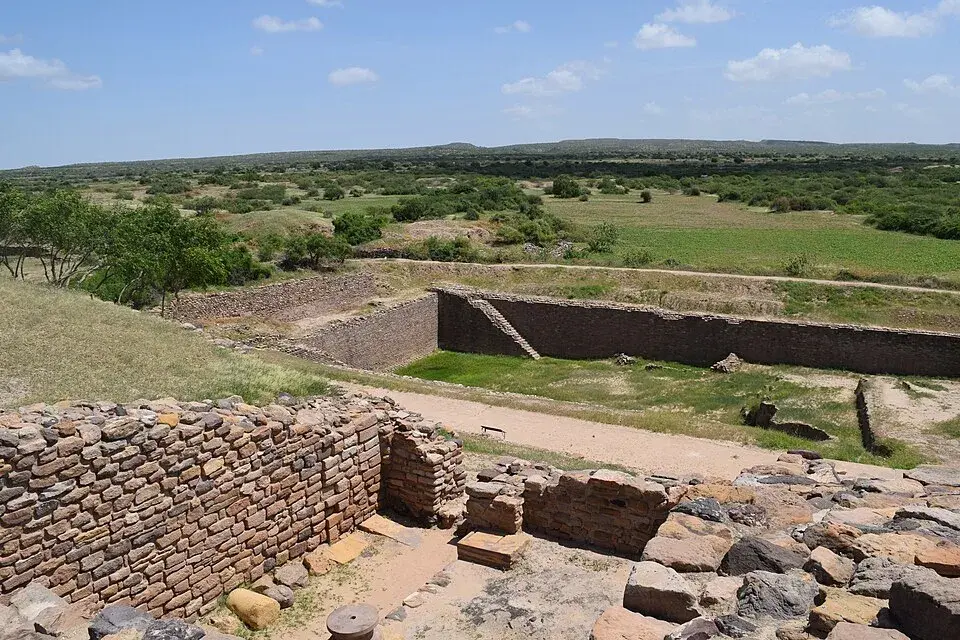 Photo: Lalit Gajjer · CC BY-SA 4.0
Heritage and Monument
Gujarat · KutchAlso known as Kotada Timba, Dholavira Harappan City
A great city of the Indus Valley Civilisation on an island in the Great Rann of Kutch, listed as a World Heritage Site in 2021.
About Dholavira
A great city of the Indus Valley Civilisation on an island in the Great Rann of Kutch, listed as a World Heritage Site in 2021.
Dholavira is one of the most remarkable ancient places in India. On Khadir Bet, a raised tract of land surrounded by the salt flats of the Great Rann of Kutch, lie the remains of a planned city of the Indus Valley, or Harappan, Civilisation. People lived here for well over a thousand years, beginning around five thousand years ago, and the settlement was inscribed on the UNESCO World Heritage List in 2021.
The site takes its name from the modern village just to the south and is also known locally as Kotada Timba. Excavations by the Archaeological Survey of India, particularly the long campaign led by R. S. Bisht from 1989, revealed a city organised into distinct parts: a fortified citadel on higher ground, a walled middle town and a lower town, all set within an outer enclosure. Large open grounds appear to have served for public gatherings. Builders used shaped stone on a scale unusual among Harappan sites, which often relied mainly on brick.
Water is the great theme. This is a dry landscape with seasonal streams, and the inhabitants built dams, channels and a series of reservoirs, some cut into the bedrock, to catch and store every possible flow from the Mansar and Manhar channels on either side of the city. Standing at the edge of the largest tank, with its steps and carefully dressed walls, you gain a vivid idea of the engineering knowledge and organised labour involved. Wells and drains complete the picture.
Among the famous finds is a group of large signs in the Indus script, formed from white inlay and apparently once displayed near a gateway, sometimes described as an ancient signboard. The script remains undeciphered. Excavators also recovered seals, beads, pottery, tools and ornaments, and the evidence of bead making and trade shows that Dholavira was connected with distant regions. A cemetery area with unusual memorial structures raises further questions about belief and custom. The city declined and was eventually abandoned, possibly under the pressure of changing climate and rivers, together with shifts in trade.
Begin at the site museum, which displays objects and explains the layout, then walk through the ruins in a sensible loop: reservoirs, citadel gateways, the public ground, the middle town and the burial area if open. A knowledgeable guide greatly improves the visit, because low walls can look alike without explanation. Allow at least two or three hours on the ground. The museum may close on a particular day of the week, so confirm before travelling.
The journey is part of the experience. A road across the white and watery expanse of the Rann, often called the road to heaven, has shortened the approach from the Bhuj side and become popular for its views. Check that it is open, particularly during and after the monsoon, stop only where it is safe and do not drive vehicles onto the soft salt crust. Close to Dholavira there is also a fossil park with remains of ancient wood.
Facilities are modest. Fill your fuel tank, carry water, snacks, sun protection and cash, and expect weak phone coverage in places. Homestays and small resorts near the village allow an unhurried visit and a sky full of stars. Remain on paths, do not sit on fragile walls and leave every fragment where it lies, as removing antiquities is an offence.
Visit between November and February. Summer temperatures are punishing. In winter the mornings are crisp, the low sun brings out the texture of the stonework and flamingos or other birds may be seen on the wetlands. Combine Dholavira with the craft villages of eastern Kutch or the Rann festival, and leave enough time to sit quietly above the old reservoirs and picture the city at work.
+ Add your photos Been here? Share what you saw.
Instagram Reels and YouTube Shorts by vloggers and visitors.
Space for a Reel or Short
Space for a Reel or Short
Space for a Reel or Short
Space for a Reel or Short
Full videos, guides and walkthroughs.
No reviews yet. Be the first to share your experience. Reviews appear here once a moderator approves them.
None listed yet.
Address: Khadir Bet, Bhachau taluka, Kutch district
Where the details on this page come from. Timings, fees and phone numbers change, so confirm them before you travel.
Distances are in a straight line from Dholavira; travel by road is longer.
Kutch, Gujarat
📍 89 km away from Dholavira
A memorial park and museum on Bhujiyo Hill in Bhuj, remembering the people lost in the 2001 Gujarat earthquake...
Read more →Devbhumi Dwarka, Gujarat
📍 197 km away from Dholavira
A 2.3 kilometre cable-stayed bridge over the sea, opened in 2024, that links Okha on the mainland with the pil...
Read more →Mehsana, Gujarat
📍 248 km away from Dholavira
Opened January 2025: 2,500 years of a continuously inhabited town, with more than 5,000 finds and a live excav...
Read more →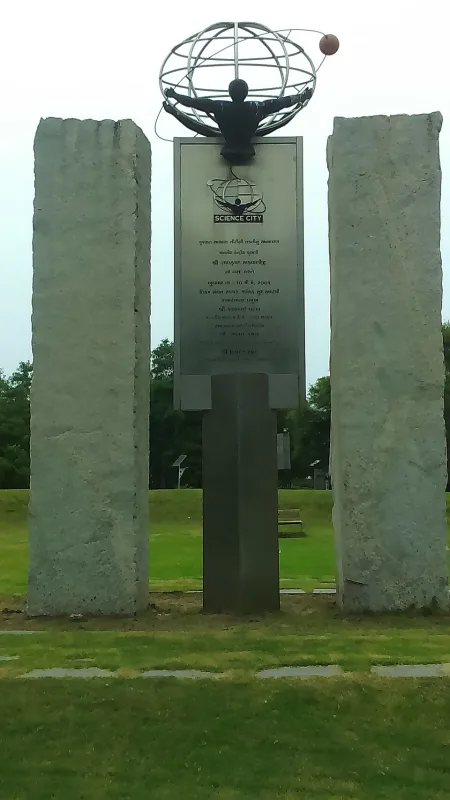
Ahmedabad, Gujarat
📍 250 km away from Dholavira
A large science education and entertainment campus in Ahmedabad with an aquarium, a robotics gallery, a nature...
Read more →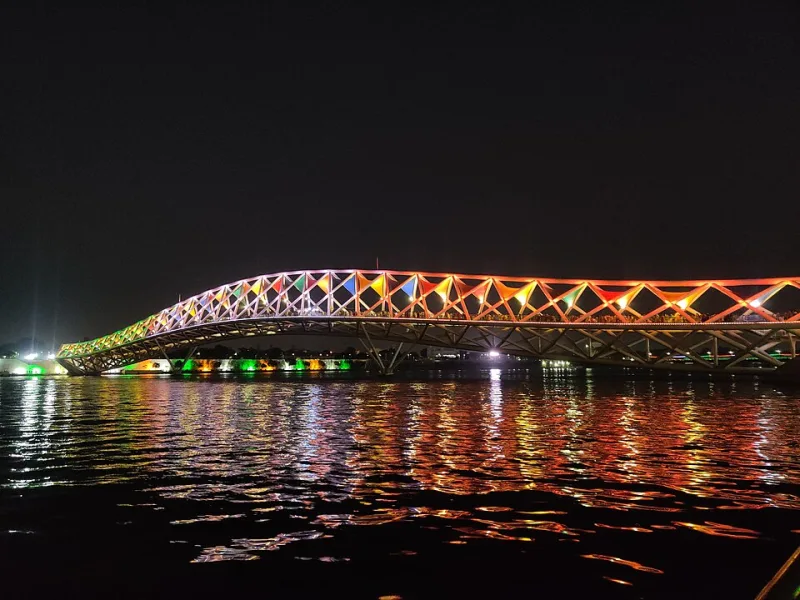
Ahmedabad, Gujarat
📍 260 km away from Dholavira
A colourful 300 metre footbridge over the Sabarmati, opened in 2022, whose canopy and form were inspired by Ah...
Read more →Gandhinagar, Gujarat
📍 About 260 km away from Dholavira
Opened March 2026: a museum of Jain heritage at Koba, named for a ruler remembered as a champion of non-violen...
Read more →Sabarkantha, Gujarat
📍 278 km away from Dholavira
Opened March 2026: a roadside science park where the Tropic of Cancer crosses Gujarat, with a 25-metre tower,...
Read more →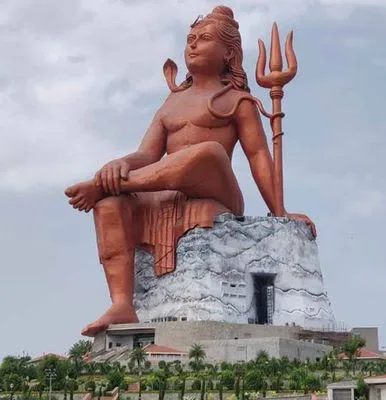
Rajsamand, Rajasthan
📍 383 km away from Dholavira
Vishwas Swaroopam, a giant seated Shiva at Nathdwara opened in 2022 and described as the tallest Shiva statue...
Read more →