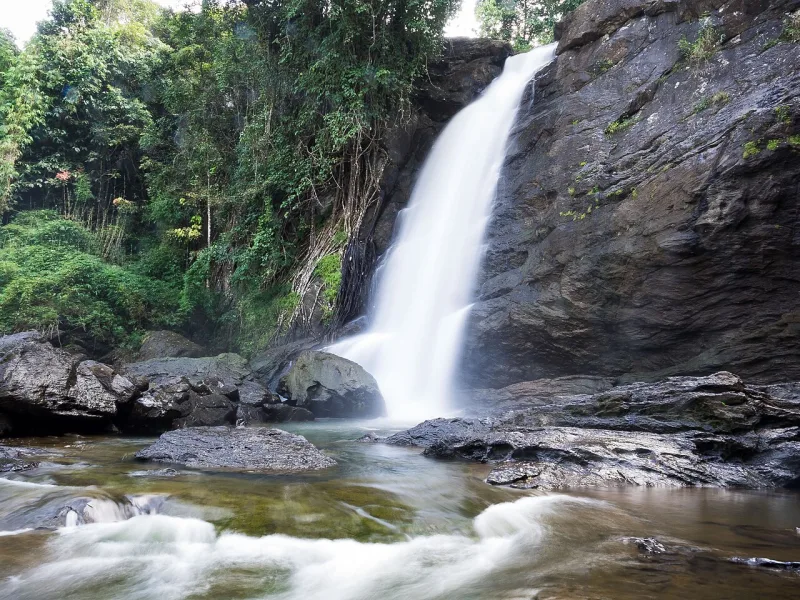
Waterfall
Soochipara Falls
Wayanad, Kerala
📍 15 km away from Edakkal Caves
A three tiered waterfall dropping past a needle like rock among forests and tea estates near Meppadi.
Read more →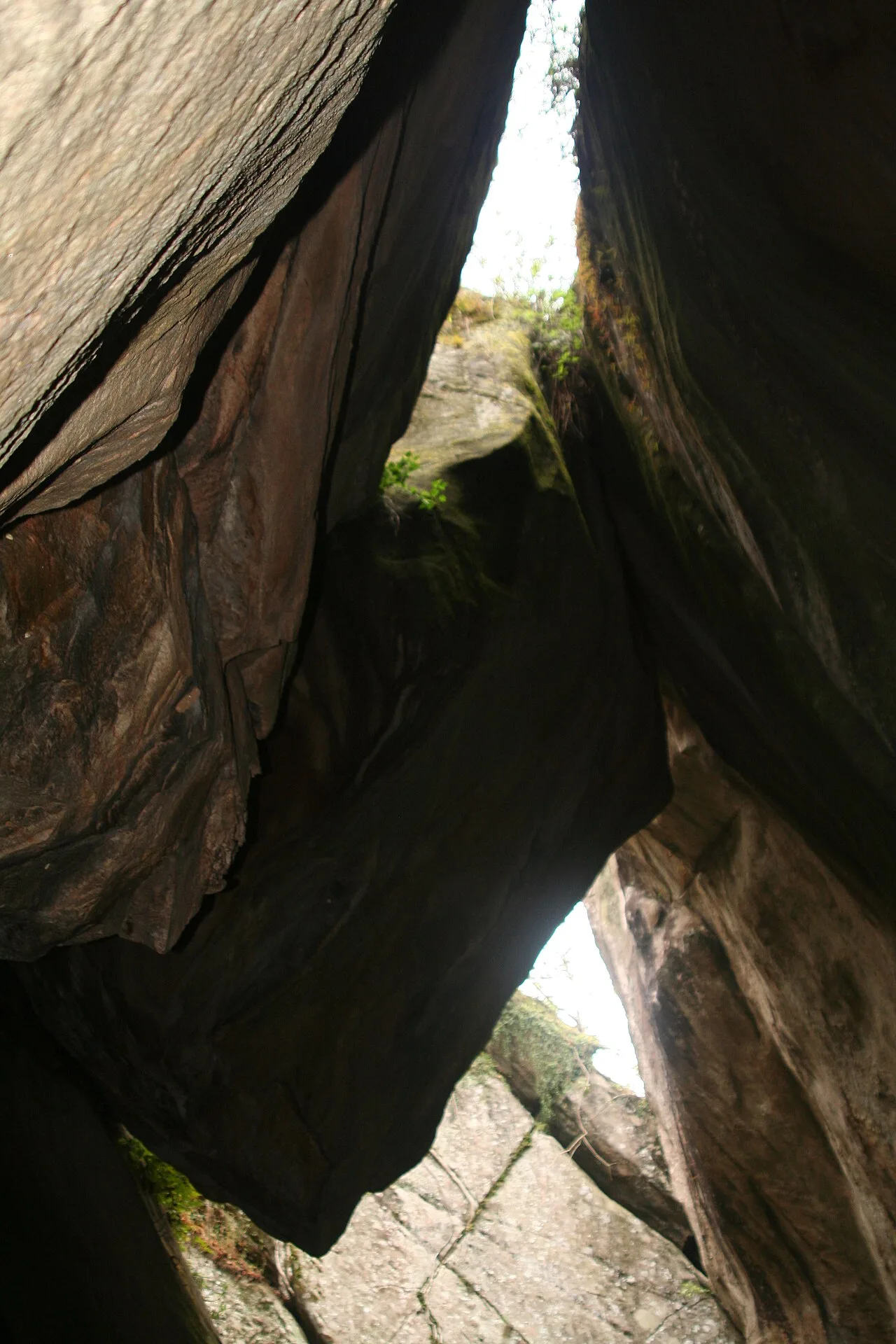 Photo: നിരക്ഷരൻ at Malayalam Wikipedia. · CC BY 3.0
Cave
Kerala · Wayanad
Rock shelters high on Ambukutty hill bearing prehistoric engravings, a rare window into Stone Age life in South India.
About Edakkal Caves
Rock shelters high on Ambukutty hill bearing prehistoric engravings, a rare window into Stone Age life in South India.
Instagram Reels and YouTube Shorts by vloggers and visitors.
Space for a Reel or Short
Space for a Reel or Short
Space for a Reel or Short
Space for a Reel or Short
Full videos, guides and walkthroughs.
No reviews yet. Be the first to share your experience. Reviews appear here once a moderator approves them.
None listed yet.
Address: Ambukutty Mala, near Sultan Bathery, Wayanad
Where the details on this page come from. Timings, fees and phone numbers change, so confirm them before you travel.
Distances are in a straight line from Edakkal Caves; travel by road is longer.
Wayanad, Kerala
📍 15 km away from Edakkal Caves
A three tiered waterfall dropping past a needle like rock among forests and tea estates near Meppadi.
Read more →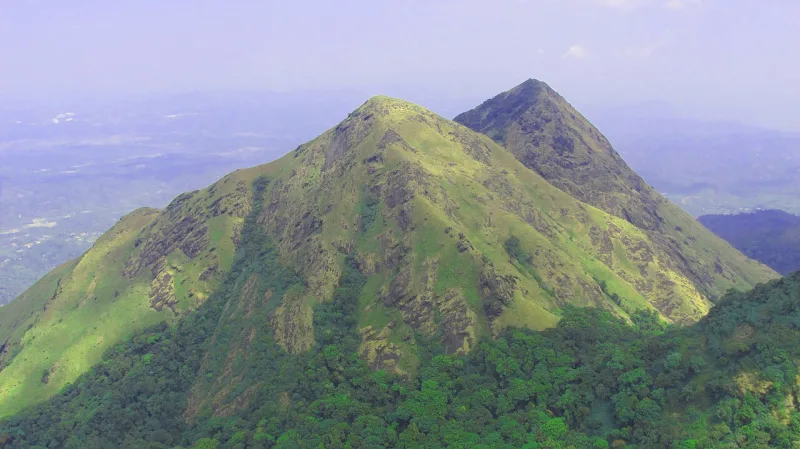
Wayanad, Kerala
📍 20 km away from Edakkal Caves
The highest summit of the Wayanad hills at about 2,100 metres, trekked with forest guides and known for its he...
Read more →Wayanad, Kerala
📍 24 km away from Edakkal Caves
A small natural freshwater lake ringed by evergreen forest and hills, with pedal boats and a shaded walk near...
Read more →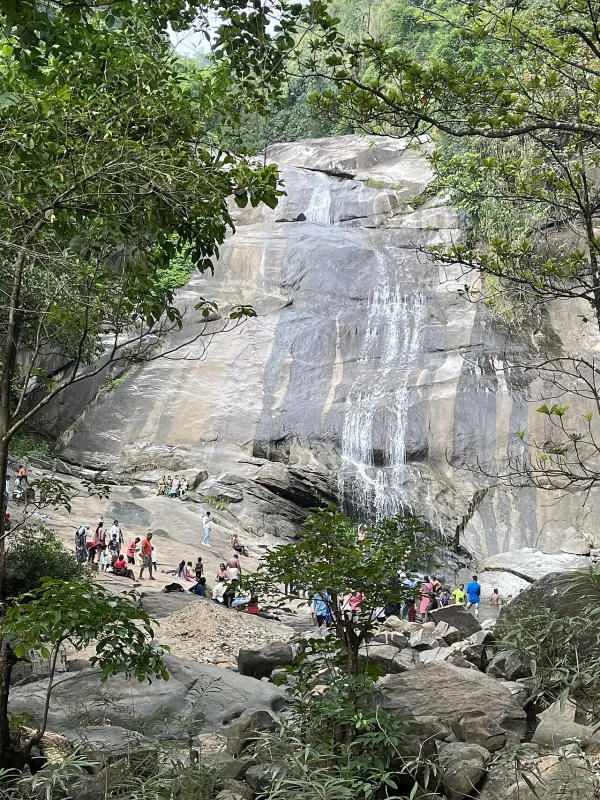
Kozhikode, Kerala
📍 26 km away from Edakkal Caves
Three forest waterfalls on the Chalippuzha in the foothills of the Western Ghats, whose misty spray gave the p...
Read more →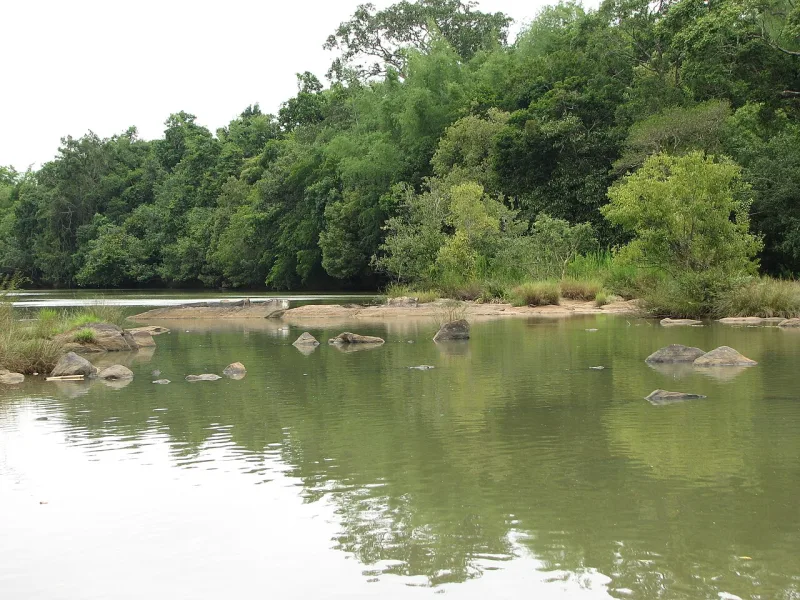
Wayanad, Kerala
📍 27 km away from Edakkal Caves
A cluster of uninhabited forested river islands on the Kabini, explored by raft and on foot along shaded paths...
Read more →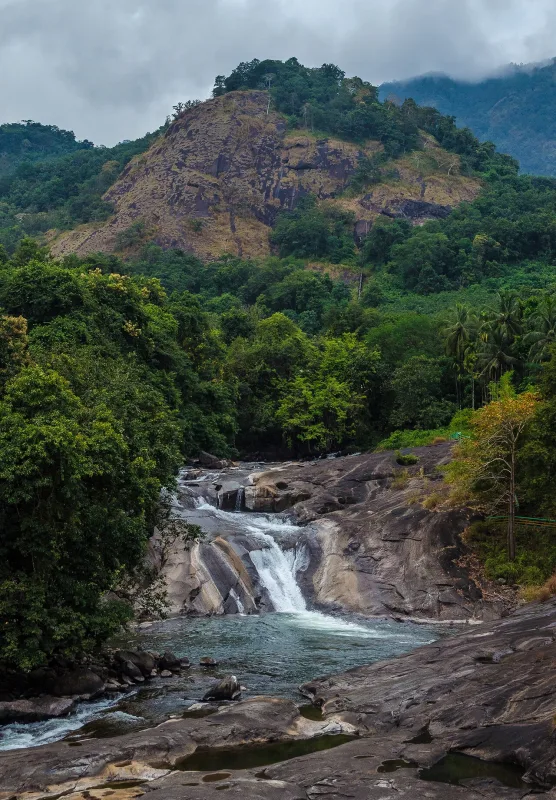
Malappuram, Kerala
📍 30 km away from Edakkal Caves
A seasonal cascade sliding over broad rock near Nilambur, set in green country with a weir close by.
Read more →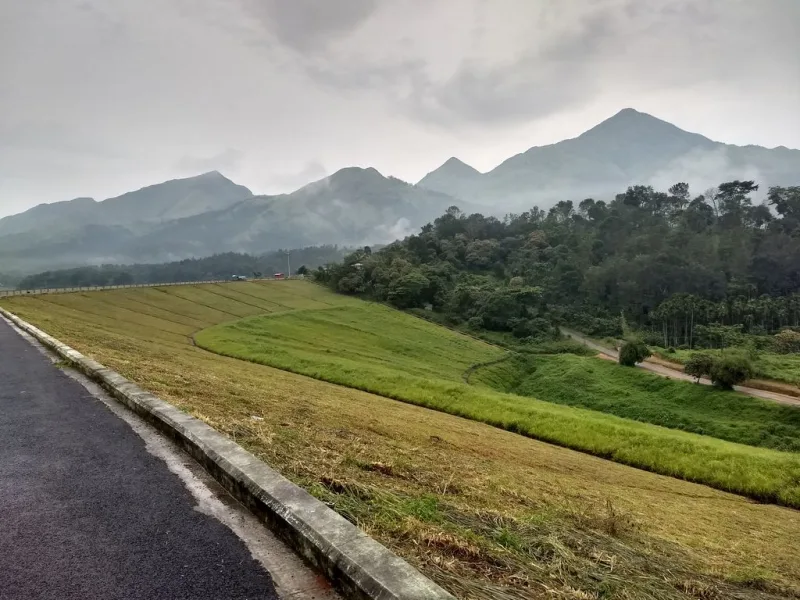
Wayanad, Kerala
📍 31 km away from Edakkal Caves
A vast earth dam beneath the Banasura hills, with island dotted waters, boating, walks and one of India's earl...
Read more →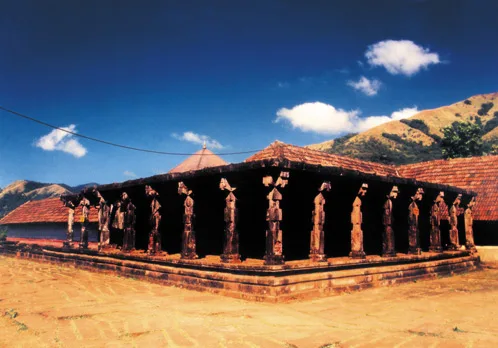
Wayanad, Kerala
📍 41 km away from Edakkal Caves
An ancient Vishnu temple in a forested valley below the Brahmagiri hills, revered for ancestral rites at the P...
Read more →