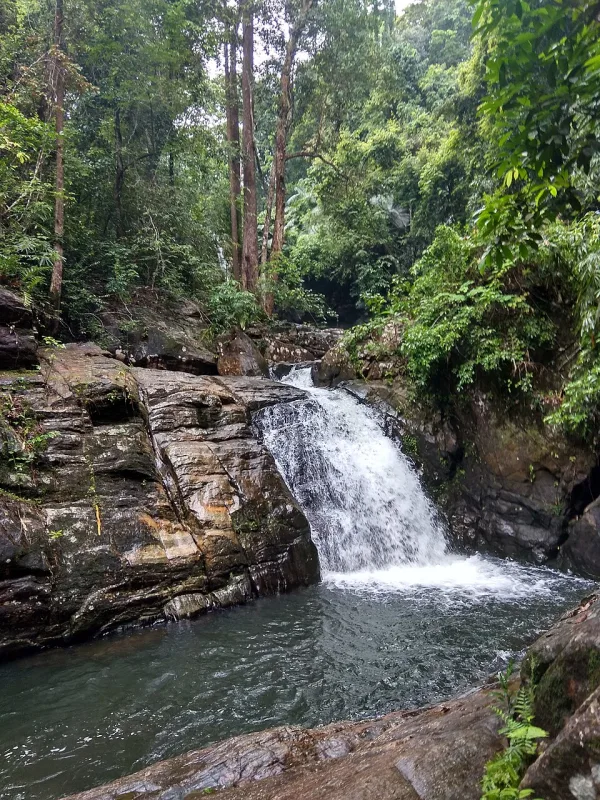
A riverside temple where Sastha is worshipped as a child and where sacred fish in the Kulathupuzha river are fed as an offering.
At a glance
What: A Sastha temple famous for its protected river fish.
Where: Kulathupuzha, on the bank of the river of the same name.
When: Daily worship, with larger gatherings in the pilgrimage season and at the annual festival in spring.
How: By road from Punalur, Anchal, Thiruvananthapuram or Kollam.
By whom: Governed by the Travancore Devaswom Board; tantric rights rest with the Kokkalathu Mutt.
For whom: Pilgrims, families and anyone interested in sacred conservation.
The child god
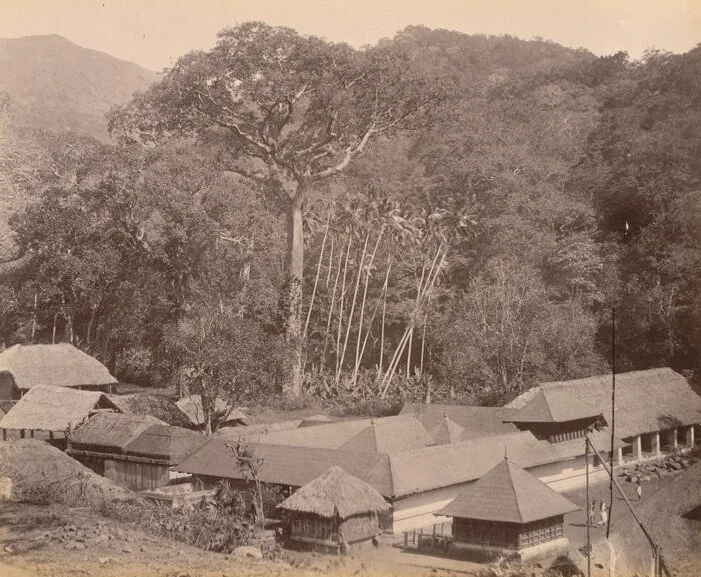
At Kulathupuzha, Sastha is a small boy, called Balasastha and fondly Kulathupuzha Balakan. A popular devotional song addresses the child of Kulathupuzha. The temple's account says the deity is at once fierce and auspicious. The image is described as made of eight pieces of stone, and tradition credits its consecration to Parashurama, who is said to have founded the five great Sastha temples.
Founding stories
A common belief is that the Raja of Pandalam, the royal house closely tied to the Ayyappa story, founded the temple, while the image was installed by a Brahmin from Kottarakkara. The temple was earlier held by the ruler of Kottarakkara and later passed to the Travancore Devaswom Board. These traditions are not fully consistent, as is usual with old shrines, and each preserves a different strand of local memory.
The mermaid in the pond
The best known legend tells of a water maiden who loved Sastha. He allowed her to remain near him in the form of a fish. From this grows the special regard for the fish of the temple waters, called Thirumakkal, the divine children, and treated as dear to the god.
Meenoottu
Feeding the fish, meenoottu, is the temple's signature offering. Devotees believe it helps to cure warts on the skin. Standing on the steps as the water boils with large fish is a memorable sight for children and adults alike. Offer only what the temple sells or approves. Bread, snacks and plastic harm the fish and foul the river. Warts and other skin conditions can be shown to a doctor in any case.
Rare fish, real protection
Most of the fish belong to two species, Tor khudree, a mahseer, and Hypselobarbus thomassi, both at risk of extinction. Fishing here is strictly forbidden. Religious protection has given these animals a safe stretch of water that many conservation programmes would envy. Kerala has several such temple fish sanctuaries, where belief and ecology work together.
The river
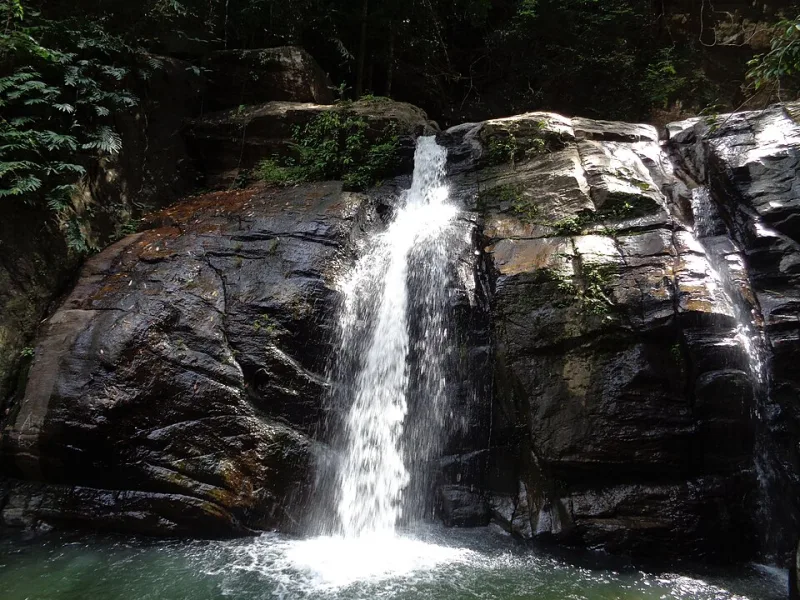
The Kulathupuzha river flows from the forested hills on the Ponmudi and Agasthyamala side and is one of the main feeders of the Kallada, the longest river of Kollam district, which eventually reaches the Ashtamudi lake. Floods, sand removal and pollution upstream affect the temple pool, so the health of the fish reflects the health of the catchment.
Getting there
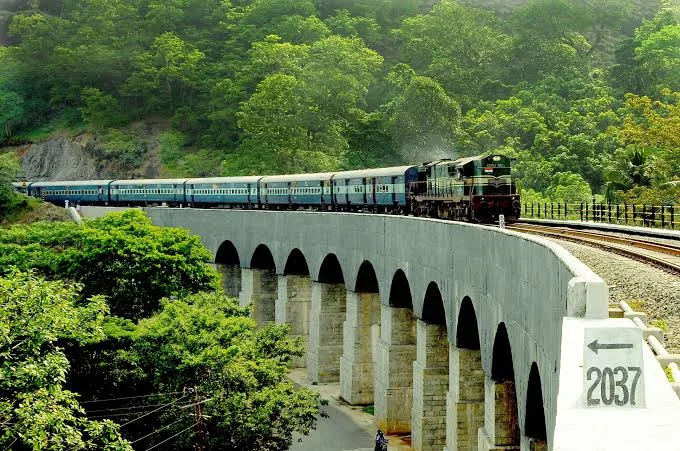
Kulathupuzha is about 64 kilometres from Kollam. It lies on the hill route linking the Anchal and Punalur side with Palode and Thiruvananthapuram. Frequent buses serve the town. Punalur has the closest major railway station, and the airport is at Thiruvananthapuram.
Visiting
Dress modestly, leave footwear outside and follow the usual temple customs. Ask staff where feeding is allowed. Keep to the steps, which may be wet and slippery, and do not enter the water. Photography of the fish from the bank is normally welcome, but confirm rules inside the temple.
Festivals and season
The annual festival falls around the middle of April, in the season of Vishu, and the Mandalam period from November to January brings Ayyappa pilgrims, many of whom stop here on their way to Sabarimala. Dates follow the Malayalam calendar and should be checked each year.
The forest town
Kulathupuzha grew at the edge of large reserve forests. A forest museum in the town presents the trees, animals and history of the region, and makes a good addition for school groups. Plantations of oil palm, rubber and other crops surround the settlement.
Nearby places
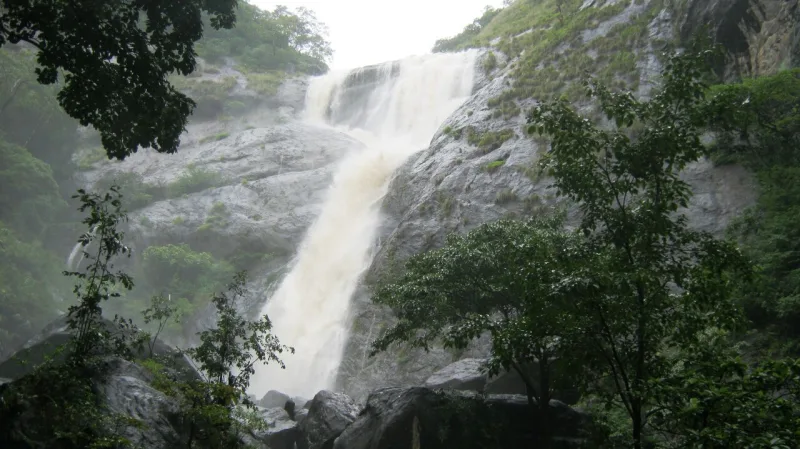
Thenmala ecotourism and its dam, Palaruvi falls, Aryankavu temple and the Palode botanic garden are all within reach. Together with Achankovil, the three temples form a well known one day or two day pilgrimage round for families from southern Kerala.
When the river is high
In the June to August monsoon the river runs strong and muddy, and feeding may be curtailed. Treat barriers seriously. From October to February the water clears and the fish are easiest to see.
Facilities
Small eating houses, shops and basic lodging are found in the town. Parking near the temple fills on festival days. Carry cash for offerings.
Questions visitors ask
Are the fish dangerous? No, but keep fingers and children back from the edge. Can I swim there? No; respect the sanctuary. Is there a charge? Offerings are paid at the counter. How long is needed? An hour is usually enough, more at festival time.
Why it stays in memory
Few temples let a visitor look down on rare wild fish gathering without fear. The scene carries an old lesson plainly: what a community agrees to hold sacred, it can also keep alive.
For young visitors
Tell children the story of the water maiden before arriving, and then explain that these are wild creatures of a shrinking kind. The two accounts together make them careful and curious.
Watching the fish
Early and late in the day the light falls at an angle and the dark backs of the fish show clearly beneath the surface. Stand still for a few minutes and larger ones will rise. Notice the broad scales and the way smaller fish hold the shallows. Do not clap, stamp or throw stones to bring them up. If the water looks cloudy or foams, mention it to temple staff, who are the first guardians of the pool.
Beyond the temple
Rivers protect what lives in them only when whole stretches are clean. The mahseer in particular needs flowing water, gravel beds for spawning and freedom from netting and blasting. A visitor can help by refusing single use plastic near the bank, supporting local cleaning efforts and explaining to friends why a temple pool matters for a species. The pairing of devotion and science here is a good story to take home.
A morning plan
Reach the town soon after the temple opens, worship, visit the steps with offerings for the fish, walk to the forest museum and take lunch before continuing to Thenmala. The order keeps the cooler hours for the riverside.
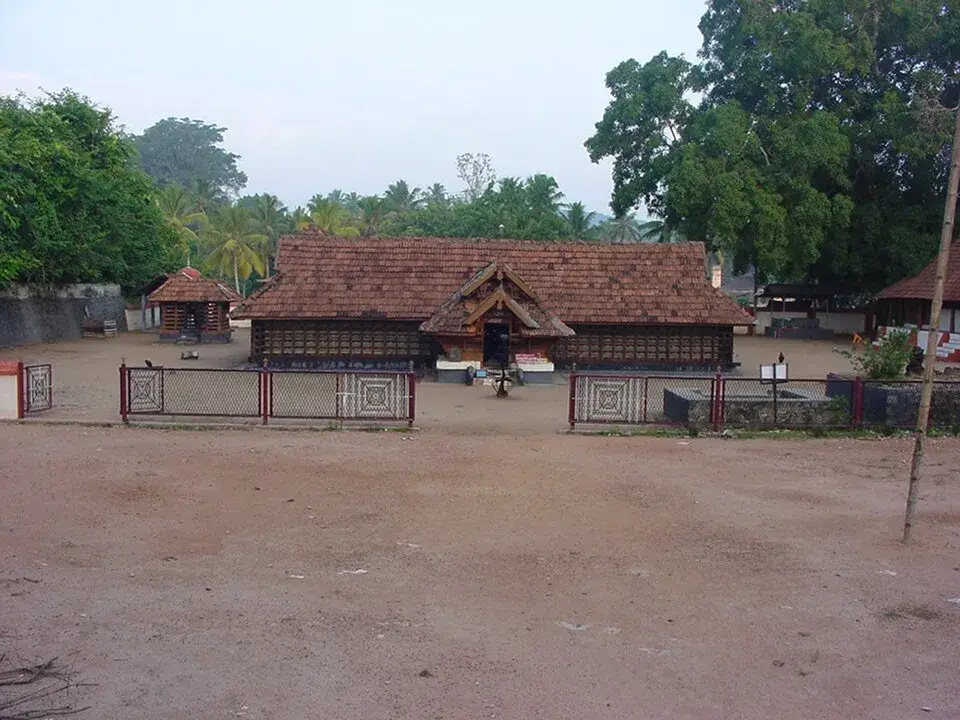 Photo: The original uploader was Binupotti at English Wikipedia. · CC BY-SA 3.0