A delta of canals and paddy fields farmed below sea level, best seen from a canoe, ferry or houseboat as village life passes along the banks.
Few landscapes in India are as unusual as Kuttanad. Spread across parts of Alappuzha, Kottayam and Pathanamthitta districts, this river delta is a patchwork of water and rice where much of the land lies lower than the sea. It includes the lowest ground in the country, with paddy farming carried on roughly one to three metres below sea level.
The fields were won largely by human effort. Farmers built earthen and stone bunds around stretches of shallow water, pumped them dry and cultivated the fertile bed. Several rivers, among them the Pampa, Achankovil, Manimala and Meenachil, pour into this basin before reaching Vembanad lake, so that managing water has always been the central task. The system has received international recognition as an important agricultural heritage.
The best way to understand it is from the water. In narrow canals, a small canoe paddled or poled by a local boatman glides past houses with steps down to the bank, women washing vessels, children going to school by boat, toddy tappers climbing palms and flocks of ducks herded across the shallows. Kingfishers flash along the edges and egrets wait in the fields. At sowing time the paddies are bright green, and before harvest they turn gold.
Visitors can choose between experiences. Government ferries provide long, inexpensive rides along regular routes. Shikara style motor boats and canoes explore smaller channels for a few hours. Houseboats, converted from traditional rice barges, offer day cruises or a night aboard with meals. Compare what each includes, confirm the operator's licence, check life jackets and fire safety on houseboats and agree the price and timing before boarding.
Food is part of the pleasure: rice with karimeen, the pearl spot fish, duck roast, tapioca and fresh vegetables are local favourites, often served at toddy shops and homestays.
The delta is a living and fragile place. Pollution from boats and fields, weeds that choke canals and increasingly severe floods are real concerns, and the great floods of 2018 caused much hardship. Choose operators who handle waste responsibly, avoid single use plastic, do not throw anything overboard and keep noise low. Ask before photographing people, who are going about their daily lives, and do not swim where depth and currents are unknown.
Allow at least a day. Early morning and late afternoon bring the best light and the liveliest activity. Carry a hat, sunscreen, insect repellent and drinking water. Homestays on the water give a deeper experience and support families directly.
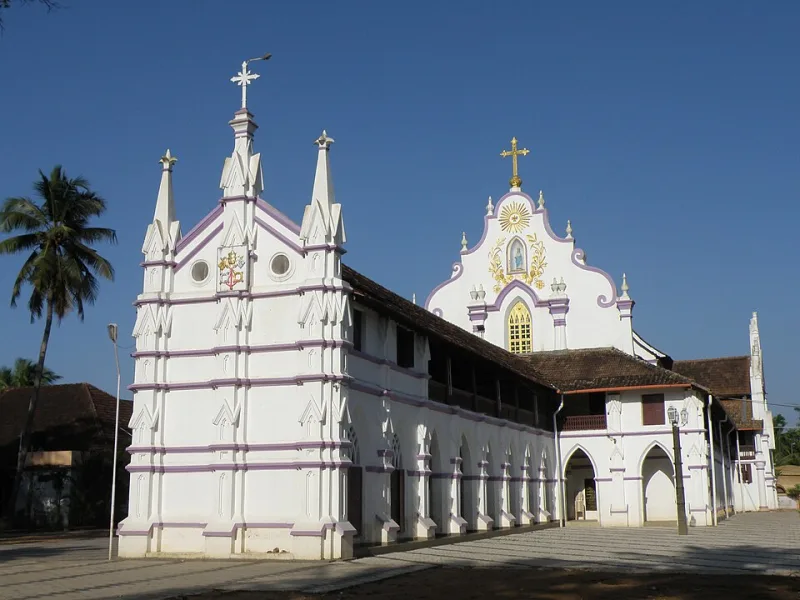
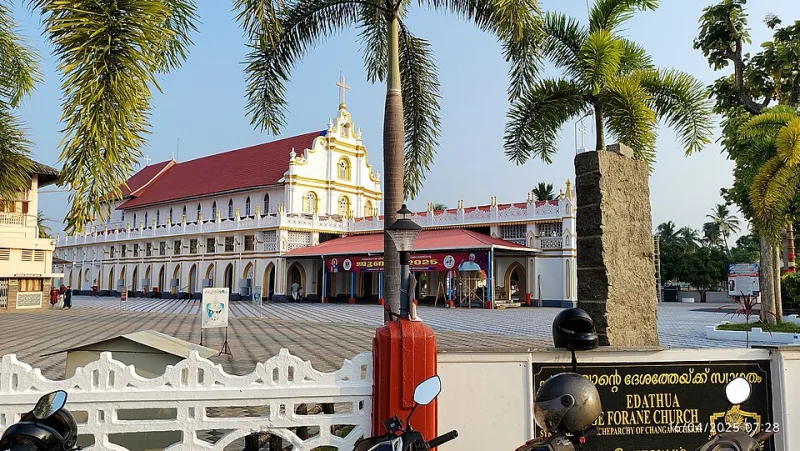
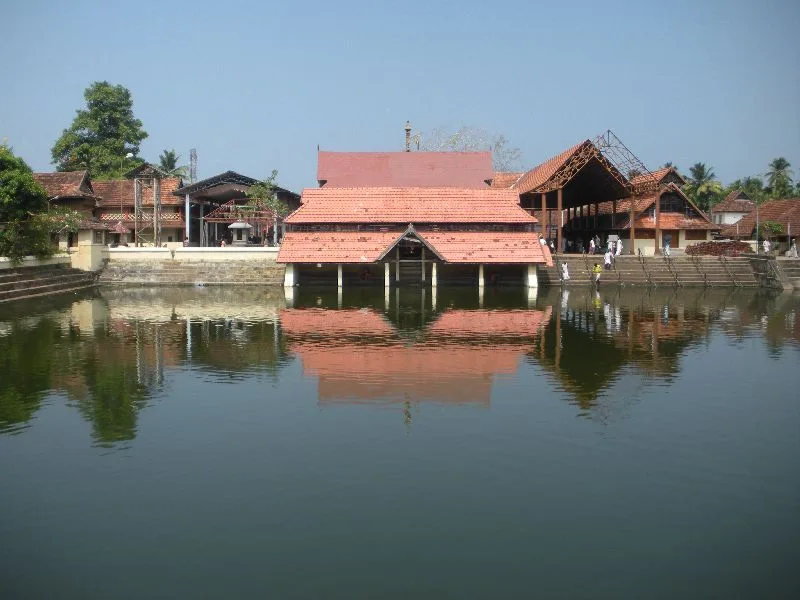
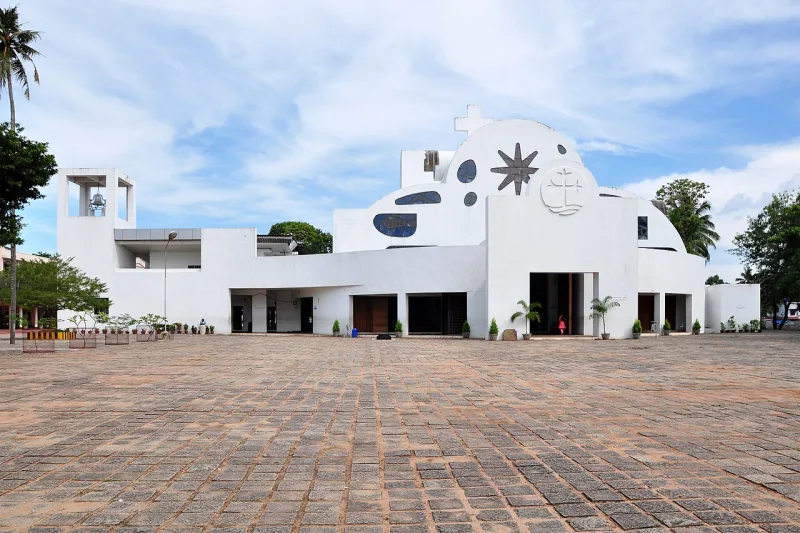
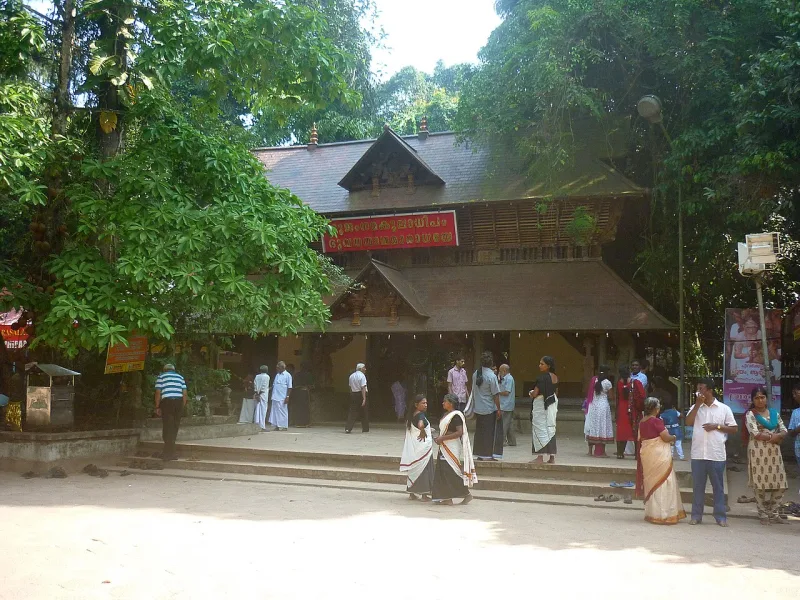
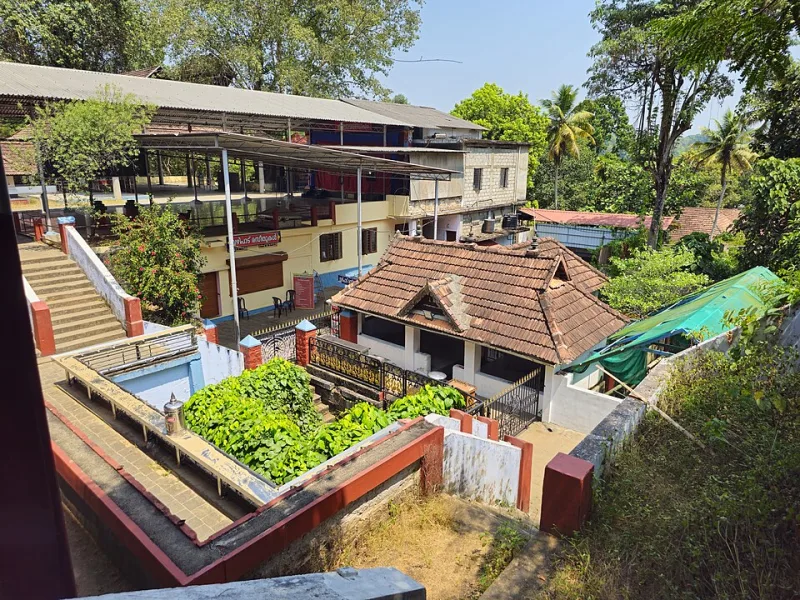
Many landmarks lie within or near Kuttanad: the Champakulam church, famous also for its snake boat race, the Edathua church on the Pamba, the Chakkulathukavu temple, the Ambalappuzha temple towards the coast, and the memorial to the poet Thakazhi Sivasankara Pillai, whose novels portrayed life here. The Nehru Trophy boat race on Punnamada lake in August is a spectacular event.
September to March offers pleasant weather. The monsoon is lush and beautiful but can bring flooding that disrupts travel, while April and May are hot and humid, especially inside cabins.
Kuttanad is less a single sight than a way of life that can be watched at walking pace on water. Travellers who go slowly, perhaps stepping ashore to walk a bund between field and canal, will see how much patient work holds this landscape together and why its people speak of water as both livelihood and neighbour. Let the boatman set an unhurried rhythm.
When planning, tell your host or boatman what interests you most, whether farming, birds, food or churches and temples, so that the route can be shaped around it. A village walk with a resident guide often reveals how bunds are repaired, how toddy is tapped and how households cope when the water rises, details that are easy to miss from a passing deck.
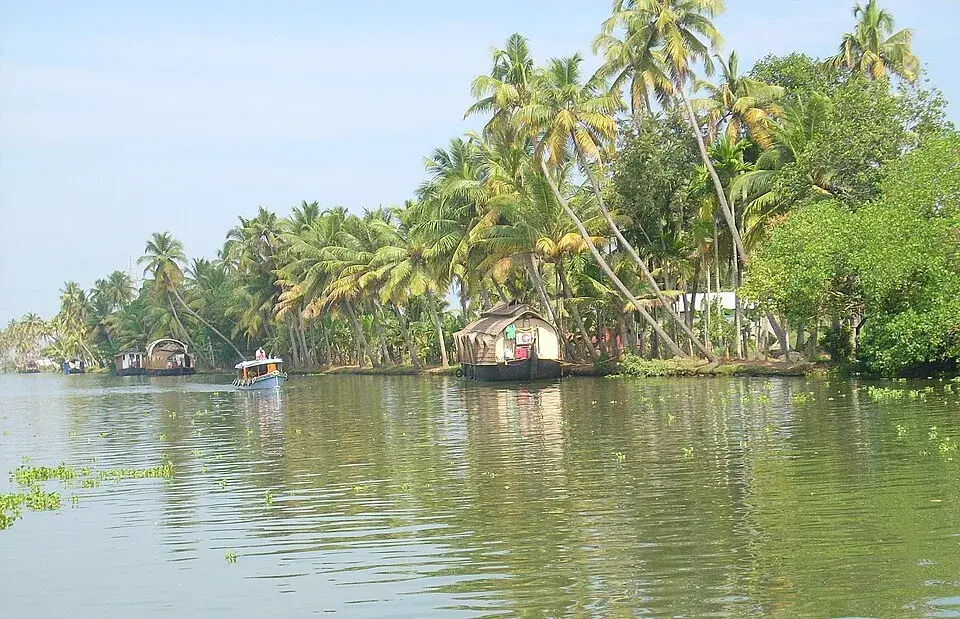 Photo: Sourav Niyogi · CC BY-SA 3.0