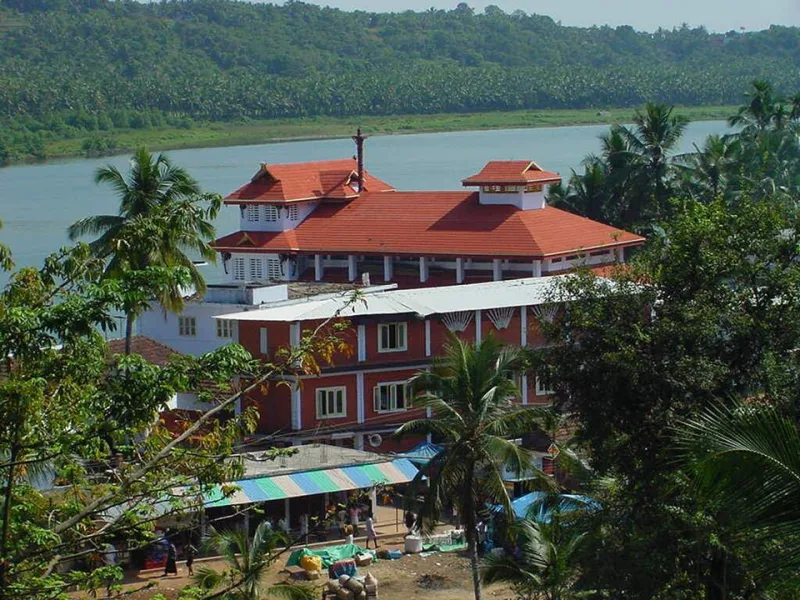
A wide laterite tableland of seasonal flowers, pools, birds and old shrines overlooking the river at Pazhayangadi.
From the road it may look like a bare expanse of reddish rock. Come at the right time and look closely, and Madayipara reveals itself as one of the most interesting landscapes in northern Kerala. This laterite plateau of about seven hundred acres rises above Pazhayangadi on the northern bank of the Kuppam river.
Its character changes with the year. With the monsoon, shallow soil and rock pools come alive, and by August and September sheets of small flowers, blue, white and yellow, spread across the surface, among them the delicate blooms that Malayalis gather for Onam floral designs. Insect eating plants grow in damp spots. After the rains, grasses turn golden, and in the dry months the rock glows in the heat.
Naturalists value the plateau for its plants, butterflies, amphibians and birds, including migrants that rest here, and several rare species have been recorded. Such lateritic hills were once dismissed as wasteland; Madayipara has become a well known argument for their importance, particularly in storing rainwater that feeds wells around them.
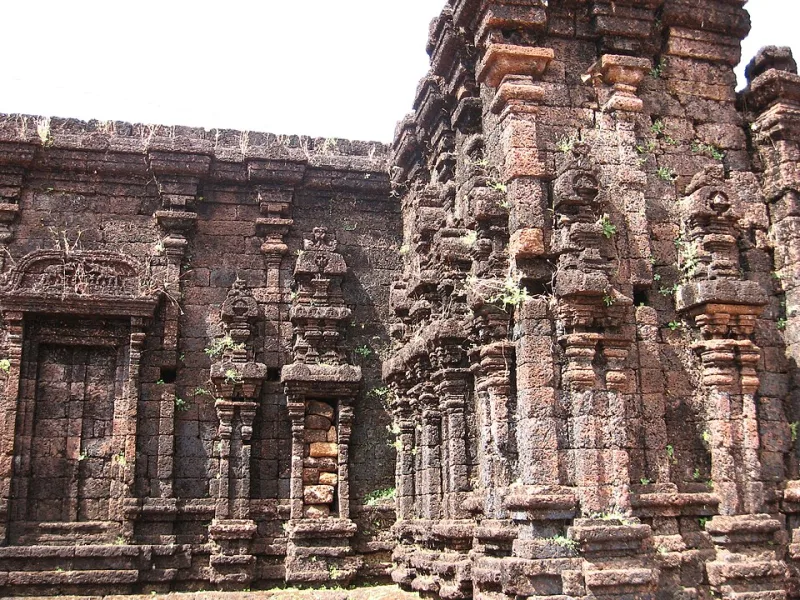
The area is also rich in culture. The Madayi Kavu, the Thiruvar Kadu Bhagavathi temple of the goddess Kali, is a major shrine of north Malabar, with a famous spring festival in which images are ritually bathed. The Vadukunnu Shiva temple stands beside a large tank on the plateau. Traces of an old fort, ancient wells and a Jewish pond associated with early settlers are pointed out. Nearby in Madayi, an old mosque is counted among the early mosques of the coast.
Walk gently. The living layer is thin, and vehicles or trampling destroy it. Keep to existing tracks, do not drive onto the rock, never pick flowers or remove plants and take all rubbish away. Avoid fires, as dry grass burns quickly. Open wells and pits may be unfenced, and wet laterite is slippery.
Visit early or late. There is hardly any shade, so carry water, a cap and sunscreen, and during the rains an umbrella. Lightning is a real danger on the exposed plateau; leave during storms. Binoculars and a small magnifying glass add much to the experience.
Two to three hours is comfortable. Shops and eating places are found in Pazhayangadi.
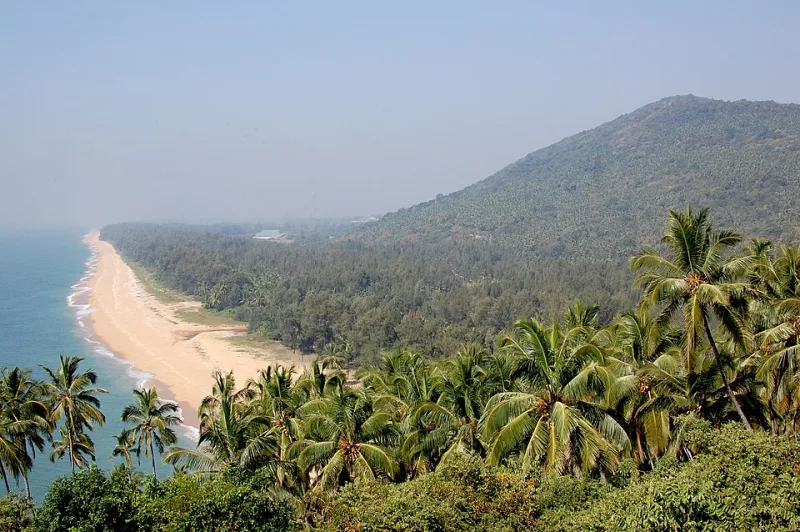
Further outings include the Madayi temple festivities, the Vayalapra backwater park, Ezhimala with its coastal views, and Payyanur. The Taliparamba temples and Parassinikkadavu are to the south east.
August to September is the flowering peak, while October to February suits birdwatching and pleasant walking.
Madayipara teaches that wonder does not require height or dense forest. A pool the size of a table may hold tiny plants found in few other places, and a distant bell from the goddess temple may mingle with the call of a lapwing. Kneel to look, step carefully and leave the plateau intact for the next season's bloom. Check recent weather before travelling.
Photographers who want to capture the flowers should use a low angle from the path, without lying on the plants. Ask local volunteers or students, who often lead walks in the flowering season, to identify species and explain how rock pools shelter frogs and insects. Join such a walk if you can. Parents can give children a challenge to count how many colours they find without picking anything. At sunset, choose a spot on bare rock, watch the river turn silver below and leave before it is too dark to see the edges of wells.
Residents have worked to protect the plateau from quarrying and damage, and visitors can support them by respecting local notices. Ask about guided walks at Pazhayangadi before you climb, and share your pictures in a way that encourages careful behaviour.
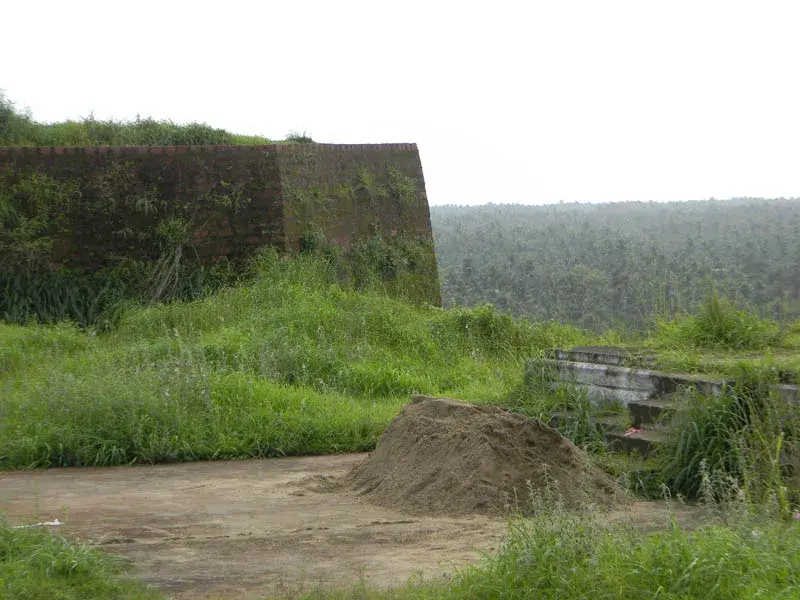 Photo: Bijesh · CC BY-SA 3.0