Dam
Singur Dam
Sangareddy, Telangana
📍 19 km away from Manjeera Wildlife Sanctuary
A large dam on the Manjira completed in 1998, a key drinking water source for Hyderabad and a popular monsoon...
Read more →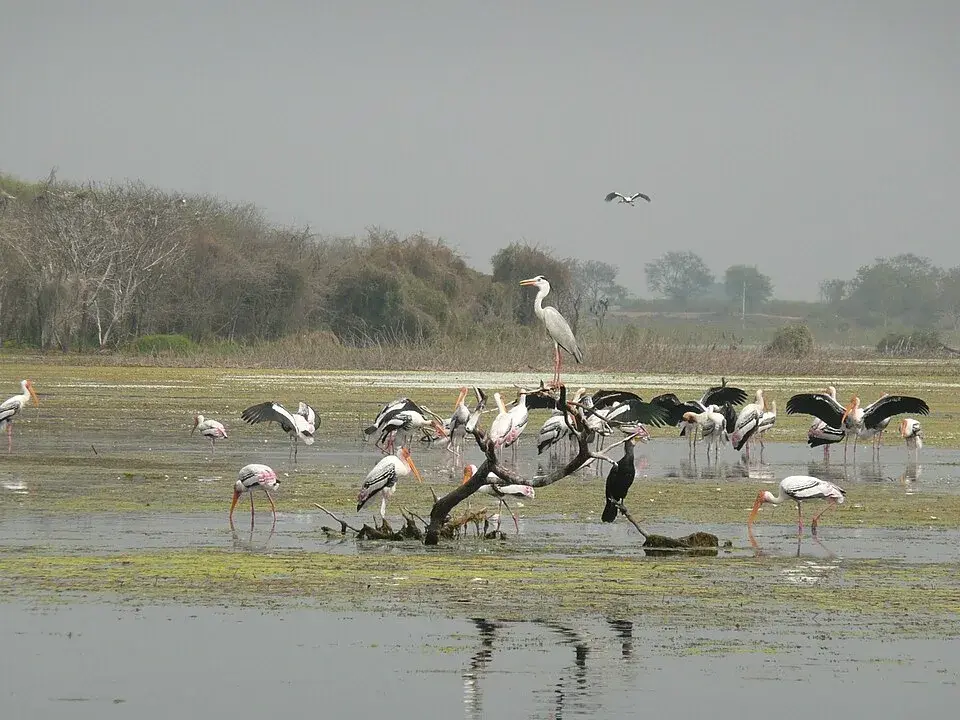 Photo: User:Ravinder Thakur · CC BY-SA 3.0
National Park and Wildlife
Telangana · SangareddyAlso known as Manjira Bird Sanctuary
A reservoir sanctuary near Sangareddy, first protected for mugger crocodiles and now known for more than seventy species of birds.
About Manjeera Wildlife Sanctuary
A reservoir sanctuary near Sangareddy, first protected for mugger crocodiles and now known for more than seventy species of birds.
Just beyond Sangareddy, the Manjira river widens into a reservoir dotted with marshy islands. The water supplies Hyderabad and Secunderabad, and it also shelters a rich community of wildlife in the sanctuary established around it.
The protected area began with a focus on the mugger, or marsh crocodile, a species considered vulnerable. Conservation measures, including breeding and release, helped the population along stretches of the river. Over time the importance of the wetland for birds became equally clear, and more than seventy species have been recorded here, with larger counts in some surveys.
Among the birds that visitors look for are painted storks, open billed storks, ibises, spoonbills, herons, egrets, cormorants, darters, kingfishers and, in the cooler months, migratory ducks and other travellers from the north. Islands give nesting and roosting places away from disturbance. Reptiles, fish and small mammals add to the web of life.
Crocodiles may be seen basking on banks or islands, especially on cool mornings when they seek the sun. They are wild and powerful. Stay behind fences and at viewing points, never walk to the water's edge in unauthorised places, do not swim or wash in the river and keep children close.
Facilities have included an entrance area with an interpretation centre, display enclosures and viewing towers, and at various periods boating. Water levels, maintenance and forest department decisions determine what is available, and the sanctuary may have a weekly closing day. Confirm before setting out.
Arrive early. Birds feed actively soon after sunrise, the light is gentle and the heat has not begun. Binoculars make an enormous difference, and a camera with a long lens is useful, though patience matters more than equipment. Walk quietly, speak softly, avoid bright clothing and never throw objects to make birds fly. Do not play recorded calls. Carry water and a snack, and bring your litter home.
Two or three hours give a satisfying visit. Families can introduce children to birdwatching by choosing a few species to identify from shape and colour. Students of ecology will find a clear example of how a reservoir built for drinking water can support biodiversity when parts are left undisturbed. Pressures from pollution, silting, fishing and sand extraction affect wetlands like this, which is why public interest matters.
The Singur dam lies further up the Manjira and can be added for a view of the larger reservoir. Sangareddy has eating places and shops. On the way back towards Hyderabad, the Ameenpur lake, recognised as a biodiversity heritage site, offers another opportunity for birdwatching, and the HITEC City area is reachable by the outer ring road.
November to February is the finest season, when migrants are present and temperatures comfortable. During April and May the water recedes and heat is severe. The monsoon brings new growth and nesting activity for some species, but access may be restricted.
Manjeera is a gentle destination that asks for attention more than effort. A stork folding its great wings on a dead branch, or the still shape of a crocodile that suddenly slides beneath the surface, can hold a visitor spellbound. Within an easy morning's drive of a vast city, it shows that wild lives continue alongside the pipes and pumps that bring water to millions of homes. Return quietly, leaving the banks as you found them.
School groups benefit from a short briefing on silence and safety before entering. A notebook, a pair of shared binoculars and a simple chart of common water birds are enough to keep children engaged. Ask the staff which part of the reservoir has had the most activity that week, as birds move with water levels and food, and plan the morning accordingly.
+ Add your photos Been here? Share what you saw.
Instagram Reels and YouTube Shorts by vloggers and visitors.
Space for a Reel or Short
Space for a Reel or Short
Space for a Reel or Short
Space for a Reel or Short
Full videos, guides and walkthroughs.
No reviews yet. Be the first to share your experience. Reviews appear here once a moderator approves them.
None listed yet.
Address: Manjira reservoir near Sangareddy town
Where the details on this page come from. Timings, fees and phone numbers change, so confirm them before you travel.
Distances are in a straight line from Manjeera Wildlife Sanctuary; travel by road is longer.
Sangareddy, Telangana
📍 19 km away from Manjeera Wildlife Sanctuary
A large dam on the Manjira completed in 1998, a key drinking water source for Hyderabad and a popular monsoon...
Read more →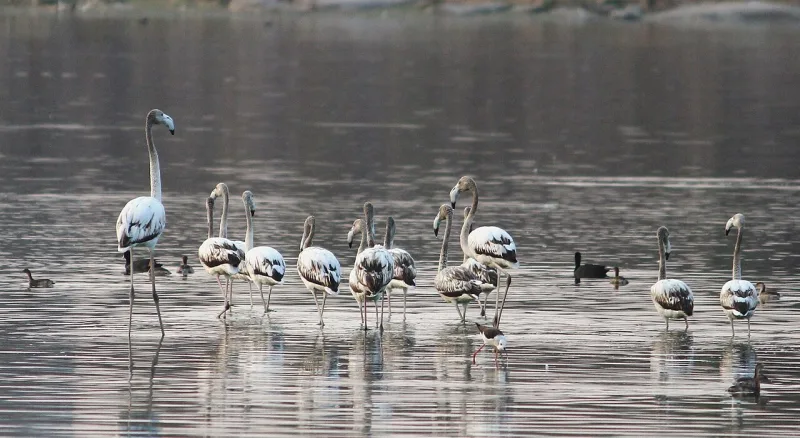
Sangareddy, Telangana
📍 31 km away from Manjeera Wildlife Sanctuary
An old royal-era lake recognised as India’s first urban Biodiversity Heritage Site, a haven for birds includin...
Read more →Rangareddy, Telangana
📍 About 33 km away from Manjeera Wildlife Sanctuary
Opened January 2025: a landscaped eco park of about 150 acres near Chilkur, with a vast plant collection and a...
Read more →Medak, Telangana
📍 About 37 km away from Manjeera Wildlife Sanctuary
A forest shrine of Goddess Durga where the Manjira river divides into streams among rocks, a major pilgrimage...
Read more →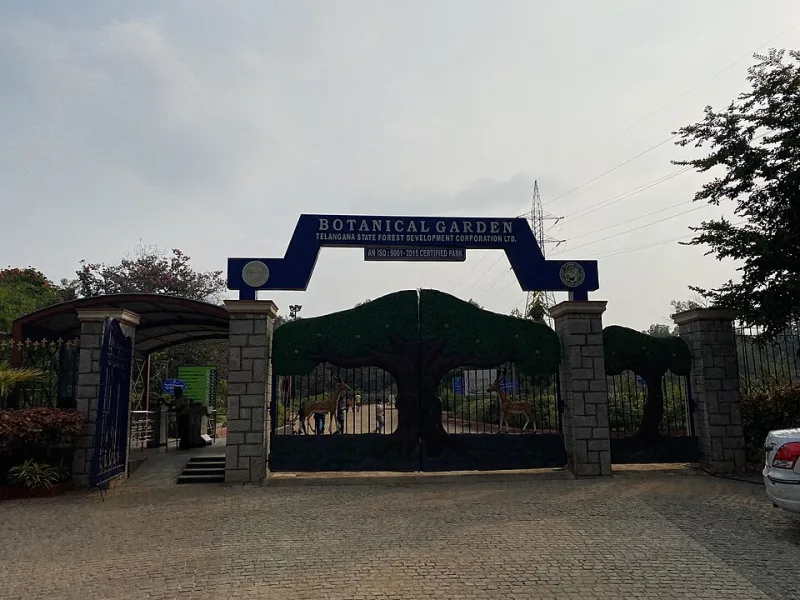
Ranga Reddy, Telangana
📍 38 km away from Manjeera Wildlife Sanctuary
A forest department botanical garden beside HITEC City with woodland trails, theme gardens, rocks and water bo...
Read more →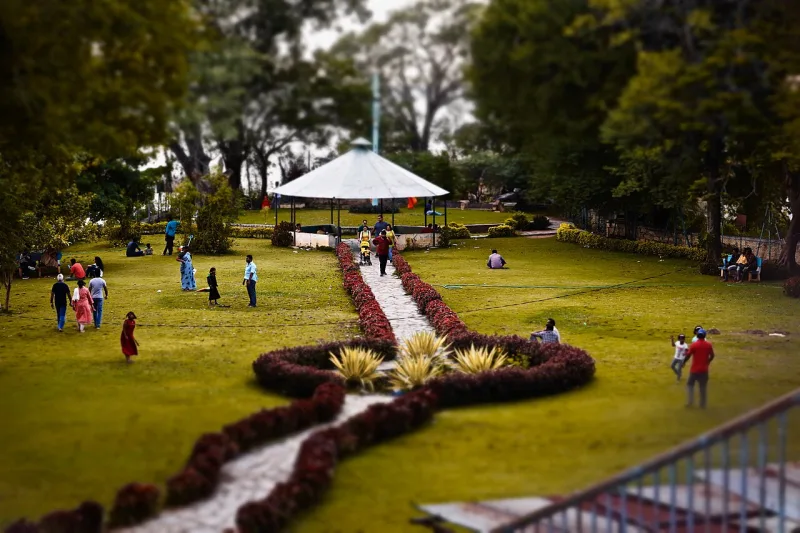
Rangareddy, Telangana
📍 39 km away from Manjeera Wildlife Sanctuary
Twin reservoirs built after the great flood of 1908, with sunset banks and a lakeside park.
Read more →
Rangareddy, Telangana
📍 39 km away from Manjeera Wildlife Sanctuary
A crafts village where artisans sell direct, with a rural life museum, rock garden and weekend performances.
Read more →
Rangareddy, Telangana
📍 39 km away from Manjeera Wildlife Sanctuary
A first look at India’s new economy: metro rides, the round Cyber Towers, glass campuses and a skyline that gl...
Read more →