National Park and Wildlife

Silent Valley National Park

Kerala · Palakkad

No ratings yet · be the first to review

An ancient rainforest in the Nilgiri hills, saved by a historic conservation movement and home to the lion tailed macaque.

Best time to visit
December to April
Time needed
A full day

About Silent Valley National Park

Why you should visit

An ancient rainforest in the Nilgiri hills, saved by a historic conservation movement and home to the lion tailed macaque.

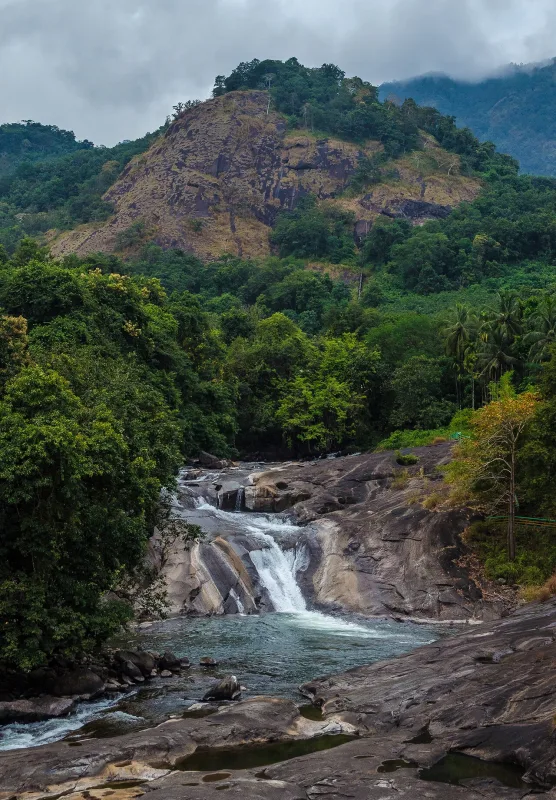
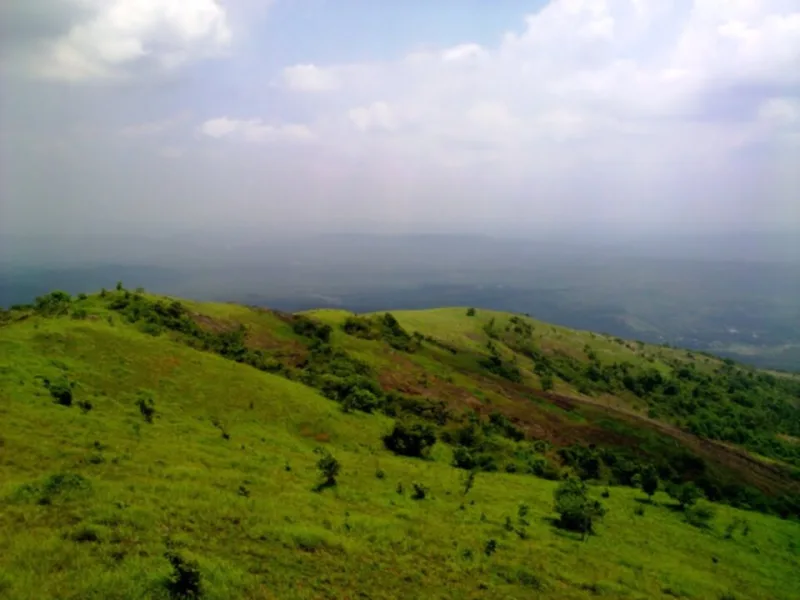
Silent Valley is a name that stirs anyone interested in nature in India. Hidden in the Nilgiri hills of Palakkad district, where Kerala meets the Nilgiris of Tamil Nadu and the forests of Nilambur, it protects one of the finest remaining tracts of tropical evergreen rainforest in the Western Ghats. The core area covers about 89.5 square kilometres, surrounded by a buffer zone of about 148 square kilometres, all within the Nilgiri Biosphere Reserve. Science noticed the valley early. The botanist Robert Wight explored its watersheds in the middle of the nineteenth century, and in 1914 the forest was declared a reserve. Parts were affected by forestry operations between the 1920s and 1976. Then came the decisive moment. In 1976 the Kerala State Electricity Board announced plans to build a hydroelectric dam on the Kunthipuzha river, which would have drowned a large area of forest. The response became one of the most important environmental campaigns in Indian history. The Save Silent Valley movement brought together scientists, teachers, poets, students and the people of the Kerala Sastra Sahitya Parishad and other groups through the 1970s. Their argument, that an irreplaceable ecosystem was worth more than the power the project would produce, eventually prevailed. The dam was abandoned and the national park was created in 1980. Visitors today walk in a forest that exists in its present form because ordinary citizens spoke up. The park's most celebrated resident is the lion tailed macaque, a black monkey with a silver mane that lives in the canopy and is found only in the Western Ghats. The rainforest also shelters Nilgiri langurs, giant squirrels, elephants, tigers and other large animals rarely seen, a great range of birds, butterflies, frogs and insects, and a profusion of plants, orchids and mosses. The valley is sometimes said to be silent because the usual chorus of cicadas is less noticeable in places; other explanations connect the name with old words and legends. Entry is carefully controlled. Visitors report at the forest office at Mukkali, buy tickets for the authorised jeep safari and travel with a guide along a forest road to Sairandhri, where trails, a watch tower and a view towards the river may be open. The number of vehicles per day is limited and booking ahead is wise. Longer treks and stays in the buffer areas have been offered through ecotourism programmes. Private vehicles are not permitted into the core. The drier months from December to April usually give the best access. During the monsoon the area receives very heavy rain, leeches are abundant and the safari may be suspended. Wear full length clothing in muted colours and closed shoes, and carry water, snacks and rain protection. Mobile coverage is poor. Behaviour matters greatly. Keep quiet, do not feed or call animals, stay on the permitted route, and bring out every item you take in. Plastic, alcohol, smoking and loudspeakers are not allowed. Mukkali is reached by road through Mannarkkad, roughly midway between Palakkad and Perinthalmanna. Palakkad and Shoranur are convenient railway stations, with Coimbatore and Kozhikode airports within a few hours. The Attappadi valley nearby has homestays for an early start. Do not come expecting a zoo. A visit may yield only a distant shape in the branches and the call of a hornbill. What it will certainly offer is the experience of moist green shade, immense trees, clear water and the knowledge that this place was once marked for destruction. Silent Valley invites every visitor to leave quietly, a little more convinced that some forests should simply be left to live. Plan to reach Mukkali early in the morning, since safaris leave in a set order and late arrivals may find the day's vehicles full. A calm, patient attitude suits this forest best.
  • Evergreen rainforest of great age
  • Lion tailed macaque and rare plants
  • Kunthipuzha river and watch tower
  • Guided jeep safari from Mukkali

Photos

No photos yet. Be the first to share one.

Reels and Shorts

Instagram Reels and YouTube Shorts by vloggers and visitors.

Space for a Reel or Short

Space for a Reel or Short

Space for a Reel or Short

Space for a Reel or Short

YouTube videos

Full videos, guides and walkthroughs.

Space for a YouTube video

Space for a YouTube video

Reviews and ratings

– 0 reviews
  • 5 ★0
  • 4 ★0
  • 3 ★0
  • 2 ★0
  • 1 ★0

No reviews yet. Be the first to share your experience. Reviews appear here once a moderator approves them.

Write a Review

Special events & celebrations

None listed yet.

+ Add an event held here

Good to know

Visitor tips

  • Book the official safari early, as numbers are limited
  • Carry food, water and identity proof
  • Stay with your guide
  • Take no plastic into the forest

How to reach

Entry through Mukkali, reached via Mannarkkad from Palakkad; visitors travel into the park in authorised vehicles.

Address: Mukkali, Mannarkkad taluk, Palakkad district

Open directions in Google Maps

Sources

Where the details on this page come from. Timings, fees and phone numbers change, so confirm them before you travel.

Nearest places to Silent Valley National Park

Distances are in a straight line from Silent Valley National Park; travel by road is longer.

Places near me