Where Hyderabad’s place in medical history is told: the 1897 discovery that mosquitoes carry malaria parasites.
The Sir Ronald Ross Institute at Begumpet recalls Hyderabad's place in medical history: the discovery in 1897 that mosquitoes carry malaria parasites. A heritage building with a small museum of photographs, charts and instruments commemorates the officer scientist whose patient work helped to open the way to controlling one of humanity's most destructive diseases. It is a quiet, specialised destination that will especially interest students, teachers, doctors and anyone who enjoys the story of how knowledge is won.
Ronald Ross was born in India and served as an officer of the Indian Medical Service. In 1896 he was posted at Secunderabad. Malaria was then a constant danger in many parts of the world, and although scientists had identified a parasite in the blood of patients, they did not know for certain how it passed from one person to another. Ross set out to test the idea that mosquitoes were involved. The work was tiring and often disappointing. He dissected insects one by one under the microscope, in the heat, with limited equipment.
On 20 August 1897, after feeding mosquitoes on a patient, he found malaria parasites in the gut of one of them. It was the clue he had been seeking. Further research, carried on afterwards in Calcutta using birds, helped to trace the life of the parasite within the mosquito. Italian researchers led by Giovanni Battista Grassi were working on the same problem, and the question of credit was bitterly argued. Ross received the Nobel Prize in Medicine in 1902. Sources differ on exactly where in the cantonment he carried out the crucial observations, so visitors may meet more than one account.
The significance reaches far beyond one building. Once the role of the mosquito was understood, communities could fight malaria by draining breeding places, using nets and screens and protecting people during the hours when mosquitoes bite. The date of the discovery is remembered every year as World Mosquito Day, and campaigns around it remind the public that insect borne diseases still cause great suffering. A visit around 20 August can be particularly meaningful, as programmes may be arranged.
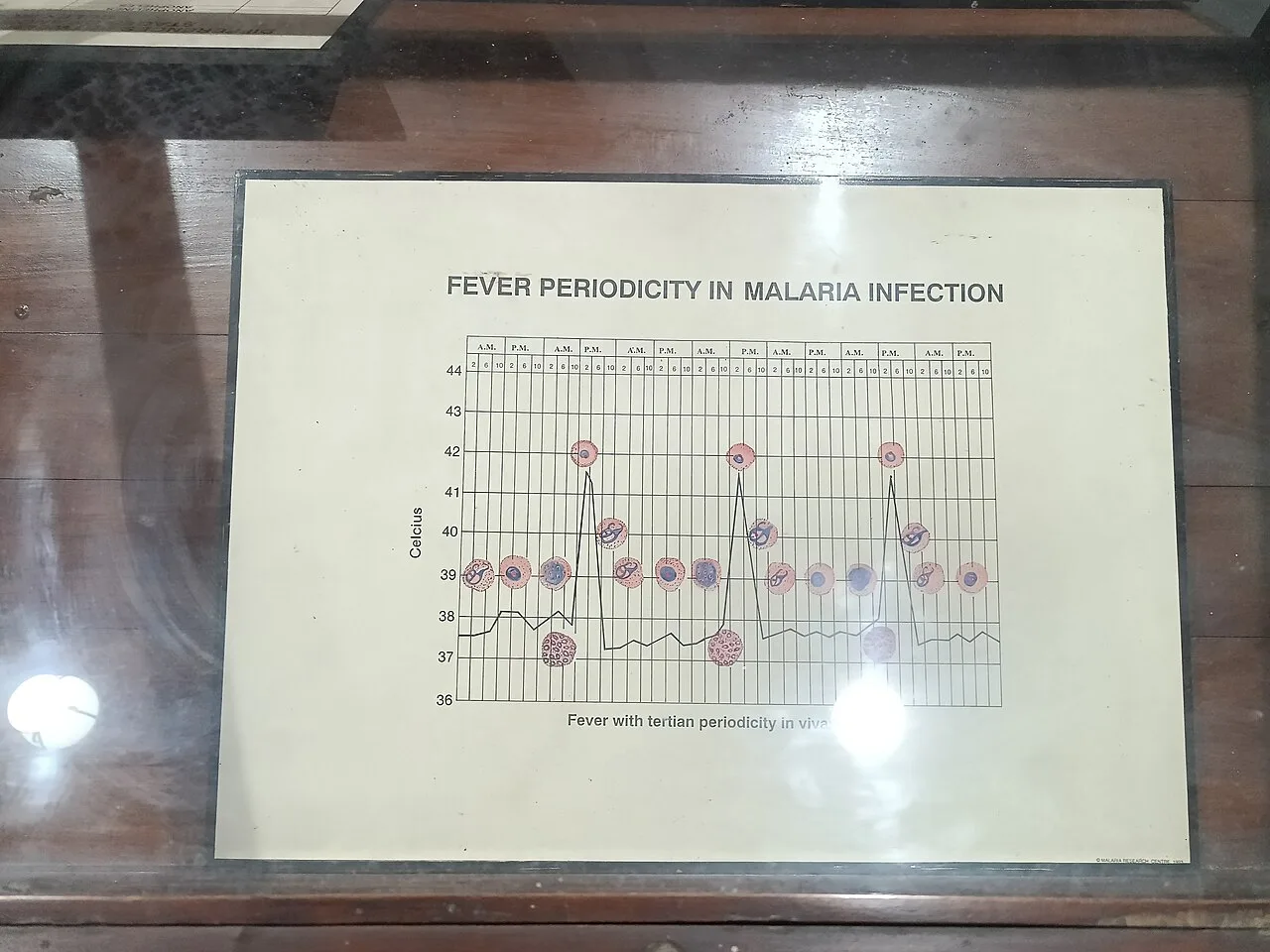
In the museum, spend time with the diagrams and photographs, which explain the cycle of infection, and look at the instruments to imagine the conditions under which the research was done. Young visitors can be encouraged to think about the scientific method: forming a question, observing carefully, recording results and not giving up when early attempts fail.
This is an institute with limited visiting, and no official visiting hours were found. Seek permission before you go, preferably by writing or calling in advance, and state the size of your group, especially for school visits. Carry identification, follow the directions of staff, do not enter work areas and ask before taking photographs. Do not touch fragile documents or equipment. About forty five minutes is usually enough once you are admitted.
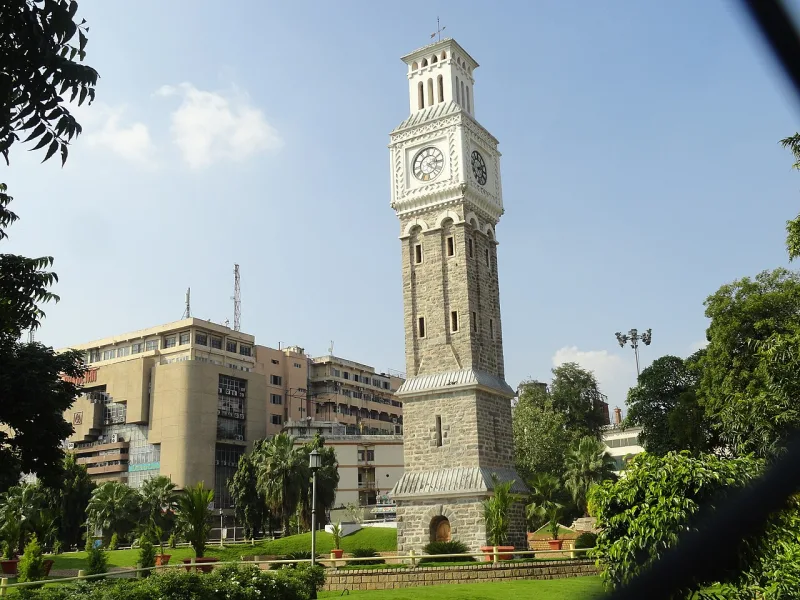
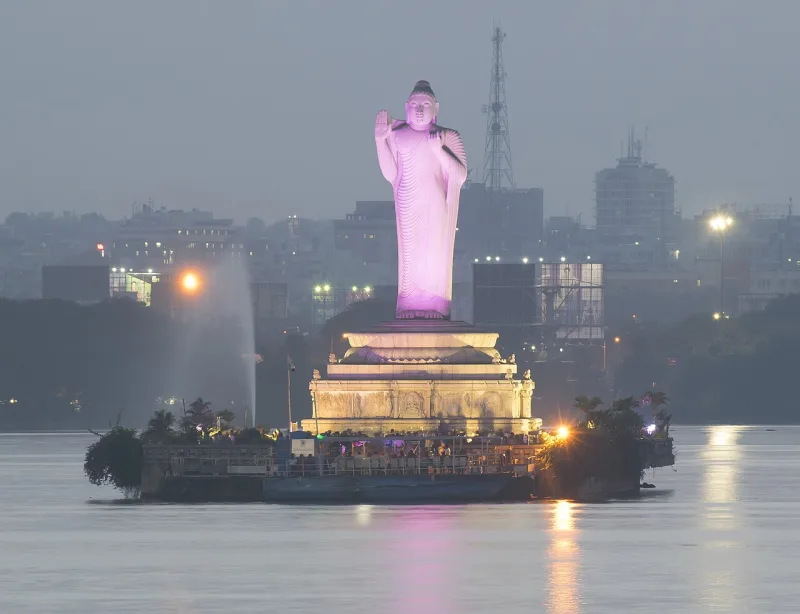
The institute is in Begumpet, near Begumpet railway station, and is also accessible by metro, bus, auto or cab. The neighbourhood offers eating places for a break, and Hussain Sagar, Birla Mandir, the science museum and planetarium and the Secunderabad Clock Tower can be reached in the same day. Teachers could pair this visit with the Birla Science Centre to make an outing devoted to discovery. Protect yourself from mosquitoes, wear comfortable clothing and carry water in warm months. October to February is the most comfortable season for getting about the city. Few places so modest in appearance can claim a link with work that touched the health of millions around the world, and that is exactly why a considered visit is worthwhile. Before leaving, take a moment to reflect on the patient and the many assistants whose contributions also made the research possible.
Ross, an officer of the Indian Medical Service, was posted at Secunderabad in 1896. On 20 August 1897, after feeding mosquitoes on a patient, he found malaria parasites in the gut of one. He received the Nobel Prize in Medicine in 1902. Sources differ on exactly where in the cantonment he worked.
Stories worth knowing
One of the great days of science
20 August is remembered as World Mosquito Day. Italian researchers led by Grassi were working on the same problem, and the question of credit was bitterly argued.
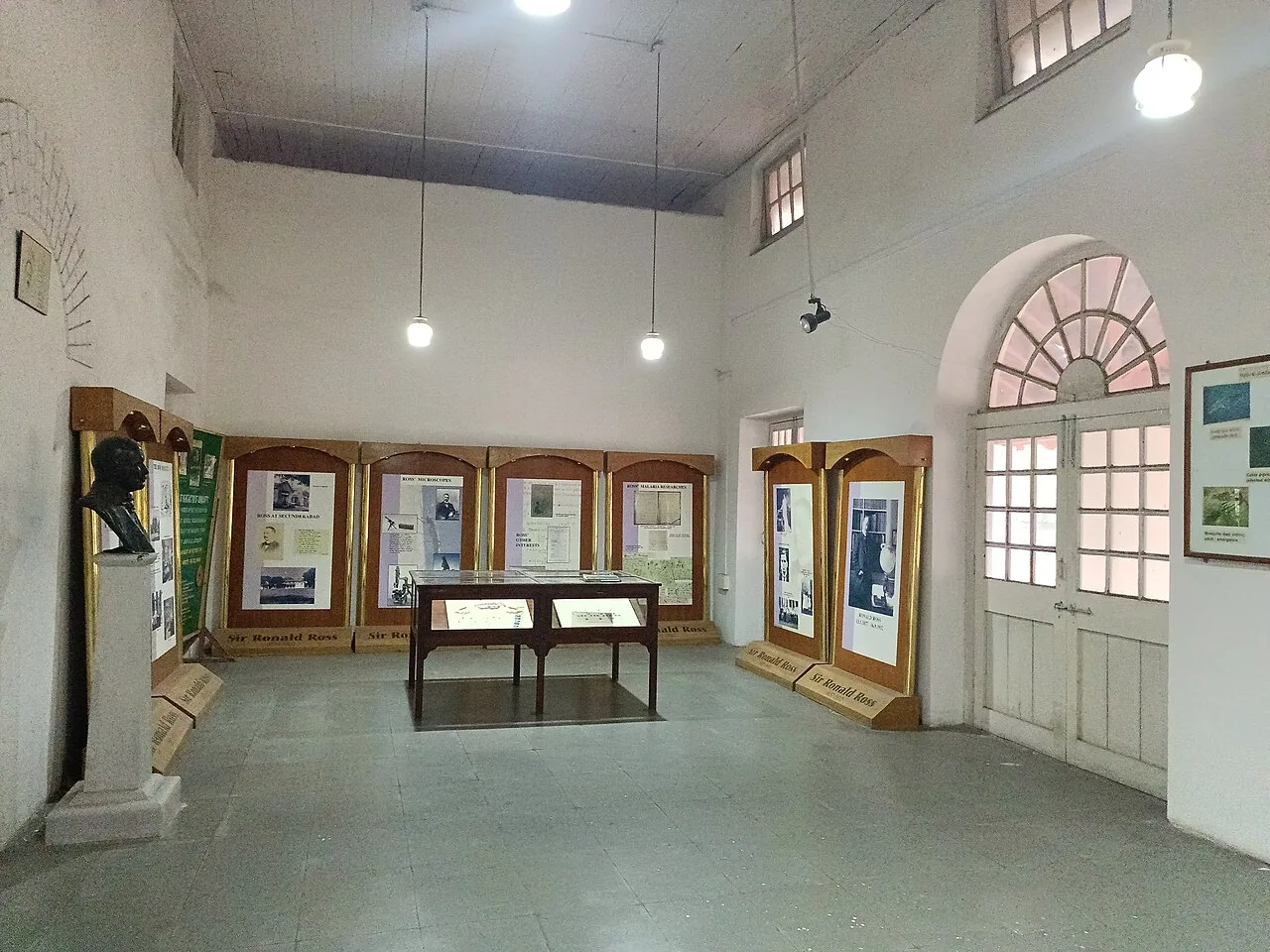 Photo: Tarunsamanta · CC BY-SA 4.0