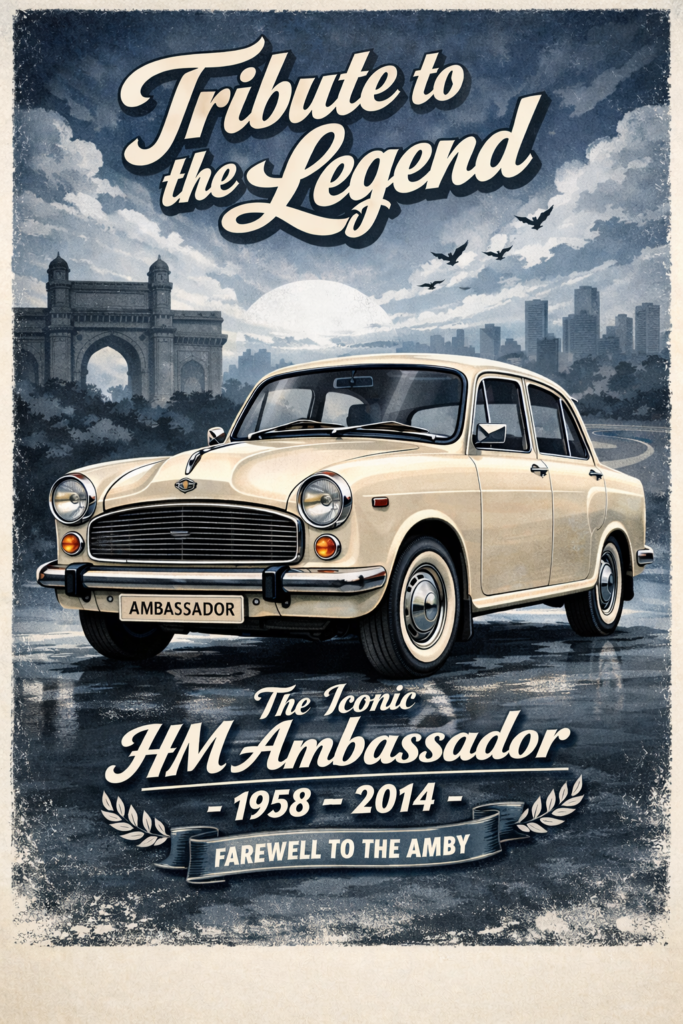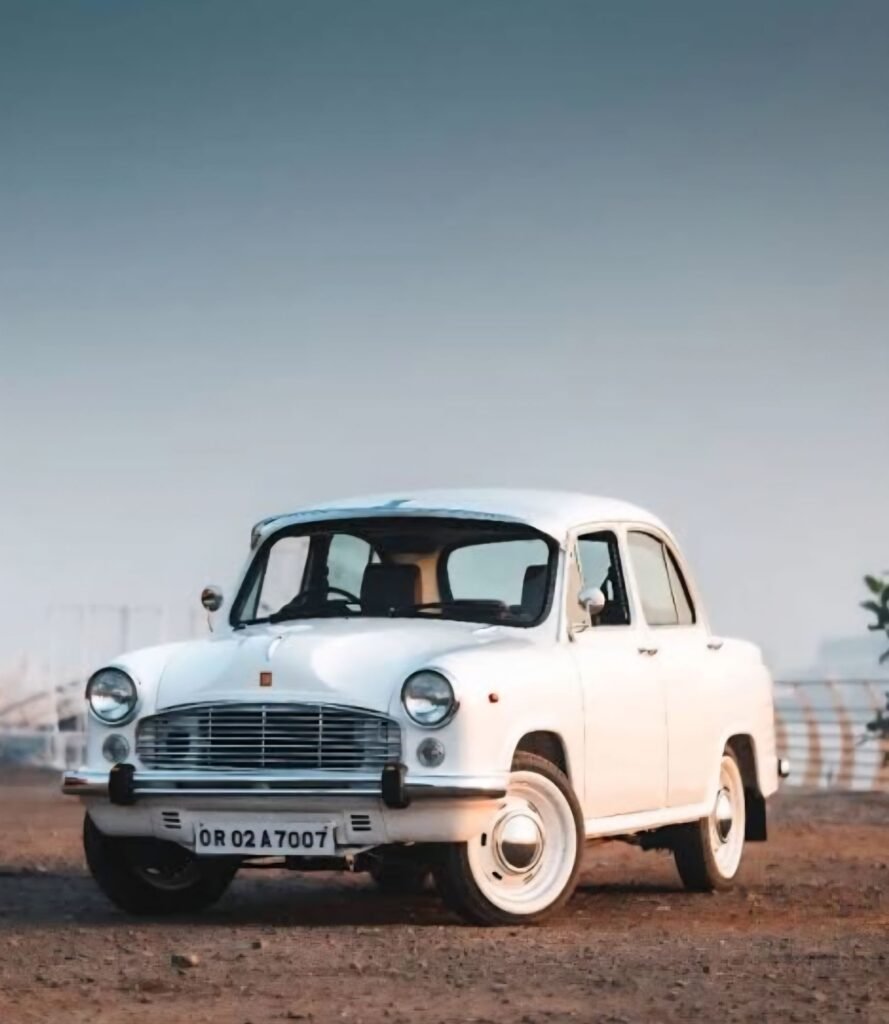
Few cars in the world have managed to transcend their role as mere transportation and evolve into a cultural symbol. In India, that car was the Hindustan Ambassador. For decades, it was not just a vehicle but a moving emblem of authority, endurance, and Indian roads themselves. From politicians and bureaucrats to taxi drivers and family men, the Ambassador served everyone with the same unhurried dignity. Its origins, however, lie far away from Indian soil, in post-war Britain, where the story truly begins.
Origins: Morris Oxford and a Post-War Design
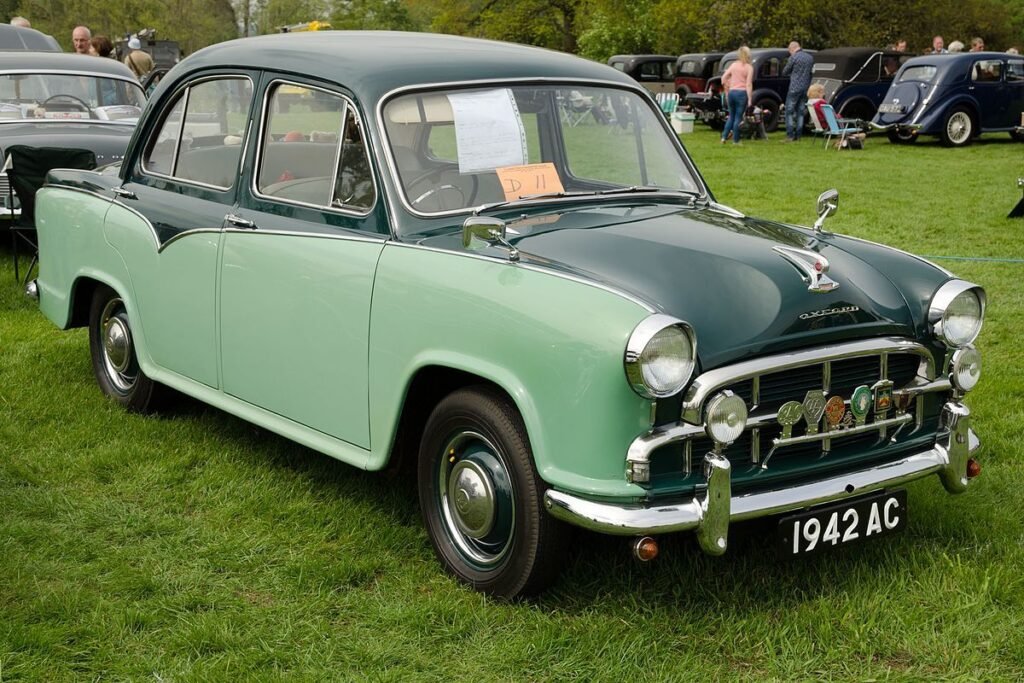
The Ambassador’s roots trace back to the Morris Oxford Series III, a British sedan introduced in 1956 by Morris Motors Limited. Designed during a time when reliability and comfort mattered more than speed or sharp styling, the Oxford featured rounded lines, a tall stance, and a soft suspension ideal for broken European roads recovering from war. Hindustan Motors, which had already been assembling Morris cars in India, acquired the rights to manufacture this model locally. In 1958, the Morris Oxford Series III was reborn in India as the Hindustan Ambassador.
While the Morris Oxford itself had a relatively short production life in the UK, being replaced by more modern designs, India’s road conditions, economic policies, and customer expectations allowed the Ambassador to thrive for nearly six decades with only incremental changes.
Early Years and the Petrol Era
The first Hindustan Ambassadors were powered by a 1.5-litre, four-cylinder petrol engine, derived directly from the Morris design. This engine produced around 55 bhp, paired with a 4-speed manual gearbox. While modest by modern standards, it delivered strong low-end torque, which suited Indian driving conditions extremely well. The car’s ladder-frame construction, rear-wheel-drive layout, and soft coil-spring suspension made it exceptionally durable on rough, unpaved roads.
In the 1960s and 1970s, the Ambassador was considered a premium family car. It offered generous interior space, a wide bench seat layout, and a boot large enough to swallow luggage for entire families. Its upright seating position and tall glass area gave excellent visibility, a trait inherited directly from the Morris Oxford.
Ambassador Mark Variants and Evolution
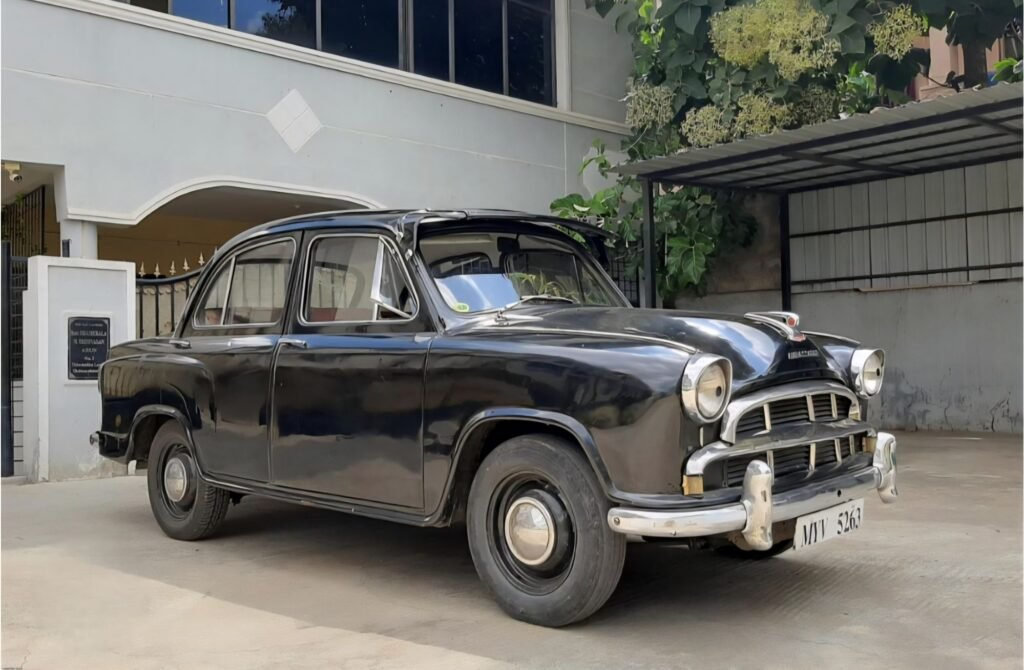
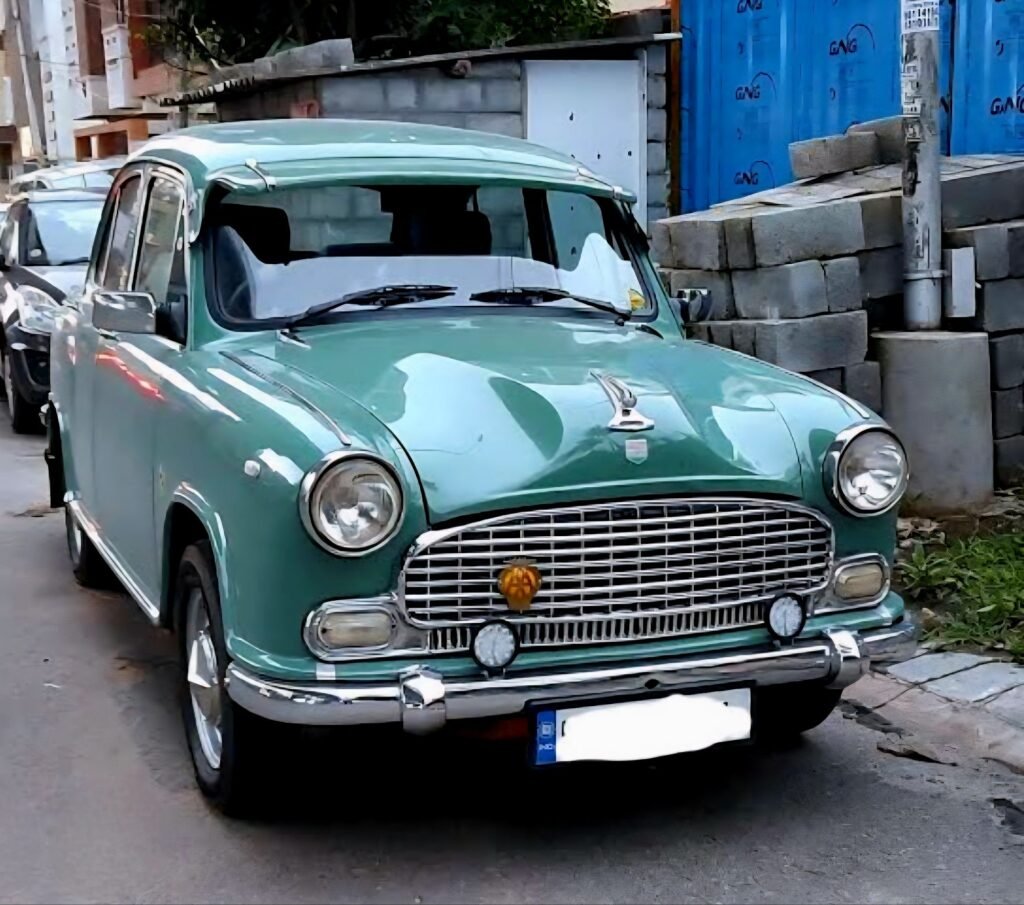
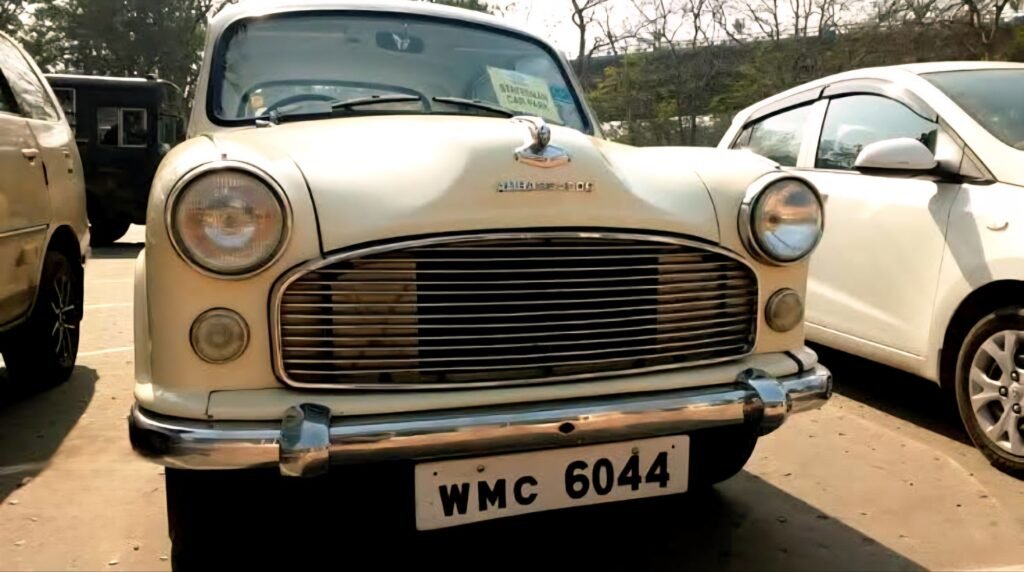
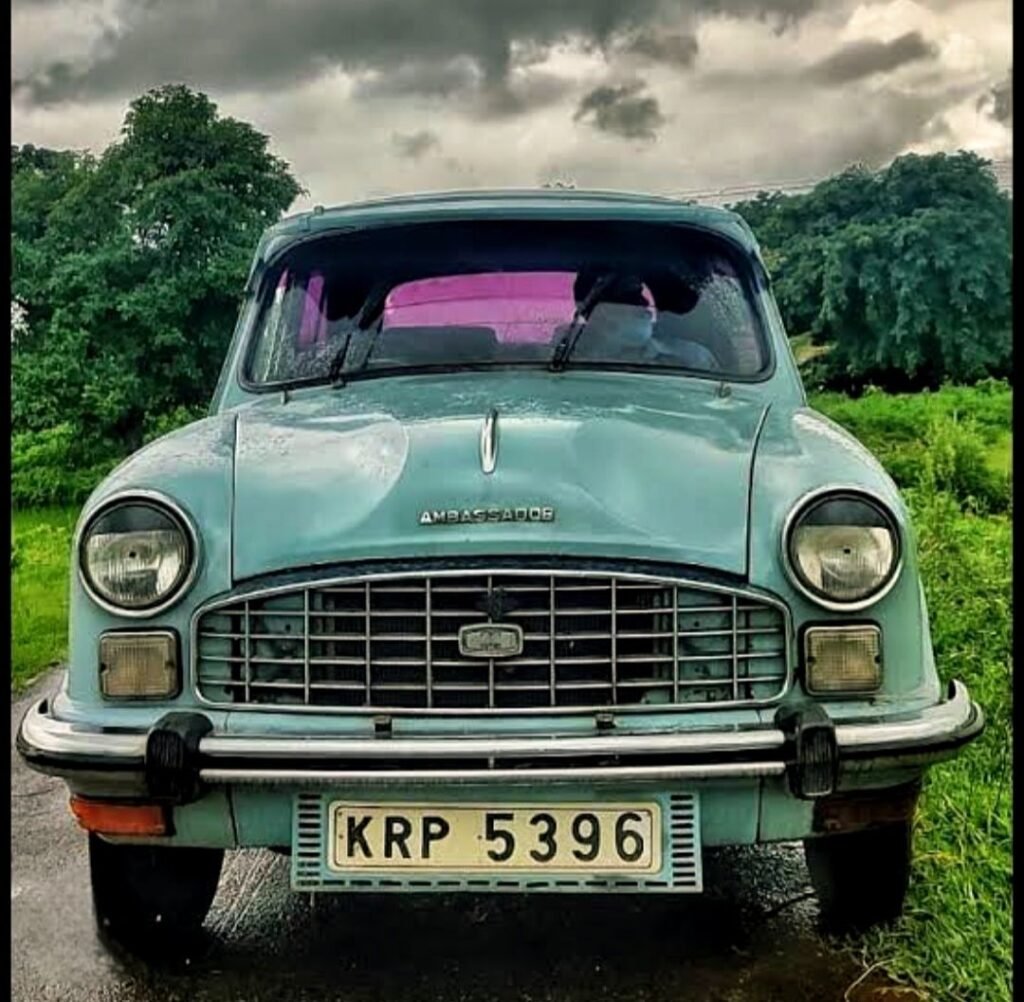
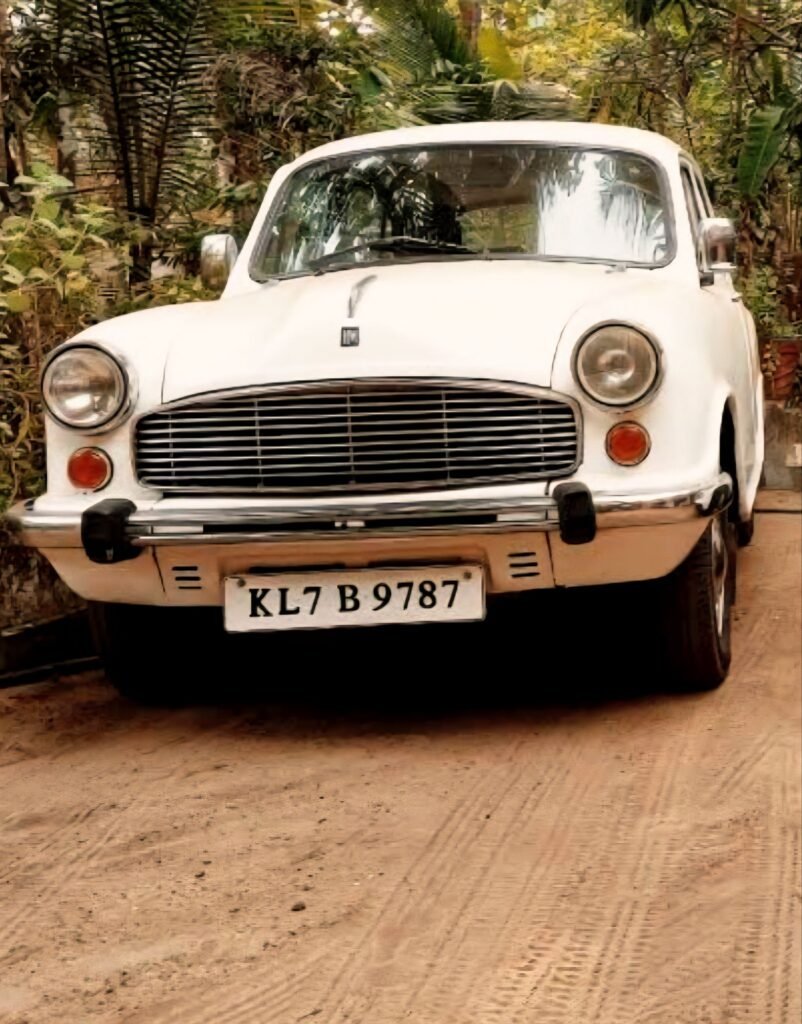
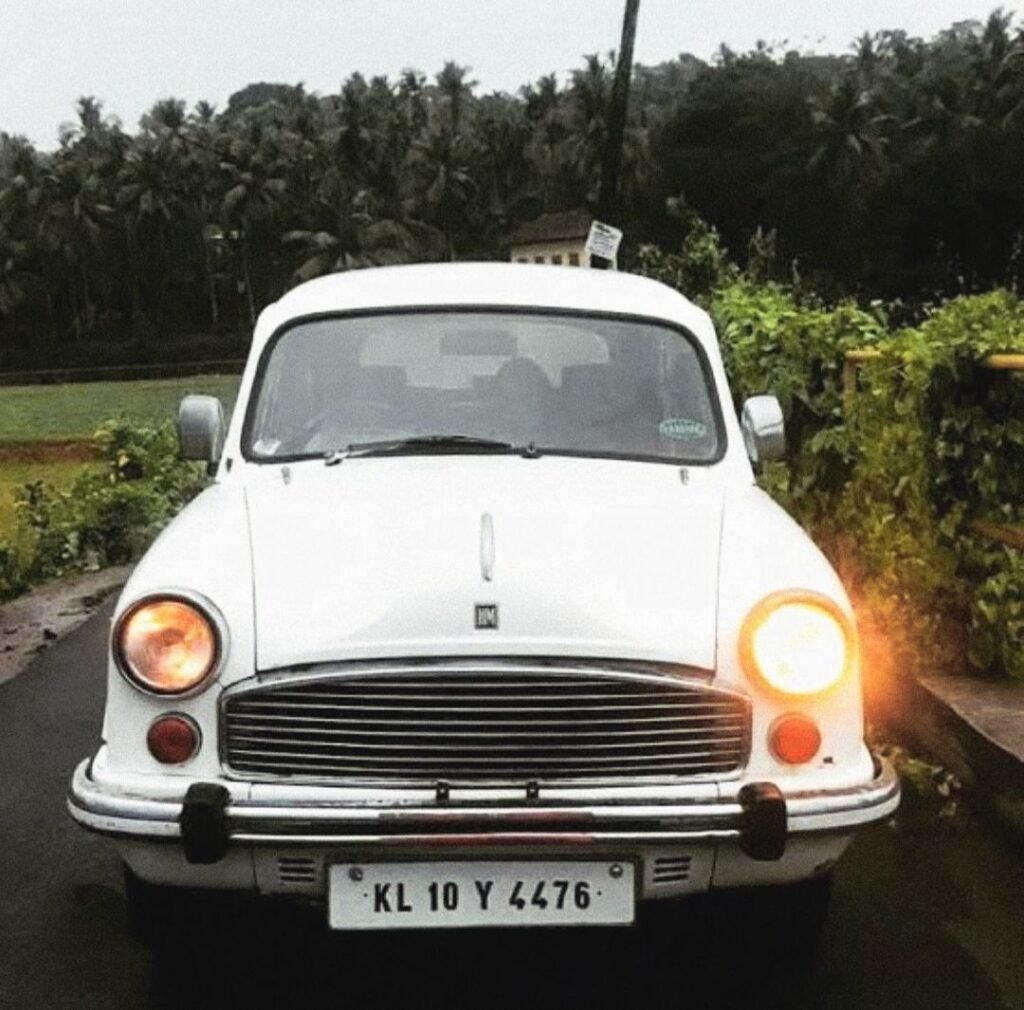
Over the years, Hindustan Motors introduced several Mark versions of the Ambassador, each reflecting minor improvements rather than radical redesigns. The Mark I, II, III, and IV differed mainly in grille designs, lighting elements, interior trim, and mechanical refinements. The overall body shape remained virtually unchanged, reinforcing the Ambassador’s instantly recognizable silhouette.
The Mark IV, introduced in the late 1970s, became one of the most widely seen versions. It featured a revised dashboard, better upholstery, and improved electrical systems. Despite these updates, the core engineering philosophy remained old-school and robust.
The Diesel Revolution: Ambassador 1500D and 1800D
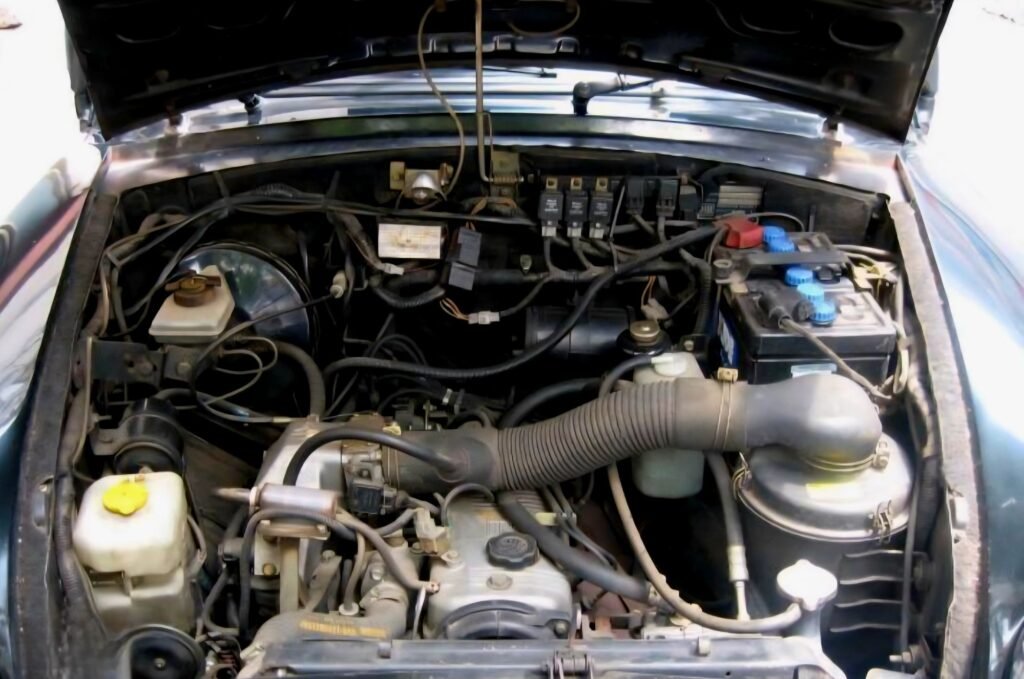
A major turning point in the Ambassador’s life came with the introduction of diesel engines, which cemented its dominance in the taxi and government sectors. The Ambassador 1500D used a 1.5-litre diesel engine, originally developed with British Leyland influence. Producing around 37 bhp, it was painfully slow but incredibly fuel-efficient and long-lasting.
Later, Hindustan Motors introduced the Ambassador 1800D, powered by a 1.8-litre diesel engine sourced from Isuzu. This engine produced approximately 52 bhp and significantly improved drivability while maintaining excellent fuel economy. The Isuzu diesel became legendary for its reliability, with many units running well beyond 5–7 lakh kilometres with basic maintenance.
These diesel variants made the Ambassador the default choice for Indian taxis, government fleets, and rural operators, where endurance mattered more than performance.
Deluxe, Nova, and Grand: Modernisation Attempts
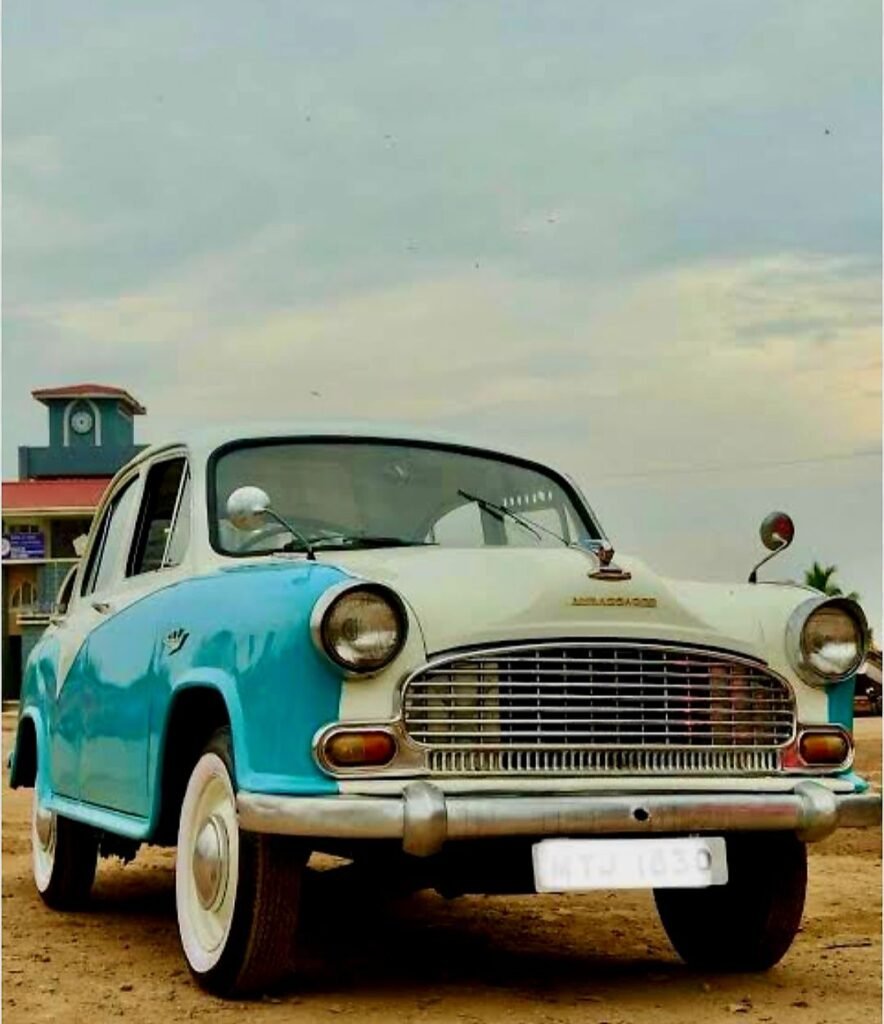
As the Indian automotive market opened up in the 1990s, the Ambassador faced serious competition from Maruti and later Hyundai. Hindustan Motors responded with updated variants like the Ambassador Deluxe, Ambassador Nova, and Ambassador Grand.
The Ambassador Nova featured improved interiors, better seat cushioning, and slightly refined steering and braking systems. The Ambassador Grand, introduced in the 2000s, attempted to modernize the car further with body-colored bumpers, improved cabin plastics, power steering, air conditioning, and optional power windows. Despite these upgrades, the underlying platform remained decades old, limiting its appeal to younger buyers.
Station Wagon and Pickup Versions
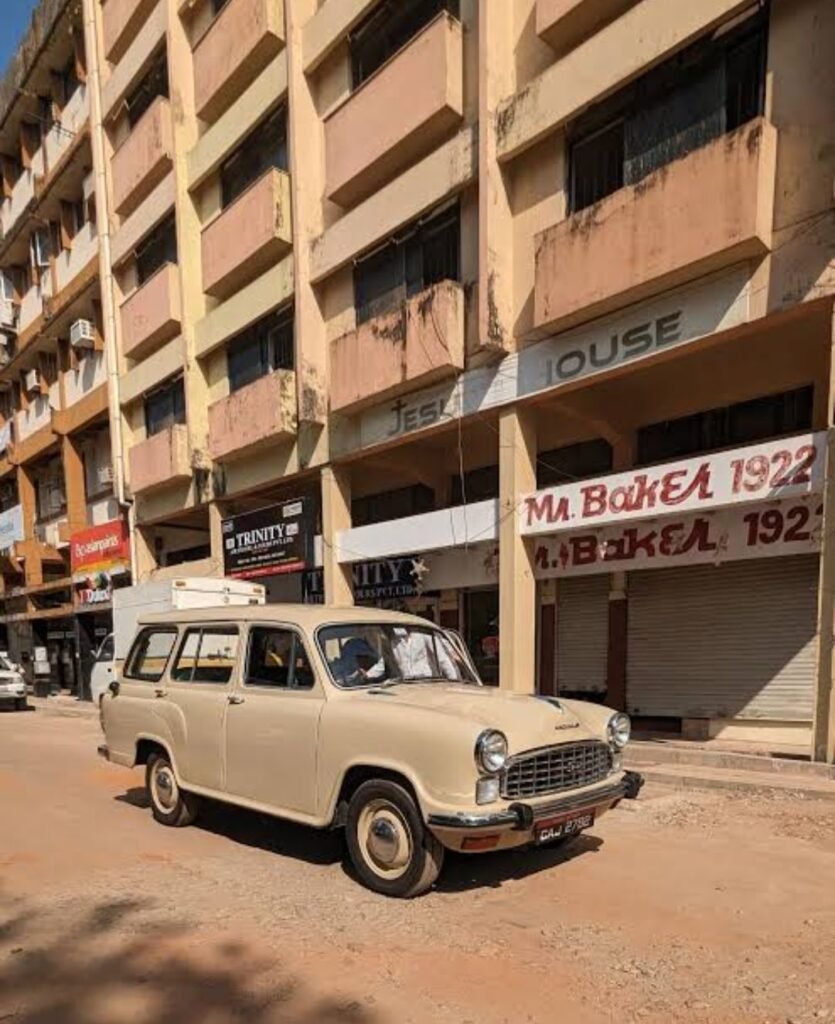
One of the lesser-known but highly practical versions of the Ambassador was the Ambassador Station Wagon. Built primarily for commercial and institutional use, the station wagon featured an extended rear section with a flat cargo floor. It was commonly used as an ambulance, postal vehicle, police transport, and utility vehicle, thanks to its ability to carry heavy loads over rough terrain.
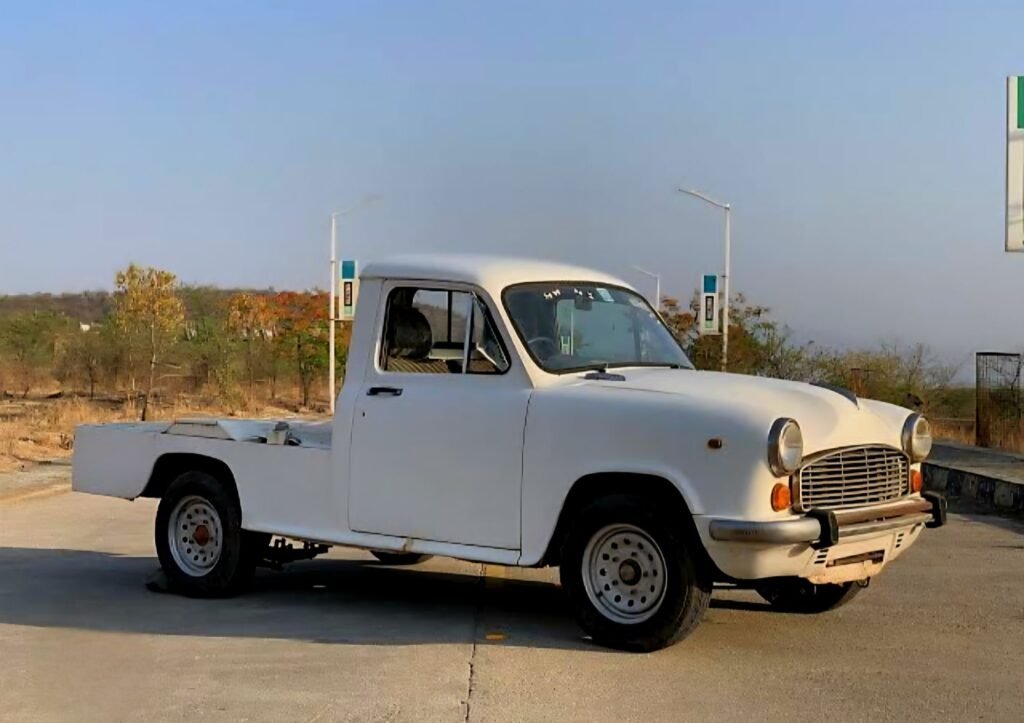
The Ambassador Pickup was another utilitarian variant, featuring an open cargo bed at the rear. These pickups were especially popular in semi-urban and rural areas, where they served as goods carriers, municipal vehicles, and workshop transport. Mechanically identical to the sedan, these variants showcased the platform’s versatility and ruggedness.
Ambassador and Indian Politics
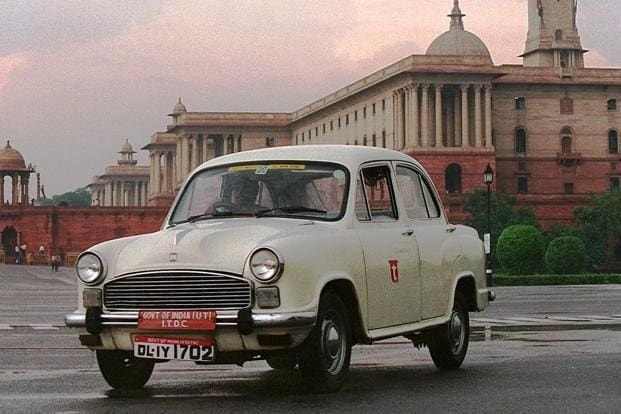
No discussion of the Ambassador is complete without mentioning its deep association with Indian politics. For decades, it was the official car of MPs, MLAs, IAS officers, and ministers. A convoy of white Ambassadors with red or blue beacons became synonymous with power and authority. This political patronage ensured continued production even when the car was technologically outdated.
Decline and End of Production
Despite its legendary status, the Ambassador could not survive the rapid modernization of the Indian automobile industry. Stricter emission norms, safety regulations, and changing consumer expectations eventually caught up. Production officially ended in 2014, marking the end of an era.
Interestingly, the Ambassador brand name was later acquired by Peugeot (Stellantis), hinting at a possible revival, though the original car remains a relic of a bygone age.
Legacy: More Than Just a Car
The Hindustan Ambassador was never about speed, luxury, or innovation. It was about endurance, familiarity, and trust. It carried generations of Indians through weddings, funerals, protests, emergencies, and everyday life. Like the Premier Padmini, it reflects a time when cars were built to last rather than impress.
In many ways, the Ambassador was not just inspired by the Morris Oxford — it outlived it, outgrew it, and became something uniquely Indian.