About the celebration
What to expect
The anniversary of the 1948 end of the Nizam’s rule, observed under different names and with different memories.
17 September marks the end of the Nizam's rule over Hyderabad in 1948 and its integration into India, an anniversary observed under different names and with different memories. Governments, parties and communities variously call it Liberation Day, National Integration or Unity Day, Merger Day or a day of people's rule. The choice of name often reflects a view of what happened, which makes this one of the most thoughtful and sensitive dates in the calendar of the region.
When India became independent in August 1947, the Nizam sought to keep Hyderabad, then one of the largest princely states, separate from both India and Pakistan. A standstill agreement was signed in November 1947 to maintain existing arrangements while talks continued. Tension grew. On 13 September 1948 Indian forces moved into the state in Operation Polo, officially described as a police action, and on 17 September the Nizam announced a ceasefire. Hyderabad was then brought into the Indian Union.
The months around the operation saw great suffering. There was violence by the Razakar militia, an armed peasant uprising in rural Telangana against feudal oppression and severe reprisals during and after the military action. Official era estimates cited for deaths run to about twenty seven thousand to forty thousand, while some observers have put them at two hundred thousand or more. These figures remain a matter of historical discussion. The day is therefore an occasion to remember all who suffered, of every community, and to value peace.
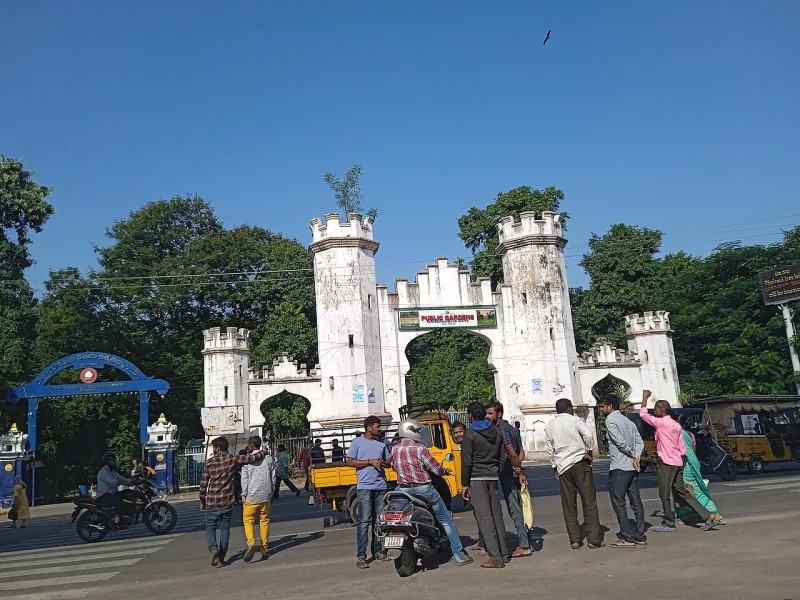
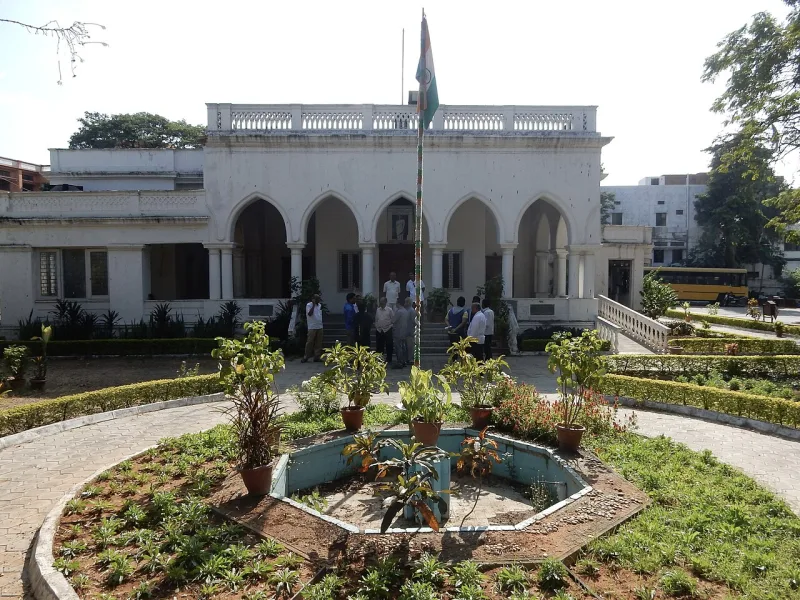
Today the observances include flag hoisting, official or party functions, public meetings, exhibitions, talks and discussions of the events of 1948. The Public Gardens and other central places are linked with such programmes. Some people honour freedom fighters and villagers who resisted oppression; others emphasise national unity; others recall losses suffered in the violence that followed. A visitor may hear quite different accounts in the course of a single day.
Reading more than one account is the best preparation. Look for the work of historians who draw on documents and survivor testimony, and be cautious about messages that blame a whole community for the acts of particular armed groups or authorities. Teachers may use the date to help students consider how history is written and why memory differs.
Because the day is politically sensitive, expect rallies, security arrangements and traffic restrictions. Check the news and police advisories, avoid large gatherings if you feel uncomfortable and do not enter restricted areas. Follow the instructions of officials. Speak carefully when discussing the events, listen with respect and avoid provocative slogans or gestures. Ask before photographing people, and think before sharing images or claims online that you cannot verify.
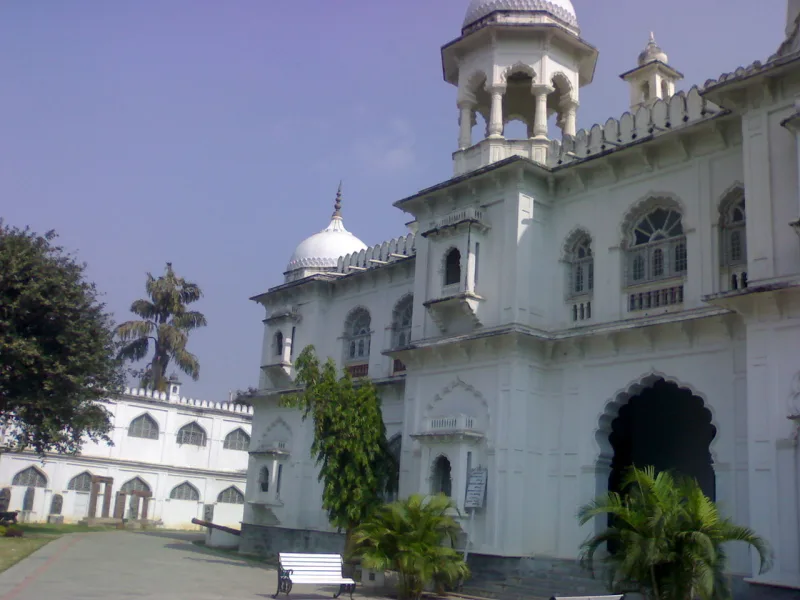
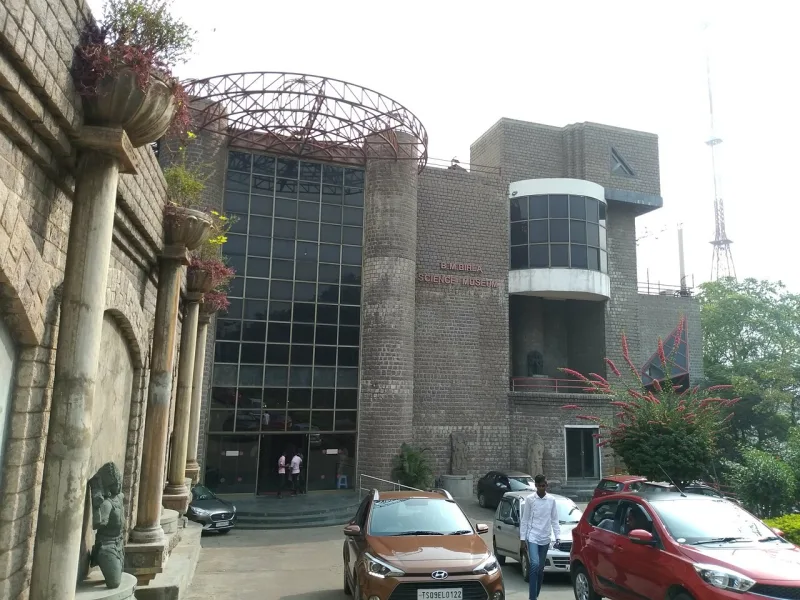
If you prefer a reflective visit, spend time at museums and heritage places that reveal the world of the old state, such as Chowmahalla Palace, the Nizam's Museum, the State Archaeology Museum and the British Residency by booking. Each shows a different side of Hyderabad's political and social past. Public libraries and cultural centres may hold exhibitions or lectures around the date. Families who have older relatives with memories of that period may find the day a fitting time to listen to them, patiently and without argument, and to record what they remember.
September is usually warm with possible monsoon rain, so carry an umbrella and water. Public transport, including the metro, is useful where road diversions are in force. Opening arrangements at institutions can change on official occasions, so confirm in advance. The anniversary invites neither simple celebration nor silence, but understanding. A city that has grown into a meeting place of many communities benefits when its residents and visitors remember the past honestly, mourn the innocent who lost their lives and carry forward a commitment to live together in justice and goodwill under the law of a shared republic.
- Flag hoisting and public meetings
- Exhibitions and discussions of 1948
Origin and history
After independence the Nizam sought to keep Hyderabad separate and signed a standstill agreement in November 1947. Indian forces moved in on 13 September 1948 in Operation Polo, officially a “police action”, and the Nizam announced a ceasefire on 17 September.
Stories worth knowing
The human cost
The months around the operation saw violence by the Razakar militia, an armed peasant uprising in Telangana and severe reprisals. Official-era estimates cited for deaths run to about 27,000 to 40,000, while some observers put them at 200,000 or more. The day is an occasion to remember all who suffered, of every community.
Visitor tips
- A politically sensitive day: expect rallies and security
- Read more than one account
Sources
Where the details on this page come from. Timings, fees and phone numbers change, so confirm them before you travel.