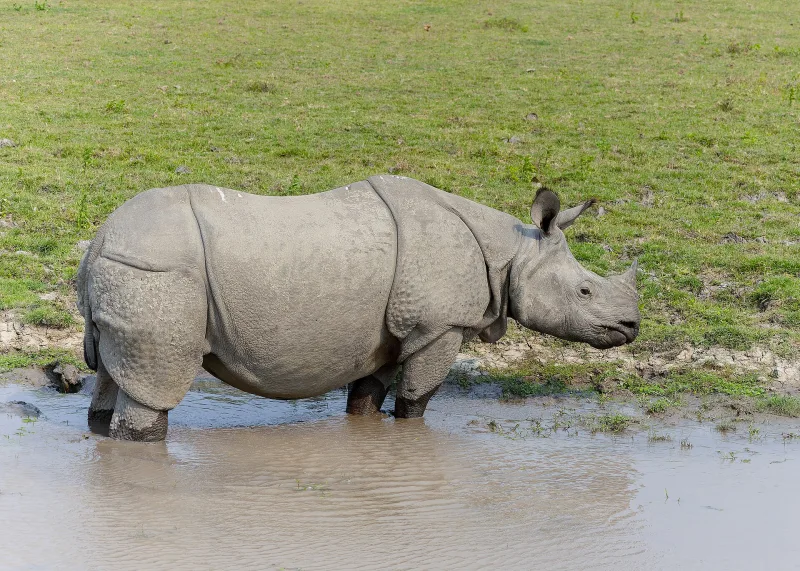
Photo: Vikramjit Kakati · CC BY-SA 4.0
Photo: DEBA PRASAD ROY · CC0
Photo: Avantikac98 · CC BY-SA 4.0
Photo: Aravind Manickam · CC BY-SA 4.0
Photo: DEBA PRASAD ROY · CC0

Cultural event Starts in 4 days

Hornbill Festival

Kisama Heritage Village, Kohima, Nagaland

1 Dec 2026 – 10 Dec 2026

Dance, music, craft and food of the Naga tribes at Kisama Heritage Village.
When
1 Dec 2026 – 10 Dec 2026
Where
Kisama Heritage Village, Kohima, Nagaland

About the celebration

What to expect

Dance, music, craft and food of the Naga tribes at Kisama Heritage Village.
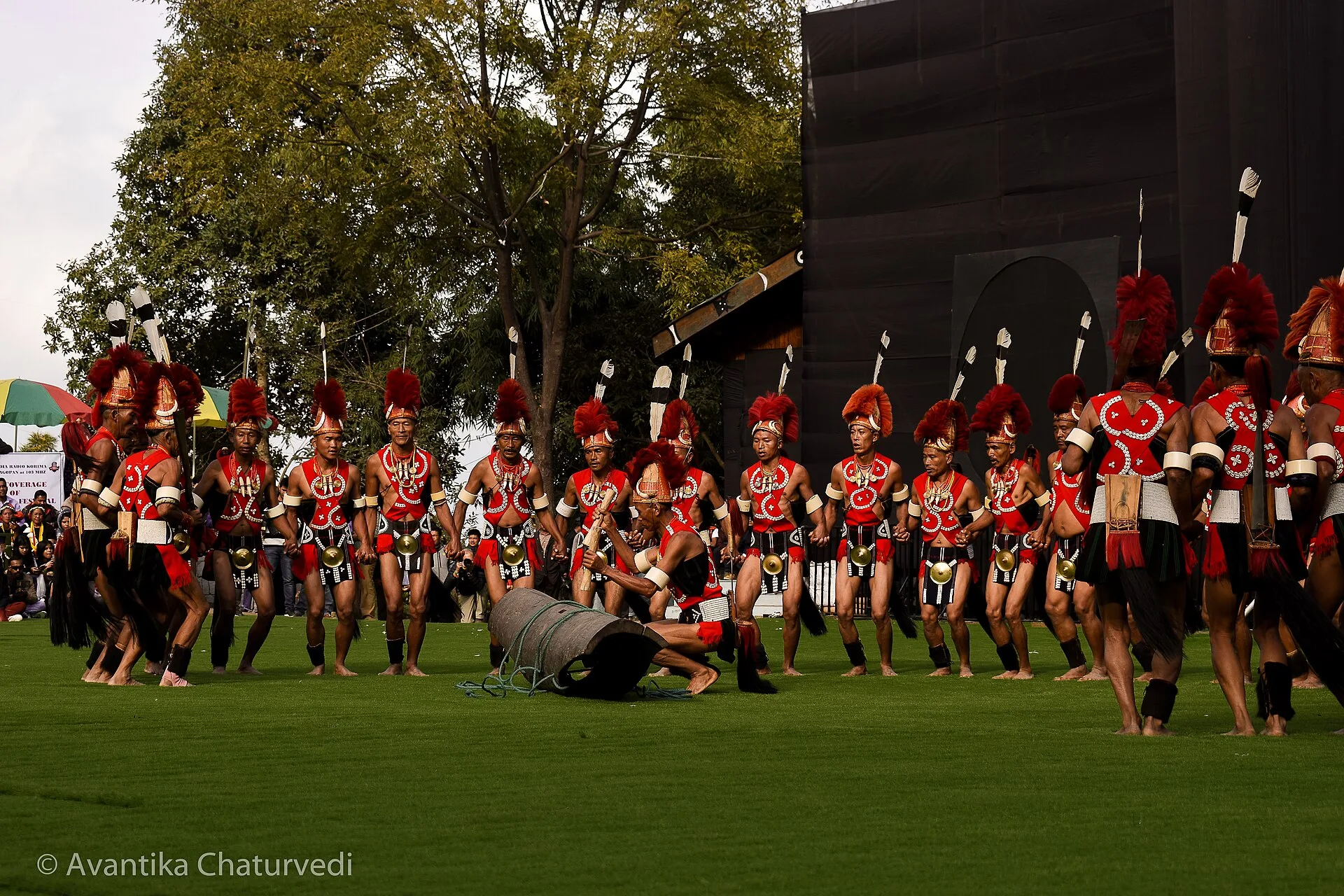
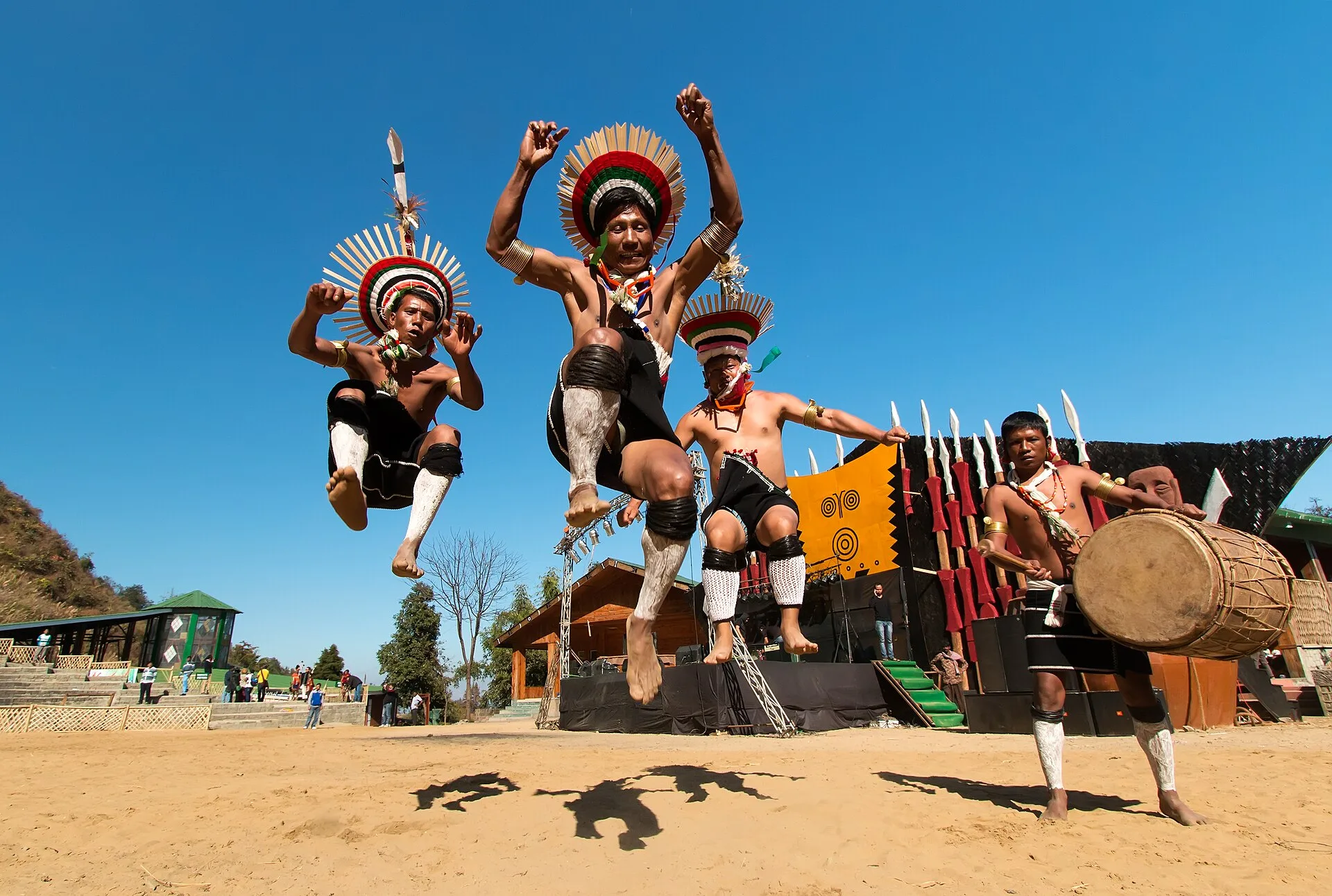
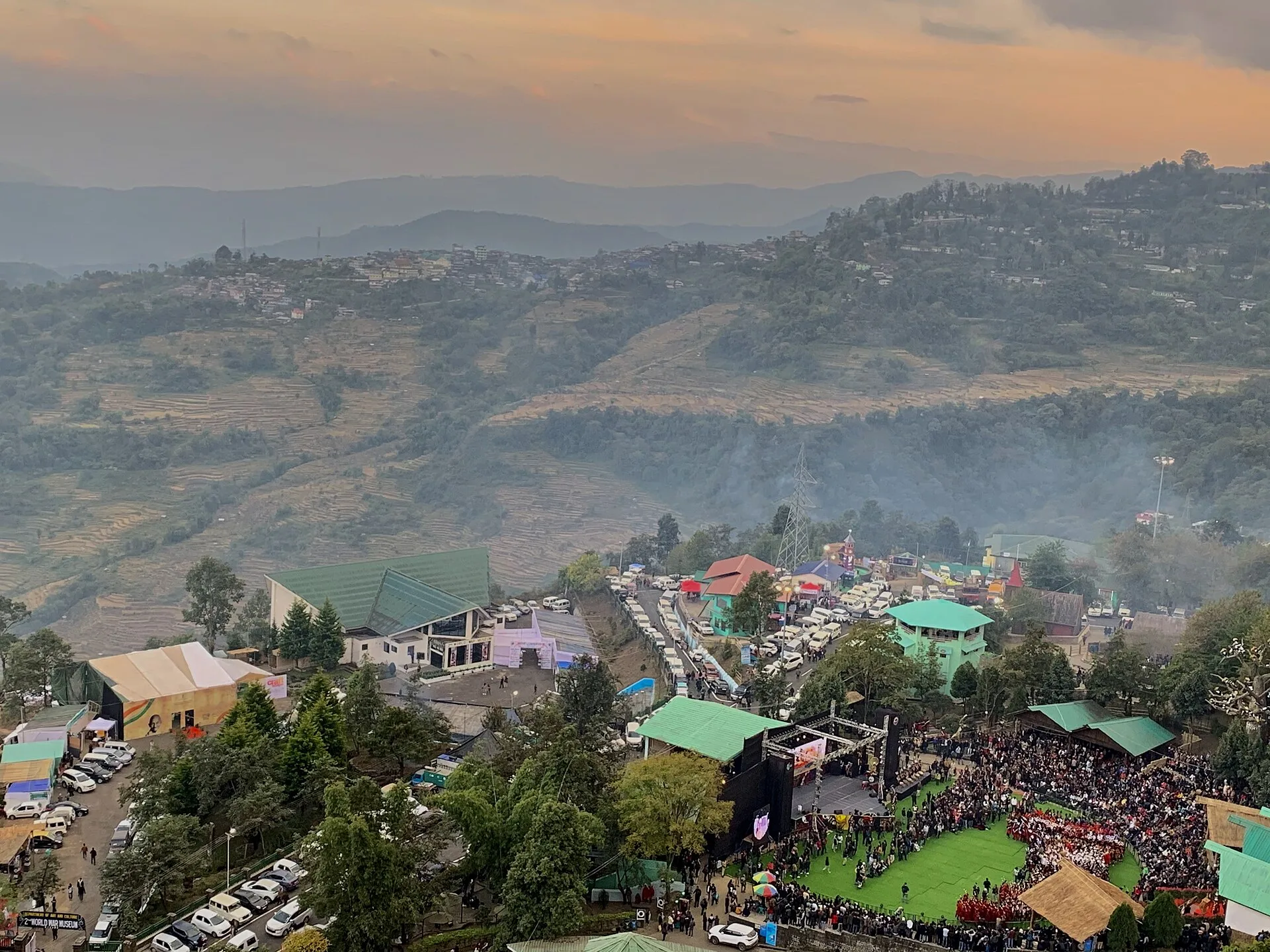
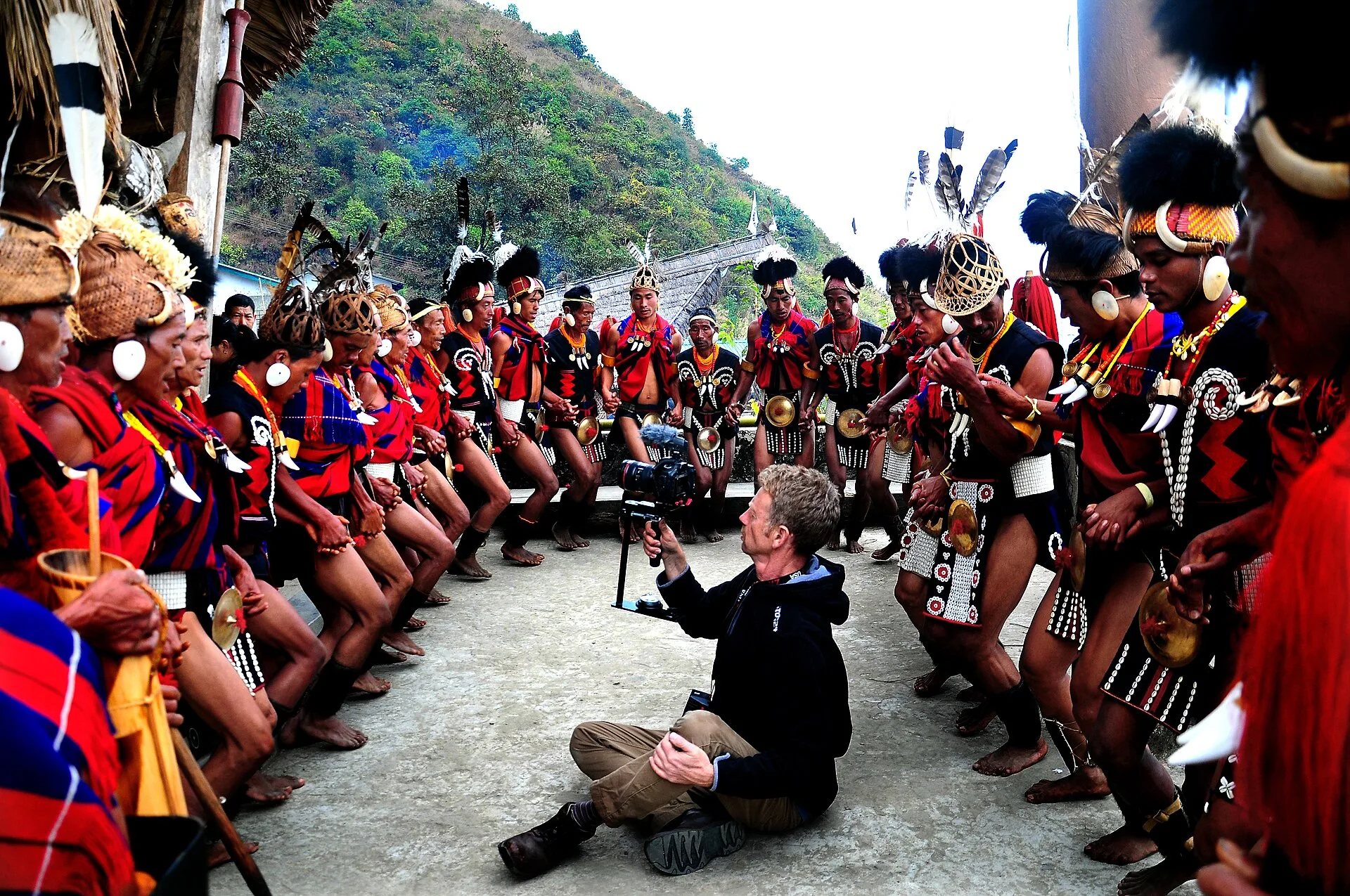
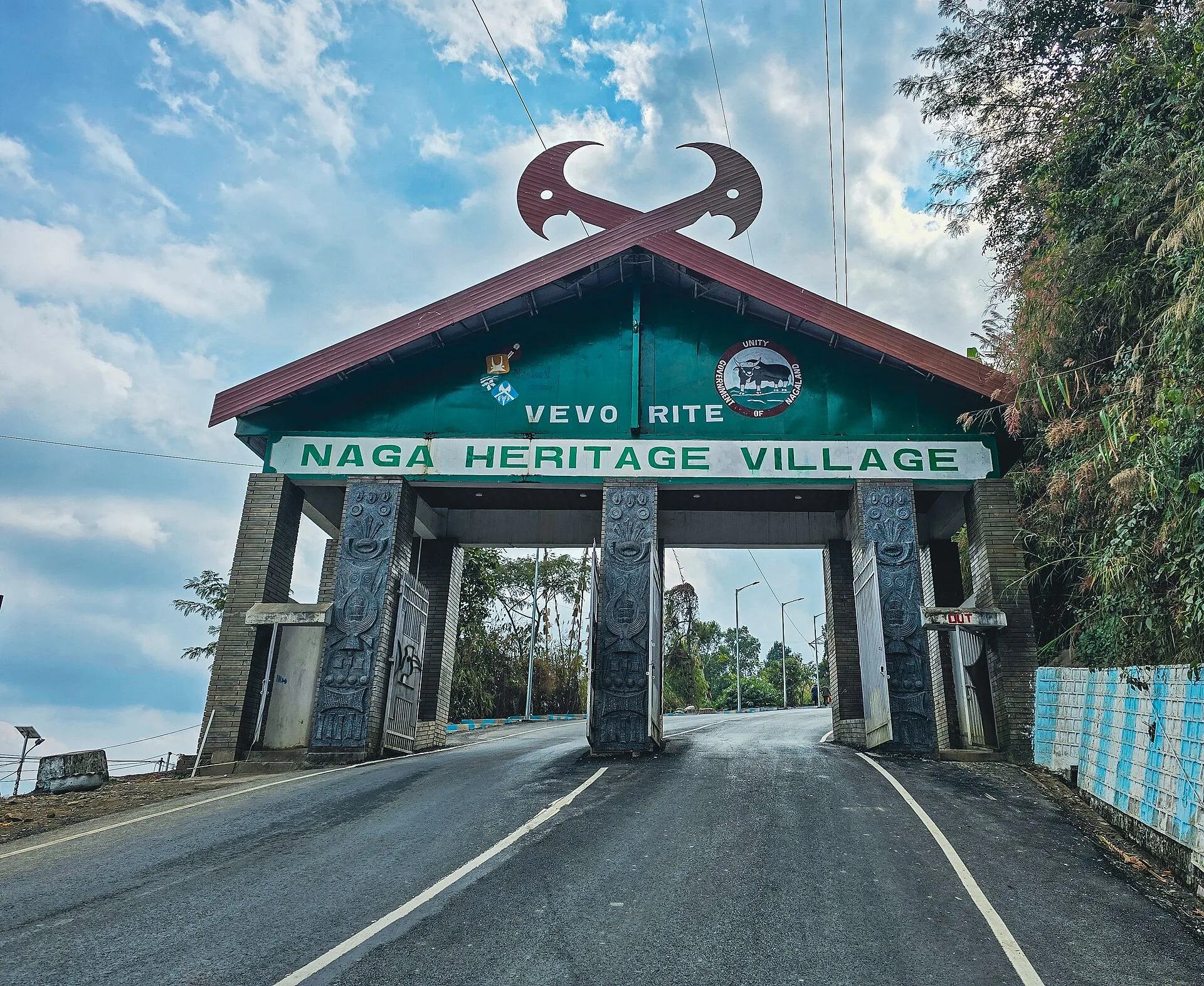
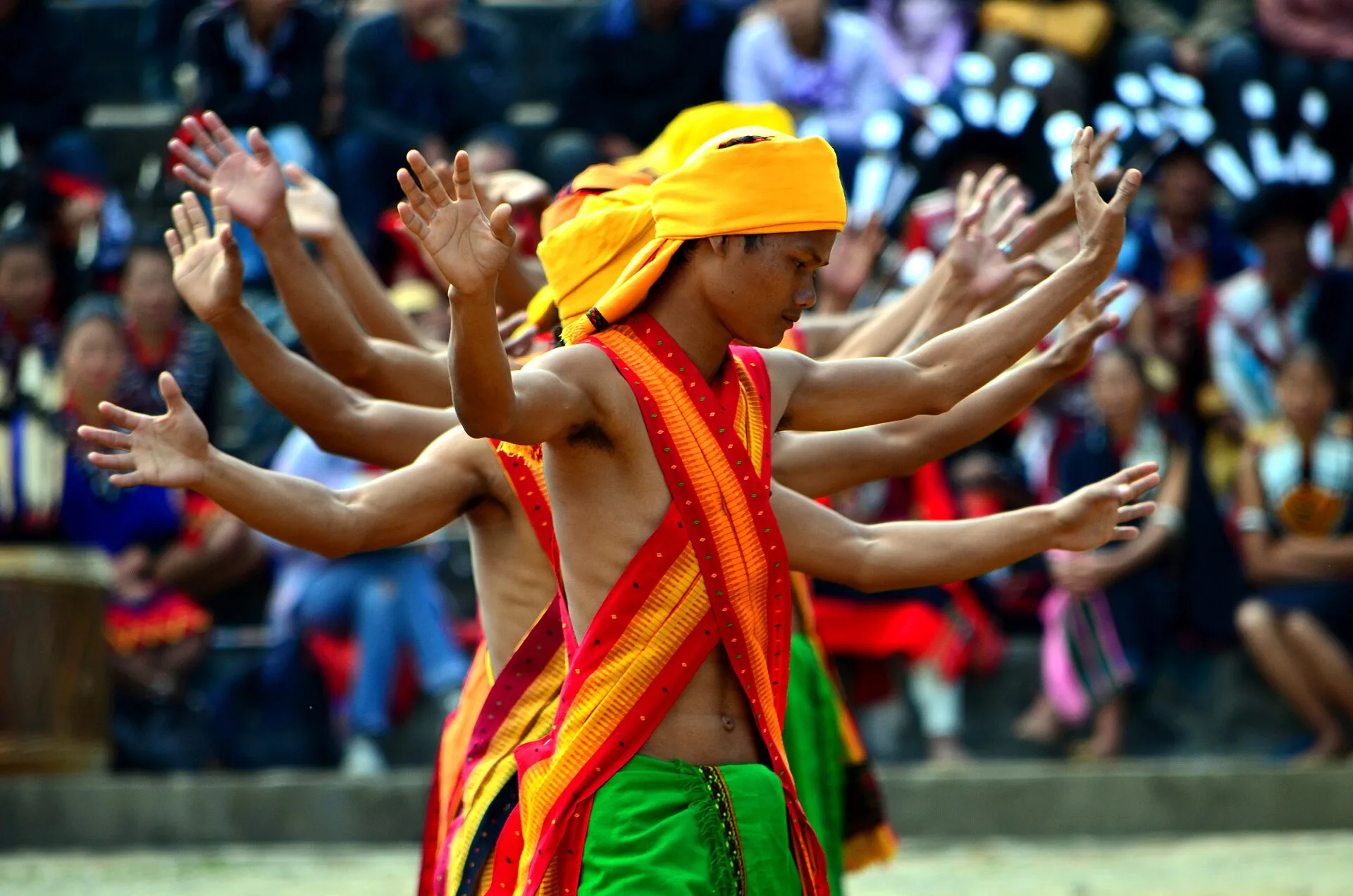
The Hornbill Festival brings the Naga tribes together at Kisama Heritage Village near Kohima to share dance, music, craft, games and food. Held in early December and often called the festival of festivals, it offers in one place a view of a cultural richness that would otherwise take many journeys across the hills of Nagaland to discover. The festival is named after the hornbill, a bird admired for its dignity and prominent in the songs, ornaments and stories of many Naga communities. The Government of Nagaland began the festival in 2000 to encourage the meeting of communities, to preserve traditions and to welcome visitors. It opens around 1 December, which is also the day on which the state marks its formation, and runs for about ten days. Many Naga festivals are tied to the farming calendar and held in individual villages at different seasons; Hornbill gives their performers a shared stage during the cool, clear weeks after the harvest. Kisama Heritage Village, a short drive from Kohima, is laid out on slopes around an open arena. Around it stand morungs, built in the manner of the traditional dormitory houses where young people once learned the history, skills and values of their community. Each morung represents a tribe, with its own carvings, symbols and architecture, and visitors can walk from one to the next, sit by the hearth and speak with hosts. Many serve dishes from their own kitchens, such as smoked meats, bamboo shoot preparations, sticky rice, fermented flavours and the fiery local chillies for which the region is known. The daytime programme in the arena is the festival's centrepiece. Troupes in full traditional dress, with woven shawls, beads, shell ornaments, feathers and headgear, perform dances and songs connected with harvest, courtship, bravery and community work. Log drums sound across the hillside, and demonstrations show games and sports such as wrestling and contests of strength and agility. Because dress and ornament carry meaning about identity and achievement, it is worth listening to the announcements and asking performers politely about what they wear. Beyond the arena there are stalls of handicrafts and handloom, displays of horticulture and flowers, food courts and exhibitions. Weavers show the patterns that distinguish different tribes, and woodcarvers, basket makers and blacksmiths display their work. Eating contests, photography events and other activities are often added to the programme. In the evenings, music takes over, with concerts by bands and singers from Nagaland and elsewhere, a reminder of how strongly contemporary music is loved in the state. Near Kisama, a museum recalls the fighting around Kohima in the Second World War, and the war cemetery in town is a place of quiet remembrance. Check the current entry requirements before you travel. Indian citizens from outside the state generally need an Inner Line Permit to enter Nagaland, and visitors from other countries should confirm the registration rules that apply to them. Official channels publish the programme, ticket arrangements and any changes for the year. Rooms in Kohima fill early, so book well ahead; homestays and tented camps offer further choice. Evenings in the hills are cold, so pack warm layers, along with comfortable shoes for uneven ground, sun protection for bright afternoons and some cash. Roads between Kohima and Kisama grow crowded, and starting early saves time. Ask before taking close portraits, do not touch ornaments or ceremonial objects without permission, taste unfamiliar dishes with care if you are sensitive to spice, and help to keep the grounds free of litter. The nearest airport and major railway station are at Dimapur, from where the road climbs to Kohima. Allow at least two days at the festival so that you can watch the performances without rushing, visit several morungs and enjoy an evening concert. If time permits, travel onward to nearby villages with a local guide, who can explain how the traditions presented on the stage continue in everyday life.
  • Traditional dances in full dress
  • Morungs serving tribal cuisine
  • Craft and horticulture stalls
  • Evening music concerts

Photos (6)

Photo credits
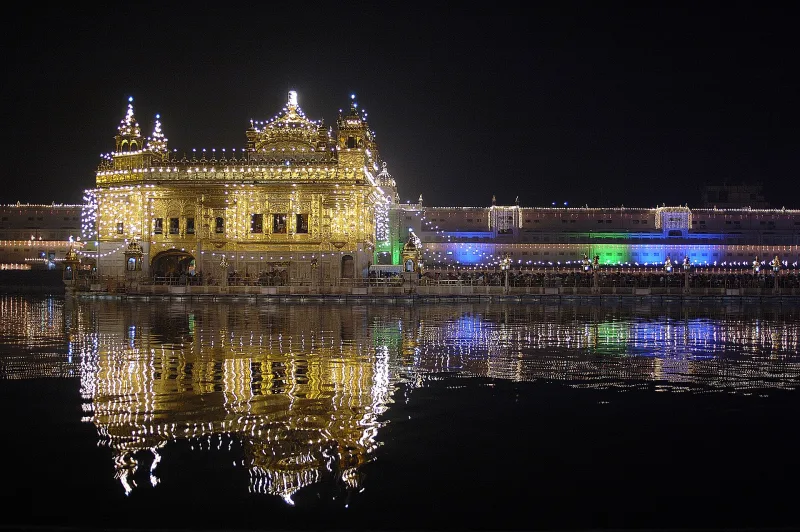
  1. Photo: Vikramjit Kakati · CC BY-SA 4.0 · Source
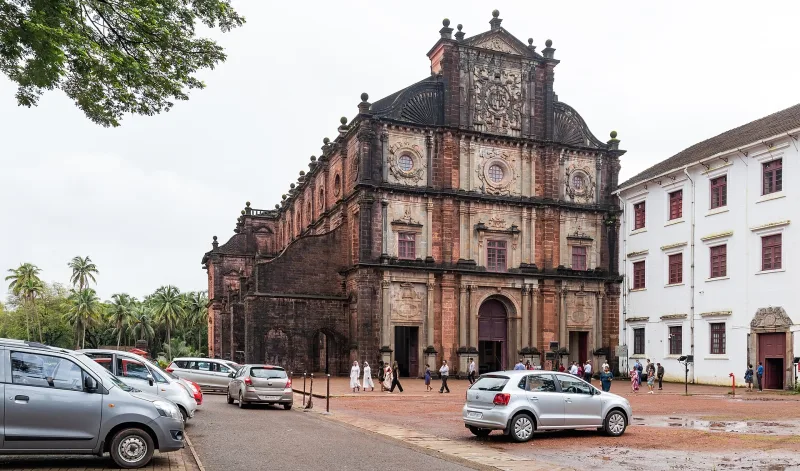
  2. Photo: DEBA PRASAD ROY · CC0 · Source
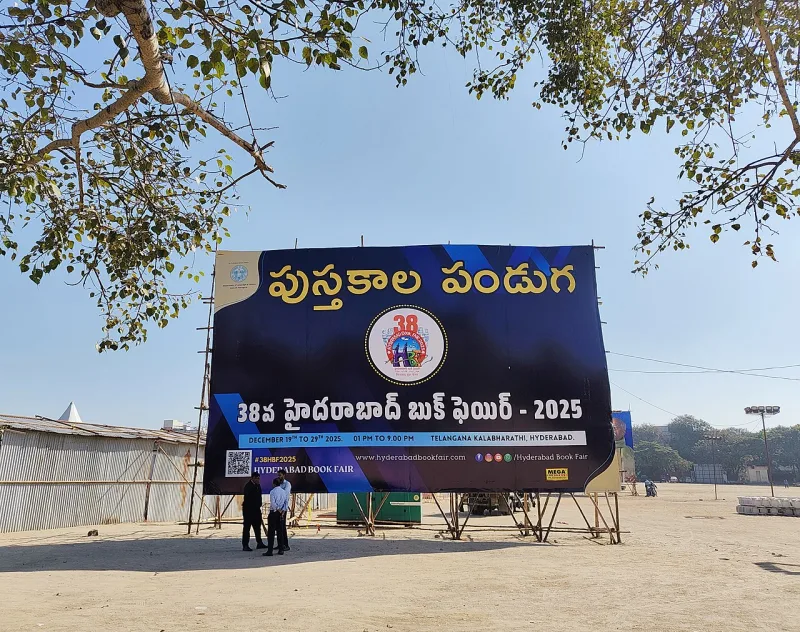
  3. Photo: Avantikac98 · CC BY-SA 4.0 · Source
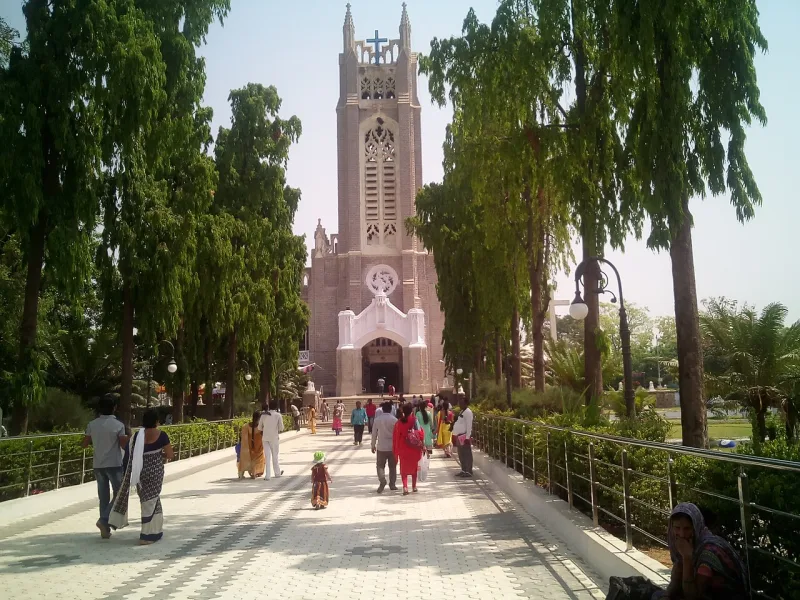
  4. Photo: Aravind Manickam · CC BY-SA 4.0 · Source
  5. Photo: DEBA PRASAD ROY · CC0 · Source
  6. Photo: JyotiPN · CC BY-SA 4.0 · Source

Visitor tips

  • Check whether you need a permit to enter Nagaland
  • Book rooms early
  • Evenings in the hills are cold

Getting there

Kisama is a short drive from Kohima. The nearest airport and major railway station are at Dimapur.

Open directions in Google Maps

Nearest places to Hornbill Festival

Distances are in a straight line from Kisama Heritage Village; travel by road is longer.

Places near me