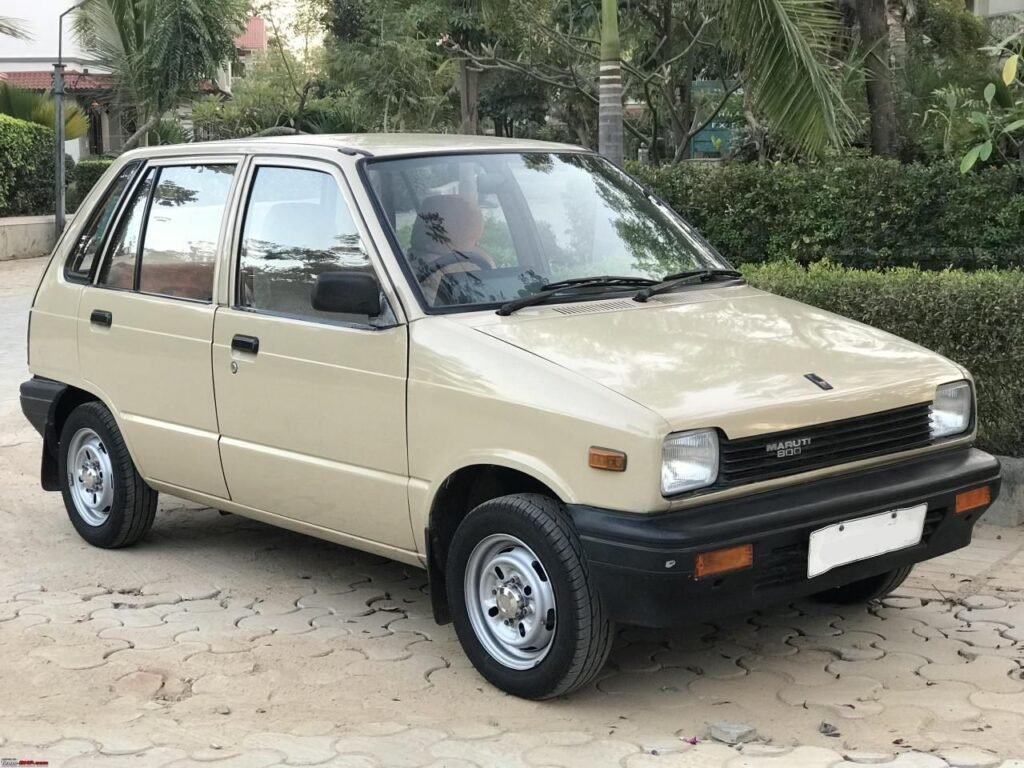
If the Hindustan Ambassador symbolized authority and the Premier Padmini represented aspiration, the Maruti 800 symbolized freedom. More than any other car in Indian history, the Maruti 800 reshaped how the country moved, thought about cars, and even dreamed of owning one. It was not merely a successful automobile; it was a national transformation project on four wheels.
Before the Maruti 800, car ownership in India was rare, slow, and bureaucratic. Waiting periods stretched into years, technology lagged decades behind global standards, and fuel efficiency was an afterthought. The arrival of the Maruti 800 in the early 1980s shattered all of that in one decisive stroke.
The Political and Industrial Background
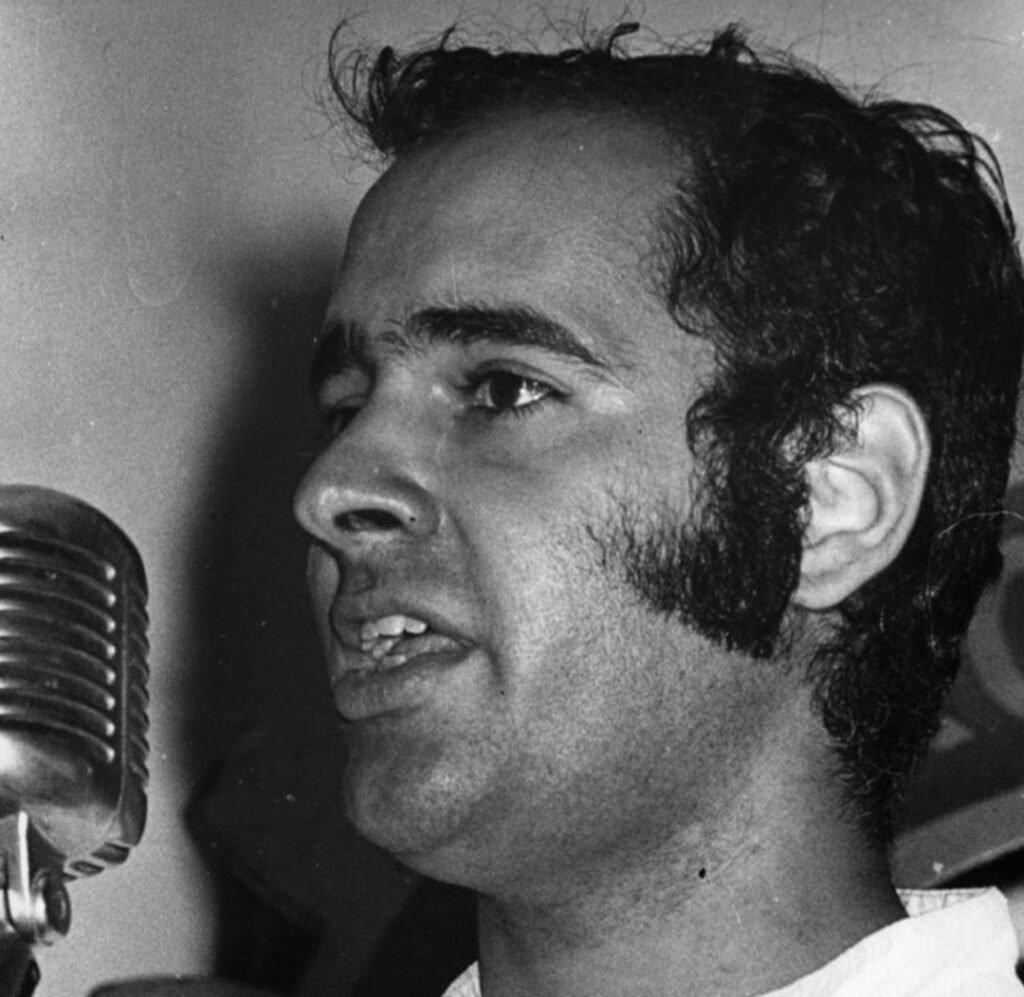
The Maruti story began not in a factory, but in the Indian Parliament. In the late 1970s, Sanjay Gandhi envisioned a small, affordable, modern car that could be mass-produced for the Indian middle class. This vision led to the formation of Maruti Udyog Limited in 1981, a government-backed enterprise.
Recognizing India’s lack of modern automotive expertise, the government sought foreign collaboration and found a willing partner in Suzuki Motor Corporation of Japan. Suzuki brought technology, manufacturing discipline, and small-car expertise, while India provided scale and market access. This Indo-Japanese partnership would go on to become one of the most successful automotive collaborations in the world.
Origins: Suzuki Fronte and the SS80
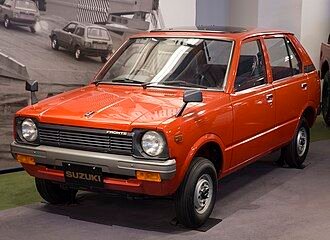
The first Maruti 800, launched in 1983, was based on the Suzuki Fronte SS80, a compact hatchback designed for Japanese kei-car sensibilities but adapted for Indian conditions. From the start, the car looked radically modern compared to the boxy Ambassadors and rounded Padminis. It was short, light, aerodynamic, and purpose-built for efficiency.
This design philosophy alone made the Maruti 800 feel like a car from the future.
Engine and Mechanical Specifications (Early Models)
The original Maruti 800 was powered by a 796 cc, three-cylinder, carbureted petrol engine, mounted transversely at the front. This engine produced approximately 37 bhp and was paired with a 4-speed manual gearbox, driving the front wheels.
While these numbers seem modest today, the car’s light kerb weight of around 650 kg made it surprisingly peppy in city traffic. More importantly, it delivered excellent fuel efficiency, often exceeding 18–20 km/l, which was revolutionary in 1980s India.
The front-wheel-drive layout improved interior space and handling, while independent front suspension and rack-and-pinion steering offered car-like driving dynamics that Indians had never experienced before.
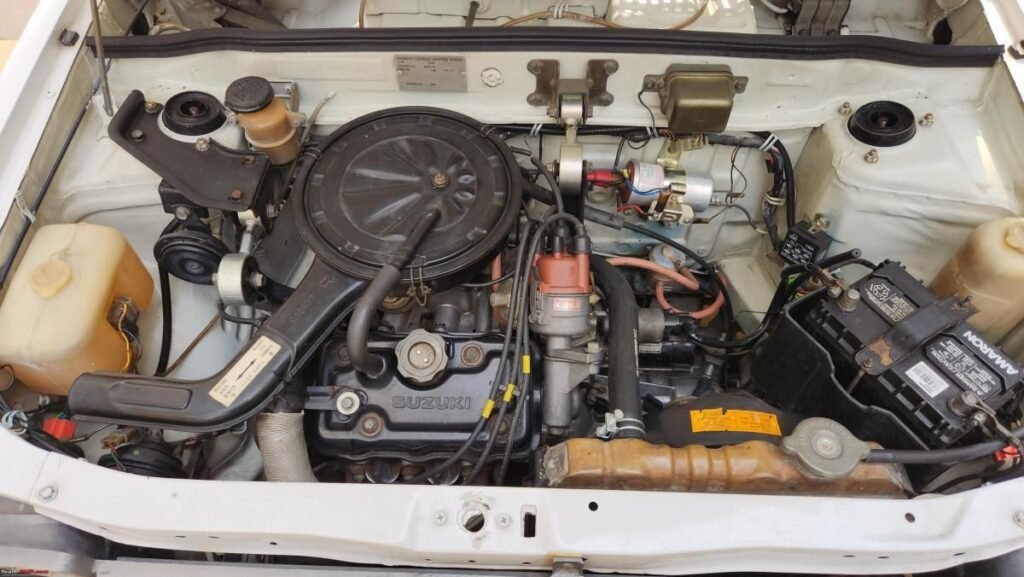
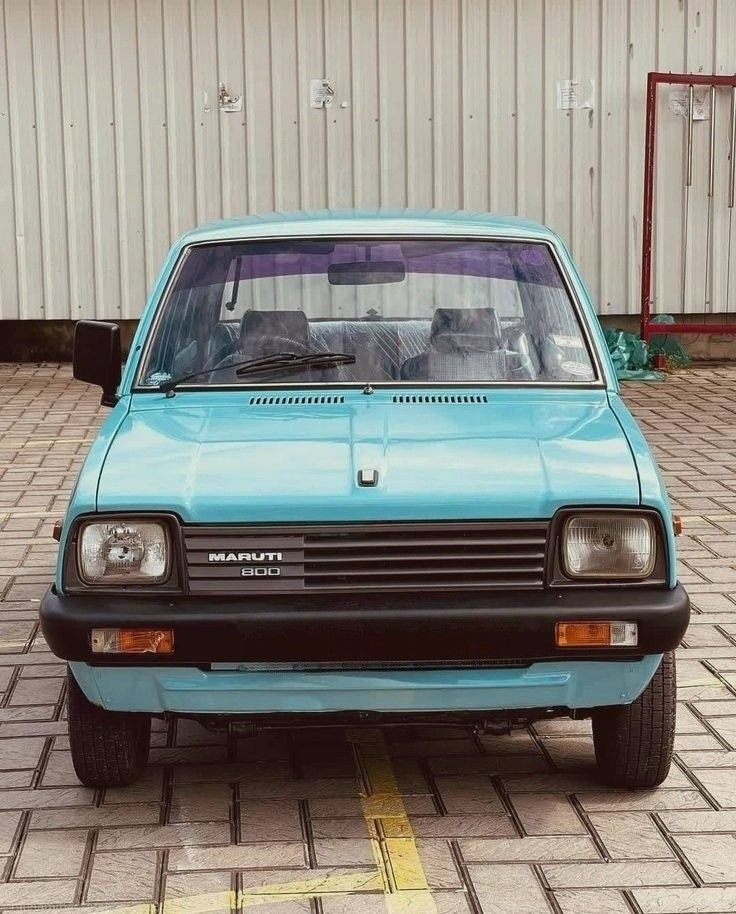
Maruti 800 SS80 (1983–1986)
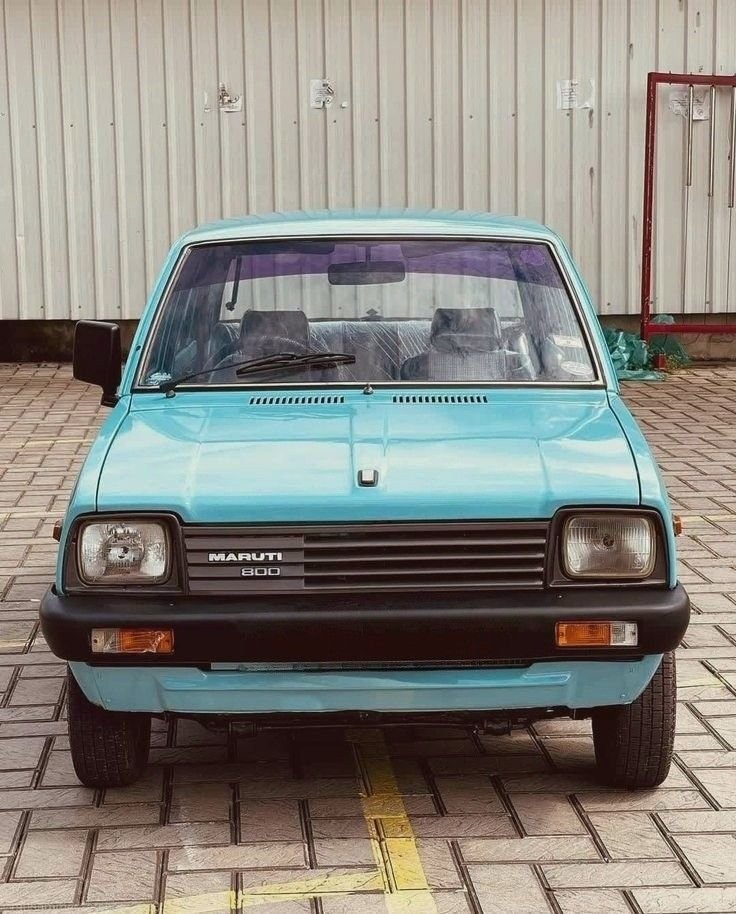
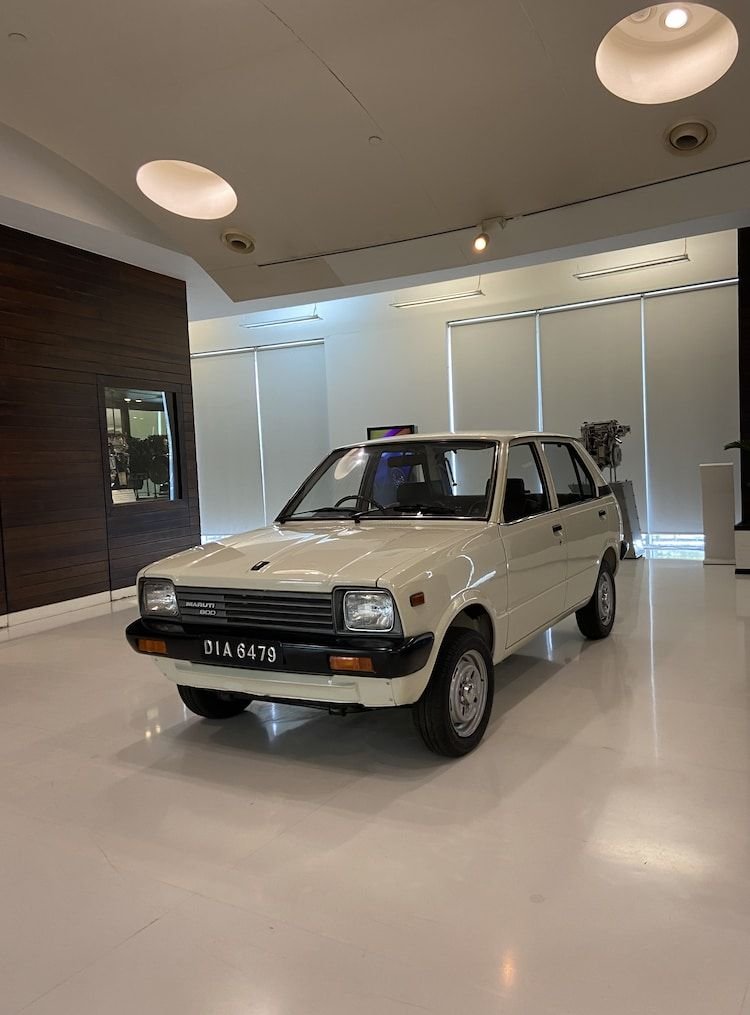
The earliest version, now known as the SS80, featured distinctive small bumpers, simple steel wheels, and minimal interior trim. It had sliding front seats, a basic instrument cluster, and almost no luxury features — but none of that mattered. What mattered was reliability, ease of driving, and affordability.
This version is now the rarest and most collectible Maruti 800.
Maruti 800 SB308 (1986–1997)
In 1986, Maruti introduced an updated version internally known as the SB308. This version featured slightly larger bumpers, improved interior quality, and better build consistency. Mechanically, it retained the same 796 cc, three-cylinder engine but benefited from incremental refinements.
This was the era in which the Maruti 800 truly became India’s default family car. Waiting periods still existed, but production scaled rapidly. Driving schools adopted it, taxi operators trusted it, and first-time buyers embraced it wholeheartedly.
The 5-Speed Revolution
In the early 1990s, Maruti introduced a 5-speed manual gearbox, a major upgrade that improved highway cruising and fuel efficiency. This further cemented the 800’s reputation as an easy, economical daily driver. For many Indians, the Maruti 800 was their first experience of smooth gearshifts and light clutch operation.
Maruti 800 Type 2 (1997–2006)
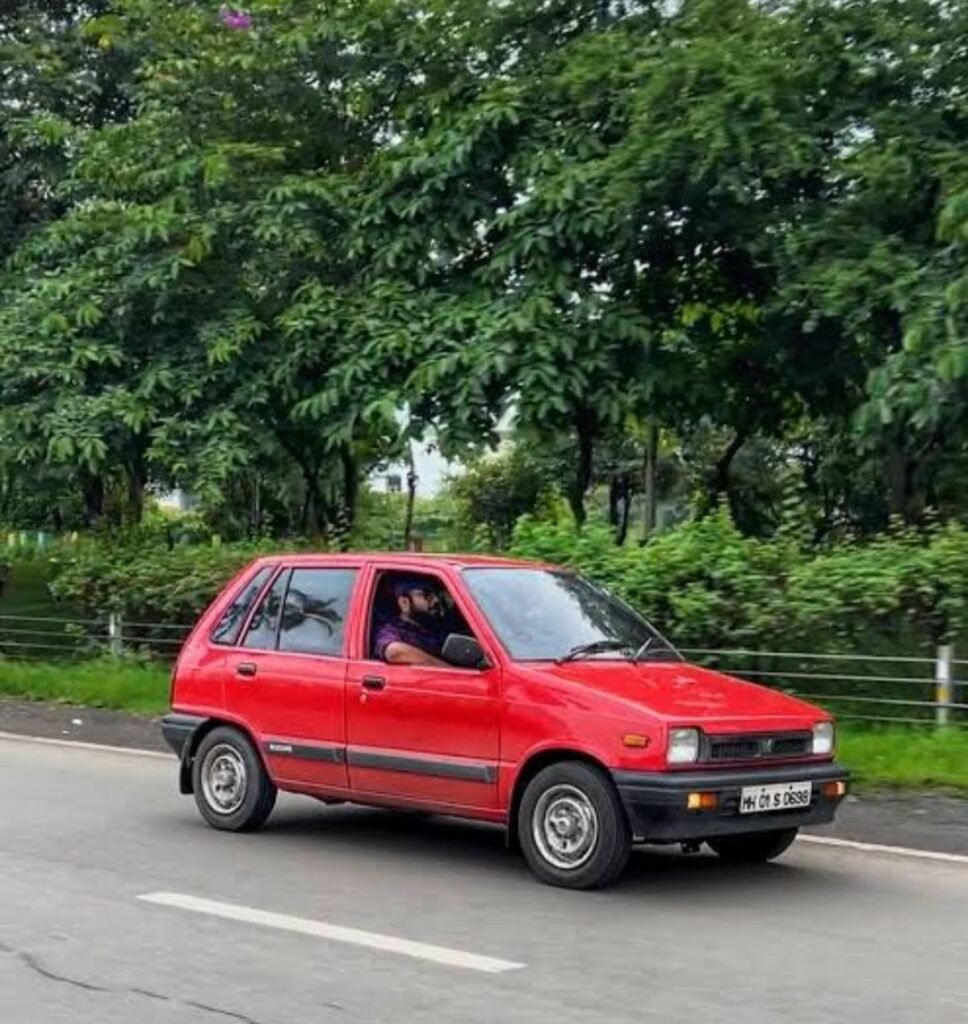
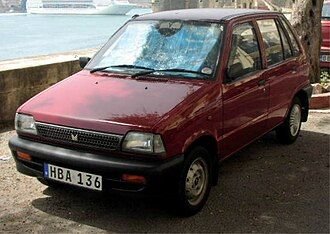
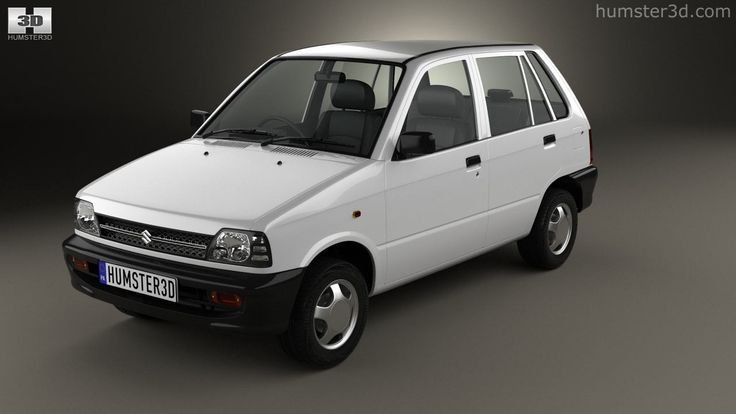
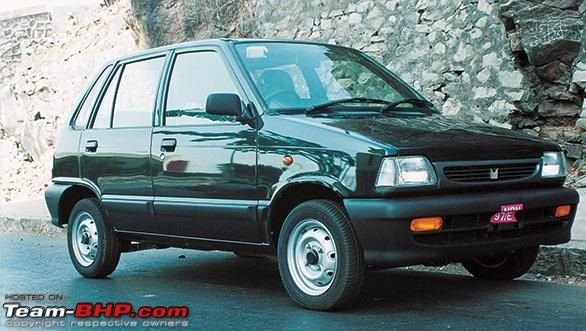
In 1997, the Maruti 800 underwent its most significant facelift, commonly referred to as Type 2. This version adopted the rounded headlamps and softer styling inspired by the Suzuki Alto sold internationally. The interiors were modernized, safety improved marginally, and comfort levels increased.
Crucially, this version introduced a 4-cylinder, 796 cc MPFi engine in later years, replacing the older carbureted setup. Power output remained around 37 bhp, but throttle response, emissions, and reliability improved significantly.
Maruti 800 DX, AC, and Standard Variants
Over the years, the Maruti 800 was offered in multiple trims. The Standard variant was bare-bones, often lacking air conditioning. The DX variant added better interiors, fabric seats, and improved trim quality. The AC version, once considered a luxury, became increasingly popular as Indian summers demanded it.
These variants allowed Maruti to price the car aggressively across different income groups, making it accessible to millions.
Maruti 800 Duo (Petrol + CNG)
In the 2000s, Maruti introduced the Maruti 800 Duo, featuring a factory-fitted CNG kit alongside petrol capability. This made it one of India’s earliest mass-market dual-fuel cars and extended its life significantly in urban markets with rising fuel costs.
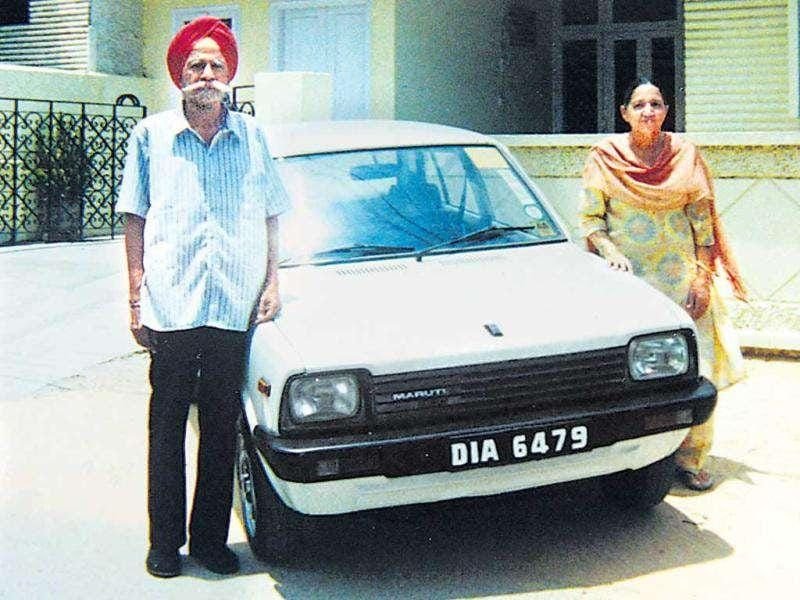
Later, when Harpal Singh and his wife passed away, the car was abandoned. Maruti Suzuki noticed it and they restored it into the original condition and now the iconic car is preserved in the Maruti Suzuki Headquarters in Delhi.
Driving Experience and Cultural Impact
The Maruti 800 was easy to drive, easy to maintain, and forgiving of mistakes. Its light steering, compact dimensions, and excellent visibility made it ideal for beginners. Entire generations learned to drive in one. Mechanics loved it for its simplicity, and spare parts were cheap and widely available.
Culturally, the Maruti 800 became synonymous with middle-class progress. Buying one was often the first big family milestone after owning a house. It featured in movies, advertisements, wedding convoys, and everyday life.
Decline and Discontinuation
By the late 2000s, stricter emission norms, safety regulations, and evolving consumer preferences spelled the end for the Maruti 800. Production finally ceased in 2014, the same year as the Hindustan Ambassador — symbolically closing the chapter on India’s automotive old guard.
Legacy: The Car That Changed Everything
The Maruti 800 did not just succeed — it rewrote the rules. It introduced modern manufacturing, global quality standards, and customer-focused thinking to India. Every affordable hatchback that followed owes its existence to the path the Maruti 800 carved.
“It was not perfect, fast, or luxurious — but it was exactly what India needed, exactly when it needed it.“

