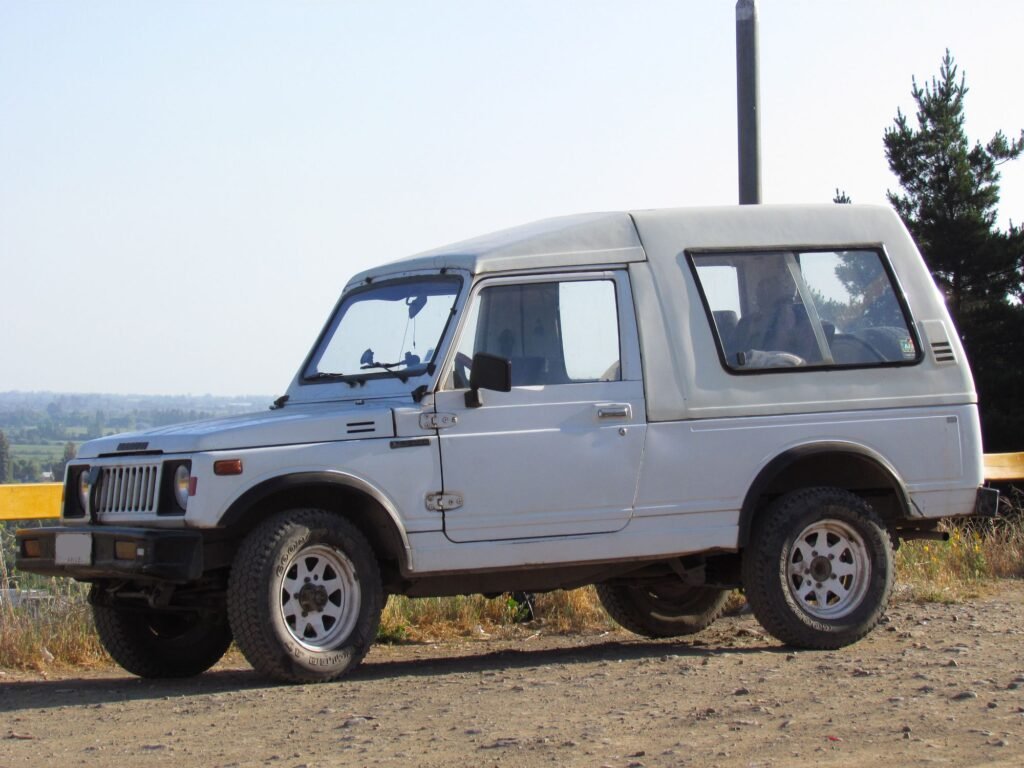
The Maruti Gypsy is not remembered for comfort, safety, or modern features. It is remembered for character. For over three decades, it remained virtually unchanged, refusing to evolve with trends, refusing to soften its edges, and refusing to disappear. In an era of touchscreen-filled SUVs and soft-roaders, the Gypsy stands apart as a machine built purely for function, toughness, and mechanical honesty
Long before “SUV” became a marketing term, the Gypsy was already climbing mountains, crossing deserts, and serving the nation in silence.
Origins: Suzuki Jimny and the Global Connection
The Gypsy’s roots lie in the legendary Suzuki Jimny, a compact off-road vehicle introduced in Japan in the 1970s. Suzuki envisioned a lightweight, no-nonsense 4×4 capable of navigating narrow trails and harsh terrain. When Maruti Suzuki began expanding its Indian lineup beyond small hatchbacks, the Jimny presented the perfect opportunity.
In 1985, Maruti Suzuki introduced the vehicle to India as the Maruti Gypsy, becoming one of the earliest mass-produced four-wheel-drive vehicles in the country.
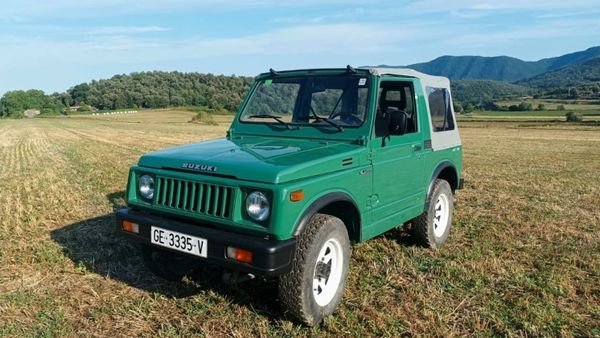
Gypsy King MG410: The Original Warrior
The first Gypsy sold in India was the MG410, powered by a 970 cc, four-cylinder, carbureted petrol engine derived from the Maruti 1000. This engine produced around 45 bhp and was paired with a 4-speed manual gearbox.
More important than power was the mechanical layout. The Gypsy featured a ladder-frame chassis, leaf spring suspension, and a part-time four-wheel-drive system with a low-range transfer case. This setup made it immensely capable off-road, despite its modest engine output.
Weighing under 1,000 kg, the Gypsy could go places much larger and more powerful vehicles could not.
MG413: The Arrival of Real Power
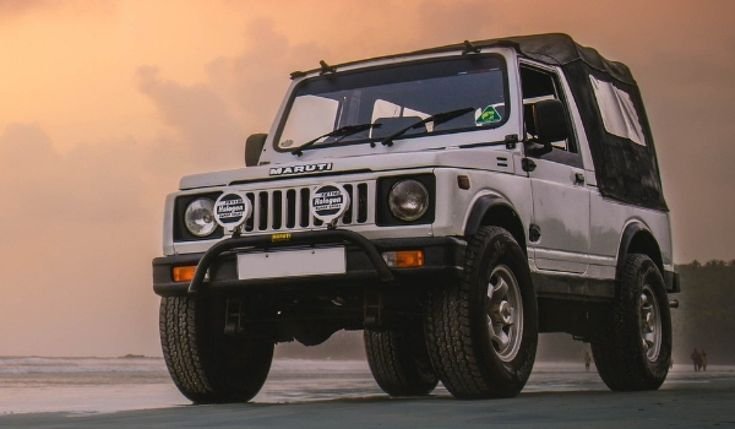
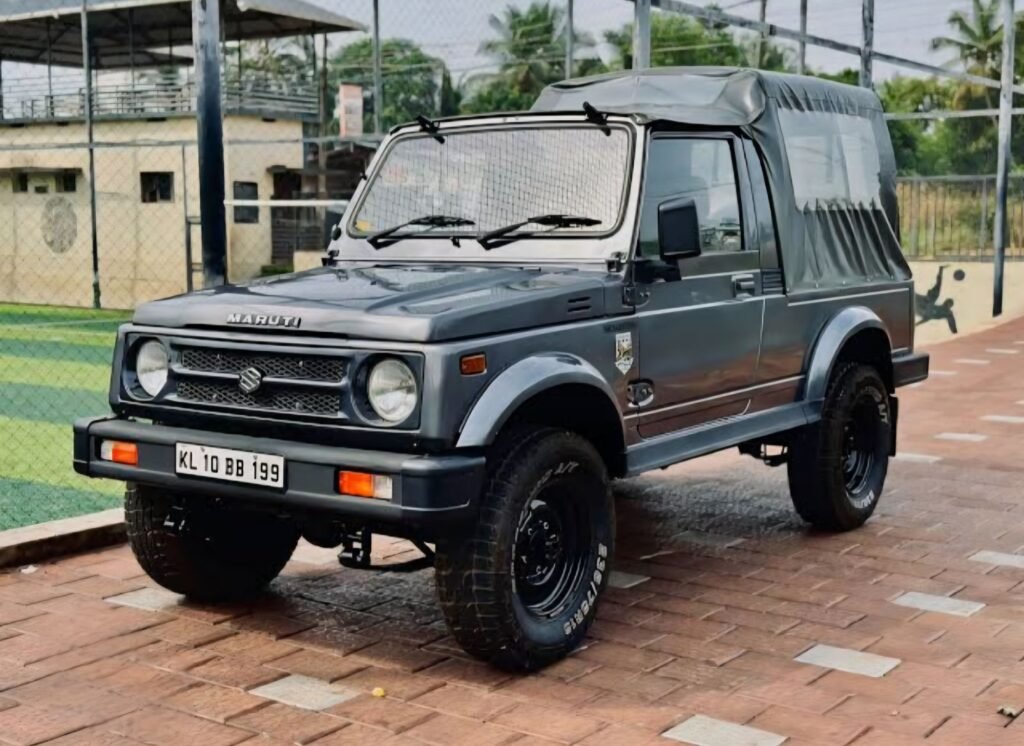
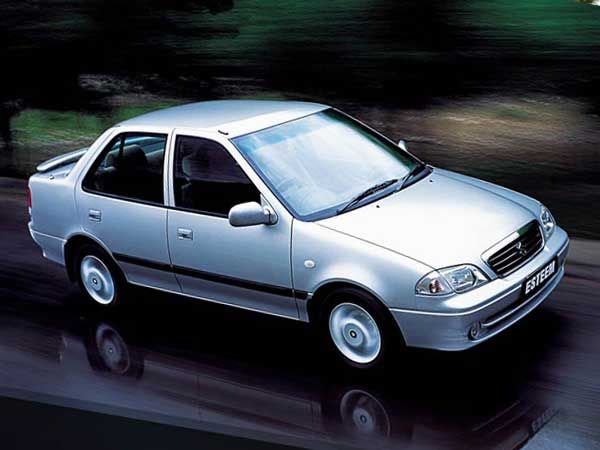
In the early 1990s, Maruti introduced the MG413, marking a major improvement in performance. This version used the 1.3-litre, four-cylinder petrol engine from the Maruti Esteem and Gypsy King. Initially carbureted and later MPFi, this engine produced around 80 bhp, nearly doubling the power of the original.
The gearbox was upgraded to a 5-speed manual, improving both highway cruising and off-road control. Despite this increase in power, the Gypsy retained its simple mechanical layout and lightweight construction.
This version is widely regarded as the best-balanced Gypsy ever sold in India.
Gypsy King: The Iconic Nameplate
The Gypsy King badge became synonymous with the 1.3-litre model. It wasn’t just a trim level — it was an identity. The Gypsy King featured minor cosmetic updates, including new decals, slightly revised interiors, and optional hardtop roofs.
However, comfort was never the priority. The interiors remained spartan, with flat bench seats, basic instrumentation, and almost no sound insulation. Driving a Gypsy was loud, bumpy, and physically demanding — but deeply satisfying.
Four-Wheel Drive System and Off-Road Capability
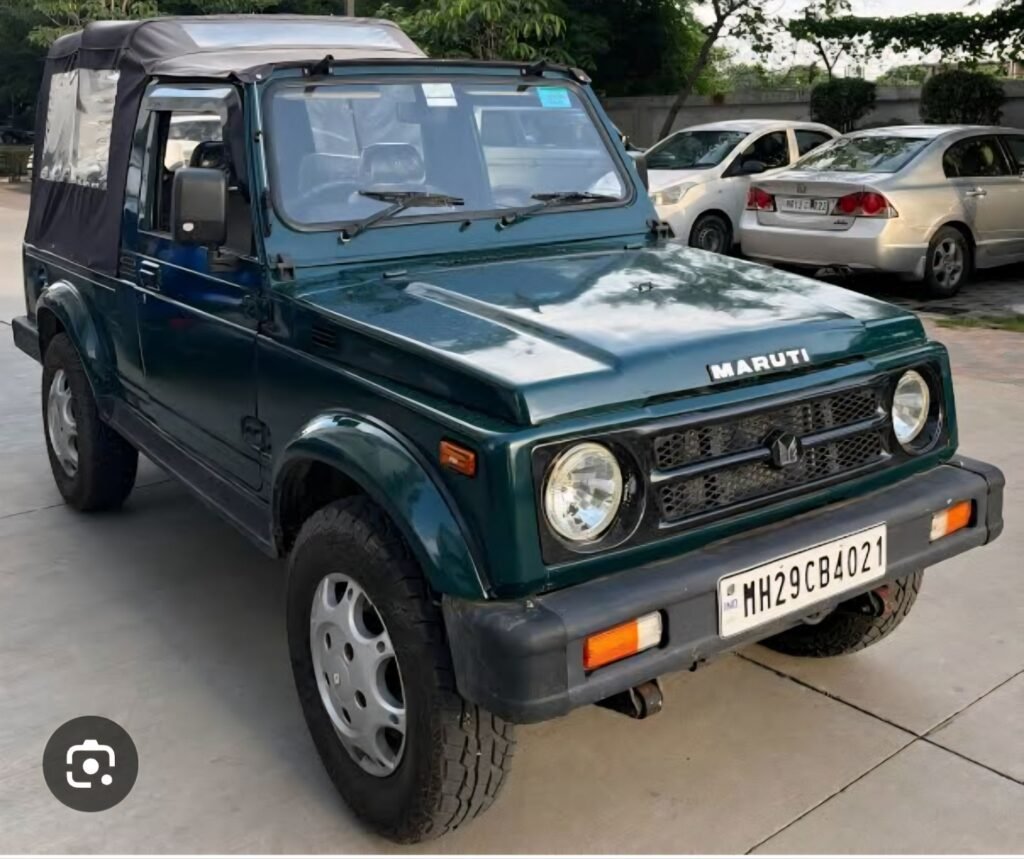
The Gypsy’s off-road capability came from its part-time 4WD system, operated via a manual lever. Drivers could engage 4H for slippery surfaces and 4L (low range) for extreme terrain. There were no electronic aids, traction control systems, or driving modes — only mechanical engagement and driver skill.
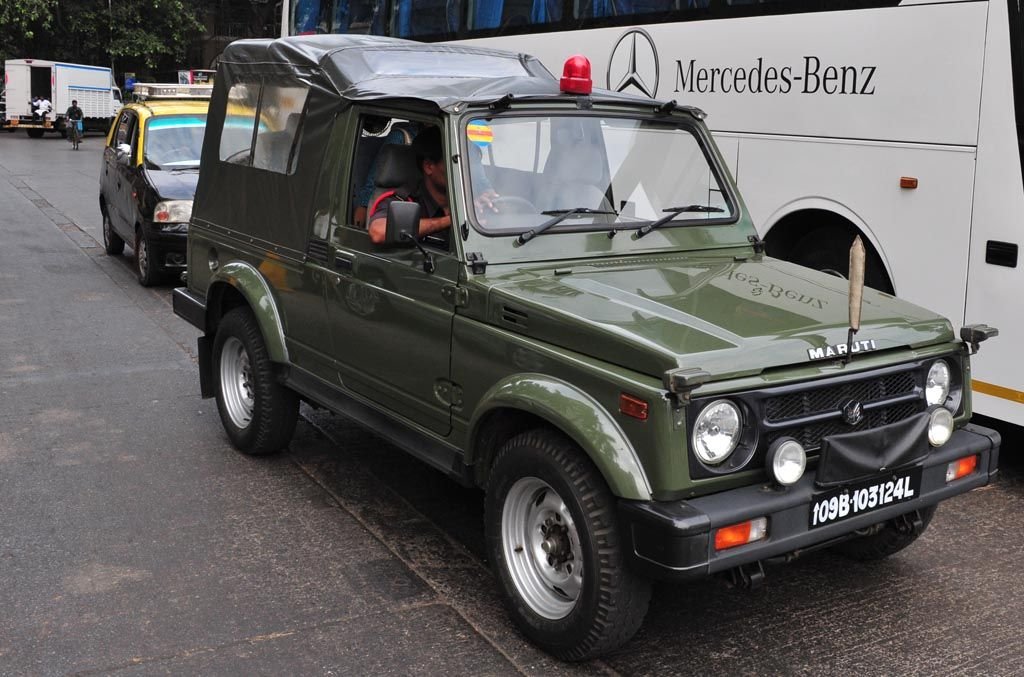
Its short wheelbase, excellent approach and departure angles, and light weight made it especially effective in sand, snow, and rocky terrain. These qualities led to its adoption by the Indian Army, paramilitary forces, police departments, and forest services across the country.
Soft Top, Hard Top, and Special Variants
The Gypsy was offered primarily in soft-top and hard-top configurations. The soft-top version, with its canvas roof and removable doors, became iconic, especially in military and adventure use. The hard-top offered slightly better weather protection and was more common in civilian ownership.
Maruti also produced special rally-spec and limited-run variants, often used in motorsports events like the Maruti Gypsy Himalayan Rally. These vehicles showcased the Gypsy’s strength, reliability, and tuning potential.
Gypsy in Motorsports and Adventure Culture
The Gypsy became the backbone of Indian off-road motorsports. From rallying to cross-country events, it dominated due to its simple mechanics, ease of repair, and robust chassis. Even today, many modified Gypsies continue to compete in national-level off-road championships.
It also gave rise to India’s overlanding and off-road community, long before such terms became popular. For many enthusiasts, owning a Gypsy was a rite of passage.

Why the Gypsy Never Changed
Over its long production run, the Gypsy remained stubbornly outdated — and that was precisely its strength. Maruti Suzuki kept it alive mainly due to government and military contracts, which valued durability over comfort.
However, tightening emission norms, safety regulations, and the cost of modernizing the platform eventually sealed its fate.
Discontinuation and Legacy
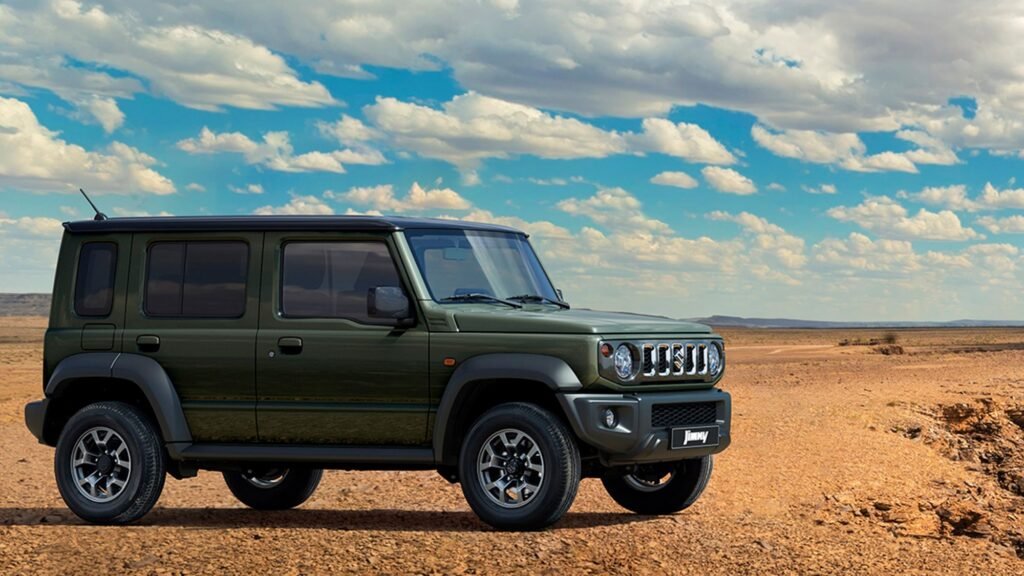
The Maruti Gypsy was officially discontinued in 2019, replaced in military service by the Force Gurkha and later by the new-generation Suzuki Jimny (5-door) for civilian use.
Yet, the Gypsy’s legacy remains unmatched. It taught Indians that vehicles could be tools, not toys. It proved that simplicity could outperform sophistication in the harshest environments.
A Machine, Not a Lifestyle Product
The Gypsy was never trying to be cool — it simply was. It didn’t sell comfort or image; it sold capability and trust. Even today, a well-maintained Gypsy commands respect on any terrain.
Like the Ambassador, the Padmini, and the Maruti 800, the Gypsy represents a chapter of India’s automotive story that can never be repeated — only remembered.

