Photo: Kateelkshetra · CC BY-SA 4.0

Temple Hindu

Ananthapura Lake Temple

Kerala · KasaragodAlso known as Ananthapadmanabha Swamy Temple, Ananthapura

No ratings yet · be the first to review

Kerala's only temple standing in the middle of a lake, regarded in tradition as the original seat of Lord Padmanabha.

Best time to visit
September to February
Time needed
1 to 2 hours

About Ananthapura Lake Temple

Why you should visit

Kerala's only temple standing in the middle of a lake, regarded in tradition as the original seat of Lord Padmanabha.

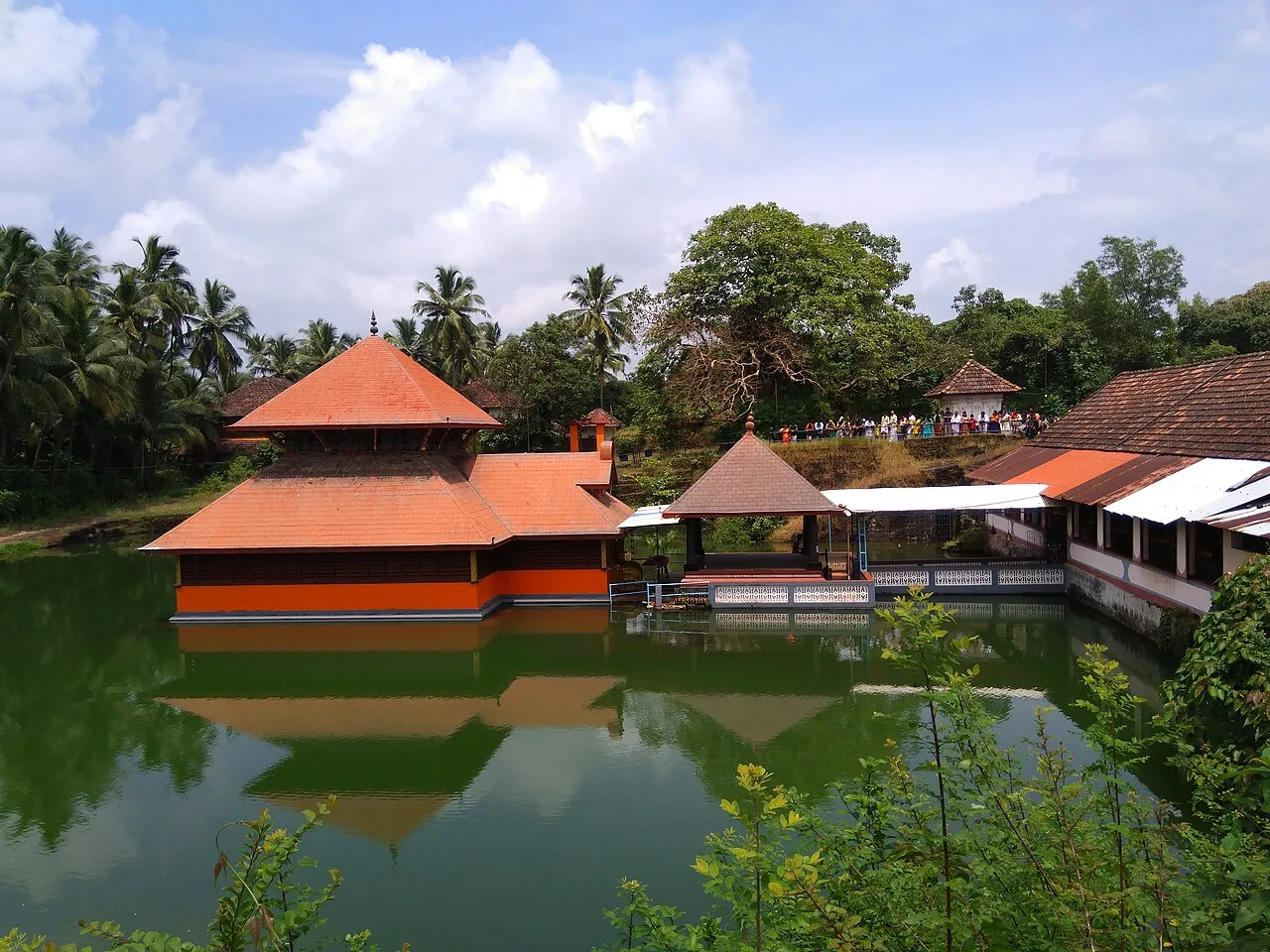
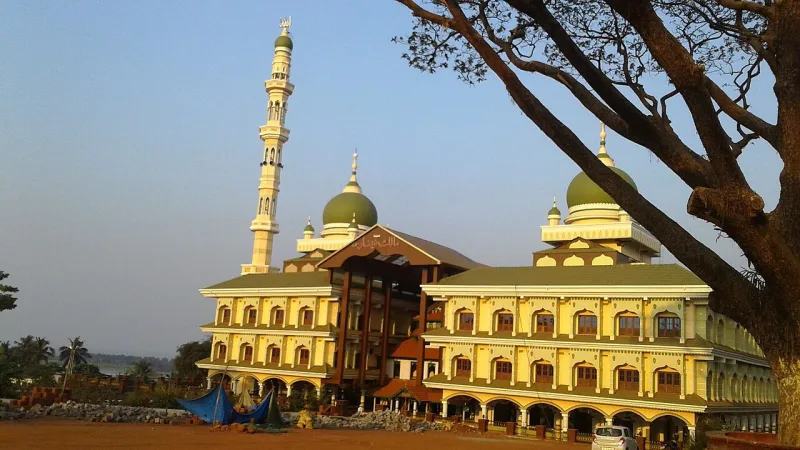
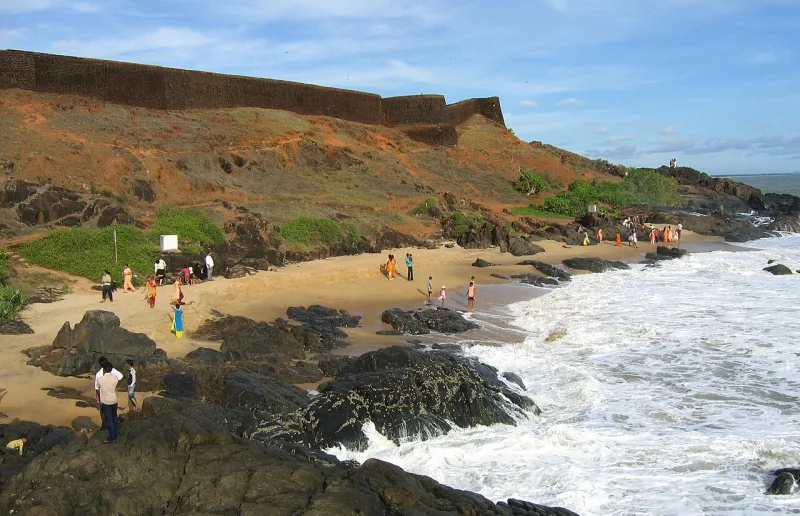
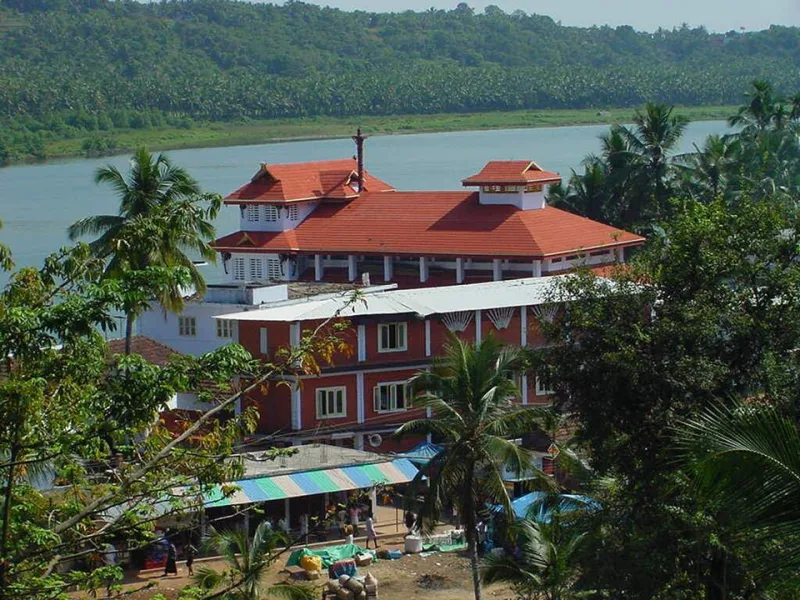
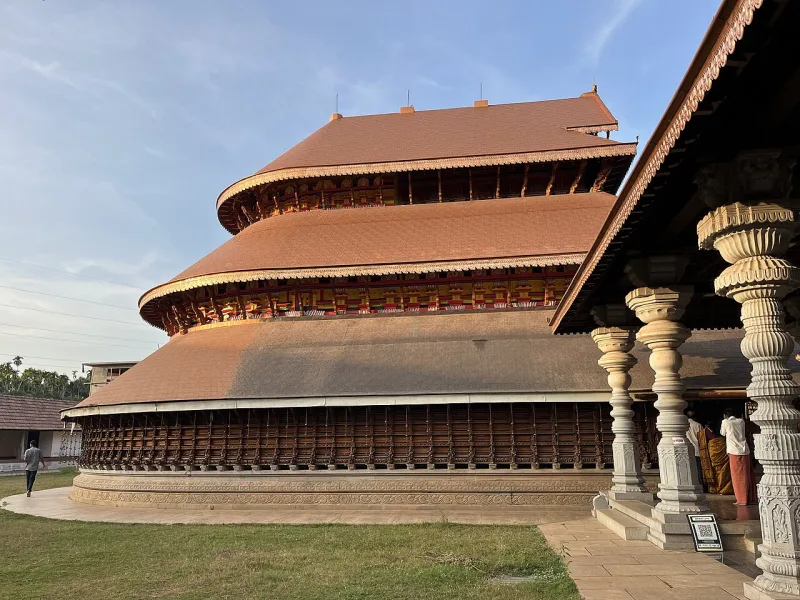
In a rocky, open landscape near Kumbla in Manjeshwaram taluk stands a temple that appears to float. The shrine of Ananthapura is built in the middle of a rectangular tank, so large that people call it a lake, and a narrow walkway leads across the water to the sanctum. It is described as the only temple of its kind in Kerala, and its quiet beauty makes a lasting impression. The deity is Anantha Padmanabha, Vishnu associated with the serpent Anantha. Tradition holds that this is the moolasthanam, the original seat, of the Lord who is worshipped in the great Padmanabhaswamy Temple of Thiruvananthapuram at the other end of the state. Legend says this is where the Lord first settled. One well loved story tells of a sage who was visited by a mischievous child; when the sage rebuked him, the child disappeared into a cave, promising that the sage would find him again far to the south, and the search ended at the site of the southern city. The temple is also counted among the 108 shrines especially honoured in the regional Vaishnava tradition. Visitors often speak of the cave beside the tank, associated with that legend, and of the lake's resident crocodile, which local belief long regarded as a guardian of the temple and described as gentle, fed on offerings of rice. Such an animal, known affectionately by the name Babiya, drew wide attention until its death in 2022, and later reports have mentioned another crocodile being seen. Treat any reptile with great caution: stay on the walkway, never enter the water and never attempt to approach or feed one yourself. The architecture is simple and graceful, with sloping roofs reflected in the green water. The images in the sanctum are notable for having been made using a traditional composite of many medicinal materials, a technique that has been revived in restoration. Carvings and paintings narrate sacred stories. Around the tank the laterite plateau, with seasonal pools and flowers, gives a sense of space unusual in densely settled Kerala. Customs follow the Kerala and coastal Karnataka temple tradition. Men generally remove shirts before entering the inner area, women wear modest or traditional dress and footwear is left outside. Ask before taking photographs, and do not use them inside the sanctum. The temple opens in sessions during the day, usually closing around midday, and a simple meal may be offered to devotees at certain times. Offerings should be made at the counter. The best months are from September to February, when the rains have filled the tank and the surroundings are fresh. During heavy monsoon the paths may be slippery. In summer the stone becomes very hot underfoot. Ananthapura is a few kilometres from Kumbla, which lies on the coastal highway and railway. Autos from Kumbla reach the temple quickly, and Kasaragod town is around fifteen kilometres to the south. Mangaluru International Airport is the nearest major air gateway, about fifty kilometres to the north. This corner of Kerala is known as a land of many languages, where Malayalam, Tulu, Kannada, Konkani and Beary are heard, and the temple reflects that shared culture. A day tour might pair it with the Madhur temple, famous for Ganapathi worship, and the old Malik Deenar mosque in Kasaragod, before ending with sunset at Bekal Fort. An hour by the lake is well spent. Walk once around the water to see the shrine from every side, watch the reflections change as clouds pass and listen to the temple bell carrying across the rock. The combination of stillness, legend and simple architecture explains why pilgrims travel to this out of the way spot, and why visitors who come out of curiosity often stay longer than they planned.
  • Shrine in the centre of a rectangular lake
  • Legendary link with Thiruvananthapuram
  • Rocky setting with clear water
  • Image of Ananthapadmanabha

Photos (1)

Photo credits
  1. Photo: Kateelkshetra · CC BY-SA 4.0 · Source

Reels and Shorts

Instagram Reels and YouTube Shorts by vloggers and visitors.

Space for a Reel or Short

Space for a Reel or Short

Space for a Reel or Short

Space for a Reel or Short

YouTube videos

Full videos, guides and walkthroughs.

Space for a YouTube video

Space for a YouTube video

Reviews and ratings

– 0 reviews
  • 5 ★0
  • 4 ★0
  • 3 ★0
  • 2 ★0
  • 1 ★0

No reviews yet. Be the first to share your experience. Reviews appear here once a moderator approves them.

Write a Review

Special events & celebrations

None listed yet.

+ Add an event held here

Good to know

Visitor tips

  • Dress modestly and remove footwear
  • Do not enter or pollute the lake
  • Walk carefully on wet stone
  • Visit in morning or evening opening hours

How to reach

About 5 to 6 km from Kumbla town and around 15 km north of Kasaragod.

Address: Ananthapura, near Kumbla, Kasaragod district

Open directions in Google Maps

Sources

Where the details on this page come from. Timings, fees and phone numbers change, so confirm them before you travel.

Nearest places to Ananthapura Lake Temple

Distances are in a straight line from Ananthapura Lake Temple; travel by road is longer.

Places near me