Photo: Vinayaraj · CC BY-SA 3.0

Fort and Palace

Bekal Fort

Kerala · KasaragodAlso known as Bekal Kotta

No ratings yet · be the first to review

Kerala's largest fort, a seventeenth century stronghold on a headland that seems to rise straight out of the Arabian Sea.

Best time to visit
October to March, early morning or sunset
Time needed
2 to 3 hours

About Bekal Fort

Why you should visit

Kerala's largest fort, a seventeenth century stronghold on a headland that seems to rise straight out of the Arabian Sea.

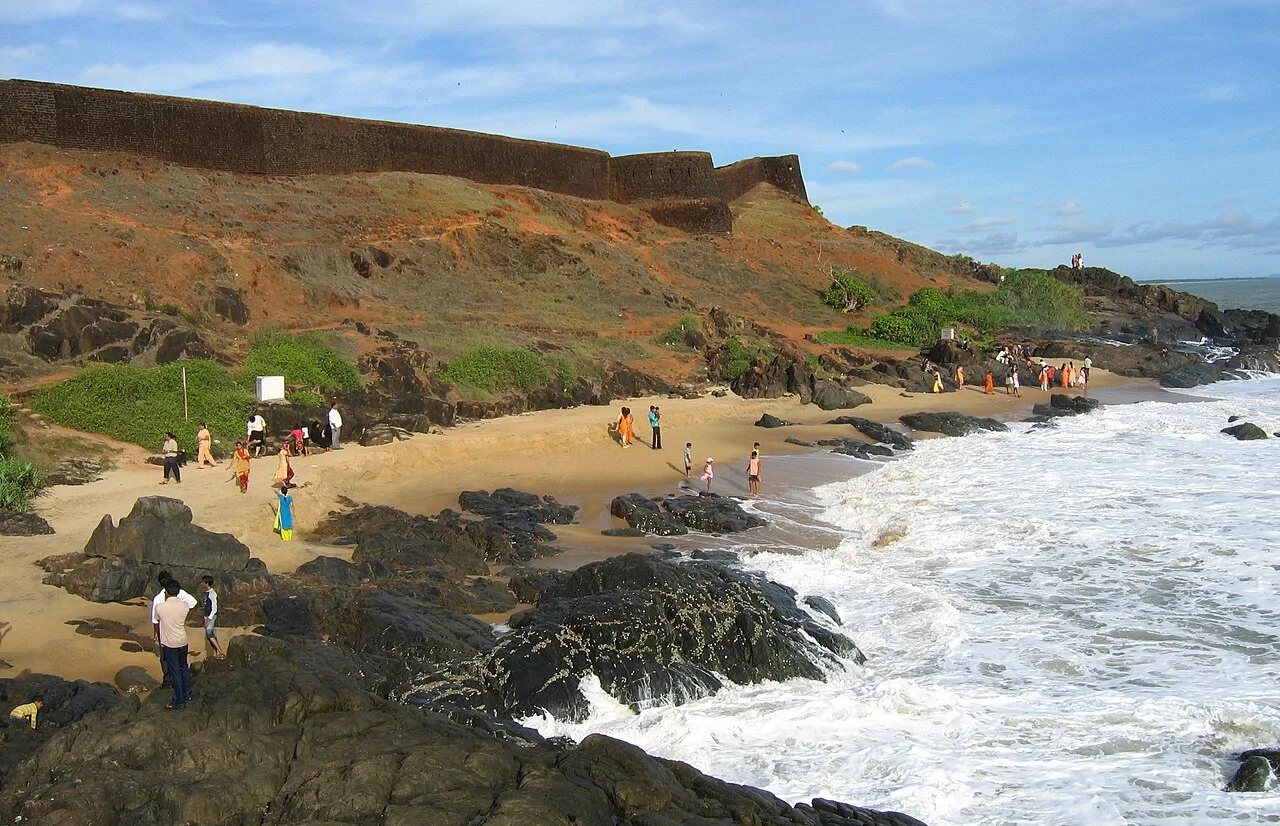
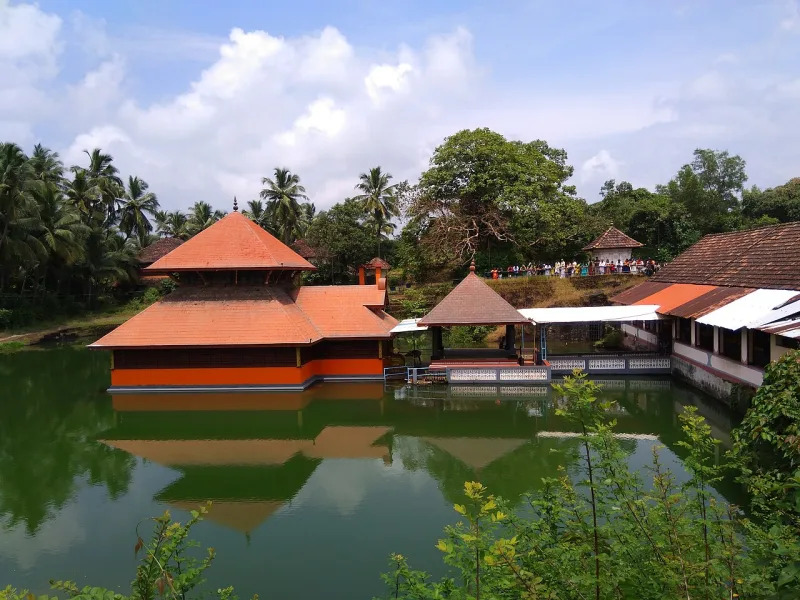
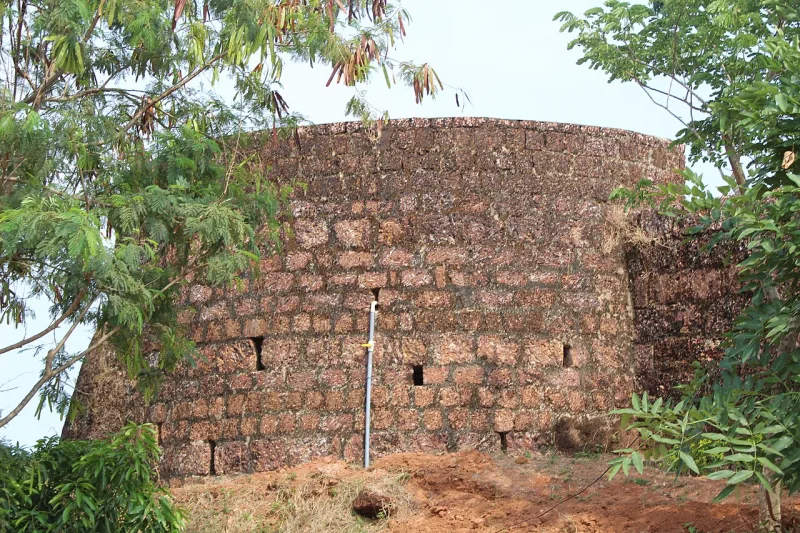
Bekal Fort is the great landmark of Kerala's northernmost district. Spread over about forty acres on a promontory, it is the largest fort in the state, and from many angles it appears to emerge from the Arabian Sea itself, for nearly three quarters of its outer wall is touched by water. Waves break at the foot of the dark laterite while palms and golden beaches curve away on either side. The region's history is long. After the decline of the old Chera rulers of Mahodayapuram, the area came in the twelfth century under the Kolathiri or Chirakkal royal family. The balance of power shifted after the Battle of Talikota in 1565 weakened the Vijayanagara empire, and chieftains who had served it asserted themselves, notably the Keladi or Ikkeri Nayakas of the Karnataka country. Hiriya Venkatappa Nayaka began work on the fortification, and it was completed around 1650 under Shivappa Nayaka. Later the fort passed to the Mysore rulers, and after the death of Tipu Sultan in 1799 their control ended and the British took over. Unlike many forts, Bekal was not a seat of government, and you will find no palaces or mansions within. It was built for defence. The thick walls have openings at different heights and angles so that guards could watch and fire upon attackers at various distances. A large water tank with steps, a magazine for storing powder and a flight of steps leading to an observation tower, attributed to Tipu Sultan, are the main features inside. From the top of that tower the view takes in the coastline and the villages and towns around, including Kanhangad, Pallikkara and Uduma. The government recognised the potential of the place by declaring it a special tourism area in 1992, and a development corporation was set up three years later. Today lawns, paths and the protection of the Archaeological Survey of India make a visit comfortable. Film makers have often used the ramparts as a backdrop, which adds to their fame. Allow two or three hours. Walk the circuit of walls, descend to lookouts near the water where permitted and finish at the tower. There is an entry ticket and daytime opening, usually until about sunset. The sun can be fierce and shade is limited, so carry water, a hat and sunscreen. The rocks and lower platforms become slippery with spray; stay behind barriers, especially during the monsoon, when the sea is violent and spectacular. The adjoining beach and the Pallikkara beach park offer a place to relax afterwards. Swim only where it is declared safe. Resorts along this coast provide quiet stays, with backwaters and Ayurveda among their attractions. Bekal lies south of Kasaragod town, with buses and autos from Kasaragod and Kanhangad. Bekal Fort has a small railway station, and Kanhangad and Kasaragod offer more trains. Mangaluru International Airport, across the state border, is usually the most convenient, while Kannur airport serves routes from the south. Combine the fort with the Chandragiri fort at the river mouth, the Ananthapura lake temple, or a houseboat on the Valiyaparamba backwaters. October to March offers the best weather, though the green rains have their own drama. Sunset is the moment many remember: the walls turn deep red, fishing boats head home and the sea darkens beneath the bastions. Standing there, one understands why builders chose this point, where a defender could command both land and water, and why travellers today count it among the finest sights of the Malabar coast. Guides at the entrance can point out how the openings in the walls were used and where the water was stored. Agree a fee first. If you travel with children, make a game of counting the bastions and spotting boats, and keep hold of small hands near the seaward edges where the wind can be strong.
  • Bastions washed by the sea
  • Observation tower with coastal views
  • Water tank, magazine and stepped ramparts
  • Bekal beach nearby

Photos (1)

Photo credits
  1. Photo: Vinayaraj · CC BY-SA 3.0 · Source

Reels and Shorts

Instagram Reels and YouTube Shorts by vloggers and visitors.

Space for a Reel or Short

Space for a Reel or Short

Space for a Reel or Short

Space for a Reel or Short

YouTube videos

Full videos, guides and walkthroughs.

Space for a YouTube video

Space for a YouTube video

Reviews and ratings

– 0 reviews
  • 5 ★0
  • 4 ★0
  • 3 ★0
  • 2 ★0
  • 1 ★0

No reviews yet. Be the first to share your experience. Reviews appear here once a moderator approves them.

Write a Review

Special events & celebrations

None listed yet.

+ Add an event held here

Good to know

Visitor tips

  • Visit early or late to avoid heat
  • Take care on wet or unguarded edges
  • Carry water and sun protection
  • Do not damage walls or leave litter

How to reach

About 12 to 16 km south of Kasaragod town; Bekal Fort and Kanhangad railway stations are close.

Address: Bekal, Pallikkara, Kasaragod district

Open directions in Google Maps

Sources

Where the details on this page come from. Timings, fees and phone numbers change, so confirm them before you travel.

Nearest places to Bekal Fort

Distances are in a straight line from Bekal Fort; travel by road is longer.

Places near me