Kerala's largest waterfall, a broad curtain of the Chalakudy river tumbling through dense forest, famous on film.
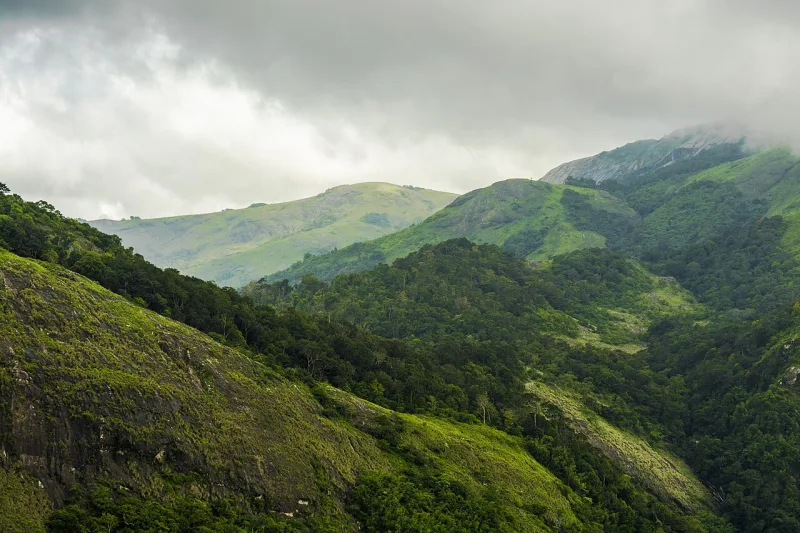
Athirappilly is the waterfall that many people picture when they think of Kerala's forests. The Chalakudy river, having gathered its waters in the Anamalai hills, arrives at a broad rock ledge and pours over it in several thundering streams into a boulder strewn pool. At about 80 feet high and very wide in the rains, it is described as the largest waterfall in the state, and it is often nicknamed the Niagara of South India.
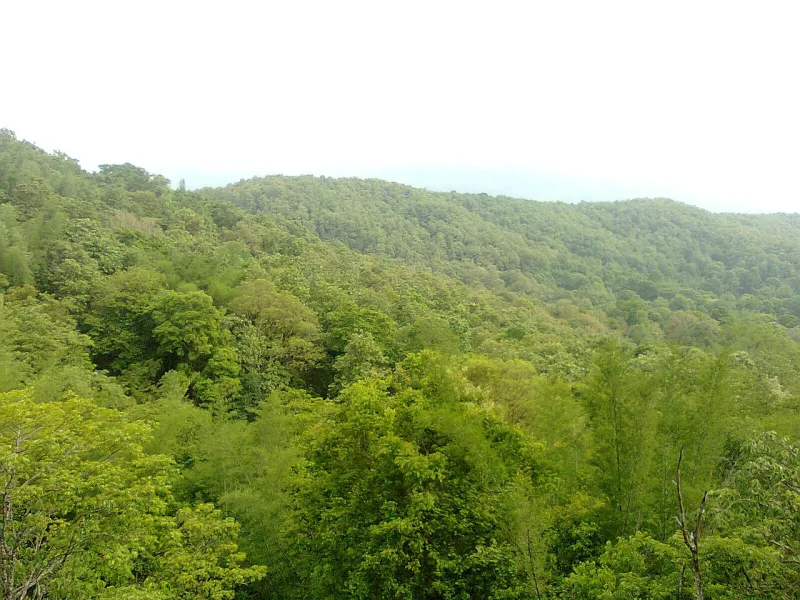
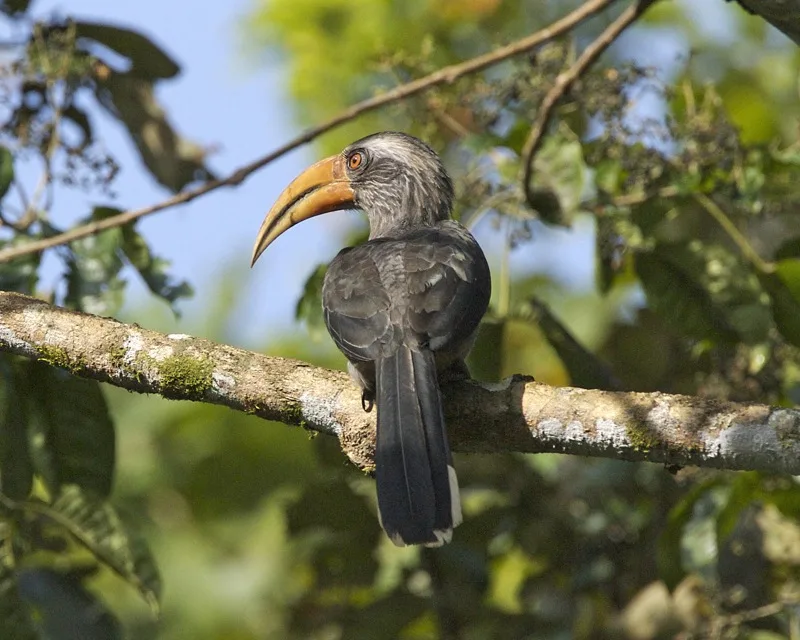
The river is around 145 kilometres long. It rises in the Western Ghats, flows through the Vazhachal forest and continues towards the Arabian Sea. Below the falls the water remains turbulent for about a kilometre before calming and reaching the barrage at Thumboormuzhi. The surrounding woodland is part of an unusually rich riverine forest, home to endangered and endemic plants and animals. It is particularly valued because several species of hornbill live in the area.
That ecological value placed Athirappilly at the centre of a long public debate. A hydroelectric dam proposed on the river upstream became controversial in the 1990s, with environmentalists, tribal communities and residents arguing that it would damage the forest and reduce the falls. The discussion continued for many years, and it remains an instructive example of the choices between power generation and conservation.
Cinema made the view famous across India. The falls feature in a number of films, most memorably in Mani Ratnam's Dil Se, where the song Jiya Jale was linked with the scenery of the region, and later productions have returned repeatedly.
Visitors usually enjoy two viewpoints. From near the top you see the river sliding towards the edge, with strong railings marking safe limits. A paved but steep path descends through trees to the base, where spray fills the air and the whole width of the fall can be admired. The walk back up requires some effort, so take it slowly and rest. Elderly visitors may prefer to remain at the upper view.
Safety is paramount. The rocks are slick, the current is far stronger than it looks and the water level can rise quickly with rain or releases from dams upstream. Do not climb barriers or swim. During intense monsoon weather access to parts of the site may be closed. Obey guards without argument.
The months from September to January offer a full but manageable flow and green surroundings. June to August shows the falls at their most violent, with mist and cloud. By late summer the water can thin considerably. Entry is ticketed, with set daytime hours, and the forest road beyond has check posts that close in the evening.
Chalakudy, about thirty kilometres away, is the nearest town with a railway station, with buses running to the falls. Cochin International Airport is roughly an hour or more by road, and Thrissur and Kochi are common starting points. Parking fills quickly on holidays, so come early.
Monkeys are bold near the entrance and will take food from hands and bags. Keep snacks hidden, never feed them and carry all waste out, particularly plastic. Wear shoes with good grip and carry a rain cover and dry clothes.
Combine the visit with the Vazhachal rapids a short distance upstream and, for those with permission and time, a drive through the forest towards Valparai across the state border. Wildlife sometimes crosses that road, so drive slowly and stop for elephants at a distance. Standing before Athirappilly, feeling the ground vibrate and the spray drift across your face, it is easy to understand why so many people fought to keep this river flowing freely.
Photographers should arrive early, when the light comes across the water and the paths are still quiet, and keep equipment covered against the constant spray.
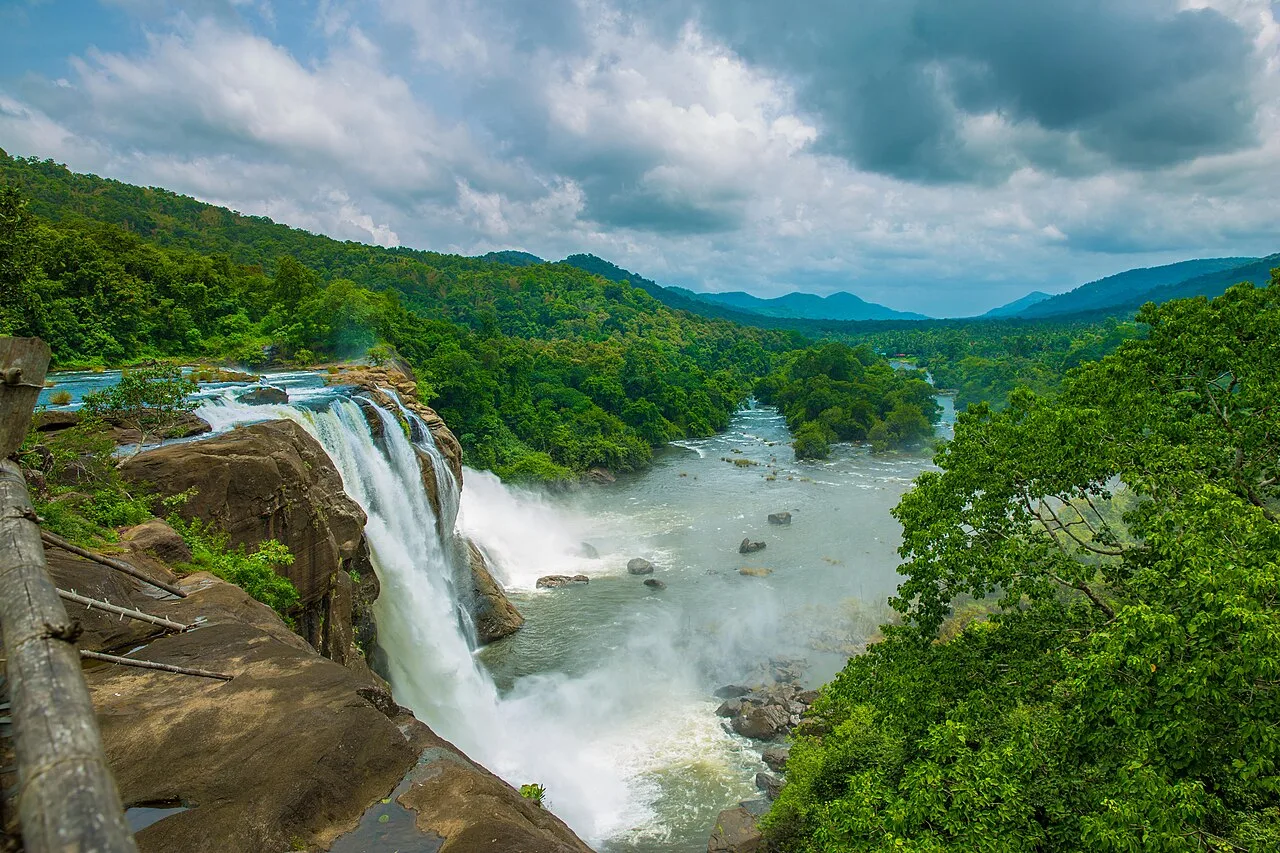 Photo: Jan Joseph George · CC BY-SA 4.0