An ancient goddess temple of Bhadrakali, mother shrine of many kavus, known for the intense Bharani and Thalappoli festivals.
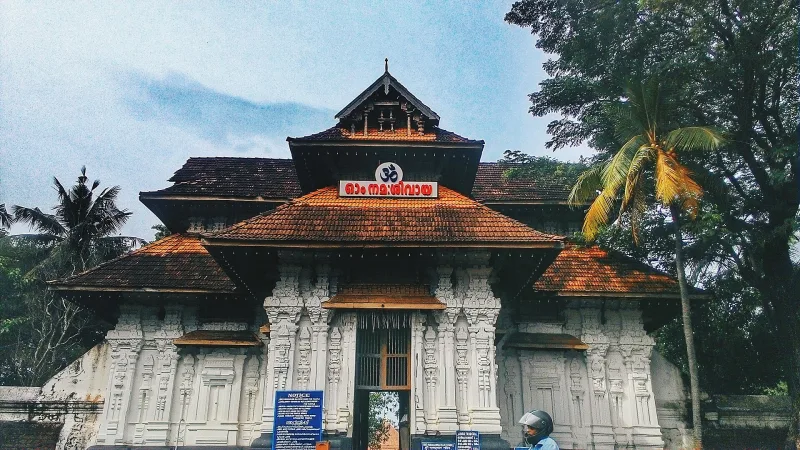
In the centre of Kodungallur, surrounded by broad grounds and old banyan trees, stands one of the most powerful goddess shrines of Kerala. The Sree Kurumba Bhagavathy Temple is dedicated to Bhadrakali, known to devotees as Kodungallur Amma, the mother of Kodungallur. It is considered the head of sixty four Bhadrakali shrines of the Malabar region and is counted among the oldest temples in India still in worship.
The image presents the goddess in her fierce form, facing north, with eight arms bearing various attributes. She is approached with awe, as a destroyer of evil and disease, and also with affection, as a guardian of her people. Traditions link the shrine with the age of the early Chera kings and with the story of Kannagi, the heroine of the Tamil epic Silappadikaram, who is remembered for her devotion and righteous anger. Accounts connected with the ancient Sangam age are recalled in games held during one of the festivals.
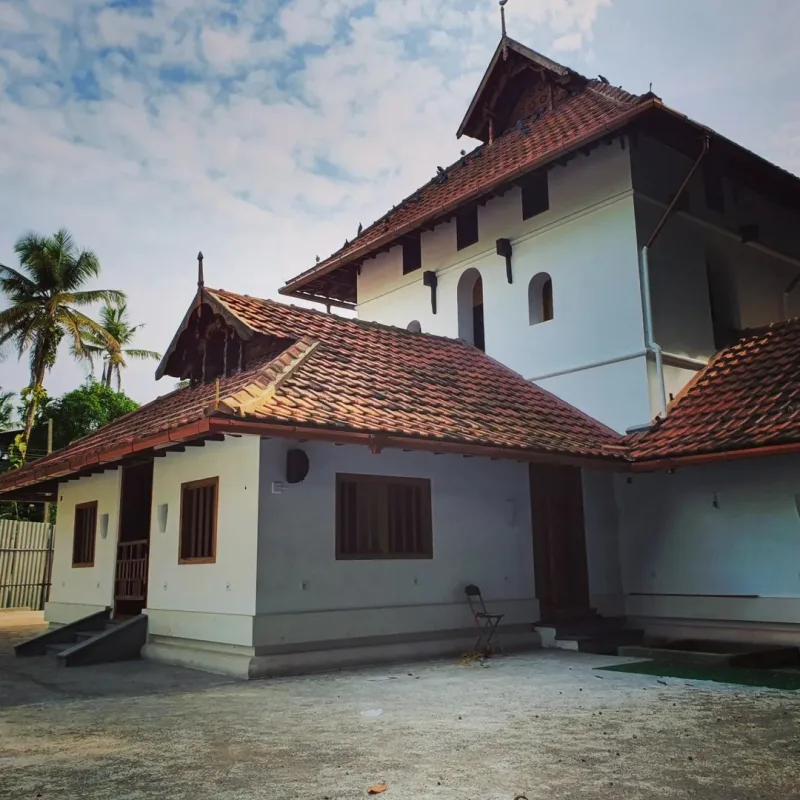
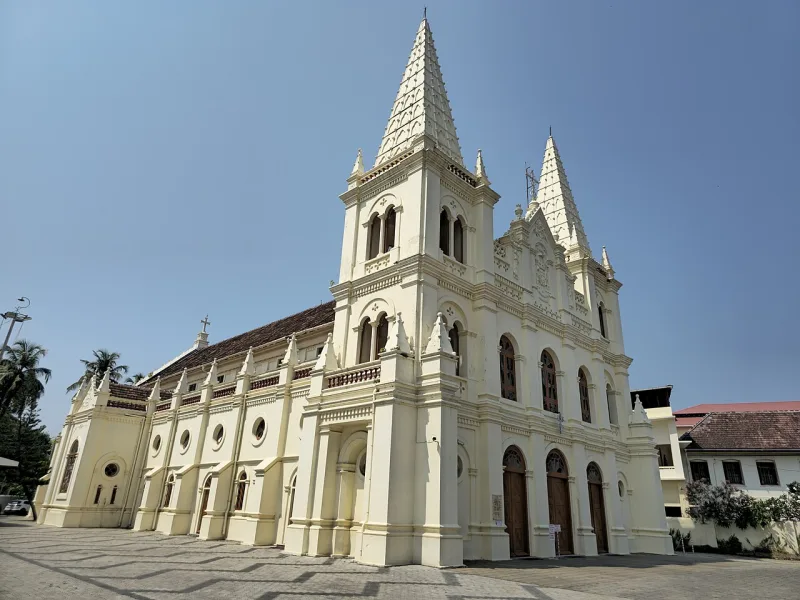
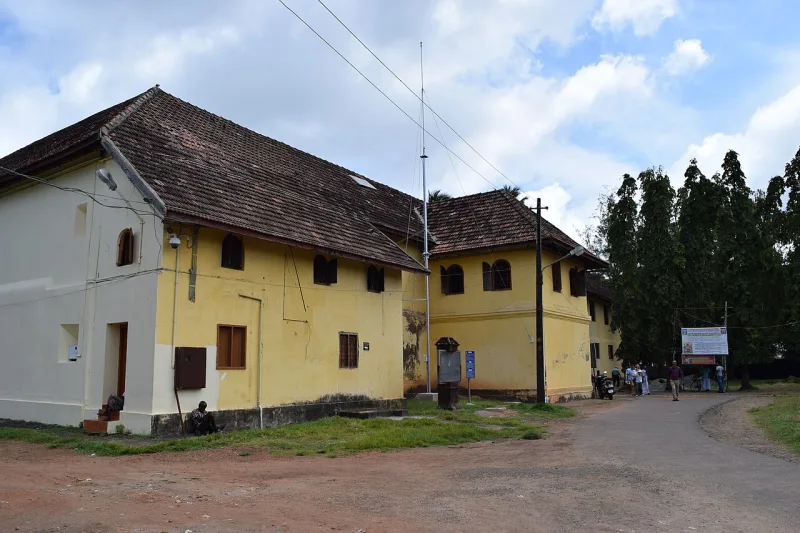
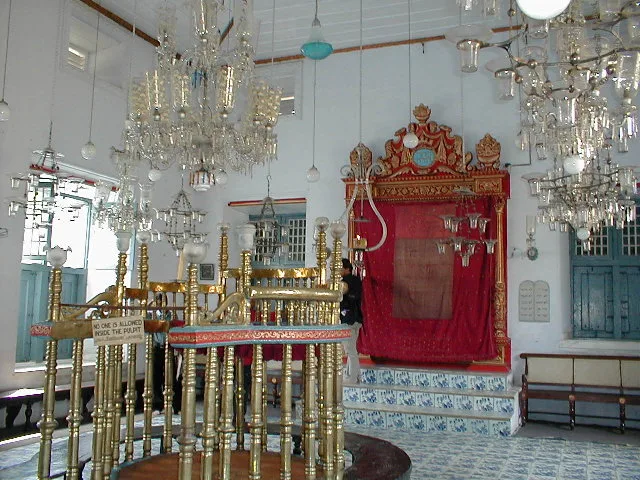
The town's history deepens the experience. Kodungallur has been identified with the region of the ancient port of Muziris, to which traders came from the Mediterranean and West Asia for pepper and other goods. The temple, a very old mosque and long church traditions exist within a short distance, a remarkable concentration of heritage.
Two festivals give the temple its widest fame. Thalappoli, held in the Malayalam month of Makaram around January and February, features processions in which women carry lamps and offerings, with elephants, percussion and large gatherings. The Bharani festival begins around the Bharani star in the month of Kumbham and continues into Meenam, in March and April. Pilgrims, among them ritual oracles dressed in red who carry swords and enter states of trance, arrive in great numbers, singing, dancing and offering themselves to the goddess. The observance preserves very old elements of worship that may startle those unfamiliar with it. A ritual once involving animal sacrifice has been modified by law, and such sacrifice at the temple has been banned since the late 1970s. The administration of the temple has been with the Cochin Devaswom Board since 1950.
Visitors outside festival days find a quite different mood: lamps, the scent of turmeric and flowers, priests at work and local people stopping to pray on their way to the day's business. Turmeric powder is a characteristic offering. Dress modestly, follow the customary rules about shirts and footwear, and do not take photographs inside the shrine. If you attend Bharani, keep to the edges, respect police directions, stay alert in the crowd and remember that the participants are engaged in deeply personal acts of devotion. Families with small children may prefer a quieter day.
The temple is easy to reach. Buses connect Kodungallur with Thrissur, about forty kilometres away, as well as with Ernakulam and Guruvayur. Irinjalakuda and Aluva are useful railway stations, and Cochin International Airport is within about an hour. Autos serve local trips.
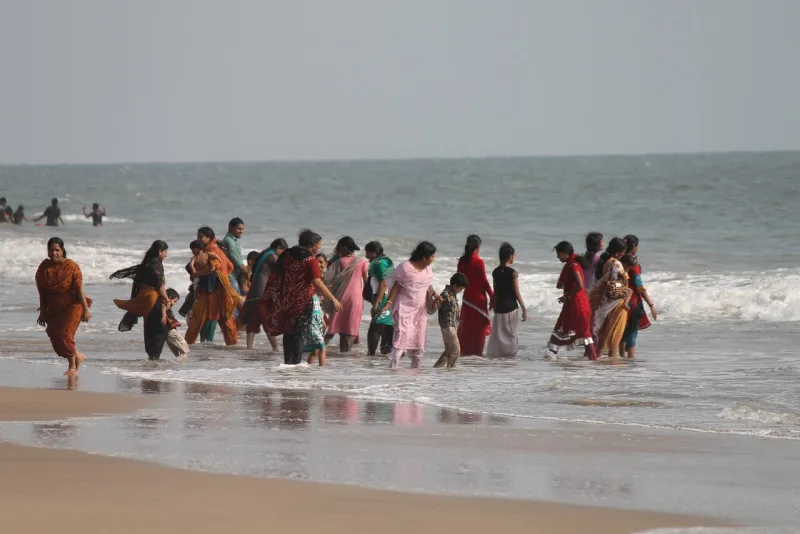
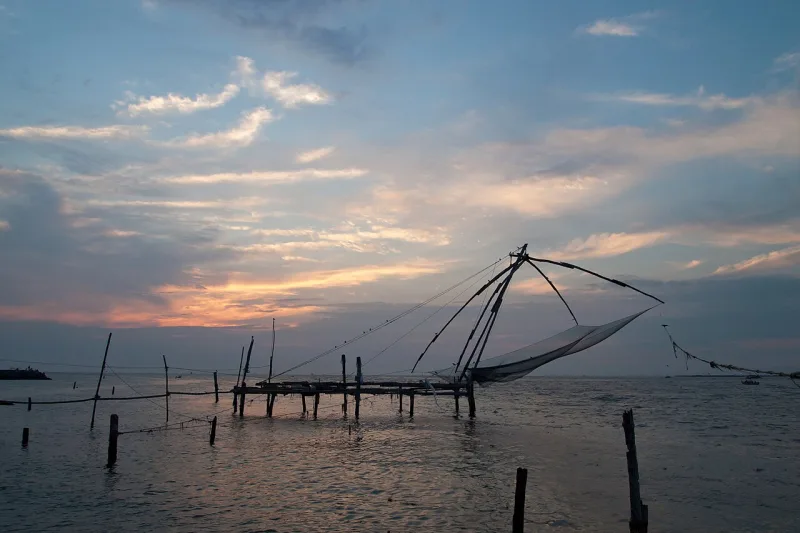
Plan to see the Cheraman Juma Mosque nearby and the museums of the Muziris Heritage Project. The coast at Azhikode, where the river meets the sea, offers an evening breeze. October to February is the most comfortable season for such a circuit.
An hour at this temple gives a sense of religious practice far older and wilder than polished tourist brochures suggest. Approached with humility, Kodungallur shows how devotion to a mother goddess has remained a living force through centuries of trade, migration and reform.
Check the Malayalam calendar for the exact festival dates in the year of your visit, as they move against the English months. Offerings are booked at the temple counters, where staff can explain the customs. Drinking water, a light cotton cloth against the sun and agreed meeting points are helpful when the grounds are full. Local police often arrange special parking and one way routes during the festivals.
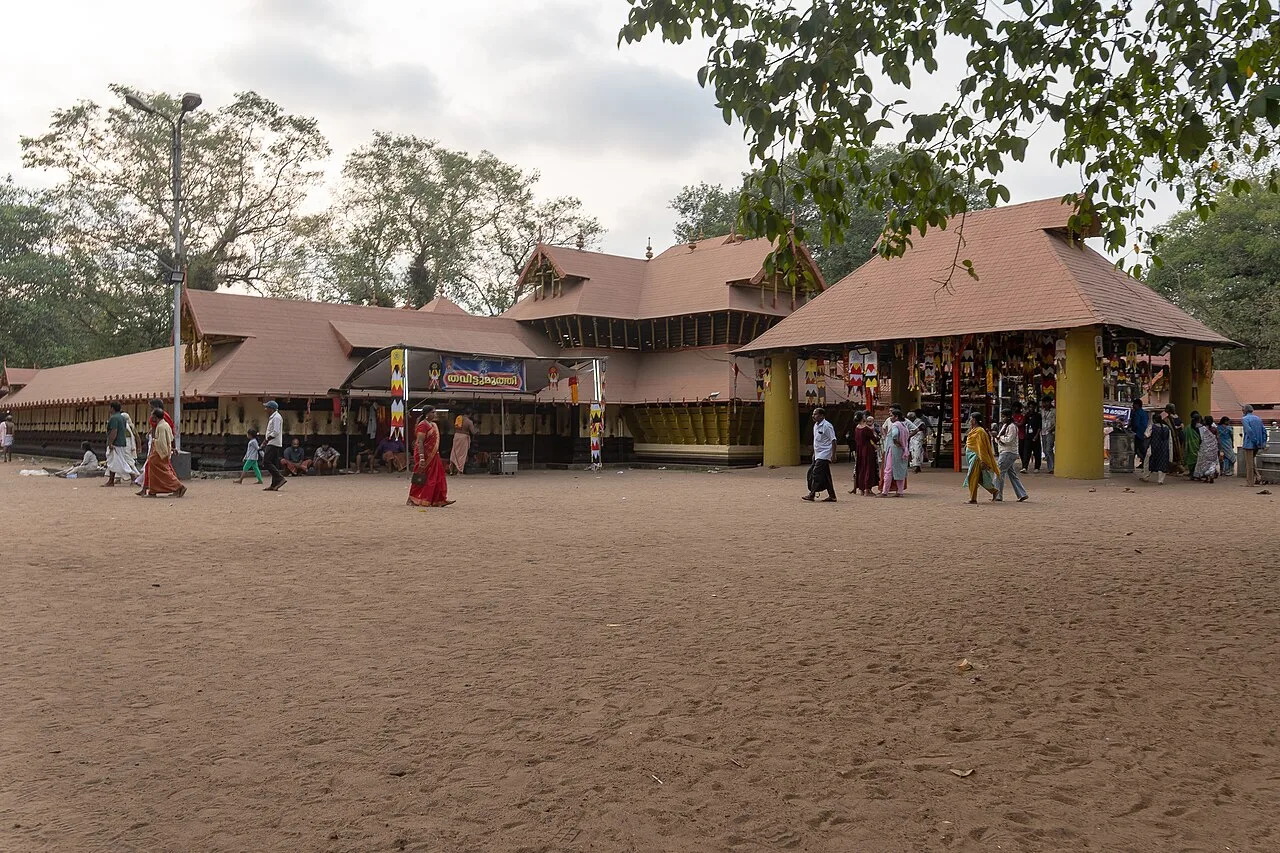 Photo: Rainer Halama · CC BY-SA 4.0