An ancient Shiva temple at the heart of Thrissur, the setting of Thrissur Pooram.
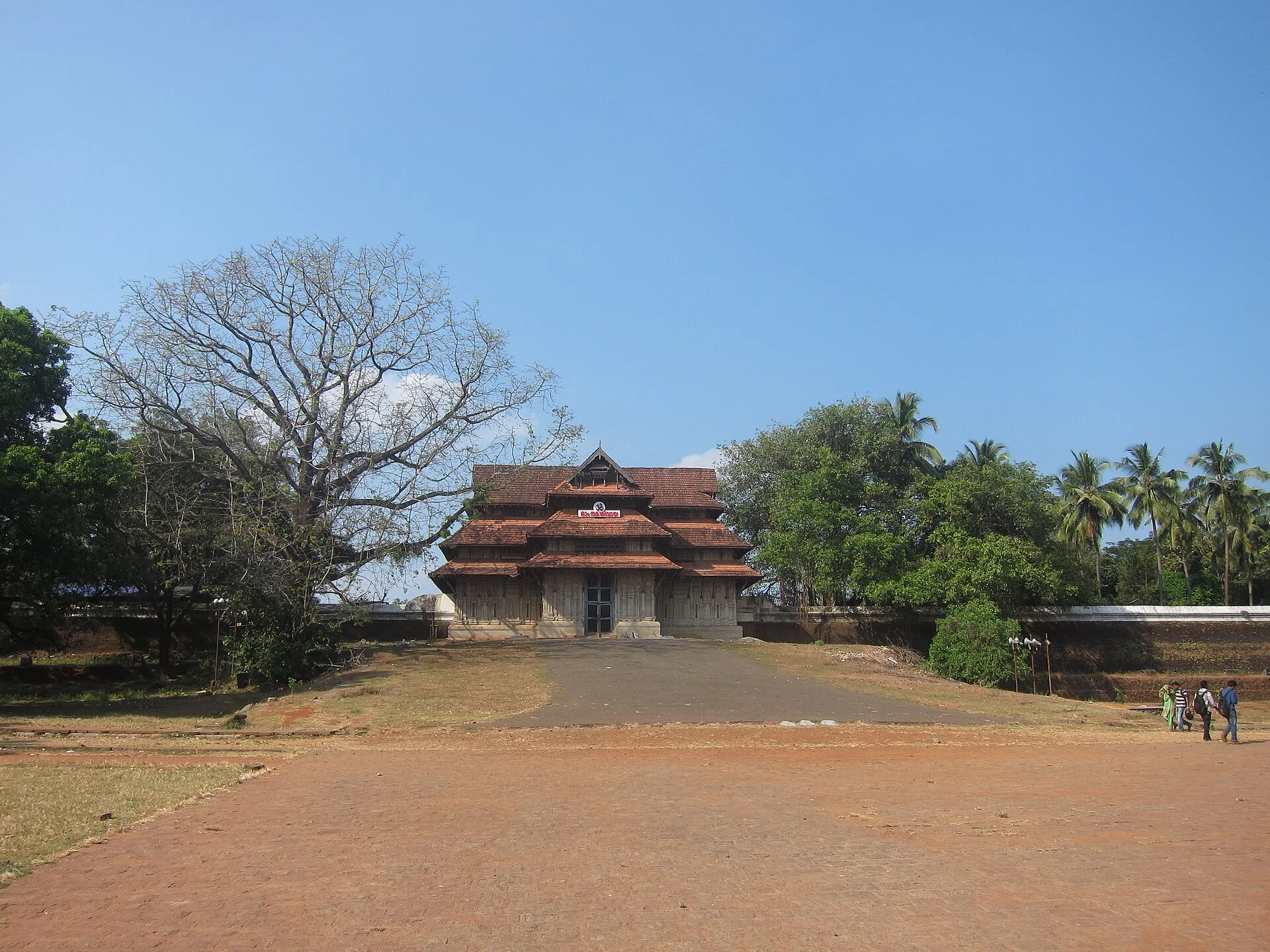
Vadakkunnathan Temple is an ancient Shiva temple on a low hill at the heart of Thrissur, and the setting of the famous Thrissur Pooram. Also known as Vadakkumnathan Kshetram, it stands within the wide open ground called Thekkinkadu Maidanam, with the busy town arranged in a great circle around it. Few temples shape their surroundings so completely. Roads, markets and daily routes all seem to turn about this green island, and the people of Thrissur treat it as the centre of their civic life as much as their worship.
The temple is counted among the oldest in Kerala, and local tradition connects its beginning with the sage Parasurama, who is credited in legend with raising the land of Kerala from the sea and establishing its early shrines. Historians approach its origins more cautiously, but the age of the institution is evident in its layout, its customs and the layers of craftsmanship within the walls. Here Shiva is worshipped as Vadakkunnathan, and the complex also honours Parvati, Shankaranarayana and Sri Rama, so that devotees move from shrine to shrine in an accustomed order. One of the best known features of worship is the daily offering of ghee to the Shiva linga, which over long years has formed a thick covering around it.
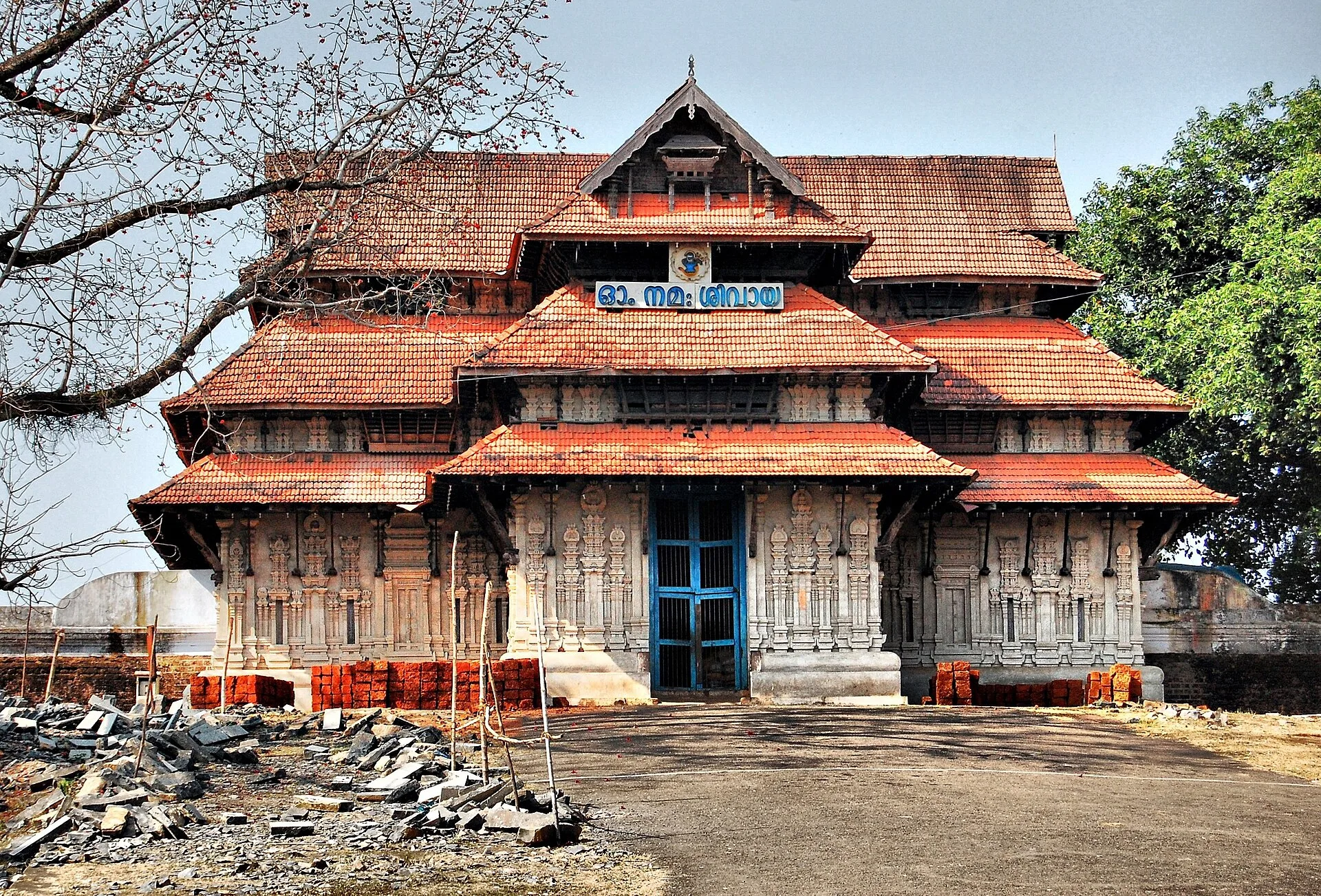
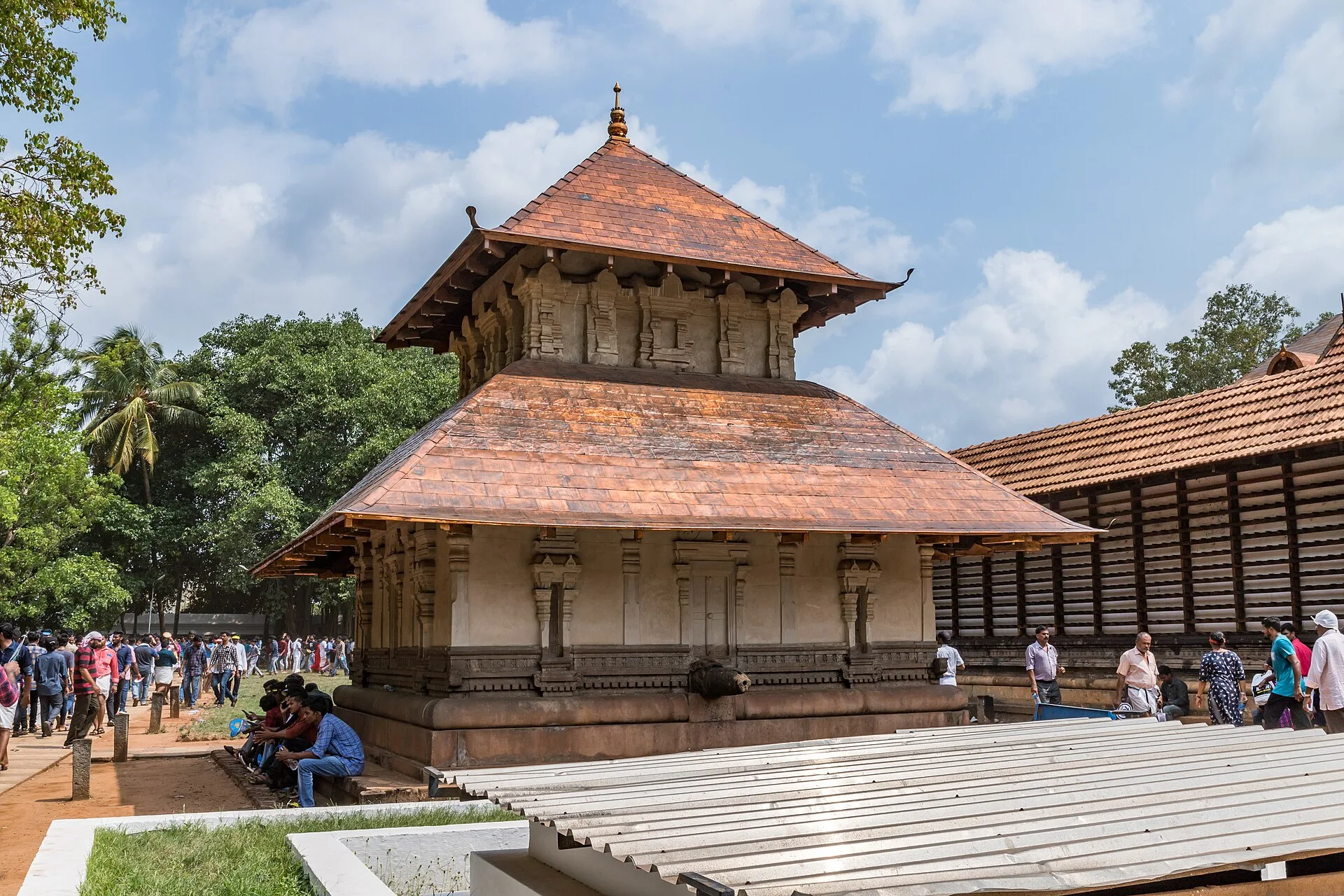
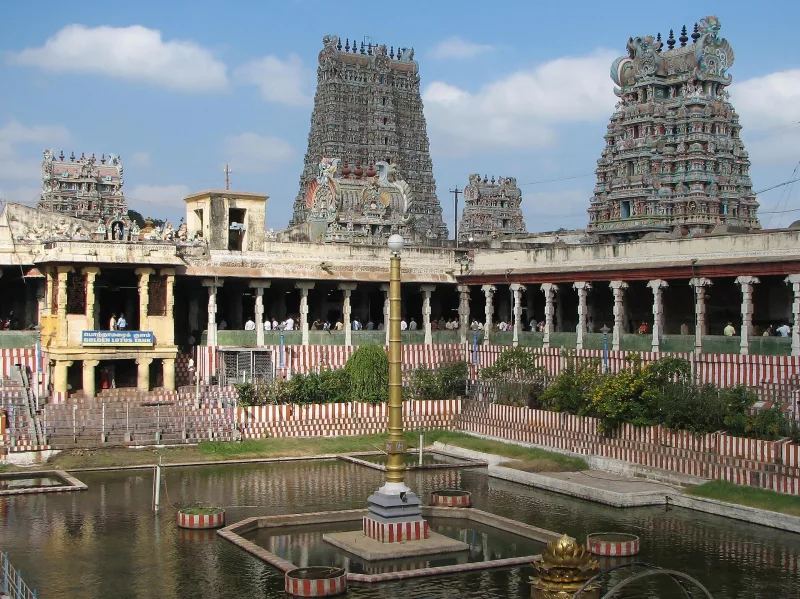
Architecturally the temple is a fine lesson in the Kerala style. High laterite and stone walls enclose the sacred precinct, entered through tall gopurams that rely on steep roofs of timber and tile in preference to the towering painted stonework seen further east. Sloping eaves shed the heavy monsoon rain, and the wood beneath them is carved with figures and scenes of great delicacy. The koothambalam, a hall built for the temple arts, is admired for its proportions and woodwork; it is a space designed for performances such as koothu and koodiyattam, among the oldest surviving theatre traditions of India. Mural paintings, including scenes drawn from the Mahabharata, add warm reds, ochres and greens to the walls. The care taken to conserve this heritage was recognised with a UNESCO Asia-Pacific award for cultural heritage conservation.
The maidanam outside is part of the experience. In the late eighteenth century Sakthan Thampuran, the energetic ruler of Cochin, reshaped Thrissur and organised the Thrissur Pooram around this temple, bringing processions from neighbouring temples together on its grounds. Every year in the Malayalam month of Medam, usually in April or May, caparisoned elephants, towering parasols, great percussion ensembles and fireworks turn the quiet circle into one of the most intense festival arenas in the country. On ordinary evenings the same ground is a place to walk, talk and rest under the trees.
For a peaceful visit, come early in the morning, when lamps are lit, priests are busy with the first rituals and the heat has not yet risen. One to two hours is usually enough to circle the shrines and look at the carvings without hurry. Traditional dress is expected inside: men commonly wear a dhoti and remove their shirts, and women wear a saree, churidar or similarly modest clothing. Footwear is left outside, and mobile phones and cameras are restricted. Temple customs, timings and rules of admission are applied carefully in Kerala, so read the notices and ask at the gate before you go in. Walk the shrines in the sequence that local devotees follow if someone is willing to guide you, and keep silence near the sanctums.
November to May is the favoured travel season, with April or May for those who want to witness the Pooram and the exhibitions that accompany it. If you come for the festival, book accommodation far ahead and be prepared for dense crowds. Thrissur railway station and the KSRTC bus stand are close to the temple, and Cochin International Airport offers air connections. Round off the day with a Kerala sadya served on a banana leaf, appam with stew, or a packet of crisp banana chips, then take an evening circuit of the Swaraj Round to see the temple walls glow softly above the lights of the town.
Mural paintings and woodcarving in the Kerala style
The wide Thekkinkadu Maidanam around the walls
Setting of the world-famous Thrissur Pooram
Koothambalam, where temple arts are performed
Photos (5)
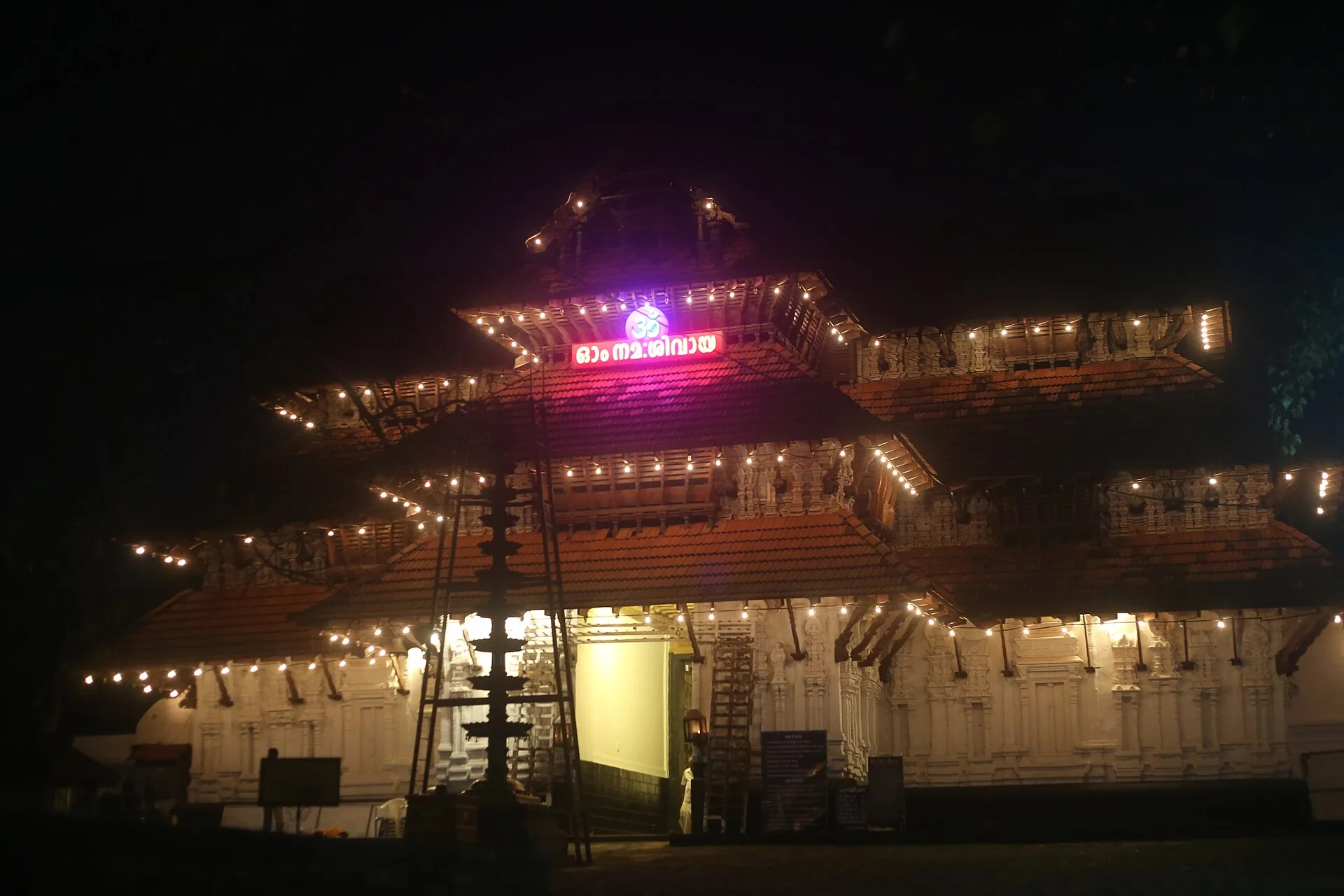
A gopuram of Vadakkunnathan TempleThe southern gopuramInside the temple compoundLamps at nightThe temple seen across the maidanam
Counted among the oldest temples of Kerala, it is known for its wooden carvings and mural paintings, including scenes from the Mahabharata. The conservation of the temple received a UNESCO Asia-Pacific award for cultural heritage.
In the late eighteenth century Sakthan Thampuran, ruler of Cochin, organised the Thrissur Pooram around it.
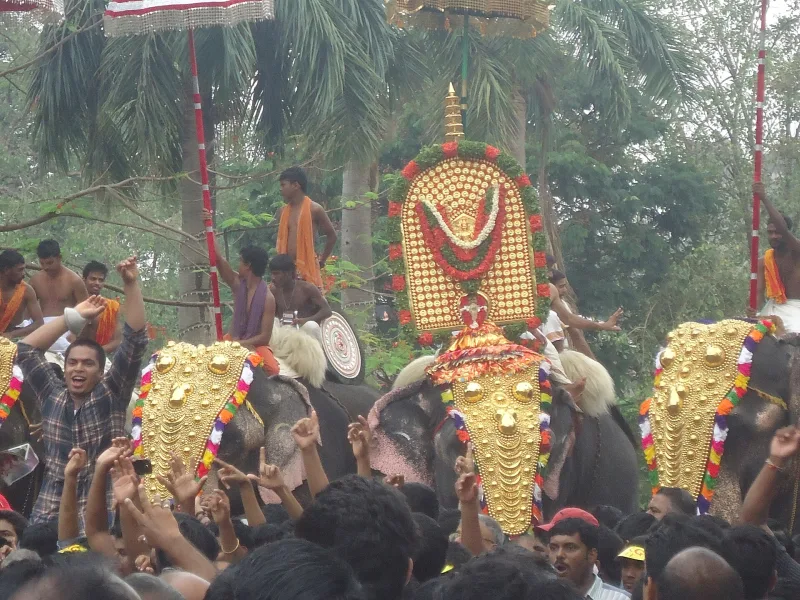
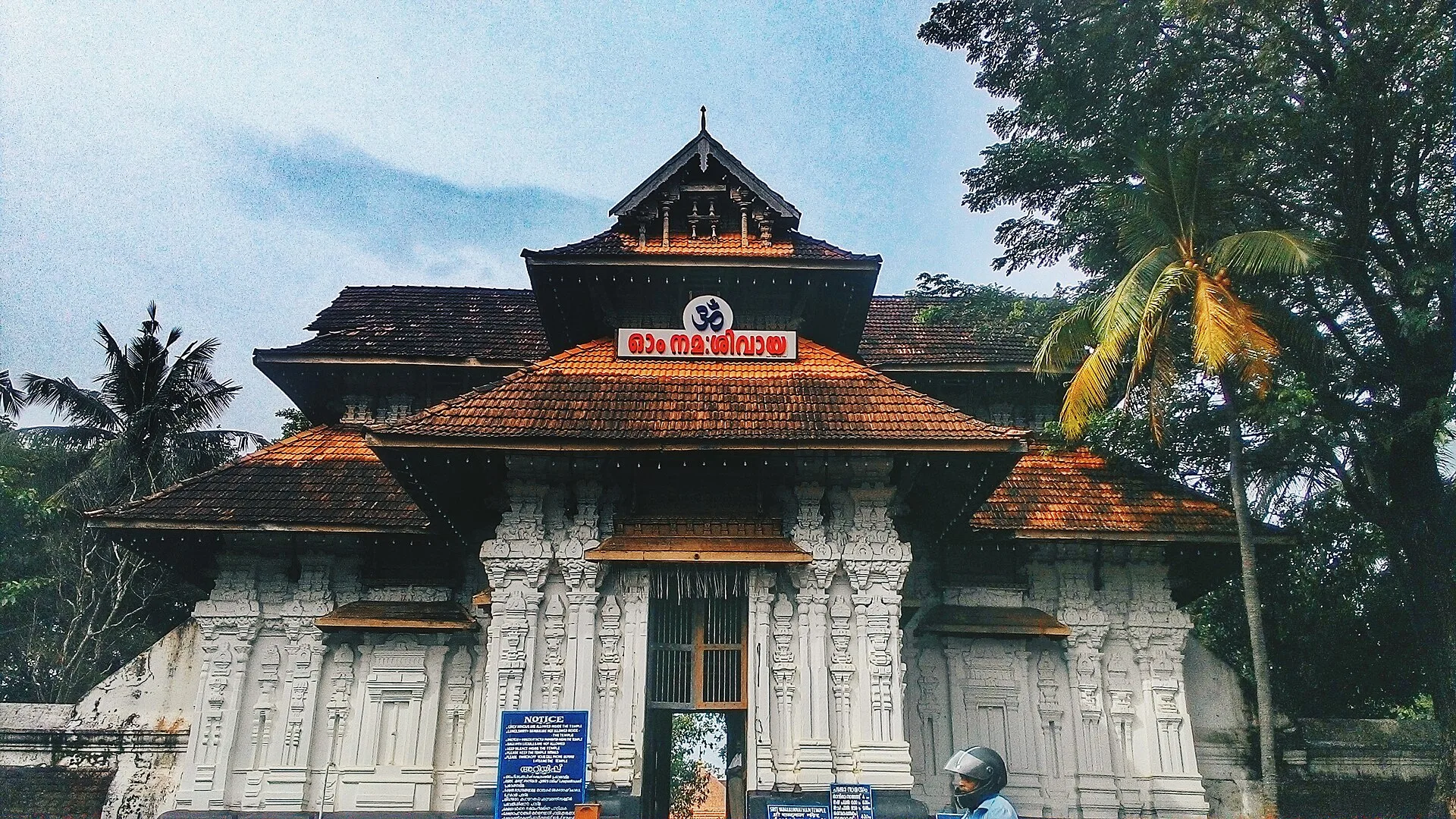 Photo: Akshay Bharath · CC BY-SA 4.0