Photo: Ranjith Siji · CC BY-SA 4.0

Museum

Mattancherry Palace

Kerala · ErnakulamAlso known as Dutch Palace

No ratings yet · be the first to review

The Portuguese built, Dutch repaired palace of the Kochi rajas, treasured for some of the finest Kerala murals in existence.

Best time to visit
Year round; mornings are less crowded
Time needed
1 to 2 hours

About Mattancherry Palace

Why you should visit

The Portuguese built, Dutch repaired palace of the Kochi rajas, treasured for some of the finest Kerala murals in existence.

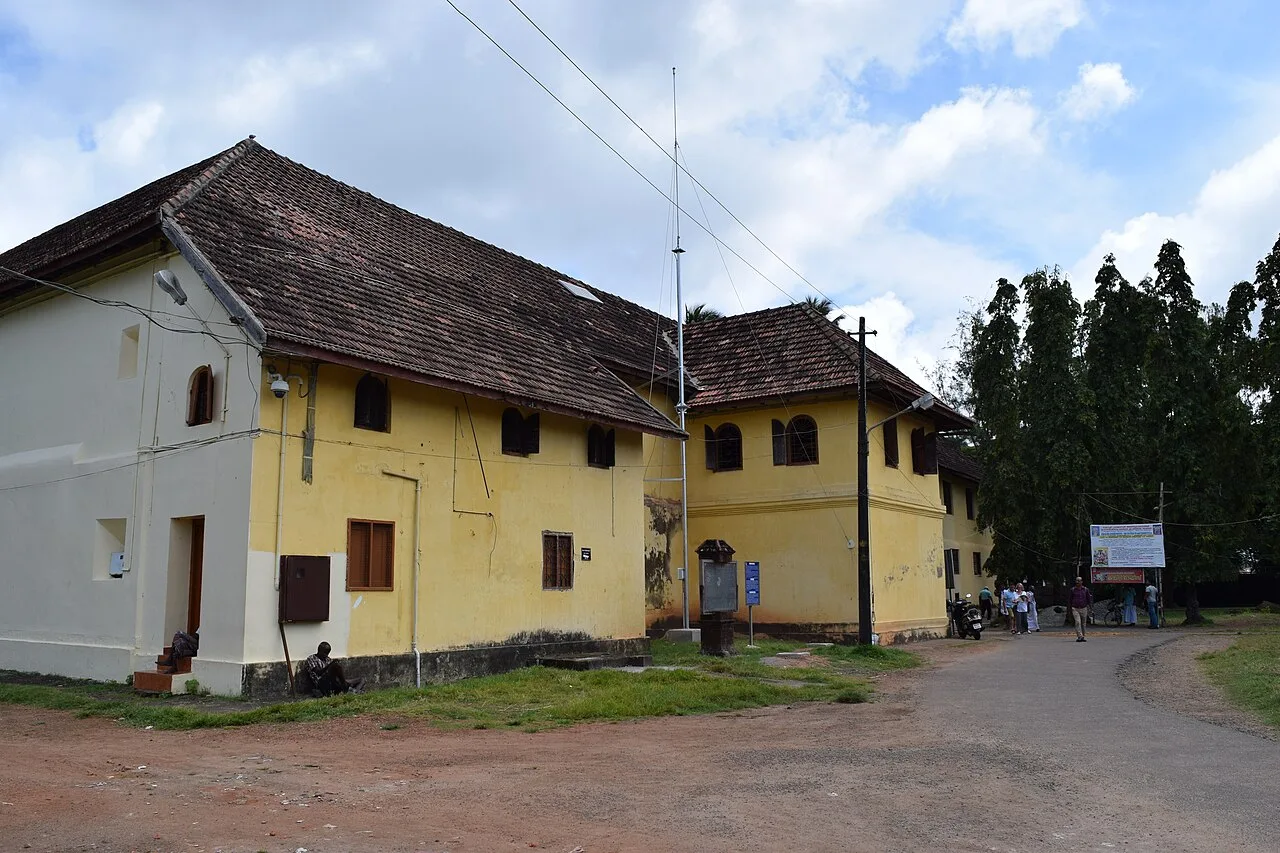
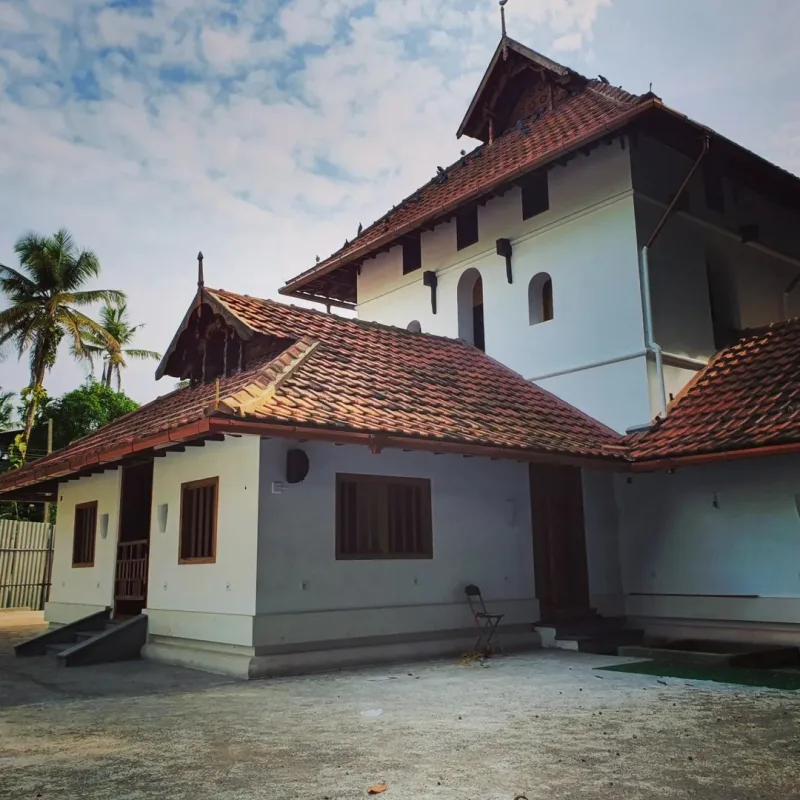
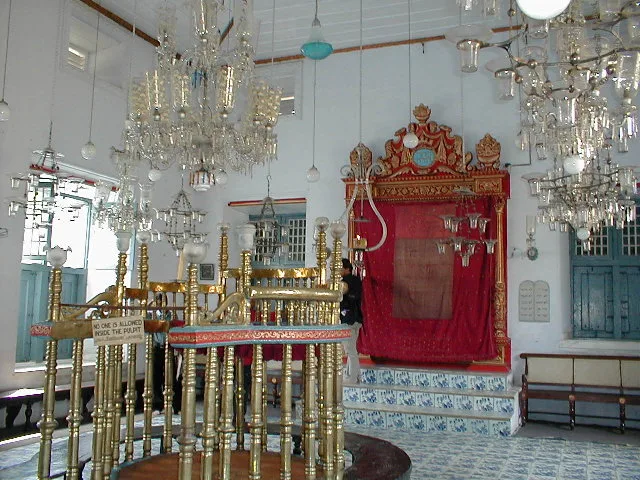
From outside, Mattancherry Palace looks modest: a plain two storeyed building with a sloping tiled roof beside a busy road. Step inside and the walls burst into colour. This palace of the Rajas of Kochi preserves one of the greatest collections of Kerala mural painting and tells the story of a small kingdom that survived by dealing shrewdly with powerful foreigners. Although widely known as the Dutch Palace, it was not first built by the Dutch. The Portuguese constructed it around 1545 and presented it to the king of Kochi, an offering meant to regain goodwill after they had plundered a temple nearby. When the Dutch took control of Mattancherry in 1663, they carried out repairs and additions, and the name stuck. The palace became the setting for royal ceremonies, including coronations. In 1951 it was restored and declared a centrally protected monument, and a further programme of conservation between 2007 and 2009 refreshed it. It has been included in India's tentative list for UNESCO World Heritage recognition. The murals are the reason most visitors come. Painted in natural pigments in rich reds, ochres, greens and black, they cover the walls of several rooms with crowded, rhythmic scenes. Episodes from the Ramayana unfold in sequence, and other panels depict Krishna, Shiva and the deities of the Puranas. Faces, ornaments and plants are drawn with remarkable confidence. Take time before one wall and follow a story across it; details appear that a hurried glance misses. The former Coronation Hall displays portraits of the Cochin rulers from 1864 onwards, painted in a Western manner that contrasts sharply with the murals. Cases hold royal palanquins, weapons, umbrellas, costumes, coins, stamps and maps that explain the politics of the spice coast. The wooden ceilings, floors and window seats show the traditional building craft of Kerala, which gives the interior a cool dim light. Within the courtyard stands a shrine to the family deity, and temples associated with the royal house lie in the compound. The palace is administered as an archaeological museum, with a small entrance charge. It is closed on a weekly holiday, usually Friday, and on certain public days, so verify timings before travelling. Photography is generally prohibited inside to protect the paintings. Bags may be restricted, and visitors should not touch walls. Because rooms are narrow, groups can become congested at midday; arriving at opening time gives a quieter experience. Mattancherry Palace is the natural starting point for a walk through the old trading quarter. A few minutes away lie Jew Town and the Paradesi Synagogue, founded beside the palace on land given by the raja, which shows the protection the rulers extended to merchant communities. Around them are antique shops, spice warehouses where the air smells of ginger and pepper, and streets where Gujaratis, Konkanis, Muslims, Christians and others have traded for centuries. You can reach Mattancherry by auto or on foot from Fort Kochi in about half an hour's walk, or by ferry from Ernakulam when services run to the Mattancherry jetty. Roads are narrow and parking limited. Ernakulam railway stations and the metro connect with the ferry points, and Cochin International Airport is the closest air gateway. October to March brings comfortable weather for walking, but the palace itself is a fine refuge on a rainy day. Guides are available outside; choose a recognised one and agree the fee. A small notebook helps children to record the animals and heroes they can identify in the paintings. Leaving the cool interior for the bright street, many visitors realise how rare it is to see such art still in the building for which it was made, and how much the rooms themselves add to the stories on their walls.
  • Large Ramayana mural cycles
  • Portraits of the Kochi rulers
  • Coronation Hall and royal palanquins
  • Temple within the palace courtyard

Photos (1)

Photo credits
  1. Photo: Ranjith Siji · CC BY-SA 4.0 · Source

Reels and Shorts

Instagram Reels and YouTube Shorts by vloggers and visitors.

Space for a Reel or Short

Space for a Reel or Short

Space for a Reel or Short

Space for a Reel or Short

YouTube videos

Full videos, guides and walkthroughs.

Space for a YouTube video

Space for a YouTube video

Reviews and ratings

– 0 reviews
  • 5 ★0
  • 4 ★0
  • 3 ★0
  • 2 ★0
  • 1 ★0

No reviews yet. Be the first to share your experience. Reviews appear here once a moderator approves them.

Write a Review

Special events & celebrations

None listed yet.

+ Add an event held here

Good to know

Visitor tips

  • Check the weekly holiday before visiting
  • Photography is not allowed inside
  • Remove footwear if asked
  • Combine with Jew Town on foot

How to reach

In Mattancherry, a short auto or boat ride from Fort Kochi and Ernakulam.

Address: Palace Road, Mattancherry, Kochi

Open directions in Google Maps

Sources

Where the details on this page come from. Timings, fees and phone numbers change, so confirm them before you travel.

Nearest places to Mattancherry Palace

Distances are in a straight line from Mattancherry Palace; travel by road is longer.

Places near me