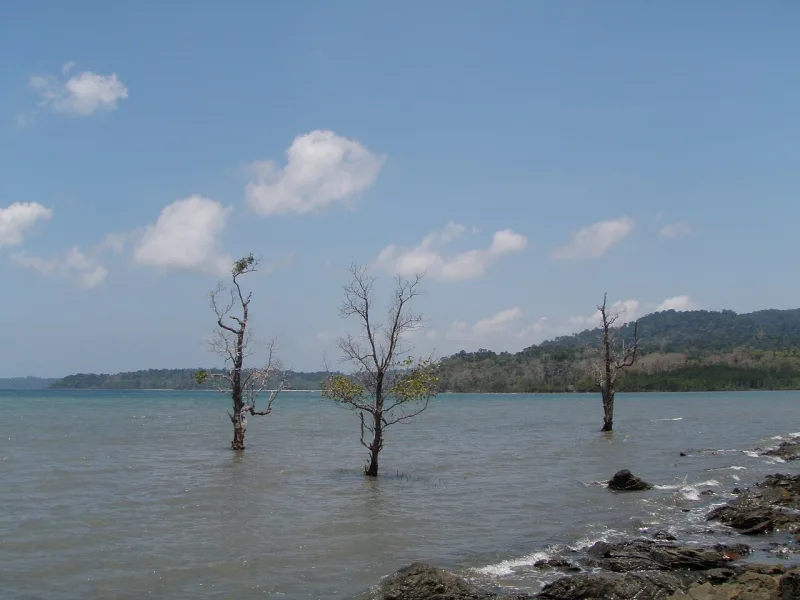
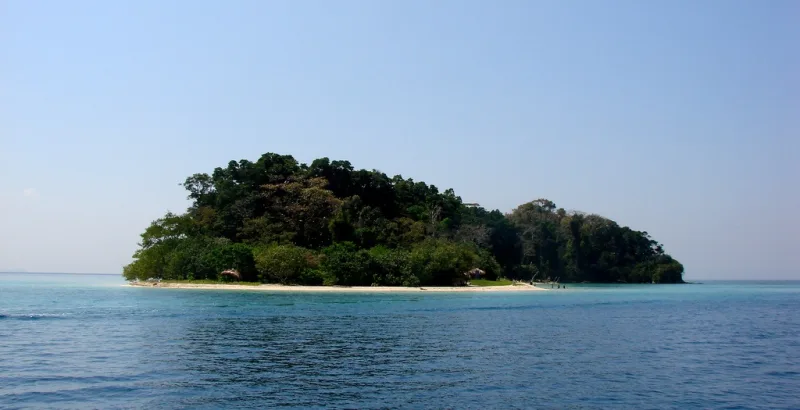
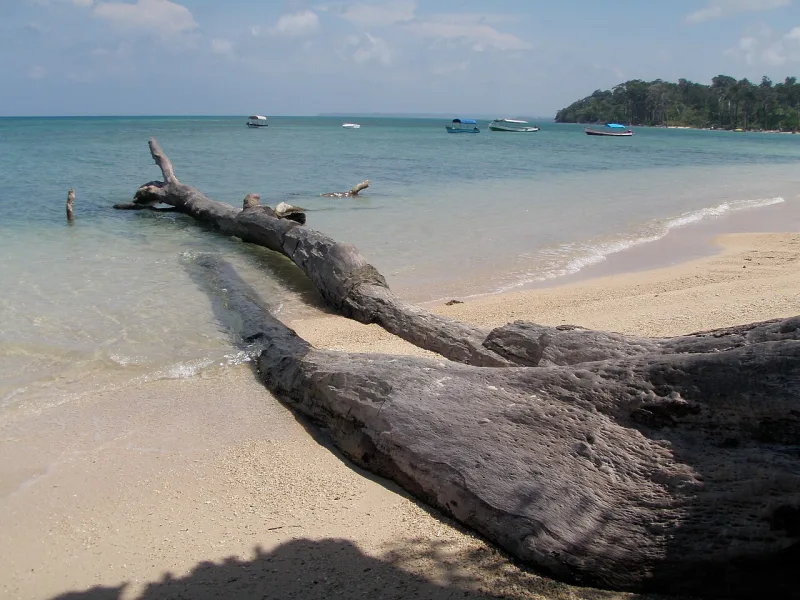
A remote pair of sanctuary islands joined by a sandbar, prized by divers for corals and shoals of fish.
The Cinque Islands are a remote pair of sanctuary islands joined by a sandbar, prized by divers for clear water, corals and shoals of fish. North Cinque and South Cinque lie between Rutland Island and Passage Island, south of Sri Vijaya Puram. Rainforest comes down to white sand, the sandbar links the shores and the surrounding sea is a celebrated dive site. No scheduled ferry calls here, which is one reason why the islands still feel untouched.
The islands are a wildlife sanctuary, and visits are controlled by the Forest Department. The protection covers forest, shore and the life that depends on them. Permission is required, and there are no facilities. A trip must therefore be planned with a licensed operator or a permitted charter, with every arrangement confirmed in advance.
The first sight of the pair is memorable. Two dark green masses of forest, a pale curve of sand between and shades of turquoise around them make a picture that justifies the journey by sea. Underwater, divers and snorkellers may find coral formations, large shoals and bigger fish in the clearer outer waters. Conditions vary with currents and season, and operators decide where it is safe to enter.
The neighbouring island of Rutland carries a story that every visitor to this region should hear. It was home to the Jangil, a forest community last recorded in 1907 and not found by a search in the 1920s. They are regarded as lost. Contact with outsiders, disease and the pressures of colonial settlement affected the Indigenous peoples of the Andamans severely, and this is a sobering reminder of why the remaining communities and their territories are protected today.
A visit takes a full day, with early departure from the mainland side. December to April is the best season, when the sea is usually calmer. Rough water can cancel or shorten a trip, so allow flexibility in your schedule. Discuss the length of the crossing with your operator, since it can be tiring, particularly for those prone to seasickness.
Before booking, check that the operator holds the necessary permissions, has a seaworthy boat, life jackets, communication equipment and first aid, and employs qualified dive staff if diving is planned. Divers should carry certification and observe safe intervals before flying. Beginners should ask whether the site and current strength suit their experience, and should disclose health conditions.
Because there are no facilities, bring drinking water, food in reusable containers, sun protection, a hat, towel, personal medicines and a dry bag. Take back all waste, including fruit peels and tissue. Do not remove shells, coral, plants or sand, do not light fires and do not enter the forest without permission. Stay off the coral, avoid touching marine animals and keep a distance from nesting or resting wildlife. Heed warnings about crocodiles and enter the water only where the guide says it is safe.
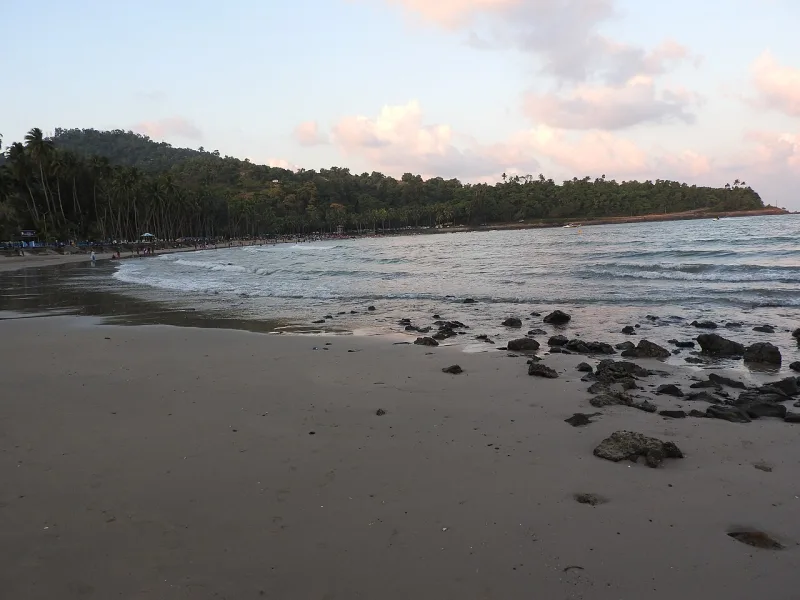
The trip generally begins from Sri Vijaya Puram or the southern coast, depending on the operator's arrangements. Chidiya Tapu, with its forest and sunset trail, lies on the way for those starting from the southern side and can be explored on another day. Compared with busier beaches, the Cinque Islands ask for more planning and some expense, and the reward is solitude and a vivid sense of the archipelago as it must have looked long ago. Ask your operator beforehand what happens if the weather changes during the day, how refunds are handled and what time you must leave the islands, so that there are no surprises once you are far from shore. Visitors who respect the sanctuary's limits help to ensure that its sandbar remains clean, its waters full of movement and its forests silent apart from birds and the sound of the surrounding sea.
The islands are a wildlife sanctuary; visits are controlled by the Forest Department.
Stories worth knowing
Neighbouring Rutland and a vanished people
Nearby Rutland Island was home to the Jangil, a forest community last recorded in 1907 and not found by a search in the 1920s. They are regarded as lost, a sobering reminder of why remaining communities are protected.
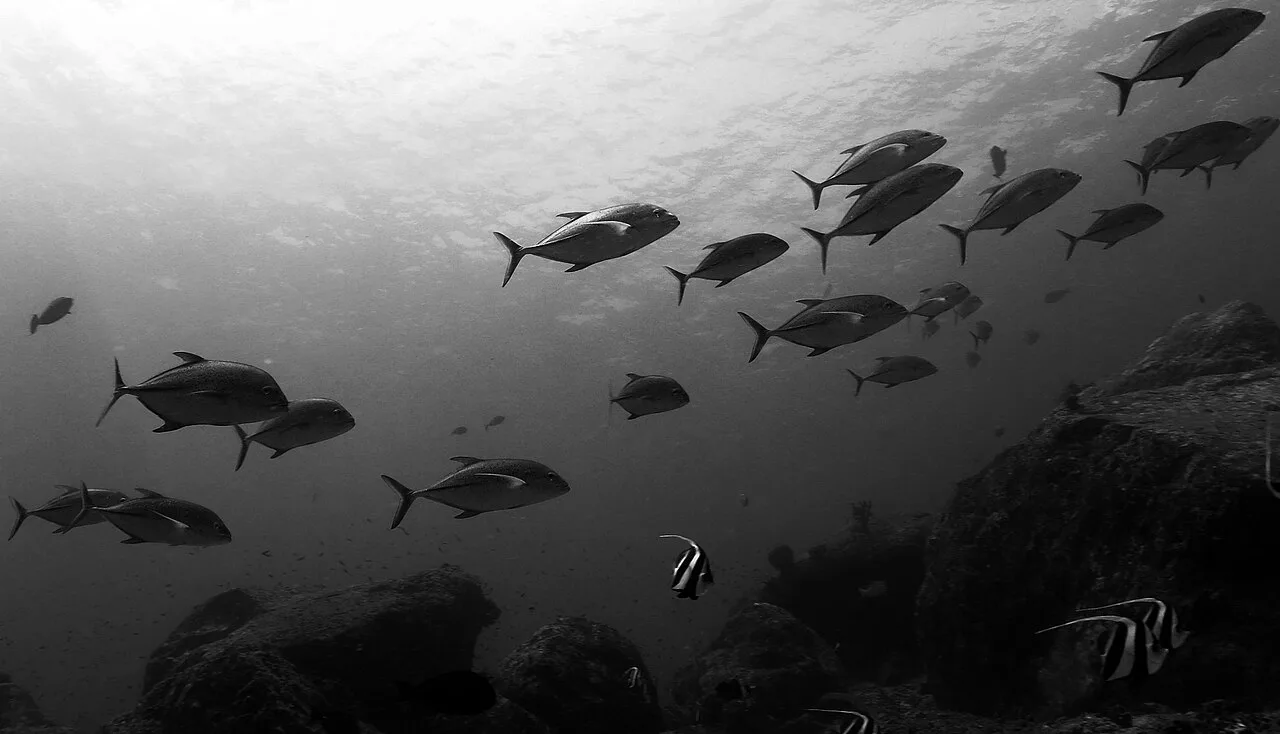 Photo: Vardhan Patankar · CC BY-SA 4.0