Photo: Sankara Subramanian from Bangalore, India · CC BY 2.0
Photo: Anshul Arora · CC BY-SA 4.0
Photo: PJeganathan · CC BY-SA 3.0

National Park and Wildlife Closed now

Jolly Buoy and Red Skin Islands (Marine National Park)

Andaman and Nicobar Islands · South AndamanAlso known as Mahatma Gandhi Marine National Park, Jolly Bouy

No ratings yet · be the first to review

Two uninhabited coral islands that take turns receiving visitors, inside a protected park of reefs, mangroves and turtle beaches.

Today
9:00 AM – 2:00 PM
Best time to visit
Jolly Buoy: mid-November to mid-May
Time needed
A full day
Entry
Permit and boat charges apply; confirm current rates when booking.

About Jolly Buoy and Red Skin Islands (Marine National Park)

Why you should visit

Two uninhabited coral islands that take turns receiving visitors, inside a protected park of reefs, mangroves and turtle beaches.

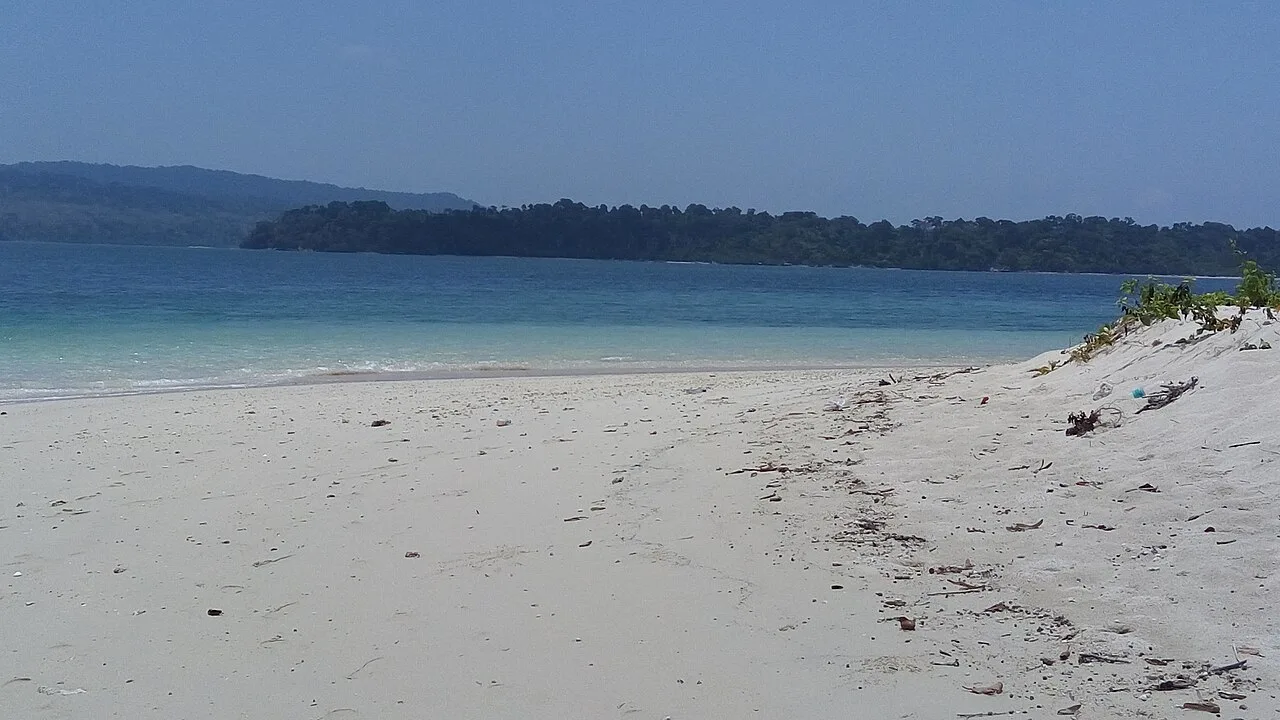
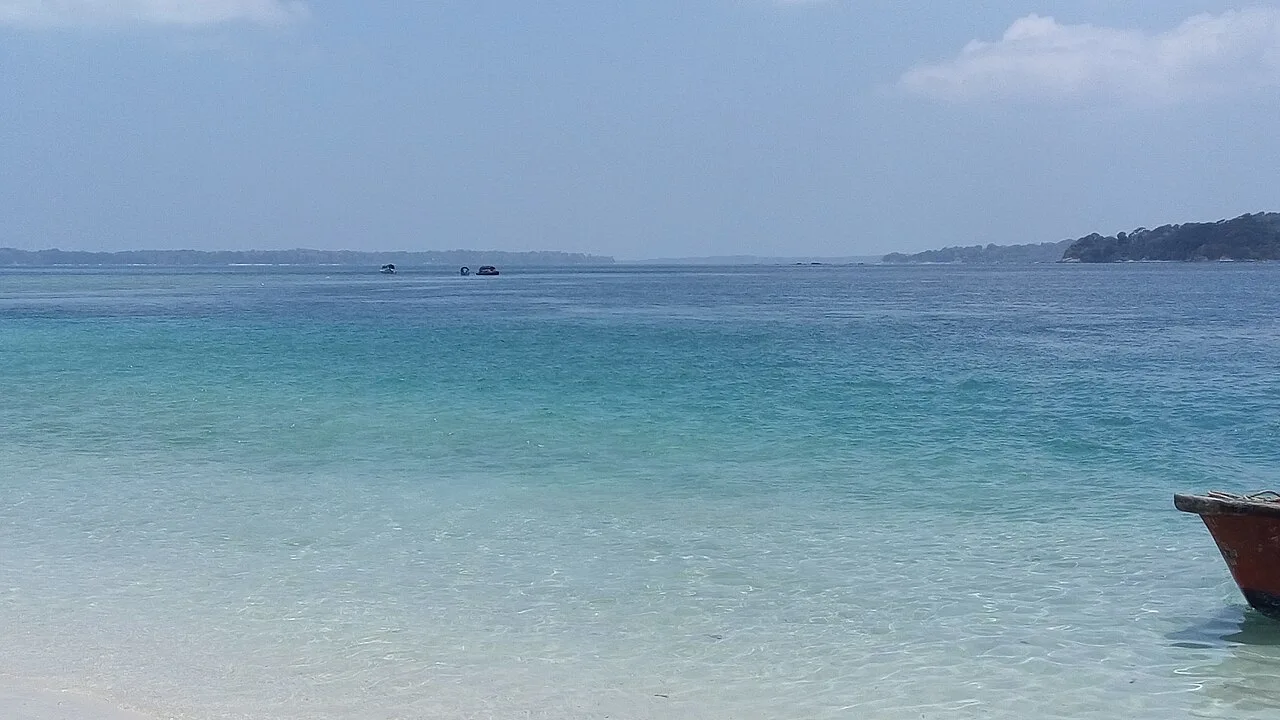
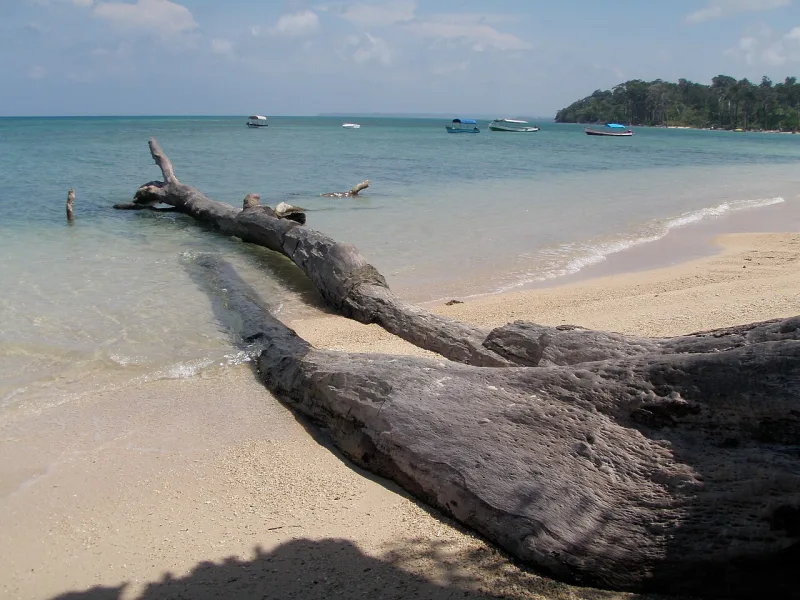
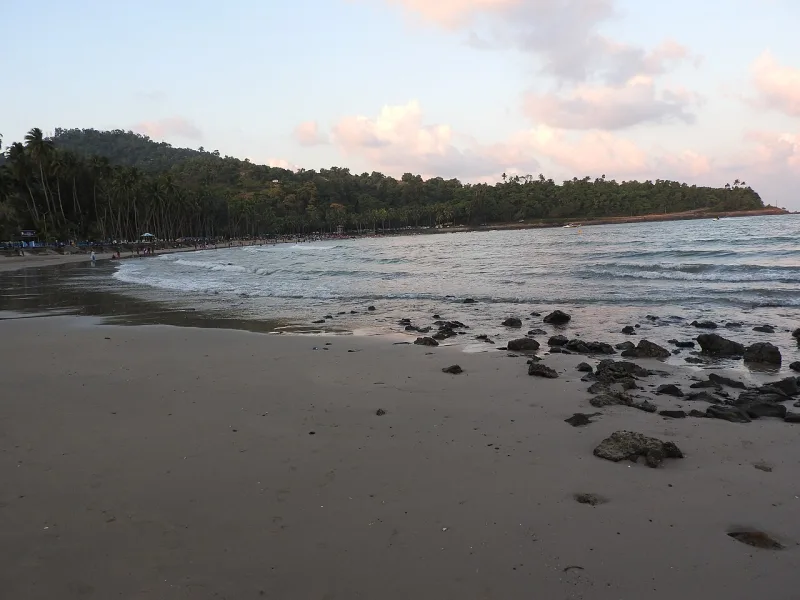
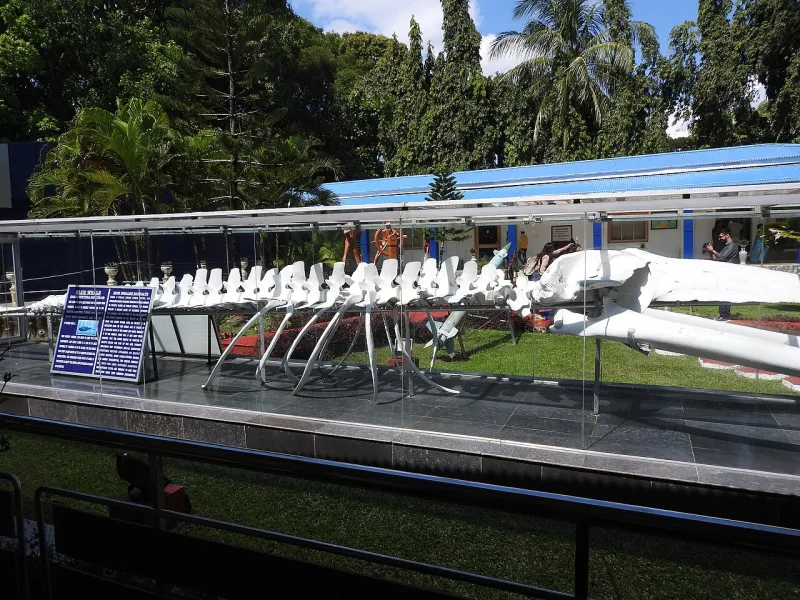
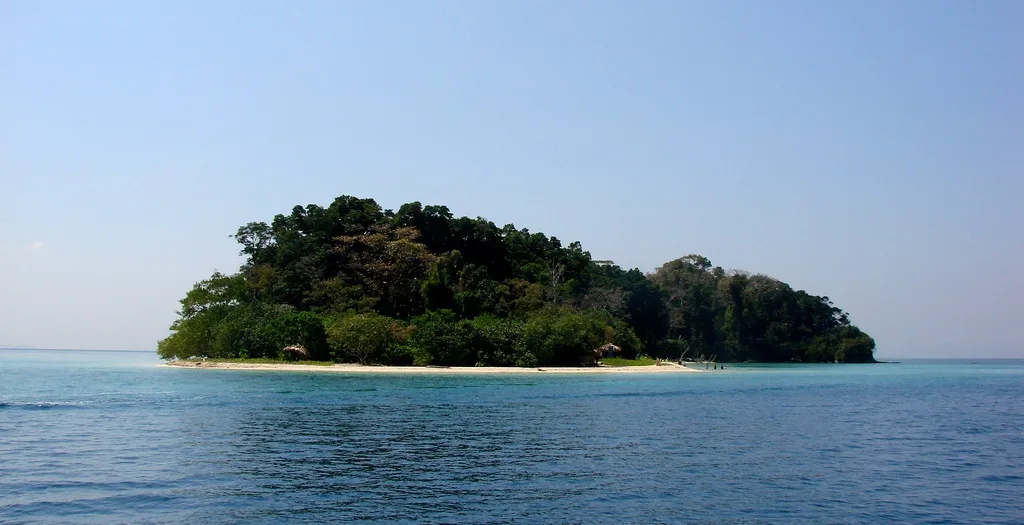
Jolly Buoy and Red Skin are two uninhabited coral islands that take turns receiving visitors inside the Mahatma Gandhi Marine National Park. Clear shallows, glass bottom boats, snorkelling over fringing reefs and clean white sand make these among the loveliest day trips in the Andamans. To allow the islands to recover, only one is open at a time: Jolly Buoy from about mid-November to mid-May, and Red Skin from about mid-May to mid-November. The park was established on 24 May 1983 under the Wildlife Protection Act of 1972 to safeguard corals and the nesting places of sea turtles. It covers about two hundred and eighty one and a half square kilometres of sea and some seventeen or more islands, under the authority of the Chief Wildlife Warden. This protection explains the careful rules that visitors meet, and it also explains why the water and shore remain so attractive. The journey begins at Wandoor Jetty. As the boat moves through channels and past forested islands, the colour of the water shifts from deep blue to turquoise over sand and reef. On arrival, the island offers a short period for viewing coral from a glass bottom boat, snorkelling with a guide in permitted areas and resting on the beach. Beneath the surface you may see branching and rounded corals, parrotfish, damselfish, clownfish among anemones and many other creatures, depending on conditions. The rotation of islands and the daily cap of two hundred and eighty visitors are conservation in practice. A reef needs time without disturbance, and a beach needs to be free of rubbish for turtles and birds. Single use items left behind can be swallowed or entangle animals. Carry back everything that you take, and avoid disposable plastic altogether. There is no food service or overnight stay on the island, so bring your own food and water in reusable containers. Never stand on coral, touch marine animals, collect shells, coral or sand, or feed fish. Keep your fins clear of the bottom and swim only where guides permit. If you are not a confident swimmer, say so and wear the life jacket provided. Follow every instruction from forest staff and boat crews, and keep to the marked part of the beach. Plan for a full day. Obtain permits from the Forest Department, issued at the IP and T reception, or ask authorised operators who book private boats. Check in at the park counter before boarding. Leave the city by seven in the morning. Boats are listed as leaving Wandoor around half past eight to nine and returning by about two, giving two to three hours on the island. Permit and boat charges apply, so confirm current rates when booking. Carry government photo identification. Jolly Buoy's season, from mid-November to mid-May, usually offers calm seas and good visibility. Boats may be cancelled in rough weather, and rules can change for conservation, so check a day or two before travelling and keep a spare day in your plan if possible. Wear a hat and light protective clothing, take any motion sickness medicine in advance and pack phones in a dry bag. The journey from Sri Vijaya Puram to Wandoor is by taxi, hired vehicle or early bus. The Marine Interpretation Centre at the park entrance and the driftwood beach can be seen if time allows. When the boat turns back, look once more at the ring of white sand and dark forest. Places like this stay beautiful only because limits are accepted. Each visitor who brings food in a tin, floats gently above the reef and leaves with nothing except memories becomes part of the reason that the next person will find clear water and living coral waiting.
  • Snorkelling over coral gardens
  • Glass-bottom boat rides
  • Untouched white sand
  • Turtle breeding islands nearby

Photos (4)

Photo credits
  1. Photo: Sankara Subramanian from Bangalore, India · CC BY 2.0 · Source
  2. Photo: Anshul Arora · CC BY-SA 4.0 · Source
  3. Photo: Anshul Arora · CC BY-SA 4.0 · Source
  4. Photo: PJeganathan · CC BY-SA 3.0 · Source

Reels and Shorts

Instagram Reels and YouTube Shorts by vloggers and visitors.

Space for a Reel or Short

Space for a Reel or Short

Space for a Reel or Short

Space for a Reel or Short

YouTube videos

Full videos, guides and walkthroughs.

Space for a YouTube video

Space for a YouTube video

Reviews and ratings

– 0 reviews
  • 5 ★0
  • 4 ★0
  • 3 ★0
  • 2 ★0
  • 1 ★0

No reviews yet. Be the first to share your experience. Reviews appear here once a moderator approves them.

Write a Review

History and significance

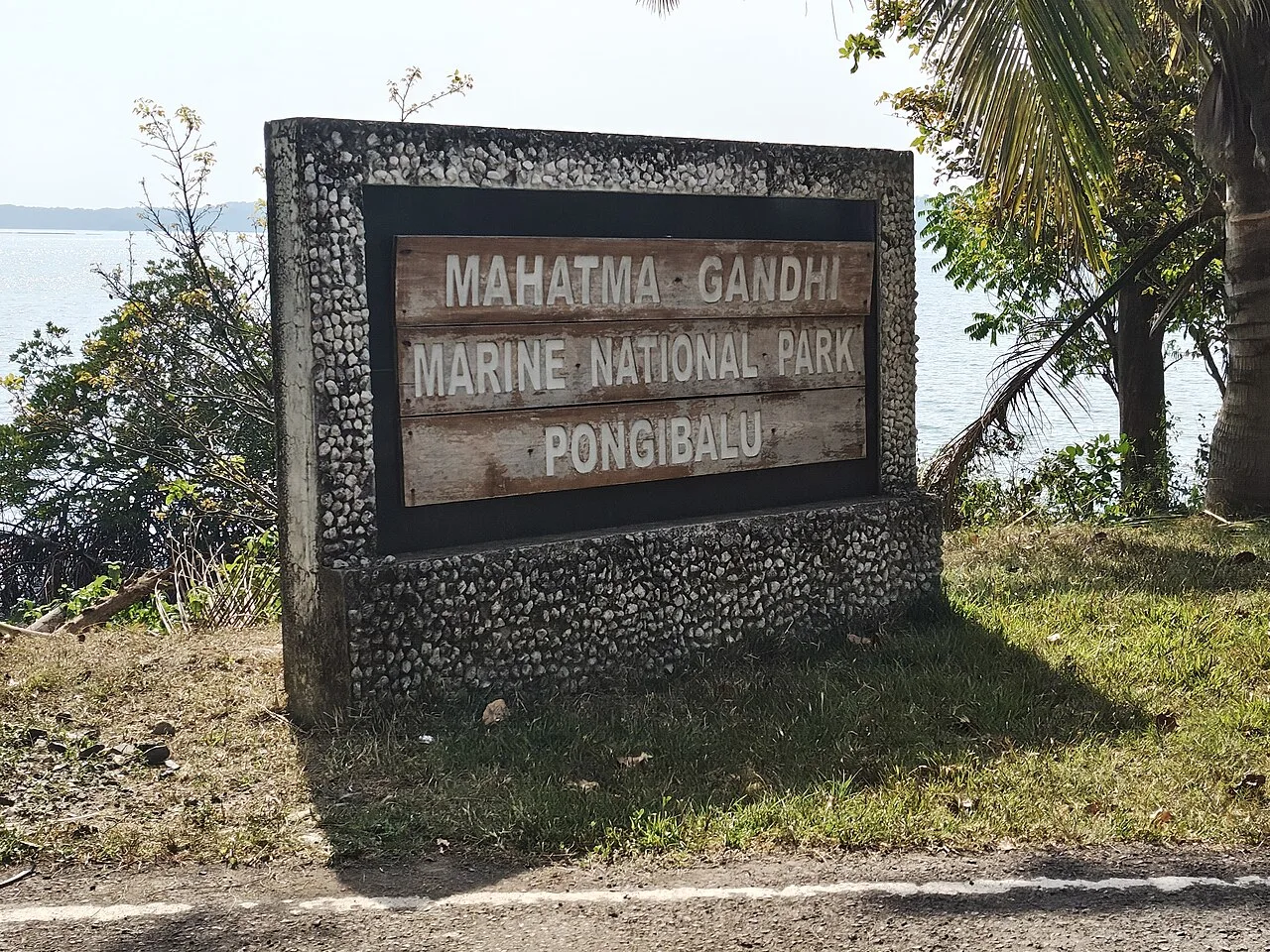
The Mahatma Gandhi Marine National Park was established on 24 May 1983 under the Wildlife (Protection) Act of 1972 to safeguard corals and nesting sea turtles. It covers about 281.5 square kilometres of sea and some seventeen or more islands, under the Chief Wildlife Warden.

Stories worth knowing

Giving a reef time to breathe

The seasonal rotation and the daily cap are conservation in practice. Single-use items left behind harm turtles and birds, so carry back everything you take.
Things to see and do

  1. Collect your permit in advance
  2. Join the boat from Wandoor Jetty
  3. Snorkel with a guide
  4. Watch the water’s colours change from the shore

Special events & celebrations

None listed yet.

+ Add an event held here

Special seasons

Red Skin open

May – November

Roughly mid-May to mid-November, weather permitting.

Jolly Buoy open

November – May

Roughly mid-November to mid-May.

Good to know

Visitor tips

  • Permits come from the Forest Department, issued at the IP&T reception; private boats are booked through authorised operators
  • Check in at the park counter before boarding
  • Leave the city by 7 am
  • Bring your own food and water without disposable plastic
  • Take nothing from the reef or beach

How to reach

Nearest airportVeer Savarkar International Airport
Road to Wandoor Jetty (about 30 km, 30 to 40 minutes), then a boat of 20 to 45 minutes.

Open directions in Google Maps

Sources

Where the details on this page come from. Timings, fees and phone numbers change, so confirm them before you travel.

Nearest places to Jolly Buoy and Red Skin Islands (Marine National Park)

Distances are in a straight line from Jolly Buoy and Red Skin Islands (Marine National Park); travel by road is longer.
Places near me