The best place to learn, respectfully and without intruding, about the Indigenous peoples of the Andaman and Nicobar Islands.
The Zonal Anthropological Museum is the best place in Sri Vijaya Puram to learn, respectfully and without intruding, about the Indigenous peoples of the Andaman and Nicobar Islands. Also known as the Anthropological Museum of Port Blair, it presents models, tools, canoes, ornaments, dwellings and photographs that introduce six communities: the Great Andamanese, Onge, Jarawa and Sentinelese of the Andamans, and the Nicobarese and Shompen of the Nicobars. Visit it early in your trip, because it changes the way you see the forests and coasts that you travel through.
The museum draws on the work of anthropologists in the islands and preserves the material culture of communities whose presence here long predates any outside settlement. Their knowledge of sea, forest, plants, animals and weather developed over a very long time, and the objects on display reflect clever solutions to the demands of island life. A canoe hollowed from a tree, a finely woven basket or a fishing implement is evidence of skill and close observation.
Each community has its own history, and some are very fragile. The Great Andamanese, once ten groups numbering several thousand, fell to a few dozen after colonial contact brought disease and upheaval; about fifty nine were counted in 2020. The Onge numbered 672 in 1901 and about 101 in 2011. The Jarawa are estimated at a few hundred, and the Shompen of Great Nicobar at about 229 in 2011. The Nicobarese, around twenty nine thousand, are by far the largest community. Reading these figures beside the exhibits helps visitors understand why protection matters so much.
Laws safeguard the communities. Tribal reserves are protected under the Andaman and Nicobar Islands Protection of Aboriginal Tribes Regulation of 1956. Entering a reserve, or photographing, approaching or giving anything to its people, is an offence. The Sentinelese of North Sentinel Island refuse contact, and going within about five kilometres of their island is banned. People who have tried to approach have endangered the community, which has little resistance to outside diseases, and some intruders have been killed.
The Andaman Trunk Road, which cut through Jarawa forest, has been the subject of court cases. In 2001 the Calcutta High Court, in a public interest case, ruled against relocating the community and against extending the road. In 2013 the Supreme Court briefly stopped tourist traffic and then allowed it to continue in controlled convoys. Treating the Jarawa as a sight to be seen is illegal and harmful. If you travel that road, obey every rule without exception.
Move slowly through the galleries, read each community's panels and look for the differences between Andamanese and Nicobarese ways of life, in houses, boats, ornaments and food. Study the models of traditional dwellings, which show how people adapted to rain, heat and the shore. Staff may be able to explain current protection rules. Encourage children to speak of the people shown as neighbours with their own dignity and choices, and not as curiosities.
One to two hours is a good allowance. The museum is closed on Mondays and government holidays, and there is a lunch break from one to half past one. Published fees are twenty rupees for Indian visitors and fifty for foreigners, with a further twenty rupees for photography. Confirm current hours and charges at the entrance. It is an excellent choice for a rainy afternoon.
The building, with its painted frontage, faces Kamaraj Road and is easy to reach by auto, taxi or bus. The Samudrika Naval Marine Museum can be combined on the same day, giving a picture of both the people and the sea, and the Cellular Jail and Aberdeen Bazaar are a short ride away. Deposit bags if asked, keep voices low and do not touch exhibits. Travellers who leave this museum with a sense of humility will be better guests everywhere in the islands, mindful that for some communities the greatest gift a visitor can offer is to respect their boundaries and leave them in peace.
Models of traditional dwellings and canoes
Tools, weapons, baskets and ornaments
Photographs and notes on each community
The painted frontage facing Kamaraj Road
Photos (2)
The painted frontage of the museumThe museum on Kamaraj Road
The museum presents the work of anthropologists in the islands and the material culture of communities whose presence here long predates any outside settlement.
Stories worth knowing
Six peoples, very different histories
Census and survey figures show how fragile some of these communities are. The Great Andamanese, once ten groups numbering several thousand, fell to a few dozen after colonial contact brought disease and upheaval; about 59 were counted in 2020. The Onge numbered 672 in 1901 and about 101 in 2011. The Jarawa are estimated at a few hundred, and the Shompen of Great Nicobar at about 229 in 2011. The Nicobarese, around 29,000, are by far the largest community.
The right to be left alone
Tribal reserves are protected under the Andaman and Nicobar Islands (Protection of Aboriginal Tribes) Regulation of 1956. Entering a reserve, or photographing, approaching or giving anything to its people, is an offence.
The Sentinelese of North Sentinel Island refuse contact. Going within about five kilometres of their island is banned. People who have tried have endangered the community, which has little resistance to outside disease, and some have been killed.
The courts and the Jarawa road
The Andaman Trunk Road cut through Jarawa forest. A 2001 Calcutta High Court judgment, in a public-interest case, ruled against relocating the community and against extending the road. In 2013 the Supreme Court briefly stopped tourist traffic and then allowed it to continue in controlled convoys. Treating the Jarawa as a sight to be seen is illegal and harmful.
Things to see and do
Read each community’s panels
Look for the differences between Andamanese and Nicobarese life
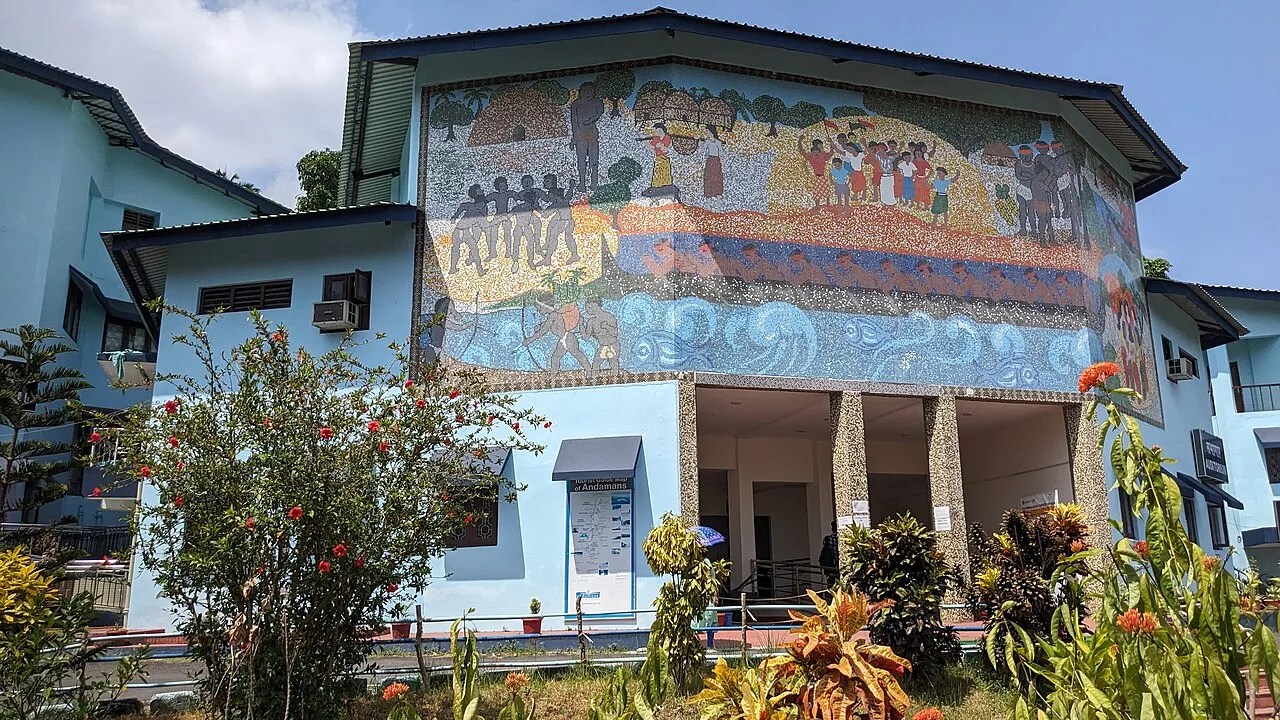 Photo: Vinayaraj · CC BY-SA 4.0
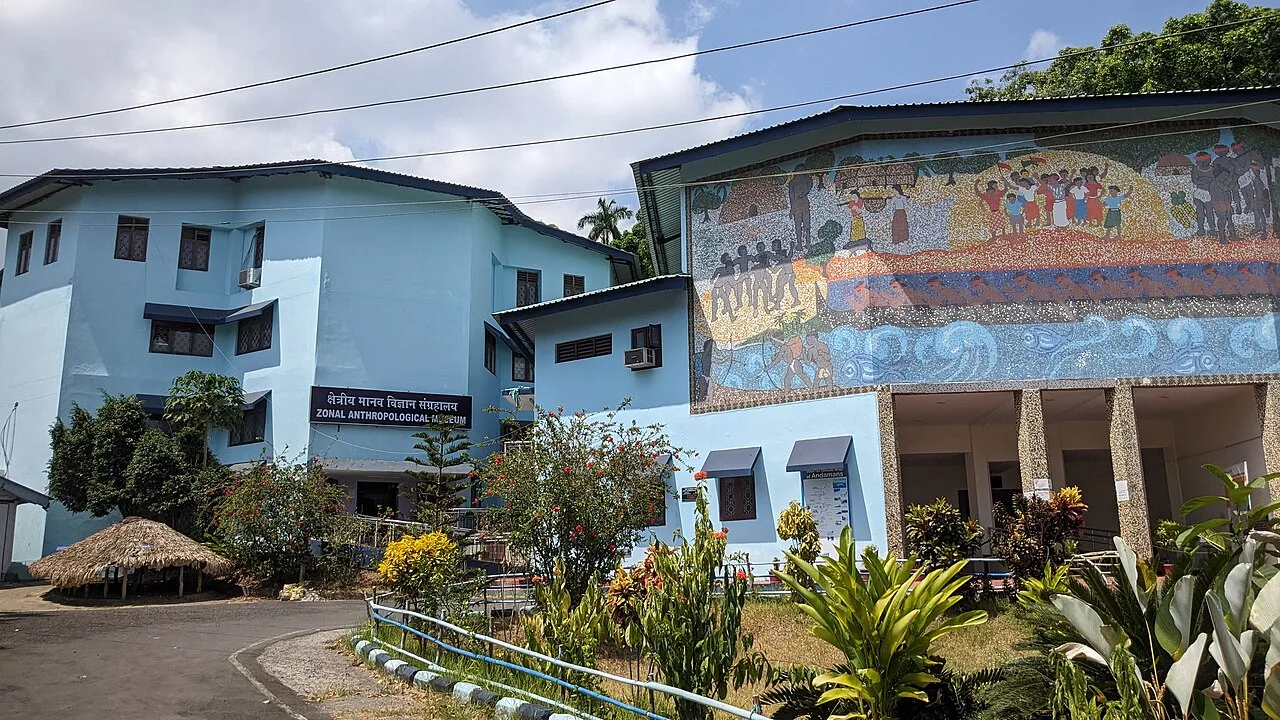 Photo: Vinayaraj · CC BY-SA 4.0