The ground where Subhas Chandra Bose hoisted the Indian tricolour on 30 December 1943.
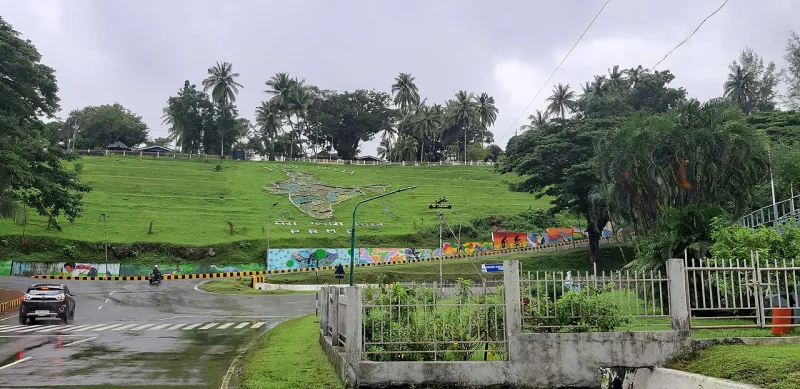
The Netaji Flag Hoisting Memorial marks the ground in Sri Vijaya Puram where Subhas Chandra Bose hoisted the Indian tricolour on 30 December 1943. Associated with Netaji Stadium, the old Gymkhana Ground, and often called the 30 December Memorial, it recalls one of the most stirring moments of the freedom struggle. It is a short stop that pairs naturally with the Cellular Jail, a few minutes away.
Japanese forces occupied the Andaman Islands in March 1942, during the Second World War. At the end of December 1943 provisional control was handed to the Azad Hind government led by Bose, and on 30 December he hoisted the flag here. He proposed new names for the island groups, Shaheed, meaning martyr, and Swaraj, meaning self rule. To Indians fighting for independence, the sight of the national flag raised on territory described as free carried enormous power.
The full story is more complicated, and visitors should know it. Real power in the islands stayed with the Japanese military. A. D. Loganathan, named governor under Azad Hind, had little authority over the occupiers. The same months were a time of terrible suffering for residents, with arrests, torture and killings. Remembering both truths, the hope expressed by the flag and the cruelty of occupation, honours the islanders who lived through those years.
British control was restored on 7 October 1945, in a handover on the same ground. Decades later, for the seventy fifth anniversary of the flag hoisting, the government of India in December 2018 renamed Ross, Neil and Havelock islands as Netaji Subhas Chandra Bose Dweep, Shaheed Dweep and Swaraj Dweep, carrying Netaji's ideas into everyday geography. Travellers now see these names on boat tickets and signboards.
At the memorial, pause before the monument and look across the open ground. Picture the assembled people, the officials and soldiers, and the flag rising against the tropical sky. The ground is now used for sport and public events, so history and everyday activity share the same space. Reading a short biography of Bose beforehand, and the account of the Azad Hind movement, will deepen the visit.
The tourism department's map link, used for directions on this page, leads to the Tiranga Memorial, also called Flag Point, on the waterfront about a kilometre away. It is worth seeing both places: the historic ground and the memorial by the sea where the tricolour is a prominent sight. Ask locally if you are unsure which one you have reached.
Twenty to thirty minutes is enough for a visit. No fixed closing time is published, and the stadium may be in use for events, which can limit access. Come in daylight and respect the instructions of staff. The anniversary on 30 December is marked with ceremonies, and visitors in the islands then should check the programme and arrive early. The weather in the main season, October to May, is generally convenient for walking, though midday sun can be strong.
Behave with the dignity due to a national memorial. Do not climb on monuments, litter or take careless poses with the flag. Stand when ceremonies include the national anthem. Ask before photographing people taking part in observances.
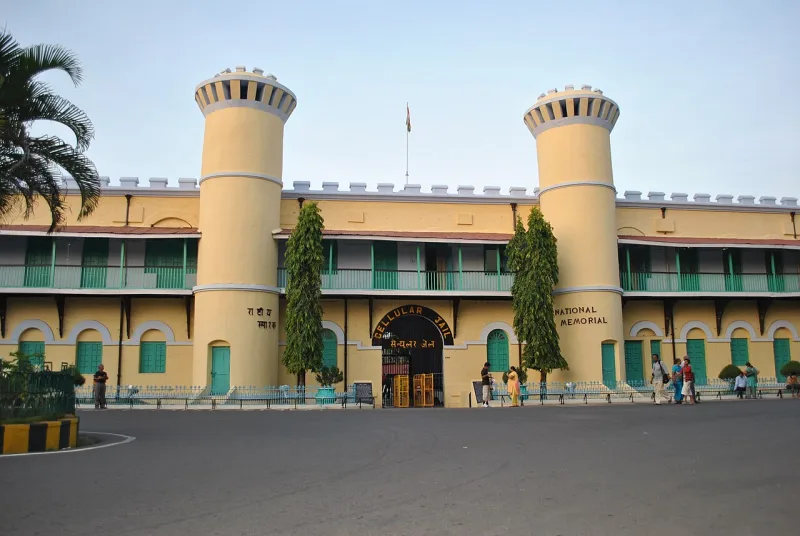
The location is close to central sights. The Cellular Jail tells the story of those imprisoned for resistance to British rule, and its evening show is a powerful continuation of the same theme. The Param Vir Chakra memorial in the city, listed as open from nine to five, honours recipients of the highest military gallantry award, and Marina Park and the water sports complex lie within a pleasant walk or short ride. Autos and taxis are easily found. Together these places form a route of remembrance through Sri Vijaya Puram, where the sea that once separated prisoners from their homes now brings visitors from every state to stand beneath the flag and consider the price and meaning of freedom.
The flag memorial
The open ground where history was made
Close to the Cellular Jail and Marina Park
Photos (2)
Netaji Stadium, the old Gymkhana GroundThe ground at Netaji Stadium
Japanese forces occupied the islands in March 1942. At the end of December 1943 provisional control was handed to the Azad Hind government led by Subhas Chandra Bose, and on 30 December he hoisted the flag here, at what was then the Gymkhana Ground.
He proposed new names, Shaheed (martyr) and Swaraj (self-rule), for the island groups. Real power, however, stayed with the Japanese military. British control was restored on 7 October 1945, in a handover on the same ground.
For the 75th anniversary in December 2018 the government renamed Ross, Neil and Havelock islands as Netaji Subhas Chandra Bose Dweep, Shaheed Dweep and Swaraj Dweep.
Stories worth knowing
Freedom and its limits
The flag of 1943 was a symbol of enormous power. The same months were a time of terrible suffering under occupation, with arrests, torture and killings of residents. A. D. Loganathan, named governor under Azad Hind, had little authority over the Japanese. Remembering both truths honours the islanders who lived through them.
Things to see and do
Visit around 30 December, when the anniversary is marked
See the Param Vir Chakra memorial in the city, listed as open 9 am to 5 pm
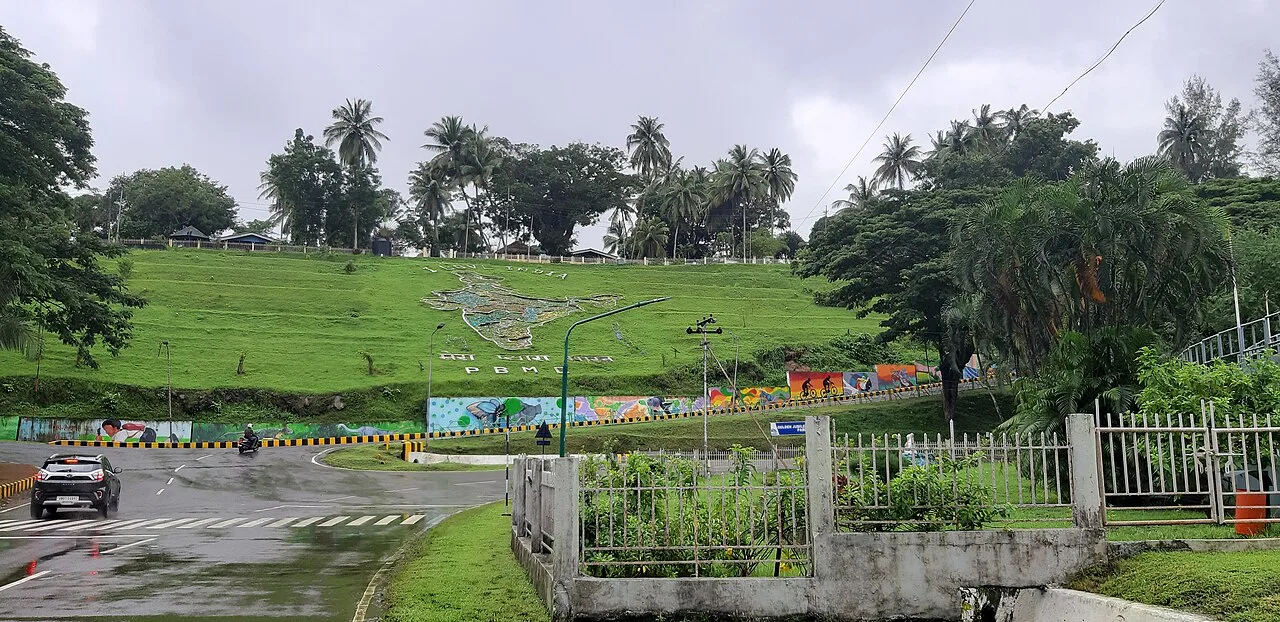 Photo: Rohith1995 · CC BY-SA 4.0
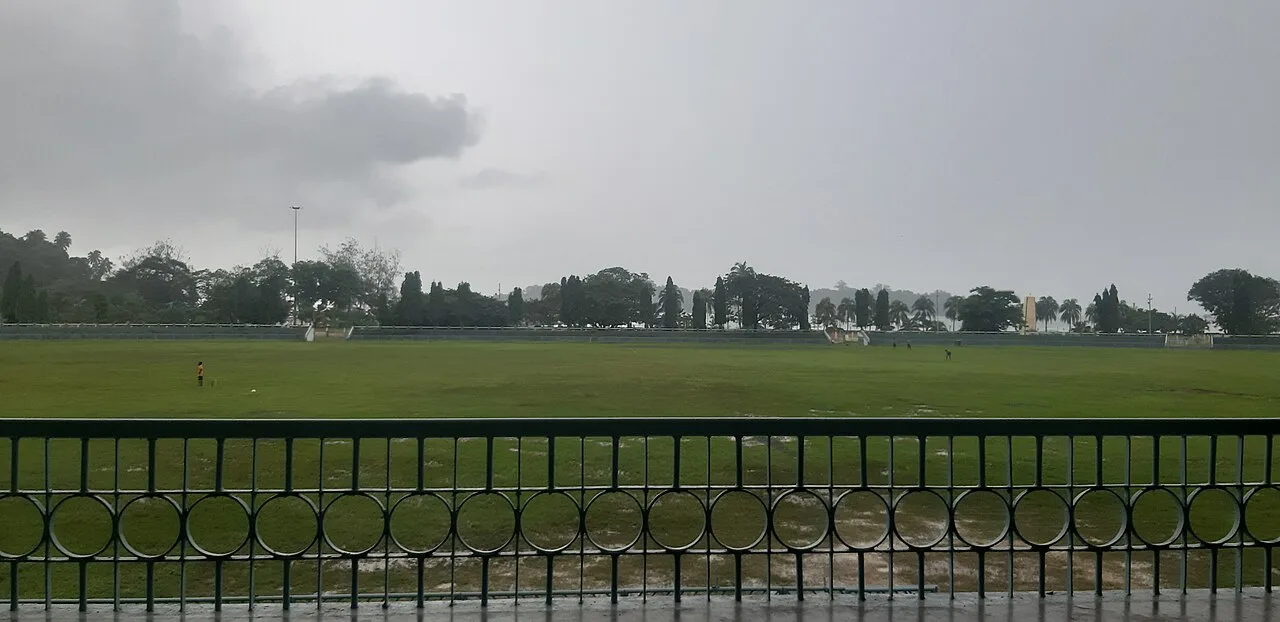 Photo: Rohith1995 · CC BY-SA 4.0