Photo: Mike Prince from Bangalore, India · CC BY 2.0

National Park and Wildlife

Eravikulam National Park

Kerala · IdukkiAlso known as Rajamala

No ratings yet · be the first to review

Kerala's first national park, a high grassland plateau protecting the endangered Nilgiri tahr near Anamudi peak.

Best time to visit
September to January; closed for the tahr breeding season early in the year
Time needed
2 to 3 hours

About Eravikulam National Park

Why you should visit

Kerala's first national park, a high grassland plateau protecting the endangered Nilgiri tahr near Anamudi peak.

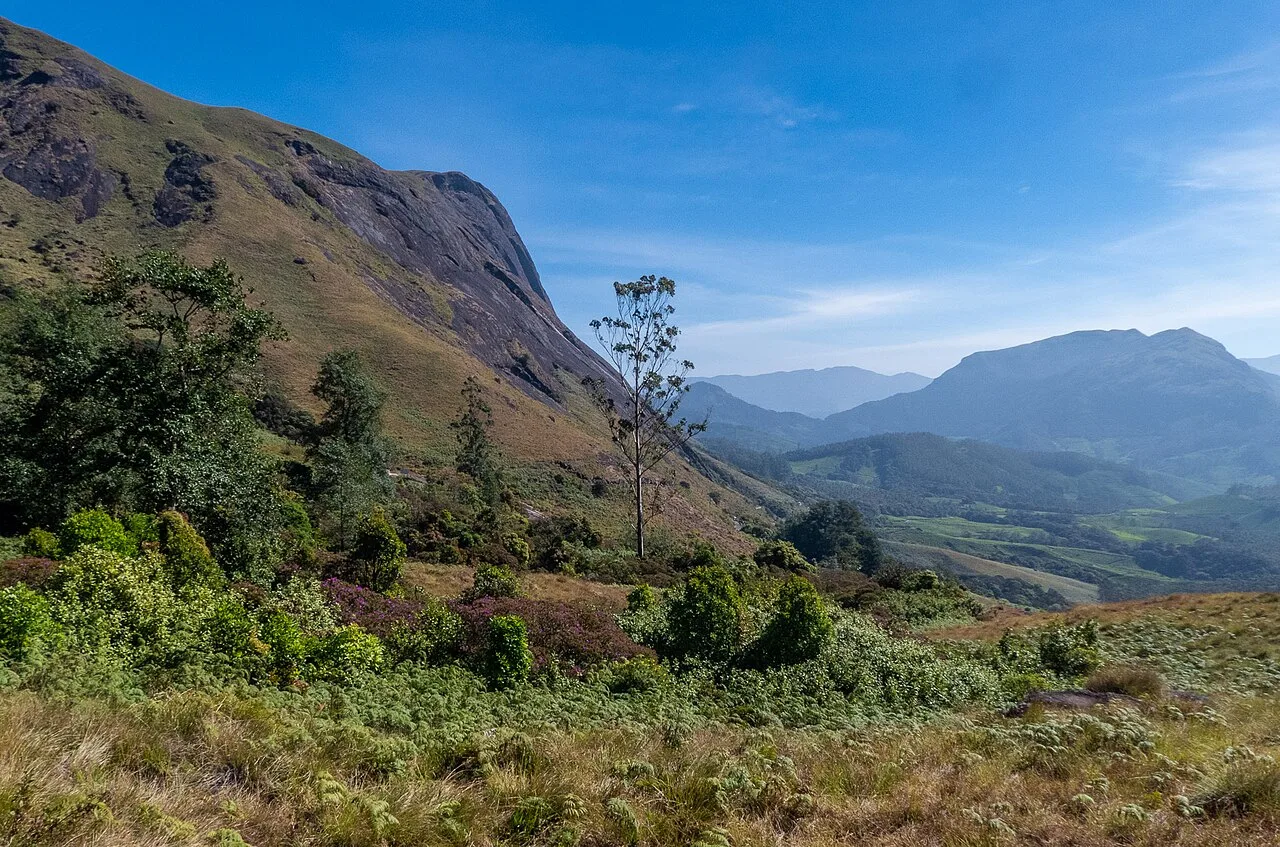
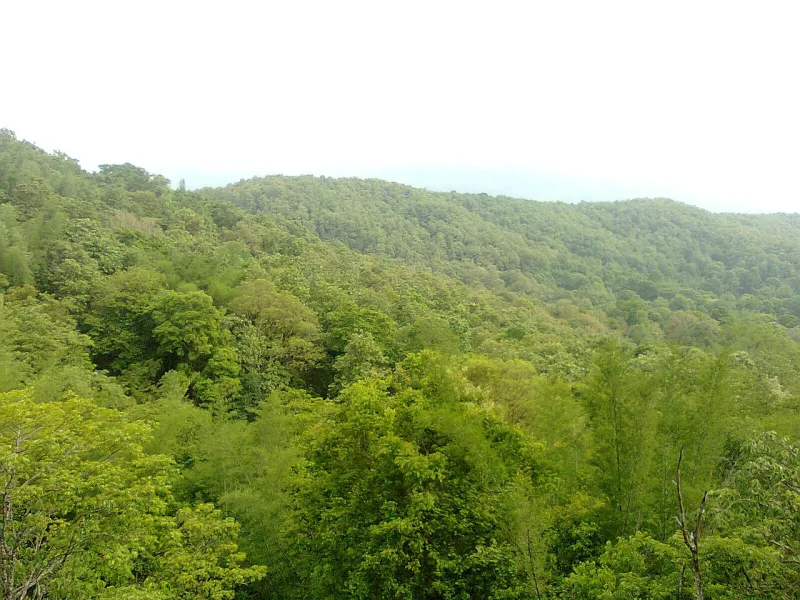
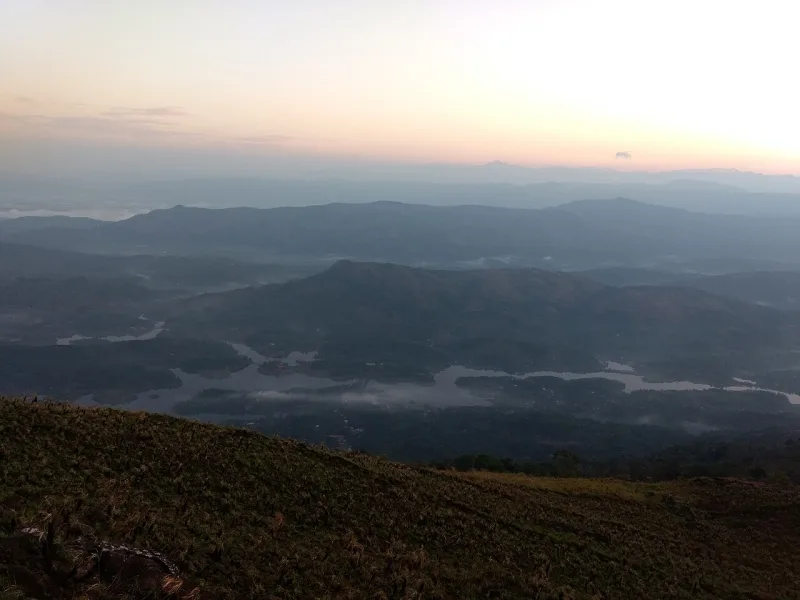
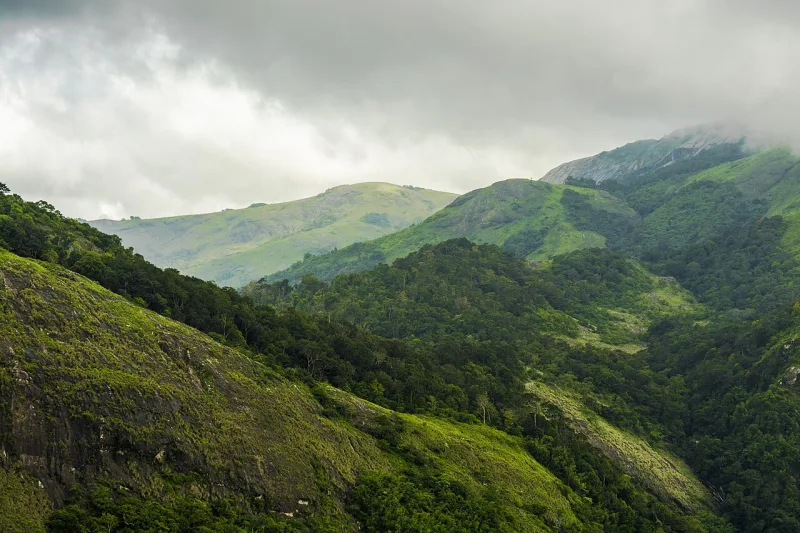
Eravikulam National Park protects some of the most beautiful high country in the Western Ghats. Covering about 97 square kilometres across Idukki and a part of Ernakulam district, it is a rolling plateau at a base height of around 2,000 metres, covered with grassland and dotted with shola, the stunted evergreen forest that fills the folds of these hills. Established in 1978, it was the first national park in Kerala. Its existence is owed largely to one animal. The Nilgiri tahr, a sturdy, short coated mountain goat found only in the southern Western Ghats, is endangered, and this park holds one of its most important populations. The land was once managed as a game reserve by the Kanan Devan Hills Produce Company. The Kerala government took it back in 1971, declared the Eravikulam Rajamala sanctuary in 1975 to protect the tahr and raised it to national park status three years later. It is now administered by the Forest Department's Munnar wildlife division along with several neighbouring protected areas. Visitors enter the tourism zone at Rajamala. Park vehicles carry people up the road, after which there is a walk along a paved route with sweeping views. Tahr often graze close to the path, clambering over rocks with astonishing ease. Because they have grown used to people, it is tempting to approach for a closer picture. Do not. Touching or feeding them can spread disease and change their behaviour, and staff will rightly stop you. The grasslands are full of smaller wonders. Orchids, balsams and wild flowers appear in season, and the park is famous for the neelakurinji, a shrub that flowers together at intervals of about twelve years and turns the slopes blue. Scientists continue to find life here that was unknown elsewhere; in 2010 a new reddish orange frog with very short limbs was described from the park. Anamudi, the highest peak south of the Himalayas, stands within the area, though climbing it is not part of the ordinary tourist visit and requires special permission that is often unavailable. Timing matters. The park is usually closed for several weeks around January to March, during the calving season of the tahr. Heavy monsoon rain between June and August may reduce visibility to a few metres and sometimes disrupts entry. The months from September to January are generally rewarding, with fresh grass and clear spells. Weekends and holidays bring long queues, so arrive early or book an online time slot if the system is open. Prepare for changeable mountain weather. A bright morning can turn cold and wet within an hour. Wear comfortable shoes, carry a warm layer, a raincoat and water, and protect skin from strong sun at altitude. Plastic items may be checked and restricted at the entrance. Smoking is prohibited. The walk is moderately easy but at high elevation, so people with heart or breathing difficulties should go slowly. The park is about thirteen kilometres from Munnar town. Taxis, jeeps and buses reach the entry area, where parking is limited. Combine the morning with an afternoon at the tea museum or the Mattupetty road, or travel onward through the forest to Marayoor and Chinnar, where the climate turns dry and the vegetation completely changes. A visit to Eravikulam is a lesson in what protection can achieve. An animal once reduced to small numbers now stands calmly beside a walking path, while cloud drifts over grass that has been spared the plough and the axe. Behave as a guest, speak softly, stay on the route and take every scrap of litter with you. Photographers will find that a modest zoom lens is enough, since the animals are often near the path. Allow time for queues at the entry point, and use the waiting period to read the information displays about the grassland and the creatures that depend on it. Children enjoy spotting kids among the adult animals in the months after the park reopens.
  • Close views of the Nilgiri tahr
  • High rolling grassland and shola forest
  • Views towards Anamudi
  • Neelakurinji blooms in flowering years

Photos (1)

Photo credits
  1. Photo: Mike Prince from Bangalore, India · CC BY 2.0 · Source

Reels and Shorts

Instagram Reels and YouTube Shorts by vloggers and visitors.

Space for a Reel or Short

Space for a Reel or Short

Space for a Reel or Short

Space for a Reel or Short

YouTube videos

Full videos, guides and walkthroughs.

Space for a YouTube video

Space for a YouTube video

Reviews and ratings

– 0 reviews
  • 5 ★0
  • 4 ★0
  • 3 ★0
  • 2 ★0
  • 1 ★0

No reviews yet. Be the first to share your experience. Reviews appear here once a moderator approves them.

Write a Review

Special events & celebrations

None listed yet.

+ Add an event held here

Good to know

Visitor tips

  • Book tickets online where available
  • Check closure dates during the calving season
  • Never touch or feed the tahr
  • Carry a jacket and rain cover

How to reach

About 13 km north of Munnar; visitors use the park's own vehicles from the Rajamala entry point.

Address: Rajamala, near Munnar, Idukki district

Open directions in Google Maps

Sources

Where the details on this page come from. Timings, fees and phone numbers change, so confirm them before you travel.

Nearest places to Eravikulam National Park

Distances are in a straight line from Eravikulam National Park; travel by road is longer.

Places near me