Photo: Kondephy · CC BY-SA 4.0

Hill Station

Munnar

Kerala · IdukkiAlso known as Munnar Hill Station

No ratings yet · be the first to review

Kerala's best known hill station at about 1,600 metres, where three rivers meet among rolling tea gardens and shola forest.

Best time to visit
September to March
Time needed
2 to 4 days

About Munnar

Why you should visit

Kerala's best known hill station at about 1,600 metres, where three rivers meet among rolling tea gardens and shola forest.

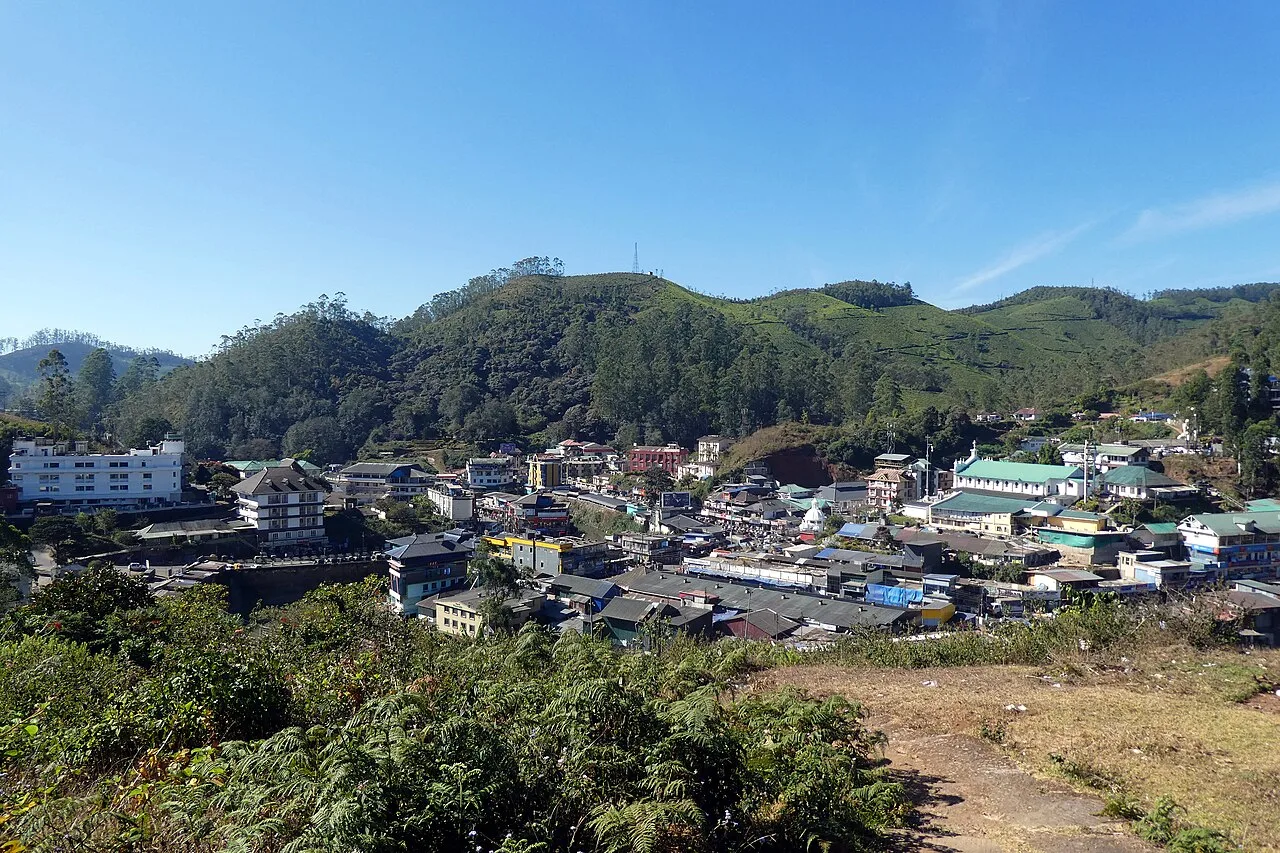
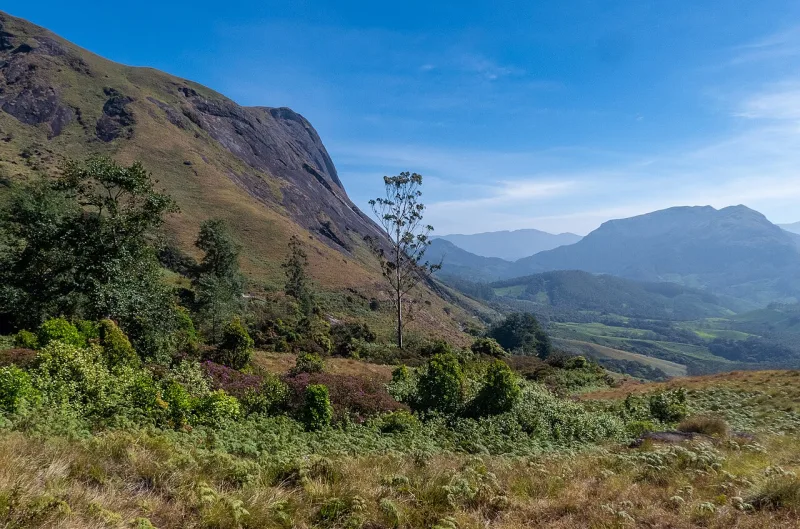
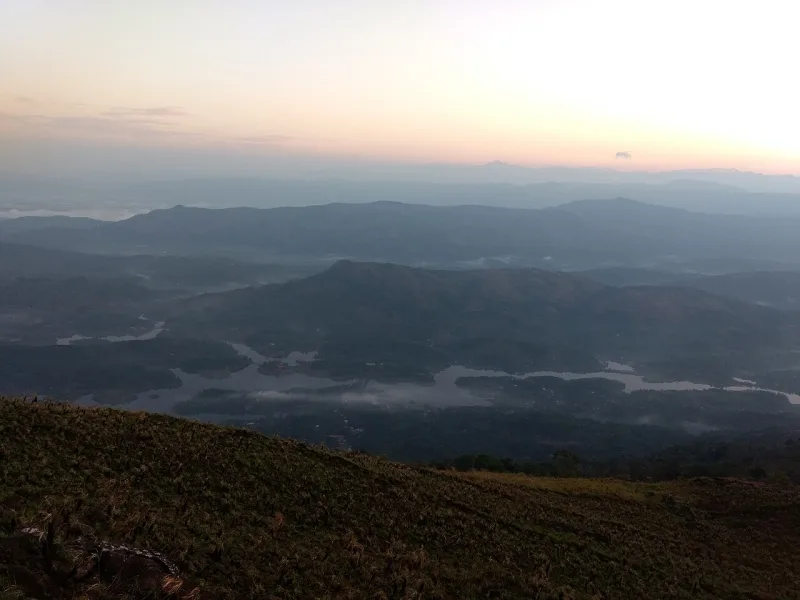
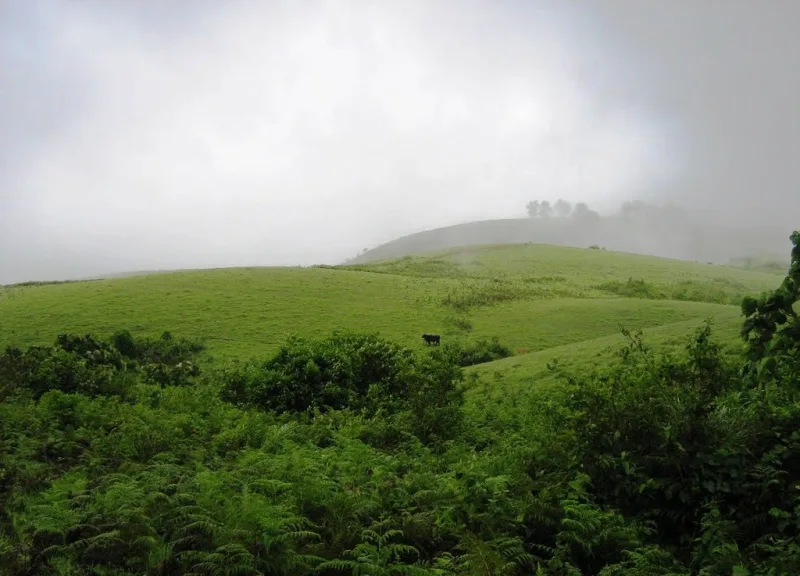
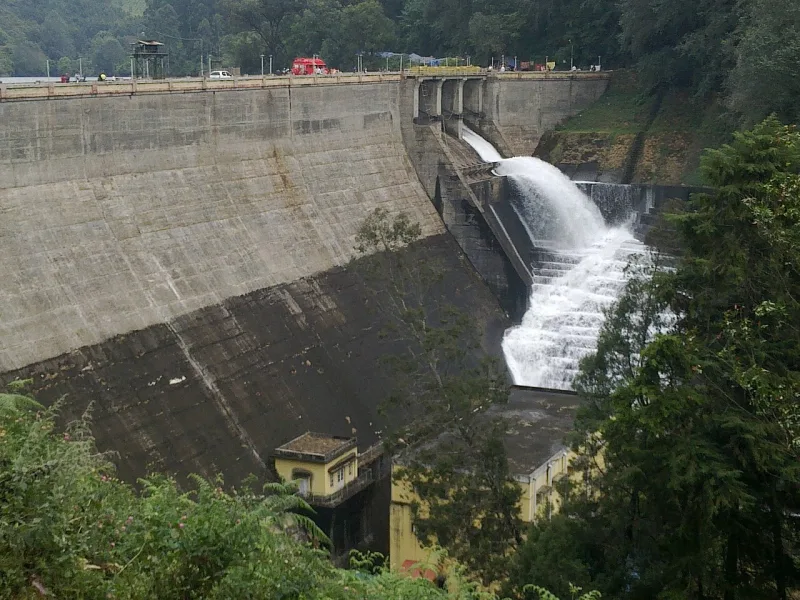
Munnar is the face of the Kerala hills that most people picture: slope after slope of clipped tea bushes, glowing green in the morning and fading into mist by afternoon. The town sits at about 1,600 metres above sea level in the Western Ghats. Its name joins the words for three and river, because the Muthirapuzha, Nallathanni and Kundala streams come together here. Long before planters arrived, these mountains were home to hill communities, among them the Muthuvan and Mala Arayan peoples, who knew the forests intimately. The modern story began in the late nineteenth century, when British planters obtained rights over the high ranges and began clearing forest around Devikulam in 1879. Roads were cut to the lowlands, and by 1894 more than two dozen estates had been opened, though many struggled. To move goods across difficult terrain, a ropeway was built around 1900 and later a monorail, followed in the first decade of the new century by a light railway. Much of that transport system was destroyed in the great flood of 1924, but tea remained, and it still shapes the landscape and employment. Visitors can learn how the leaf becomes a cup at the tea museum and at estates offering guided tours. The sight of pickers moving steadily through the rows is worth watching from a respectful distance; ask before photographing individuals, and remember that estates are private working land. Around the town lie many excursions. Eravikulam National Park, home of the Nilgiri tahr, is a short drive north. The road towards Mattupetty passes the dam, its reservoir and views of grazing land, and continues to Kundala and the high viewpoint known as Top Station on the Tamil Nadu border. Waterfalls decorate the approach roads, especially after rain, and Anamudi, the highest peak in South India, rises within the national park area. Every twelve years or so, the neelakurinji shrub flowers in mass and washes whole hillsides blue, a rare event that draws large crowds. The climate is the great attraction. Days are mild and nights cool, with cold mornings from December to February. September to March generally offers clear skies and green slopes. April and May are popular with families escaping the heat of the plains. From June to August the monsoon is heavy; the scenery is dramatic but landslides and road closures can occur, so follow official warnings closely. Traffic has become a real challenge in peak season. Start sightseeing early, share vehicles where possible and expect slow progress on weekends. Hairpin bends and fog call for careful driving. Auto rickshaws and jeeps can be hired for local circuits, but agree the route and fare first. Walking in the early morning along quiet estate roads, where permitted, is one of the simplest joys. Munnar offers lodging for every budget, from homestays among cardamom to hill resorts. Choose places that respect building and waste rules, since the mountains are fragile and water supplies are under pressure. Buy spices and tea from reputable shops, refuse single use plastic and never feed monkeys or approach wild elephants, which sometimes appear near roads and estates. If an elephant is nearby, stay in the vehicle, keep quiet and give it room. A visit of at least two nights lets you see one circuit each day without hurry. With more time, continue to the dry sandalwood country of Marayoor and the Chinnar sanctuary, which feel like a different world only a short distance away. Wake early at least once, step outside with a hot drink and watch the sun lift the cloud from the tea. That moment explains why Munnar has captured travellers for more than a century.
  • Tea estates and the story of plantation life
  • Confluence of three mountain rivers
  • Viewpoints, lakes and waterfalls nearby
  • Cool climate and mountain walks

Photos (1)

Photo credits
  1. Photo: Kondephy · CC BY-SA 4.0 · Source

Reels and Shorts

Instagram Reels and YouTube Shorts by vloggers and visitors.

Space for a Reel or Short

Space for a Reel or Short

Space for a Reel or Short

Space for a Reel or Short

YouTube videos

Full videos, guides and walkthroughs.

Space for a YouTube video

Space for a YouTube video

Reviews and ratings

– 0 reviews
  • 5 ★0
  • 4 ★0
  • 3 ★0
  • 2 ★0
  • 1 ★0

No reviews yet. Be the first to share your experience. Reviews appear here once a moderator approves them.

Write a Review

Special events & celebrations

None listed yet.

+ Add an event held here

Good to know

Visitor tips

  • Book rooms early in holidays and during blooming years
  • Allow extra time on winding roads
  • Carry warm layers for evenings
  • Do not trample tea bushes or enter estates without permission

How to reach

Reached by road from Kochi, about four to five hours, or from Madurai. Aluva and Ernakulam are the usual railway stations and Cochin is the nearest major airport.

Address: Munnar, Idukki district

Open directions in Google Maps

Sources

Where the details on this page come from. Timings, fees and phone numbers change, so confirm them before you travel.

Nearest places to Munnar

Distances are in a straight line from Munnar; travel by road is longer.

Places near me