Adventure
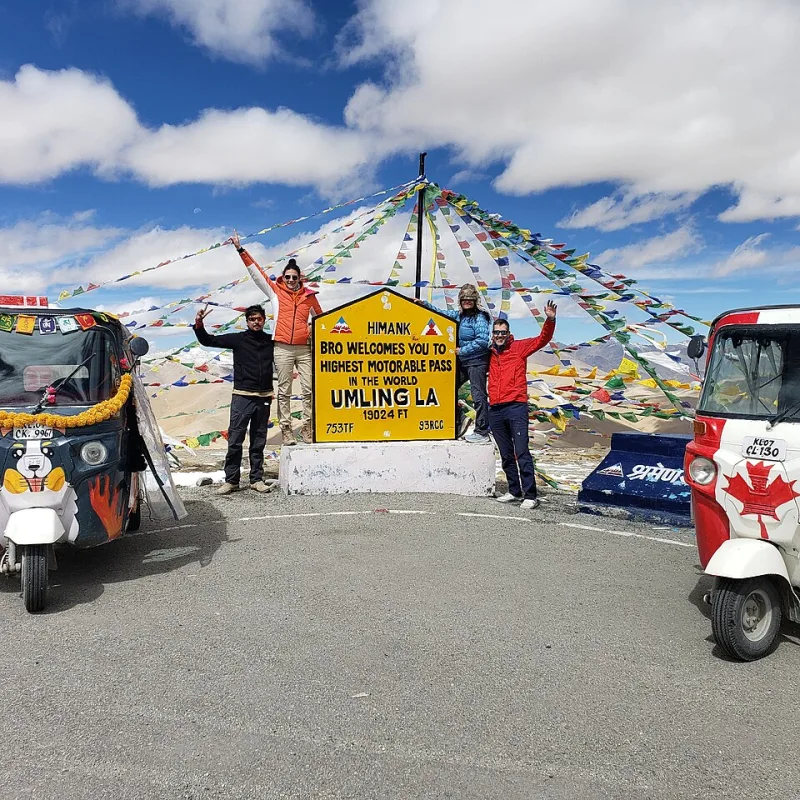
Umling La
Leh, Ladakh
📍 30 km away from Hanle Dark Sky Reserve
A pass of about 19,024 feet near Demchok whose road held the record as the world's highest motorable road unti...
Read more →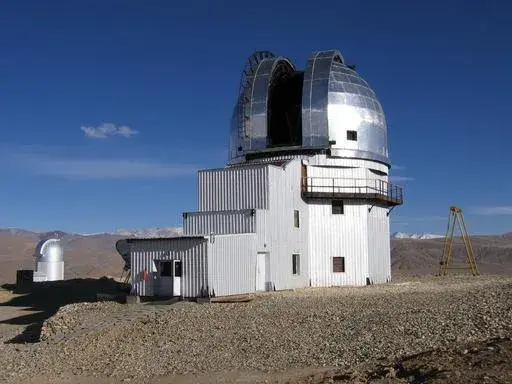 Photo: Harikrishnank123 · CC BY-SA 3.0
Other Attraction
Ladakh · LehAlso known as Hanle Observatory, Indian Astronomical Observatory
One of the highest astronomical observatory sites in the world, at about 4,500 metres, surrounded by India's first dark sky reserve and its brilliant night skies.
About Hanle Dark Sky Reserve
One of the highest astronomical observatory sites in the world, at about 4,500 metres, surrounded by India's first dark sky reserve and its brilliant night skies.
Far in the south eastern corner of Ladakh, on the high plateau of Changthang, the village of Hanle lies under some of the clearest night skies in India. The air is thin, dry and clean, cloud is limited for much of the year and artificial light is scarce. These qualities led the Indian Institute of Astrophysics to establish the Indian Astronomical Observatory here, and later led to the creation of a dark sky reserve around it.
The observatory stands on a hill above the plain at about 4,500 metres, placing it among the highest sites in the world for optical, infrared and gamma ray telescopes. Its instruments, including a two metre class optical telescope operated remotely from near Bengaluru and large telescopes that detect the faint flashes produced by high energy gamma rays in the atmosphere, are research facilities. In 2022 the surrounding area was notified as the Hanle Dark Sky Reserve, the first of its kind in the country, with measures to control lighting and encourage residents to benefit from astronomy tourism.
On a moonless night the experience is unforgettable. The Milky Way arches from one horizon to the other with visible structure, shooting stars are frequent and thousands of stars appear that city dwellers never see. Local people trained as astronomy guides, sometimes called astro ambassadors, may offer sessions with telescopes and explain constellations and planets. Star parties are organised on certain dates.
Respect the darkness, because it is the reason for the reserve. Do not point torches, laser pointers or flash lamps upward, avoid white light, use dim red light for walking, and keep vehicle headlights off wherever it is safe to do so after dark. One careless beam can spoil observations and photographs for everyone. Access to observatory buildings is controlled; visiting hours, if any, are limited, so ask locally and do not enter restricted areas.
Reaching Hanle takes planning. The road from Leh follows the Indus valley and crosses remote country, and the drive is long. Many travellers combine it with Tso Moriri or Pangong lake. Because the area is close to the border, permits and restrictions apply, particularly to foreign nationals, and rules have changed over the years. Check the current position with the district administration or a registered operator before setting out.
Altitude is the most serious consideration. Spend at least two days resting in Leh after arriving by air, climb gradually, drink water and learn the signs of mountain sickness: persistent headache, nausea, breathlessness and confusion. Descend and seek medical help if they appear. Medical facilities in Changthang are very limited, and those with heart or breathing problems should take advice before going.
Night temperatures fall sharply even in summer and are extreme in winter. Bring insulated jackets, thermal layers, hat, gloves and warm socks. Accommodation consists mainly of simple homestays and a few camps, often with limited electricity and hot water. Carry cash, essential medicines and spare batteries, and expect patchy phone service. Fill the fuel tank whenever you can.
By day there is much to see. The old Hanle monastery sits on a crag above the village. Wetlands nearby attract birds, including the black necked crane in the warmer months, and Tibetan wild asses graze on the plain. Keep your distance from wildlife and do not drive off existing tracks, as the fragile ground takes years to heal.
Plan around the lunar calendar, choosing nights close to the new moon between May and October, while remembering that summer storms can bring cloud. Give yourself two nights in case one is overcast. Take away all litter, use water sparingly and ask before photographing residents. Hanle rewards patient travellers with a view of the universe that most people only know from pictures.
+ Add your photos Been here? Share what you saw.
Instagram Reels and YouTube Shorts by vloggers and visitors.
Space for a Reel or Short
Space for a Reel or Short
Space for a Reel or Short
Space for a Reel or Short
Full videos, guides and walkthroughs.
No reviews yet. Be the first to share your experience. Reviews appear here once a moderator approves them.
None listed yet.
Address: Hanle village, Changthang, Leh district
Where the details on this page come from. Timings, fees and phone numbers change, so confirm them before you travel.
Distances are in a straight line from Hanle Dark Sky Reserve; travel by road is longer.
Leh, Ladakh
📍 30 km away from Hanle Dark Sky Reserve
A pass of about 19,024 feet near Demchok whose road held the record as the world's highest motorable road unti...
Read more →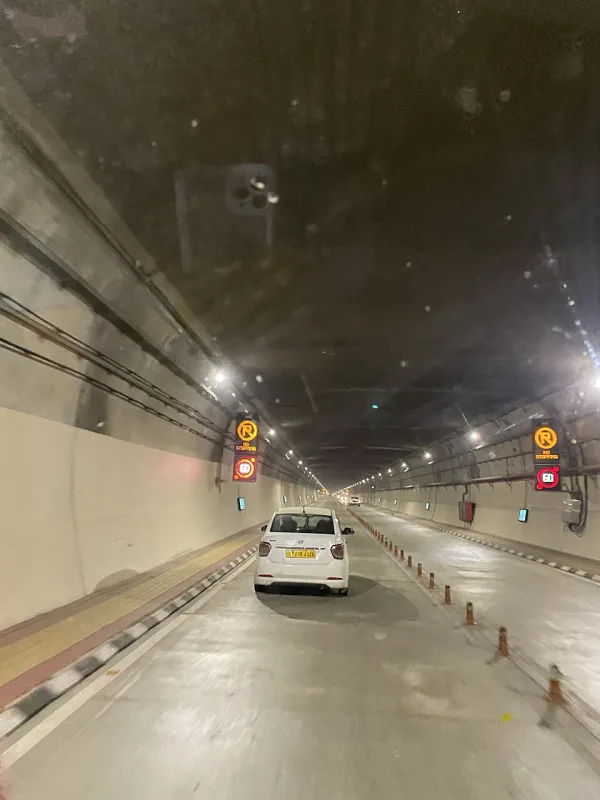
Kullu, Himachal Pradesh
📍 175 km away from Hanle Dark Sky Reserve
A 9 kilometre road tunnel under the Pir Panjal that links Manali with the Lahaul valley, the longest highway s...
Read more →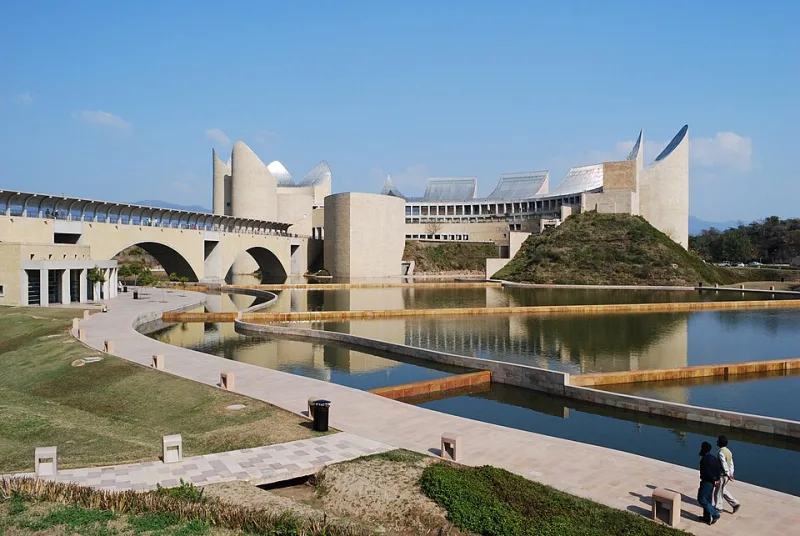
Rupnagar, Punjab
📍 289 km away from Hanle Dark Sky Reserve
A striking museum complex at Anandpur Sahib that tells five centuries of Sikh history and the birth of the Kha...
Read more →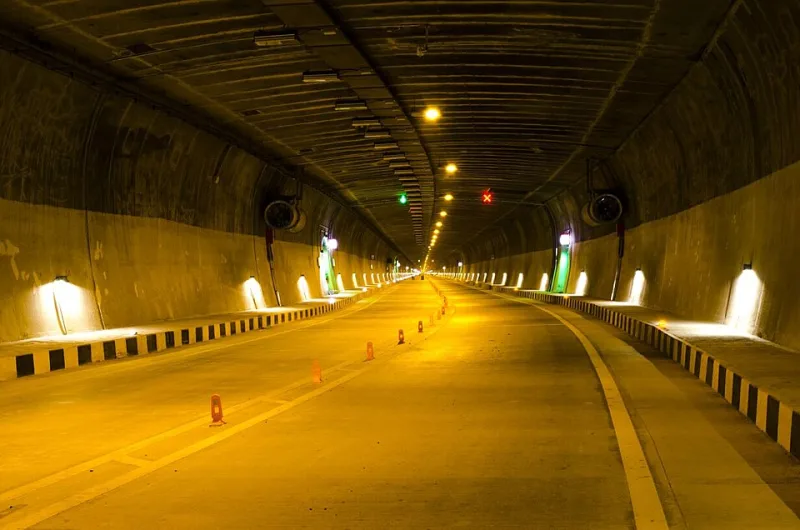
Udhampur, Jammu and Kashmir
📍 345 km away from Hanle Dark Sky Reserve
A 9.28 kilometre road tunnel on the Jammu to Srinagar highway that bypasses the snowbound slopes around Patnit...
Read more →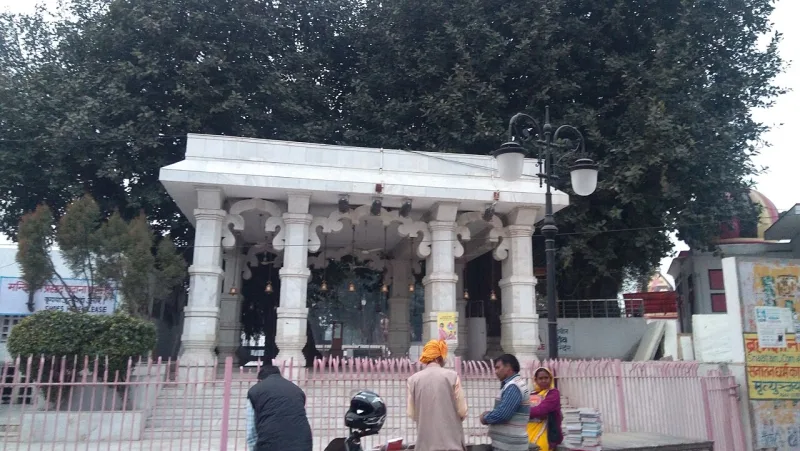
Kurukshetra, Haryana
📍 376 km away from Hanle Dark Sky Reserve
Opened November 2025: an immersive museum of the Mahabharata beside Jyotisar, where tradition says the Gita wa...
Read more →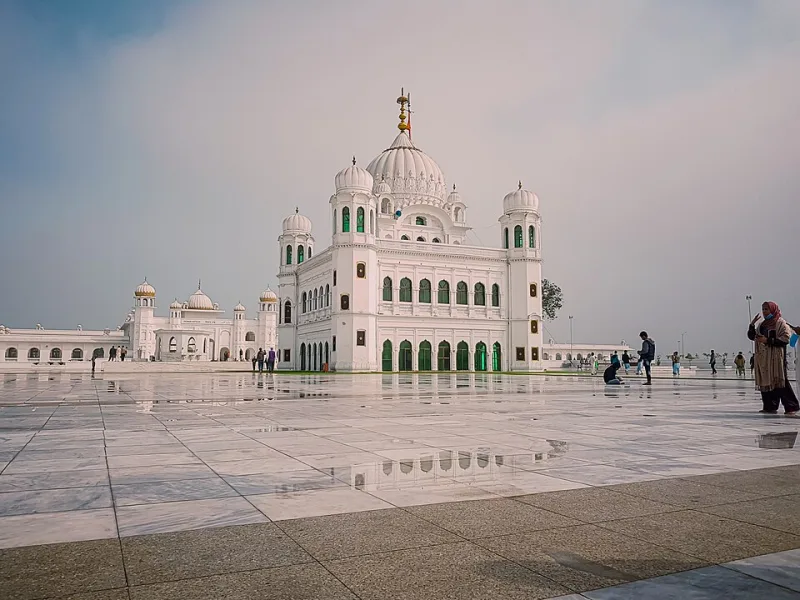
Gurdaspur, Punjab
📍 About 379 km away from Hanle Dark Sky Reserve
The border corridor opened in 2019 to give pilgrims visa free passage to Gurdwara Darbar Sahib at Kartarpur, a...
Read more →Reasi, Jammu and Kashmir
📍 380 km away from Hanle Dark Sky Reserve
India's first cable-stayed railway bridge, rising about 331 metres above the Anji river on the line to Kashmir...
Read more →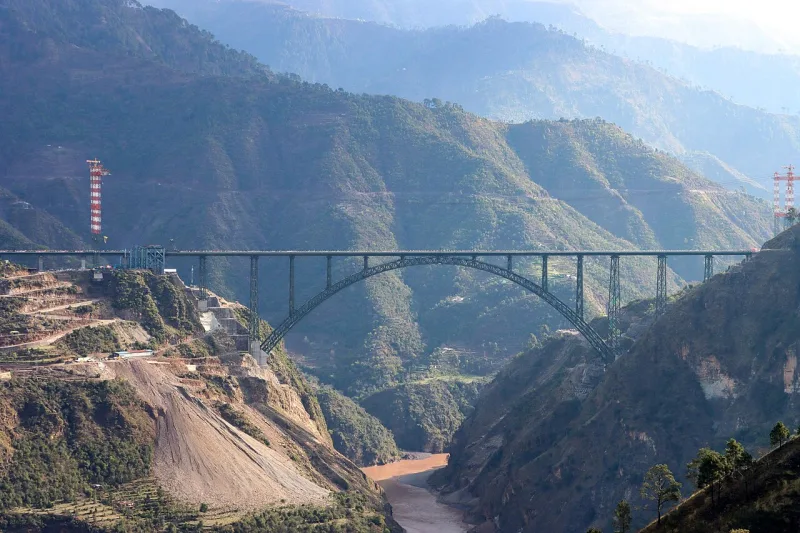
Reasi, Jammu and Kashmir
📍 383 km away from Hanle Dark Sky Reserve
Open to trains since June 2025: a steel arch about 359 metres above the Chenab, widely called the world’s high...
Read more →