A thirteenth century Kakatiya temple of Shiva at Palampet, admired for its carved brackets and light bricks, and a World Heritage Site since 2021.
In the quiet village of Palampet stands one of the finest achievements of medieval architecture in the Deccan. The Rudreshwara Temple, popularly called Ramappa Temple, was inscribed on the UNESCO World Heritage List in July 2021, drawing international attention to the artistry of the Kakatiya period.
An inscription on a stone pillar records that it was commissioned in 1213 by Recherla Rudra, a general of the Kakatiya ruler Ganapati Deva, and tradition holds that construction continued for about forty years. The popular name is said to come from the chief sculptor, Ramappa, which would make this a rare temple remembered by the name of an artist. It is dedicated to Shiva and remains a place of worship.
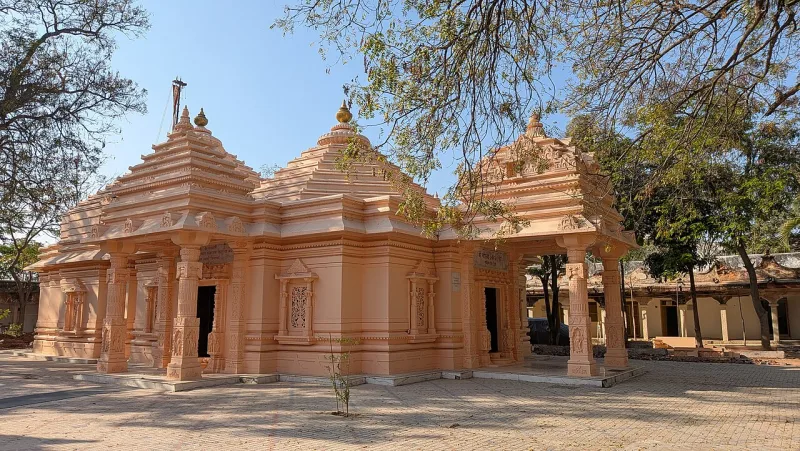
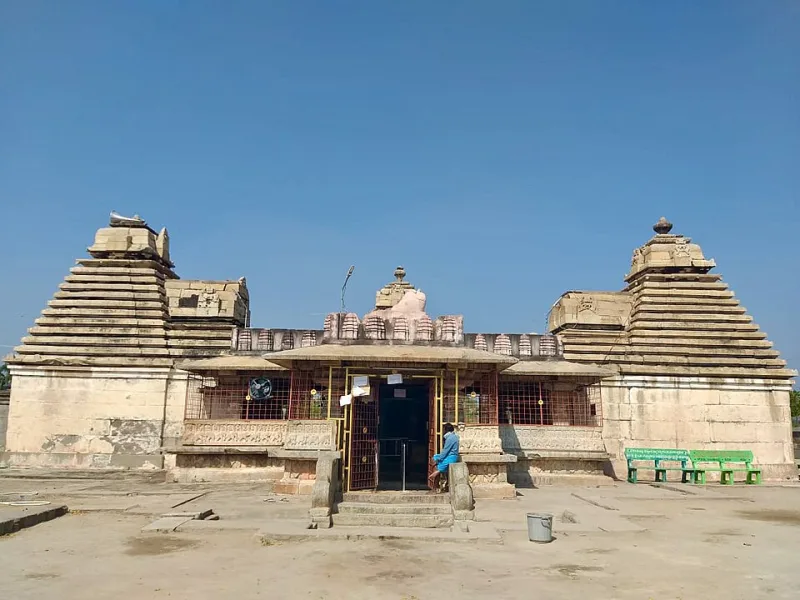
The temple stands on a high star shaped platform within a walled compound. The main building has a sanctum, an antechamber and a pillared hall with entrances on three sides. Reddish sandstone forms the structure, while dark basalt, polished to a smooth shine, is used for some of the most delicate work. The tower above is built of unusually light porous bricks, which reduced the load on the walls; local guides like to explain that such bricks can float on water. Builders also used a sandbox technique in the foundation, a bed of sand that helps to cushion the structure.
The carvings are the great delight. Slender female figures set as brackets beneath the roof lean outward in dance poses, their ornaments and expressions rendered with astonishing detail. Friezes of elephants circle the base, no two exactly alike according to popular account, and panels show musicians, warriors, scenes from the epics and dancers. Inside, pillars carry fine ornament and the ceiling displays elaborate designs. Scholars of dance have studied these sculptures to understand performance traditions of the time, including the form later revived as Perini.
A large Nandi in a pavilion faces the entrance, alert and richly decorated. Smaller shrines and an inscription mandapa stand in the compound. Damage from time and earthquakes is visible in places, and conservation work may be in progress.
Allow at least two hours. A guide helps you notice details that are easy to miss. Morning and late afternoon light enters at a low angle and brings the carving to life. Remove footwear where asked, dress modestly, avoid touching sculpture and keep quiet near the sanctum. Photography rules should be checked, and drones need permission.
A short distance away is Ramappa lake, a Kakatiya era irrigation reservoir that still serves farmers and makes a peaceful setting for a break. Laknavaram lake with its suspension bridges, the Kota Gullu temples at Ghanpur and the forests towards the Bogatha waterfall can be combined with the visit. In Warangal, see the Thousand Pillar Temple at Hanamkonda and the ornamental gateways of Warangal Fort.
Facilities near the temple are modest, with parking, basic refreshments and some tourism accommodation near the lake; carry water. Maha Shivaratri brings large numbers of devotees. During the biennial Sammakka Saralamma Jatara at Medaram, roads in the district become extremely busy, so check dates.
October to February offers comfortable weather, and the months after the monsoon show full tanks and green fields. A day trip from Hyderabad is possible but long; staying a night in Warangal or near the lake lets you enjoy the temple unhurried. Few places show so clearly how engineering skill and graceful sculpture worked together under the Kakatiyas.
Binoculars or a camera with some zoom are useful for studying the higher carvings. Sit for a few minutes near the Nandi before leaving and look back at the whole building, so that the many small details settle into a single graceful composition.