A hilltop Shiva temple among early Telugu history: excavated fort walls, a 1,500-year-old inscription and Jain bronzes found underground.
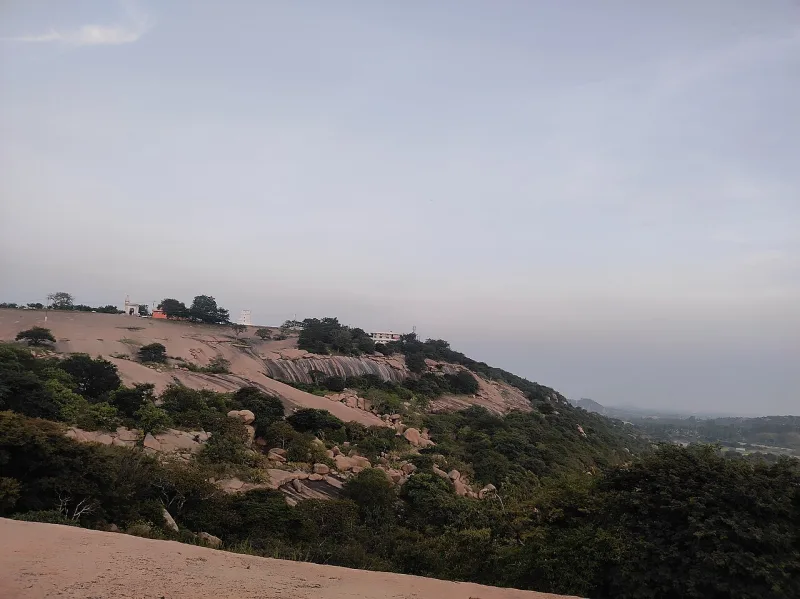
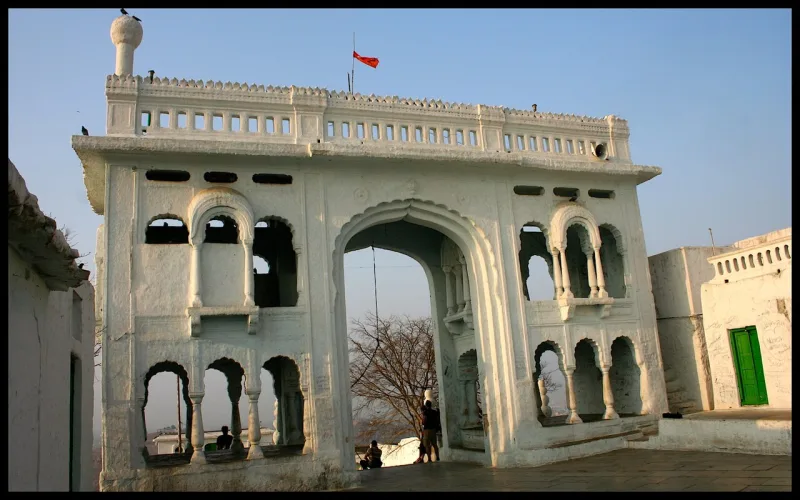
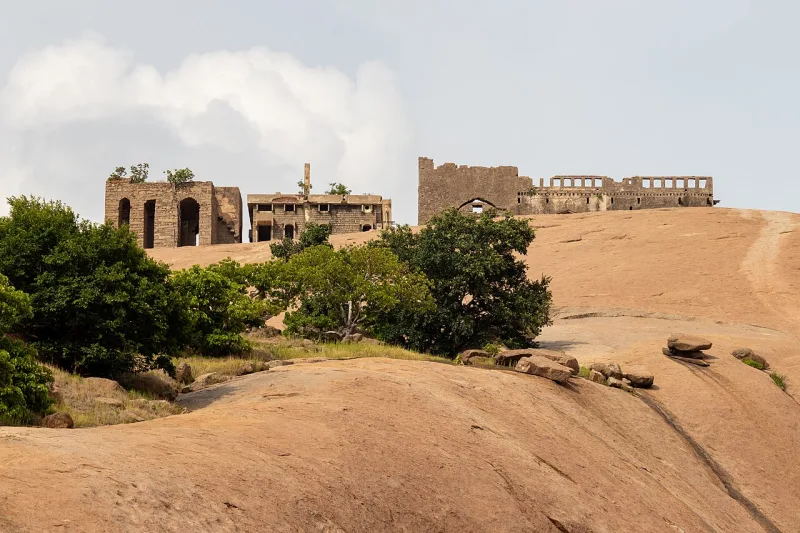
Keesaragutta is a hill near Hyderabad where a much visited Shiva temple stands among excavated ruins, an early Telugu inscription and the memory of an ancient settlement. Also written Keesara Gutta, with its shrine known as the Sri Ramalingeswara Swamy Temple, it lies about thirty to thirty five kilometres from the centre of the city and makes an easy morning journey from the eastern side. A visit here is really two journeys in one. Pilgrims climb to worship among rows of lingas, while lovers of history wander across broad sheets of rock to ruined stone shrines and old pillars.
The hill is associated with the Vishnukundin rulers, who held much of the region around the fourth to sixth centuries. Excavations by the archaeology department, reported for the years 1975 to 1983, uncovered a fortification wall, brick temple foundations, places of sacrifice and halls, together with many artefacts. Some accounts also connect parts of the remains with the later Chalukyas. A short label cut into the rock in early Telugu, read as Thulachuvanru and dated to about the fourth or fifth century, is described as the earliest Telugu inscription found in Telangana. To stand beside such a mark is to see one of the early written traces of a language now spoken by many millions.
A remarkable discovery came on 18 October 2014. While a pathway was being laid between two temples, twelve small metal images of Jain Tirthankaras, about sixteen to thirty centimetres tall, came to light just below the surface near the steps. The state's director of archaeology dated them to the fourth or fifth century and said that they showed Jainism living alongside Hinduism here. Some popular accounts also speak of a Buddhist presence, based on old rock-cut cisterns and remains. No report of a specific Buddhist image or monument at Keesaragutta was found, so that idea should be treated as unproven.
The temple legend explains the lingas scattered about the hill. Rama wished to install a linga in atonement after the war with Ravana and sent Hanuman to bring one from Varanasi. Hanuman was delayed, Shiva's own linga was installed, and in disappointment Hanuman flung down the hundred and one lingas that he had carried. The hill takes its name from Hanuman as the son of Kesari.
Plan on half a day. Begin with darshan in the cool of the morning, then walk to the ruins and ask local people or staff to point out the inscription, which is easy to miss. Maha Shivaratri brings a large fair with long queues, lamps and devotion through the night, and the month of Karthika is also popular. On other days the rocks can be quiet.
Treat the archaeological remains with the greatest care. Do not move, climb on, mark or take away anything. A loose stone or potsherd loses much of its meaning once removed. Dress modestly at the temple and remove footwear where required. Wear shoes with a good grip for walking, since bare rock is slippery when wet, carry water and take your litter home. Stay away from edges when filming or taking photographs, and check airspace rules and permissions before flying a drone.
Visitor listings differ about closing time, giving anything from half past seven to half past eight in the evening, while one says the place is open all day; timings also change on festivals, so confirm locally. The usual approach is by road through the ECIL area, about twelve kilometres from the hill, and Ghatkesar is the nearest railway point. A cab or private vehicle is most convenient, and simple refreshments are sold near the temple. October to February is the best season. Keesaragutta rewards patient visitors who enjoy finding history underfoot, with faith, legend and careful scholarship all meeting on the same weathered rock.
Ramalingeswara shrine
Rows of lingas
Excavated ruins and old pillars
Early Telugu inscription
Maha Shivaratri fair
Photos (4)
The temple on the hillOld pillars among the excavated remainsA ruined shrineSheet rock on Keesaragutta
The hill is associated with the Vishnukundin rulers, who held much of the region around the 4th to 6th centuries. Excavations by the archaeology department, reported for the years 1975 to 1983, uncovered a fortification wall, brick temple foundations, places of sacrifice and halls, with many artefacts. Some accounts connect the remains with the later Chalukyas.
A rock-cut label in early Telugu, read as “Thulachuvanru” and dated to about the 4th or 5th century, is described as the earliest Telugu inscription in Telangana.
Stories worth knowing
Jain bronzes under the pathway (2014)
On 18 October 2014, while a path was being laid between two temples, twelve small metal images of Jain Tirthankaras, about 16 to 30 centimetres tall, came to light just below the surface near the steps. The state’s director of archaeology dated them to the 4th or 5th century and said they showed Jainism living alongside Hinduism here.
Some popular accounts also speak of a Buddhist presence, based on old rock-cut cisterns and remains. We found no report of a specific Buddhist image or monument at Keesaragutta, so treat that as unproven.
A hundred and one lingas (temple legend)
Rama wished to install a linga here in atonement after the war with Ravana, and sent Hanuman to bring one from Varanasi. Hanuman was late, Shiva’s own linga was installed, and in disappointment Hanuman flung down the hundred and one lingas he had carried. They are said to be the ones scattered about the hill, which takes its name from Hanuman as the son of Kesari.
Nearest places to Keesaragutta Temple and Archaeological Hill
Distances are in a straight line from Keesaragutta Temple and Archaeological Hill; travel by road is longer. The map position of Keesaragutta Temple and Archaeological Hill is approximate.
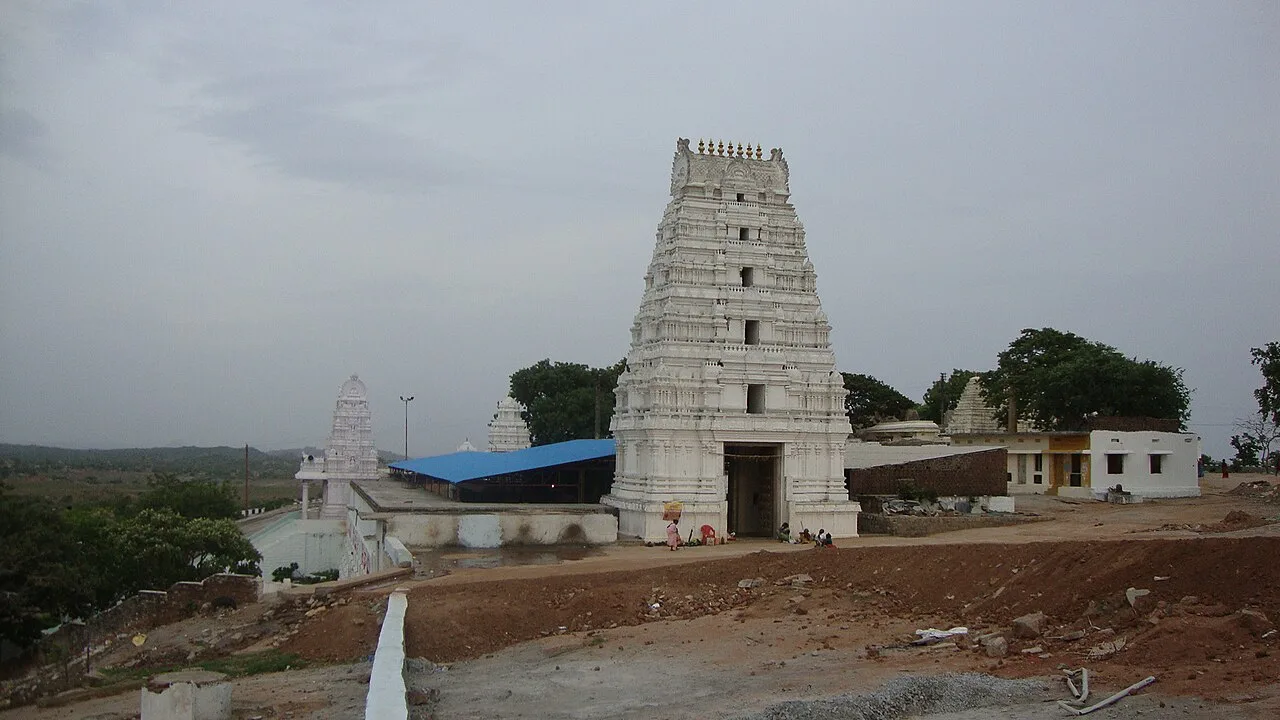 Photo: Batthini Vinay Kumar Goud · CC0
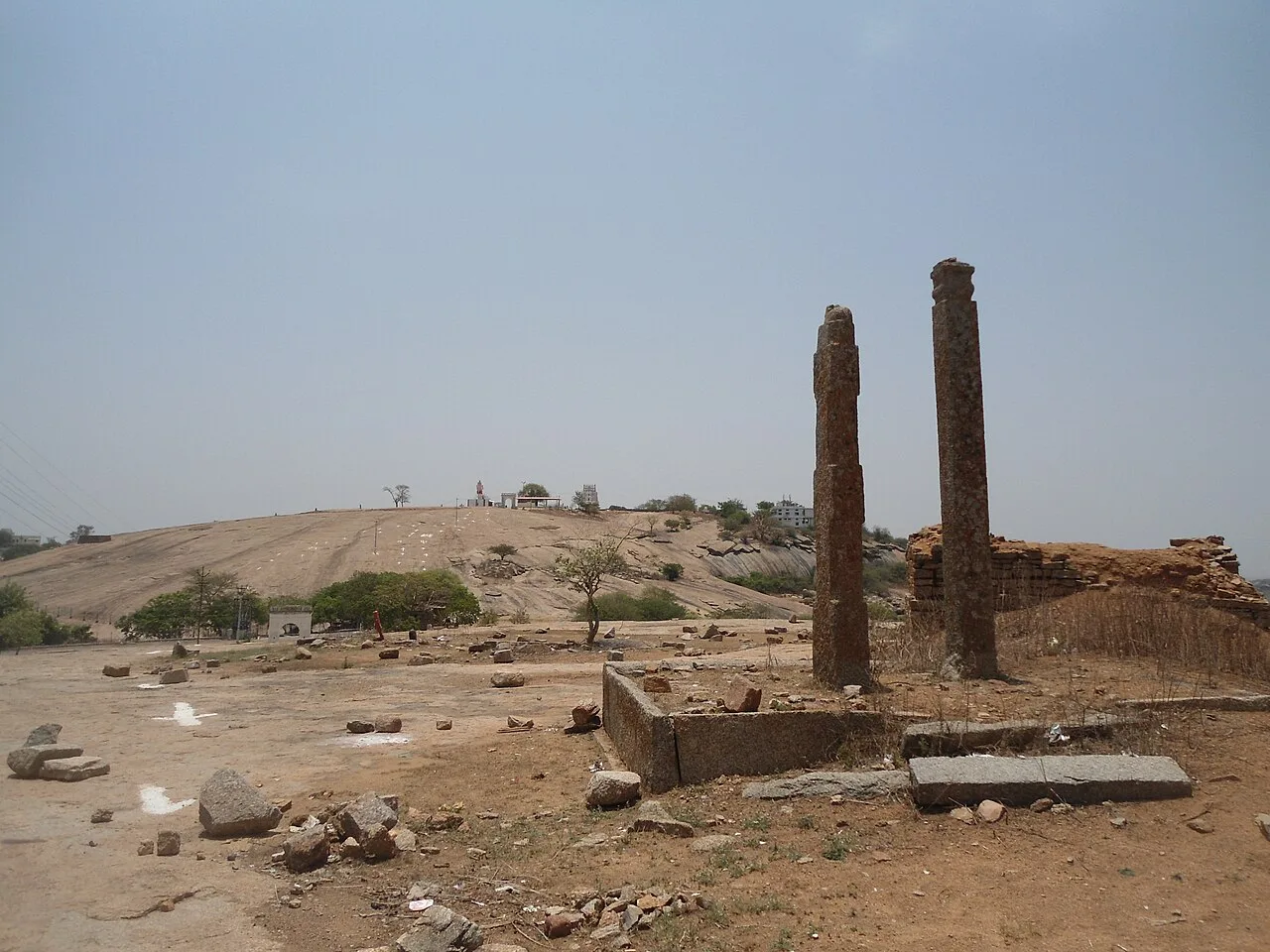 Photo: Adityamadhav83 · CC BY-SA 3.0
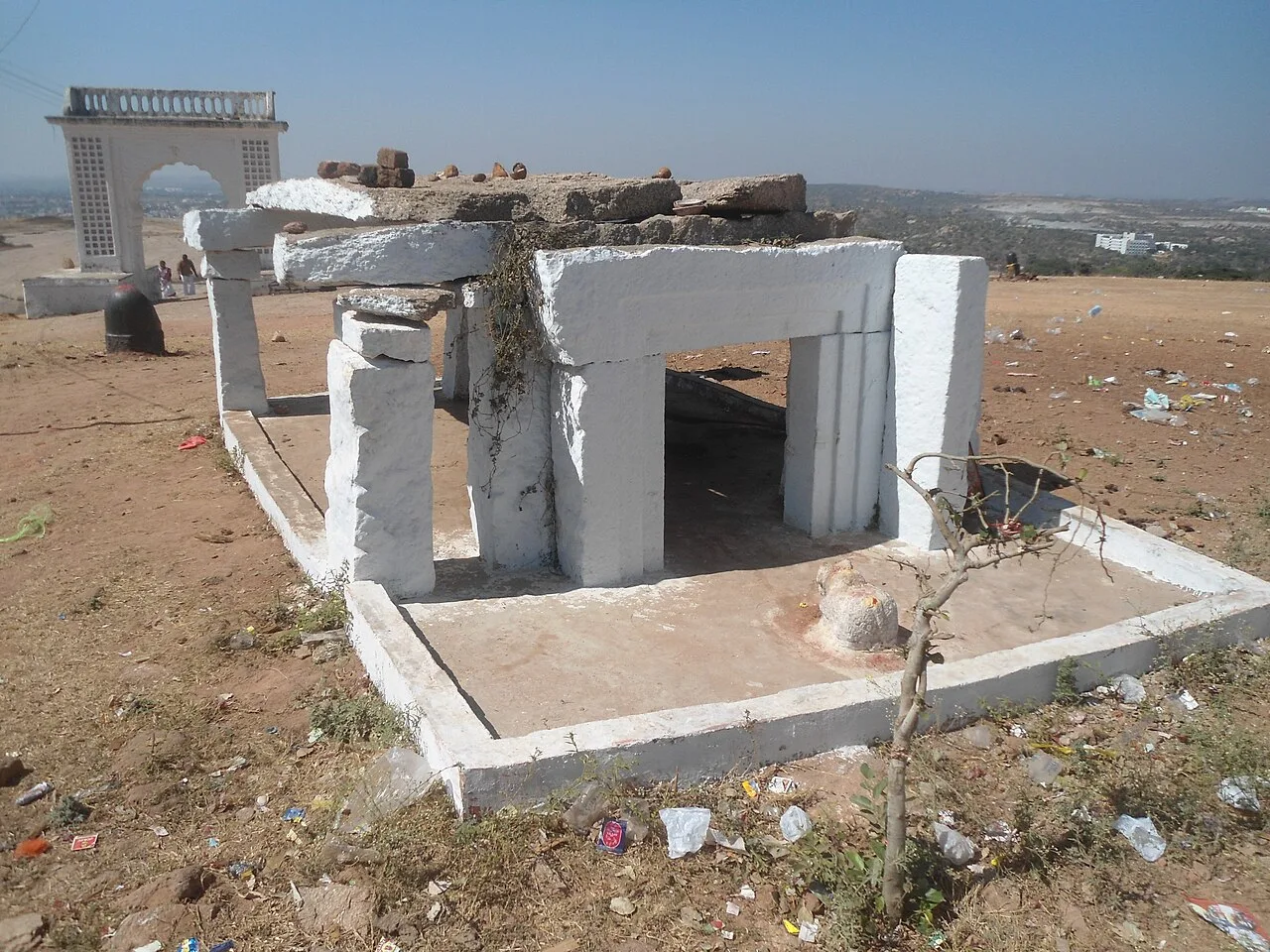 Photo: Adityamadhav83 · CC BY-SA 3.0
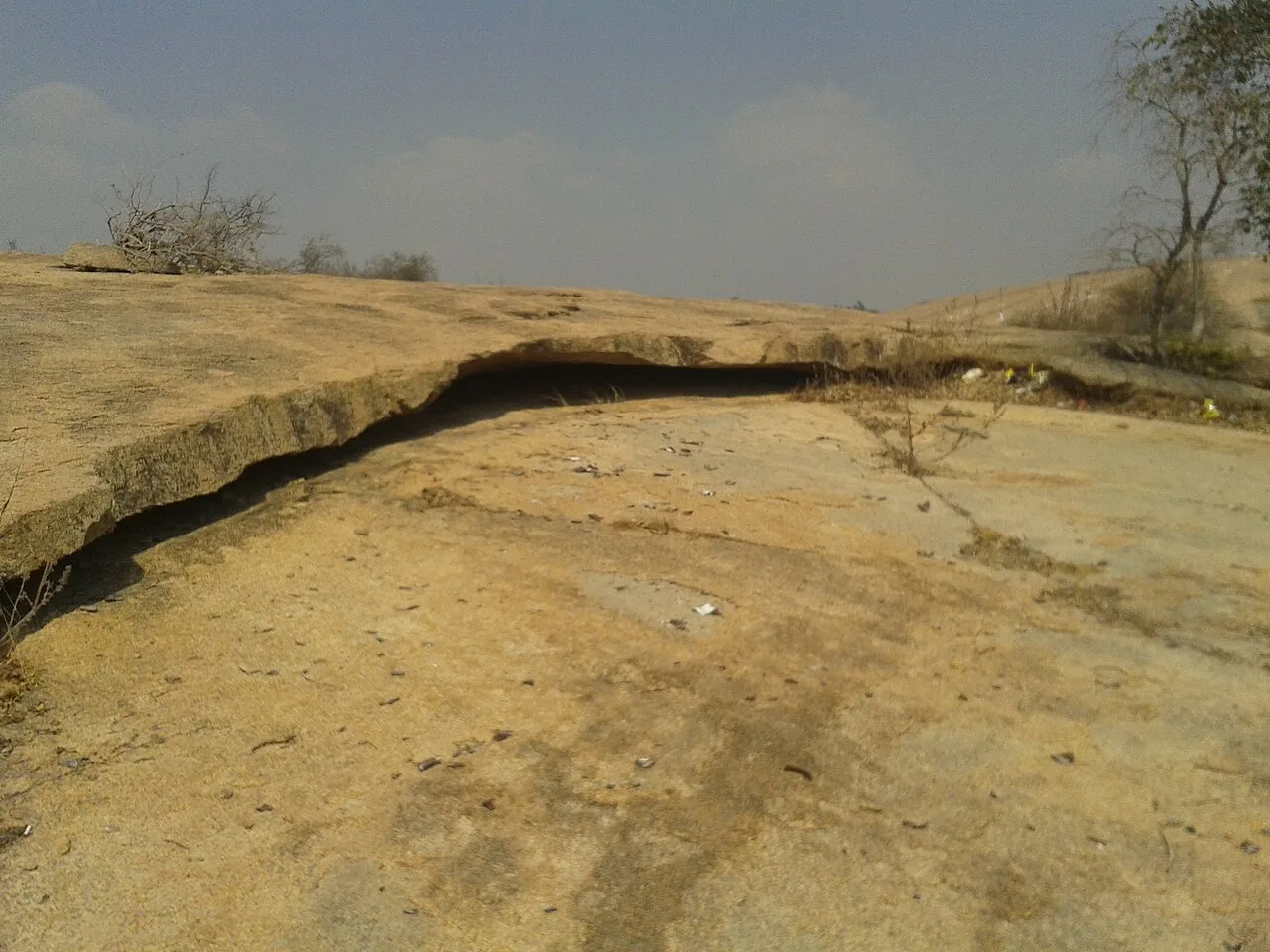 Photo: Adityamadhav83 · CC BY-SA 3.0