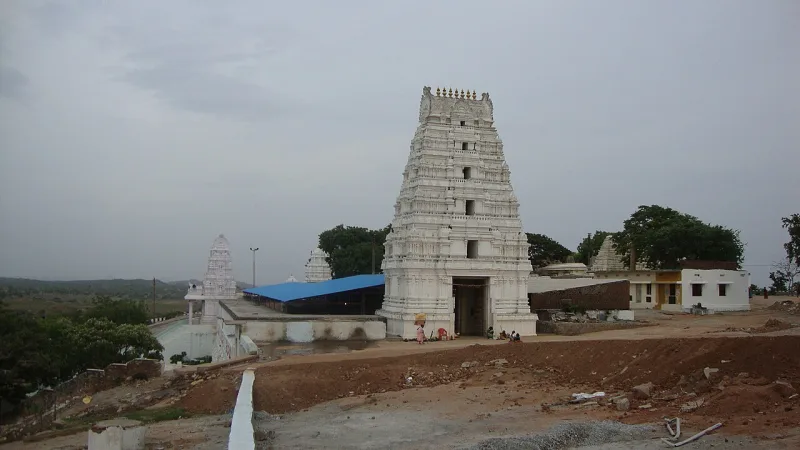
Temple
Keesaragutta Temple and Archaeological Hill
Medchal-Malkajgiri, Telangana
A hilltop Shiva temple among early Telugu history: excavated fort walls, a 1,500-year-old inscription and Jain...
Read more →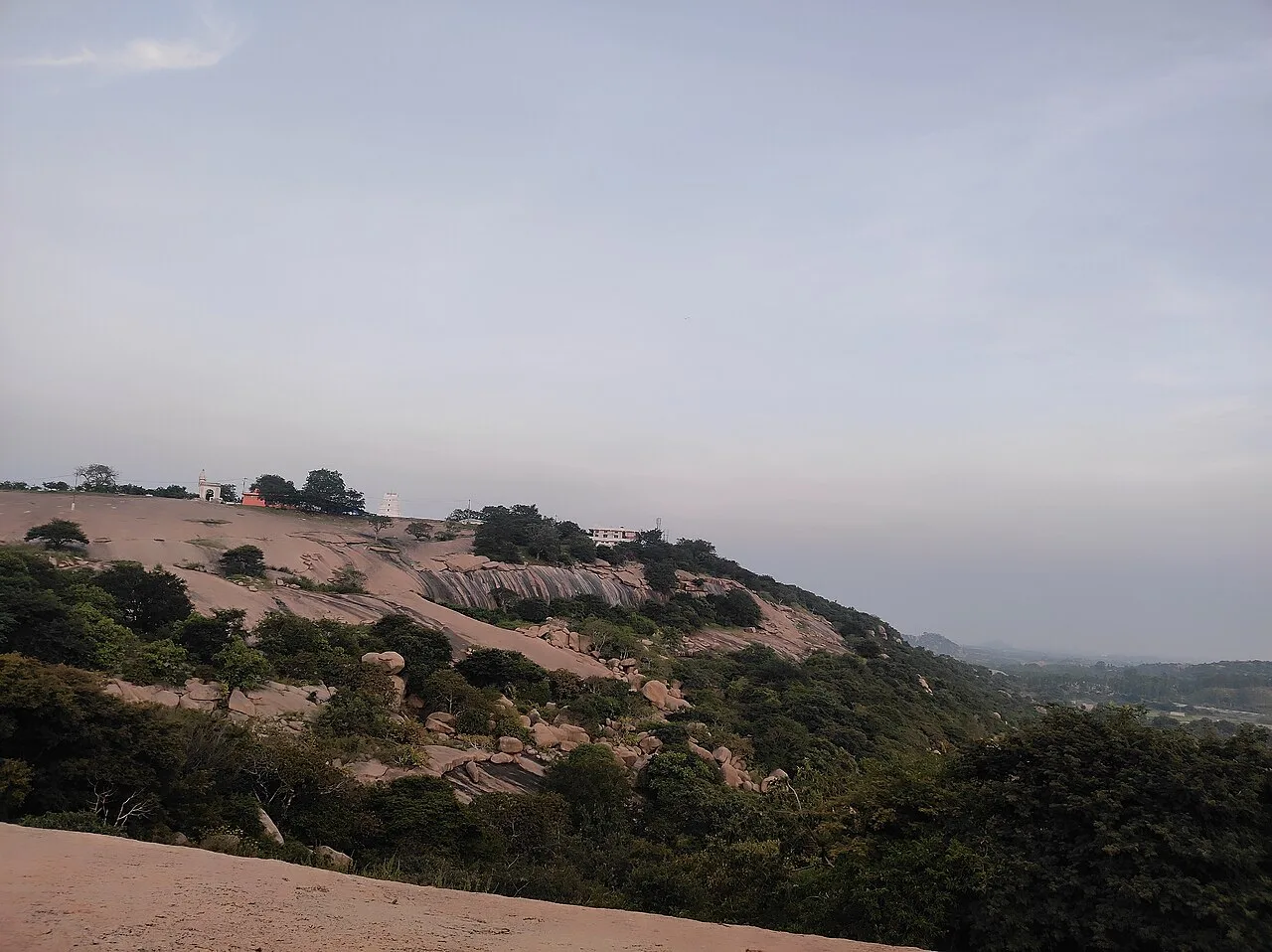 Photo: ప్రశాంతి · CC0
Fair / Mela
Keesaragutta Temple, Medchal-Malkajgiri, Telangana
Around Maha Shivaratri (February or March), reported to run for about five days.
The hill’s biggest gathering: night-long Shiva worship and a country fair.
About the celebration
The hill’s biggest gathering: night-long Shiva worship and a country fair.
Where the details on this page come from. Timings, fees and phone numbers change, so confirm them before you travel.
Distances are in a straight line from Keesaragutta Temple and Archaeological Hill; travel by road is longer. The map position of Keesaragutta Temple and Archaeological Hill is approximate.
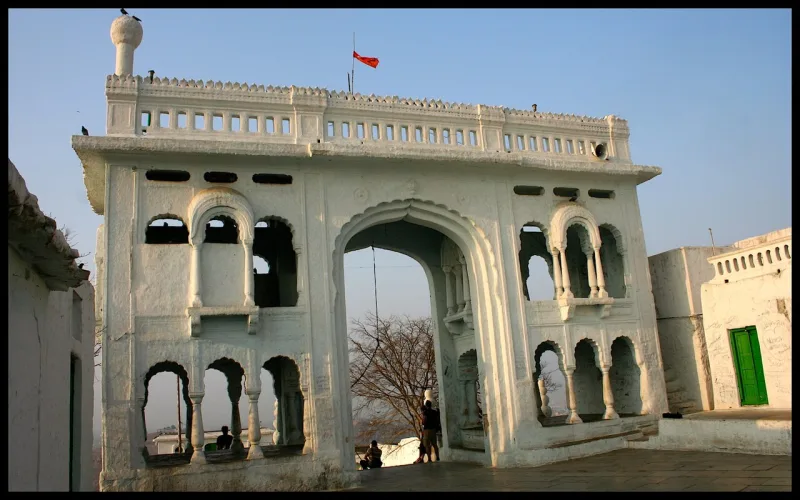
Medchal-Malkajgiri, Telangana
📍 About 16 km away from Keesaragutta Temple and Archaeological Hill
A shrine on a granite hill with wide views, bound up with the story of a remarkable woman poet.
Read more →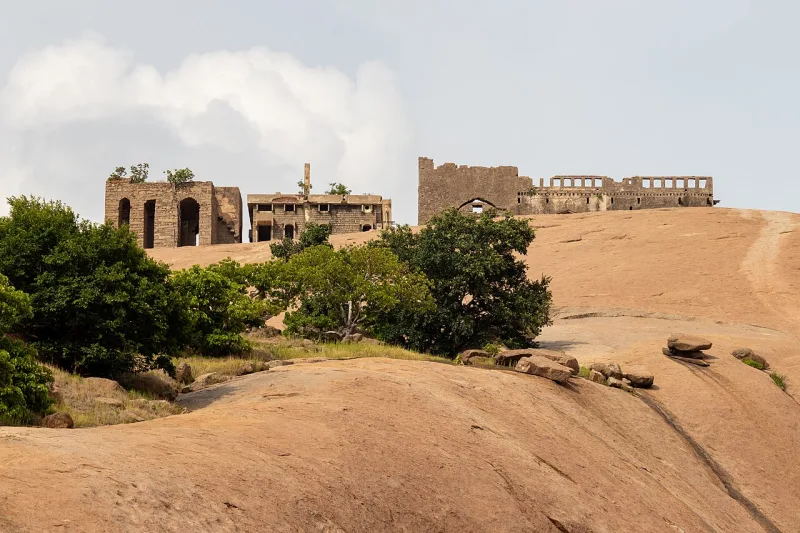
Yadadri Bhuvanagiri, Telangana
📍 About 22 km away from Keesaragutta Temple and Archaeological Hill
A fort crowning a single enormous rock, one of the most rewarding climbs within reach of Hyderabad.
Read more →Hyderabad, Telangana
📍 About 22 km away from Keesaragutta Temple and Archaeological Hill
A long-standing gurdwara of the twin cities, known for kirtan, langar and service at Gurpurab.
Read more →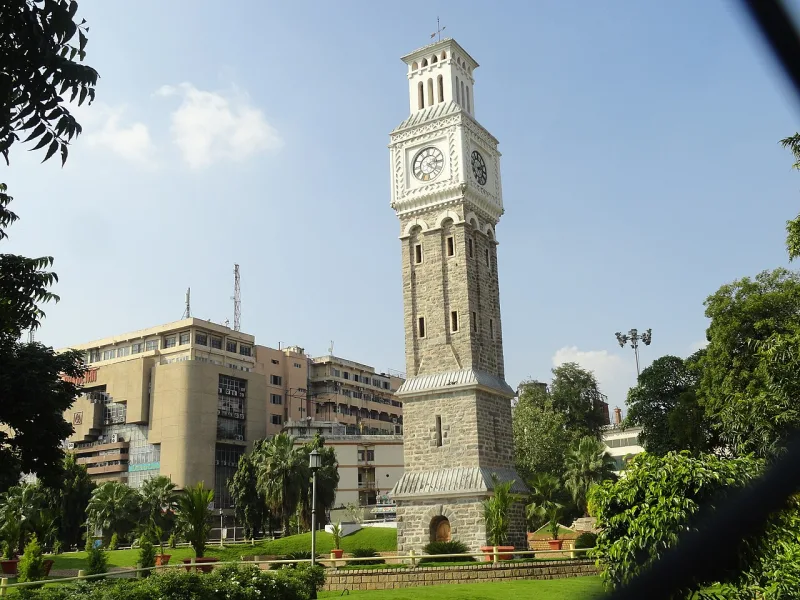
Hyderabad, Telangana
📍 About 22 km away from Keesaragutta Temple and Archaeological Hill
The 1897 tower in its little park, a beloved landmark of the twin city.
Read more →Hyderabad, Telangana
📍 About 23 km away from Keesaragutta Temple and Archaeological Hill
The goddess of old Secunderabad, centre of the great Lashkar Bonalu.
Read more →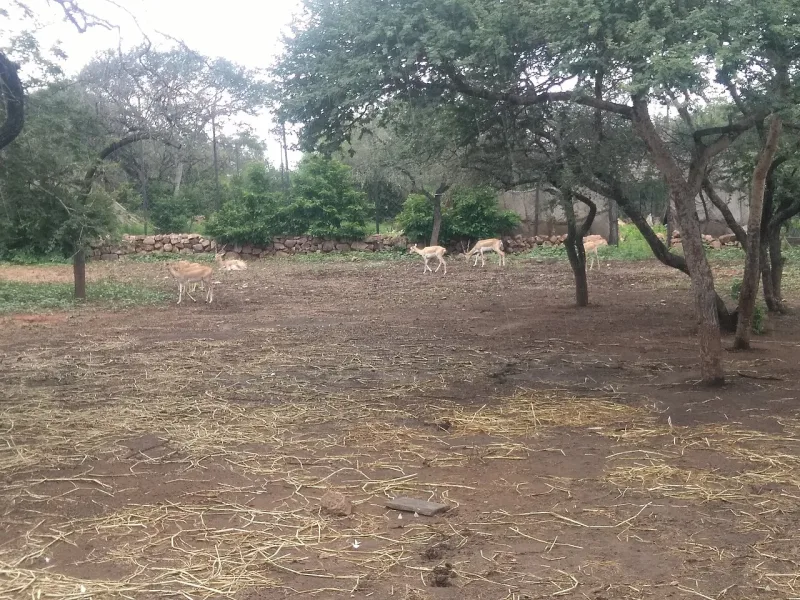
Rangareddy, Telangana
📍 About 24 km away from Keesaragutta Temple and Archaeological Hill
Blackbuck and spotted deer in forest on the eastern edge of the city, once a royal hunting ground.
Read more →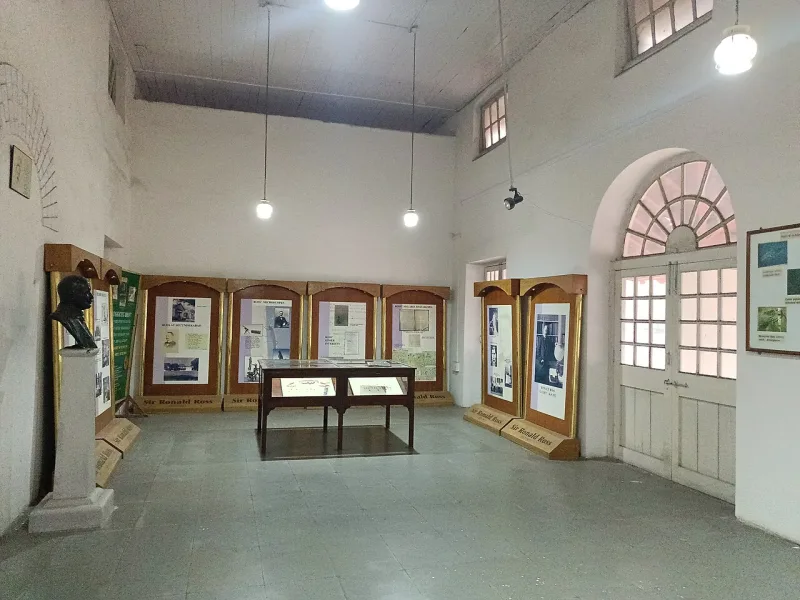
Hyderabad, Telangana
📍 About 25 km away from Keesaragutta Temple and Archaeological Hill
Where Hyderabad’s place in medical history is told: the 1897 discovery that mosquitoes carry malaria parasites...
Read more →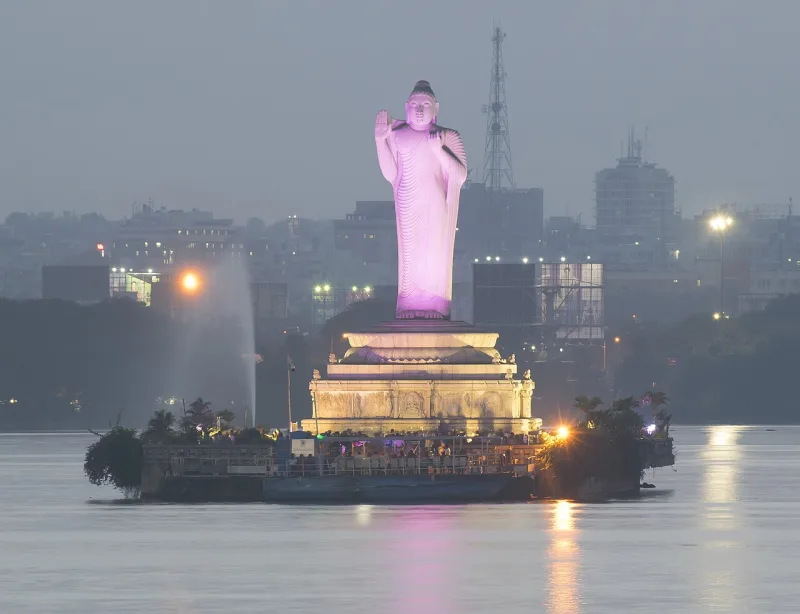
Hyderabad, Telangana
📍 About 26 km away from Keesaragutta Temple and Archaeological Hill
The lake that joins Hyderabad and Secunderabad, with a giant granite Buddha standing on an island.
Read more →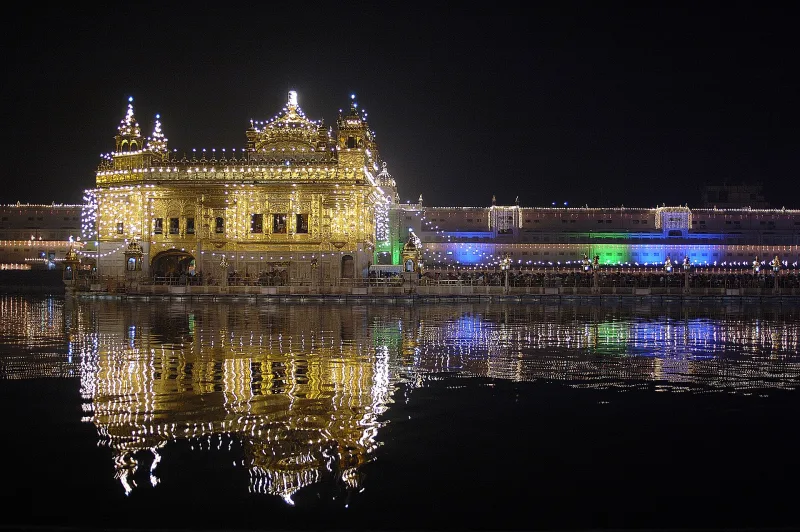
Kartik Purnima.
Amritsar, Punjab
The birth anniversary of Guru Nanak, marked with kirtan, illumination and langar.
Read more →
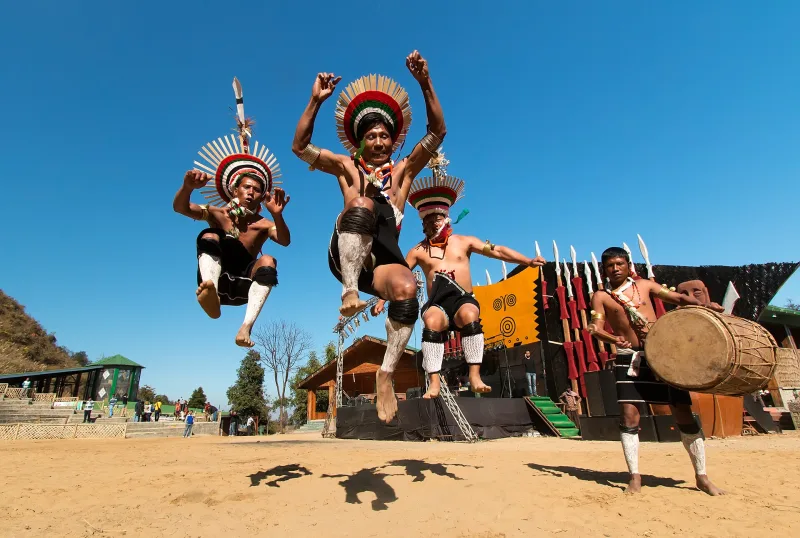
1 Dec 2026 – 10 Dec 2026
Kohima, Nagaland
Dance, music, craft and food of the Naga tribes at Kisama Heritage Village.
Read more →
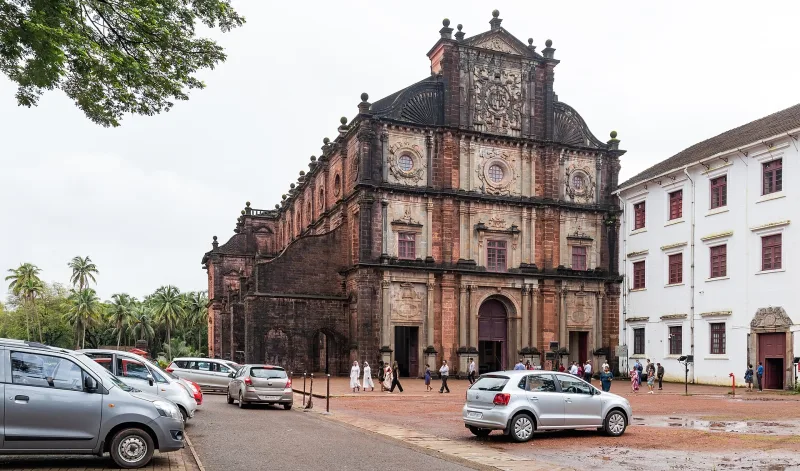
3 Dec 2026
North Goa, Goa
The annual feast in Old Goa, preceded by nine days of prayer.
Read more →
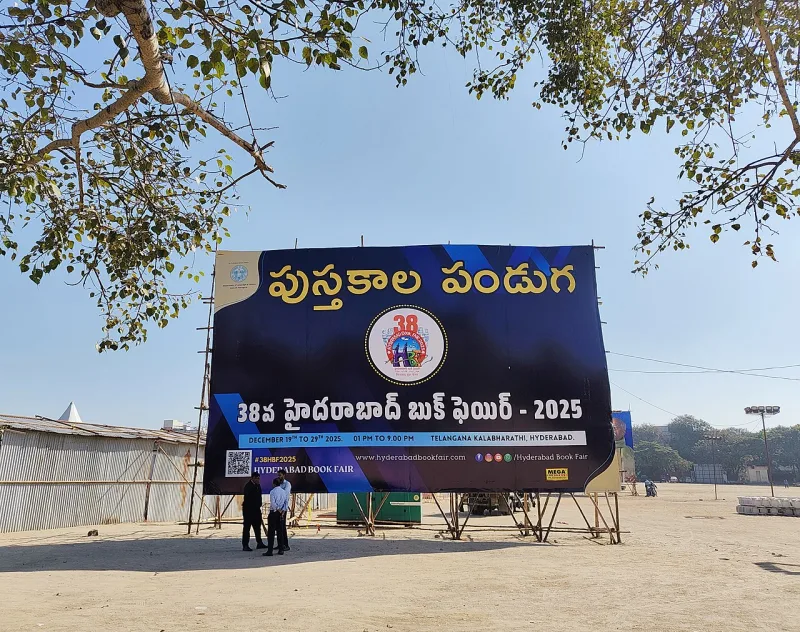
18 Dec 2026 – 28 Dec 2026
Hyderabad, Telangana
About 320 stalls of books in Telugu, Urdu, Hindi, English and more.
Read more →