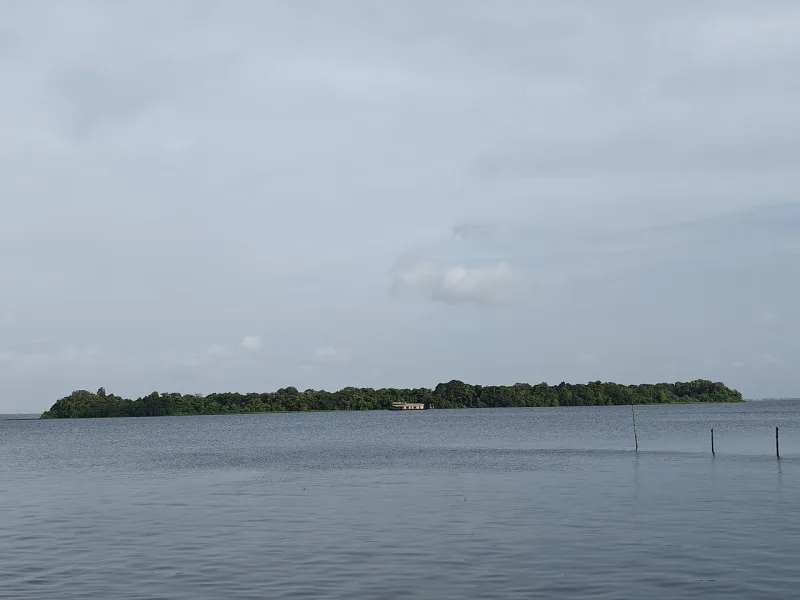
Photo: P.K.Niyogi (talk) · Public domain

National Park and Wildlife

Kumarakom Bird Sanctuary

Kerala · KottayamAlso known as Vembanad Bird Sanctuary

No ratings yet · be the first to review

A shady bird sanctuary on the shore of Vembanad Lake, begun in a rubber estate and visited by resident and migratory birds.

Best time to visit
November to February, soon after sunrise
Time needed
2 to 3 hours

About Kumarakom Bird Sanctuary

Why you should visit

A shady bird sanctuary on the shore of Vembanad Lake, begun in a rubber estate and visited by resident and migratory birds.

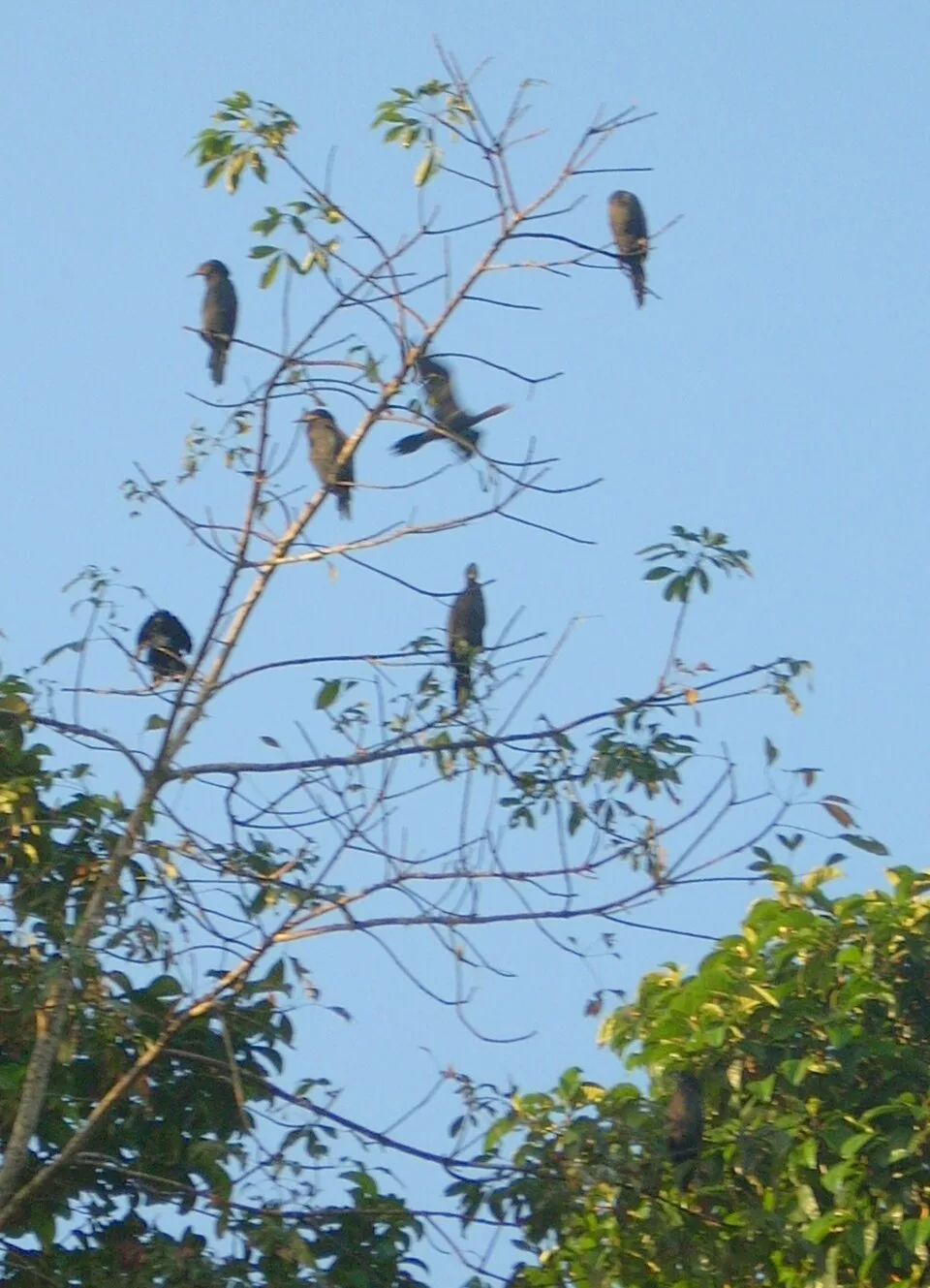
Where the Meenachil river meets the broad waters of Vembanad Lake, a patch of woodland and marsh has become one of Kerala's best known places for watching birds. The Kumarakom Bird Sanctuary covers about fourteen acres on the southern bank of the river. It is small, easy to explore and full of life, making it a good introduction to the wetlands for families, students and anyone who likes to walk slowly with their eyes upward. The sanctuary has an unusual origin. An Englishman, George Alfred Baker, developed the area within a rubber plantation, and for years it was known as Baker's Estate. As trees grew along the water, birds found safe places to roost and nest. Today the Kerala Tourism Development Corporation manages the sanctuary, and the old name survives in local conversation and in the heritage property nearby. What you see depends greatly on the month and the hour. Resident species such as pond herons, egrets, cormorants, darters, night herons, coucals and several kingfishers can be found through much of the year. During the nesting period, which broadly coincides with the rains and the months after, trees may be crowded with nests and noisy chicks. In winter, visitors from colder regions join them, and ducks, waders and other migrants appear around the lake. No sighting can be promised, which is part of the pleasure. In 2008 the conservation organisation WWF India held a bird watching programme here to mark World Wetlands Day, reflecting the value placed on the site. A path leads through the sanctuary beside canals, with places to stop and observe. A watch tower has been provided at times; check its condition before climbing. A slow round takes one or two hours. Start soon after opening, when the air is cool and birds are most active, or visit in late afternoon as they return to roost. A local guide can point out species hidden among the leaves and explain their calls. Boat trips along the edge of the lake offer another view, especially of birds feeding in open water. Come prepared. The ground can be damp or muddy, so wear closed shoes. Mosquitoes are common, and repellent is worth carrying along with drinking water, a hat and a rain cover. Binoculars help enormously. Speak softly, avoid sudden movements and never throw anything to make birds fly for a photograph. Flash should not be used near nests. Take every wrapper back with you, since waste in a wetland quickly reaches the water. The sanctuary is one part of the larger Kumarakom experience. The village is known for its canals, paddy fields, toddy shops serving spicy lake fish, village walks and houseboat cruises. Community based tourism programmes have involved residents in showing coconut leaf weaving, coir work and farming. Staying overnight allows you to enjoy both a dawn visit and a sunset on the lake. Kottayam, about fourteen kilometres away, has a major railway station and bus connections to the whole state. Cochin International Airport at Nedumbassery is a little over a hundred kilometres by road. Autos and taxis cover the final stretch, and boats link points around the lake. November to February is the most comfortable time. The monsoon from June to August makes the landscape intensely green and nesting activity rewarding, but heavy rain can flood paths. March to May is hot, so keep visits short and early. Combine the sanctuary with a boat to Pathiramanal island, or with the temple town of Vaikom to the north. A morning here reminds visitors that the backwaters are not only a scenic setting for cruises but a living wetland that feeds and shelters thousands of creatures, and that its health depends on gentle, thoughtful visitors.
  • Boardwalks and paths among wetland trees
  • Herons, egrets, darters and kingfishers
  • Migratory birds in the cooler months
  • Vembanad Lake and the backwaters

Photos (1)

Photo credits
  1. Photo: P.K.Niyogi (talk) · Public domain · Source

Reels and Shorts

Instagram Reels and YouTube Shorts by vloggers and visitors.

Space for a Reel or Short

Space for a Reel or Short

Space for a Reel or Short

Space for a Reel or Short

YouTube videos

Full videos, guides and walkthroughs.

Space for a YouTube video

Space for a YouTube video

Reviews and ratings

– 0 reviews
  • 5 ★0
  • 4 ★0
  • 3 ★0
  • 2 ★0
  • 1 ★0

No reviews yet. Be the first to share your experience. Reviews appear here once a moderator approves them.

Write a Review

Special events & celebrations

None listed yet.

+ Add an event held here

Good to know

Visitor tips

  • Arrive early for the best bird activity
  • Wear dull colours and keep quiet
  • Use insect repellent
  • Hire a local guide to help identify birds

How to reach

About 14 km west of Kottayam town, with regular buses; Kochi airport is about 106 km away.

Address: Kumarakom, Kottayam district

Open directions in Google Maps

Sources

Where the details on this page come from. Timings, fees and phone numbers change, so confirm them before you travel.

Nearest places to Kumarakom Bird Sanctuary

Distances are in a straight line from Kumarakom Bird Sanctuary; travel by road is longer.

Places near me