A backwater island village of fishers near Kochi, known for Chinese nets, community tourism and the glowing water called kavaru in some months.
Twelve kilometres from the middle of Kochi, the city gives way to a low island laced with water, where nets hang in the evening light and the pace slows. Kumbalangi is a fishing village that became well known as a model for community based tourism, promoted by the state as an integrated tourism village.
The idea was to let visitors experience ordinary village life while bringing income and improvements to residents. Families offer homestays and meals, boatmen take guests through the channels, and craft and farming activities can be arranged. Mangroves line parts of the shore, and efforts have been made to plant more of them, since they protect banks and shelter young fish.
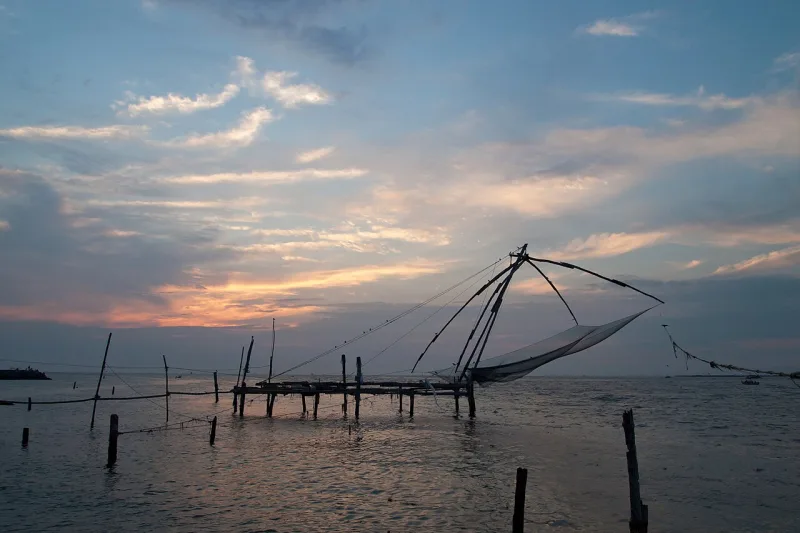
Chinese fishing nets, large frames balanced on poles that are lowered into the water and raised by counterweights, are a characteristic sight. With the owners' agreement, visitors may watch or try the work. Crab farming, prawn ponds, traditional line fishing and coir making show other sides of the local economy.
Kumbalangi has also attracted attention for kavaru, a natural glow in the backwater at night produced by microscopic organisms that emit light when the water is disturbed. It tends to appear in the dry, warm months when salinity is high, often between March and May, but it varies from year to year and cannot be guaranteed. Dip a hand or watch an oar stroke on a dark night, from a safe place, and you may see blue sparks. Crowds seeking the sight have sometimes caused disturbance and litter; go quietly, respect private land and never throw anything into the water.
The best way to visit is through a local host, who can plan a canoe ride, a village walk and a seafood meal. Confirm prices beforehand. Wear a life jacket in small boats, apply sunscreen and mosquito repellent and carry drinking water.
This is a community, not a theme park. Ask permission before entering compounds or taking portraits, dress modestly in the lanes and keep noise down at night. Buying fish, crafts or meals directly from residents supports the purpose of the project.
Half a day gives a taste; an overnight stay is better, offering sunset, the quiet of night and early morning bird calls. Roads are narrow, so a taxi or autorickshaw is practical.
Fort Kochi and Mattancherry lie a short distance north and make a contrasting heritage day. The Kadamakkudy islands, another cluster of backwater villages, and the longer houseboat routes of Alappuzha to the south offer further water experiences.
November to March provides comfortable weather for boating. Monsoon rains bring greenery but also flooding in low areas, while the summer months, though humid, offer the best chance of the night glow.
Kumbalangi rewards those who come to learn how people live with water: how they read tides, mend nets and cook the day's catch. The glow, if it appears, is a bonus that feels almost magical. Whether or not you see it, an evening listening to the lapping channel beside a lamp lit house makes the city seem far away. Travel responsibly and leave the village as welcoming as you found it. Ask hosts about current conditions before booking.
Visitors coming for the glow should choose a night near the new moon, avoid bright torches and keep expectations modest. A local boatman can say whether it has been seen in recent days. If you stay overnight, eat what the family cooks, ask about their work and respect the household's routine. Such exchanges are usually remembered longer than any sight, and they ensure that tourism remains welcome in a village where people must rise early for the tide and the market.
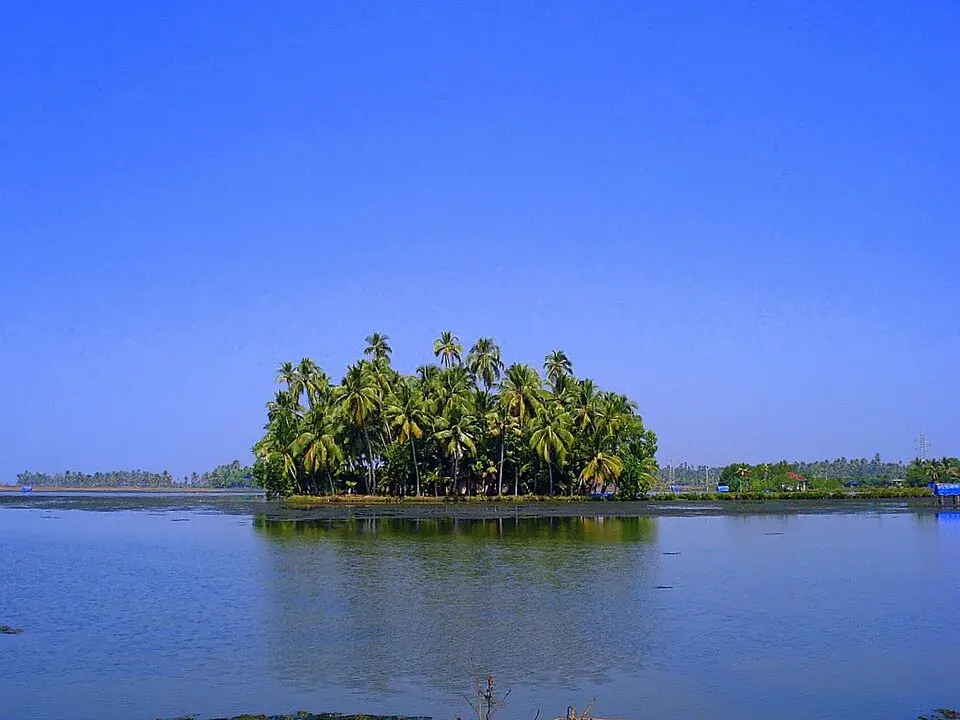 Photo: Aruna · CC BY-SA 3.0