A tiny mangrove sanctuary of under three hectares in the heart of Kochi, with a tidal lake that shelters nesting waterbirds.
Hemmed in by court buildings, roads and apartment towers, a small patch of dense green survives in the middle of Kochi. Mangalavanam covers only about 2.74 hectares, yet it is recognised as an ecologically sensitive area and protected as a bird sanctuary.
At its centre lies a shallow lake that rises and falls with the tide, connected by a canal to the backwaters. Around it grow mangroves of several kinds, with their tangled roots gripping the mud. This combination of brackish water and thick vegetation provides food, shelter and nesting places that have become rare in a growing city.
A good variety of birds has been recorded, including residents and winter visitors. Night herons roost in the trees, egrets and cormorants feed in the shallows, and kingfishers, sunbirds, drongos and others move through the canopy. Bats, fish, crabs and insects add to the community. Numbers vary with the season and with conditions in and around the site, and noise and pollution nearby are continuing concerns for conservationists.
Mangroves do much more than shelter wildlife. They filter water, trap sediment, act as nurseries for young fish and help to buffer shores against floods and storms. A visit offers a simple lesson in why the remaining fragments are worth guarding, and teachers find it a convenient outdoor classroom.
Access is controlled. Visiting hours are limited, some areas are closed to protect nesting birds and groups may need permission from the forest department. Ask at the entrance and follow instructions. Stay on permitted paths, speak softly, switch phones to silent and never throw food or rubbish. Do not use loudspeakers or recorded bird calls. Flash photography near roosts should be avoided.
Come early in the morning, when birds are active and the air cool. Binoculars are very helpful because many birds perch high or hide among leaves. Allow about forty five minutes, with extra time if you enjoy watching quietly from one spot. Mosquito repellent is advisable, particularly after rain.
There are few facilities within the sanctuary. Toilets and refreshments can be found in the surrounding commercial area. Parking near the courts is restricted on working days, so public transport or an autorickshaw is the sensible choice.
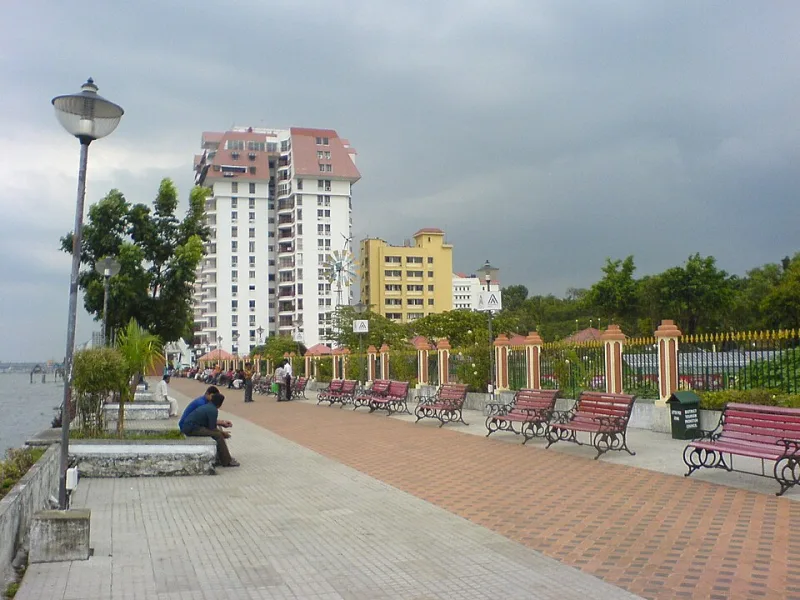
The location makes it easy to combine with other sights: Marine Drive for a waterfront walk, a water metro ride from the High Court terminal, Subhash Bose Park, the Ernakulam Shiva temple and Durbar Hall. Travellers keen on larger bird areas can plan trips to Kadamakkudy islands, Kumarakom or the Thattekad sanctuary.
November to February is the preferred season, with pleasant temperatures and migrant birds. The monsoon refreshes the mangroves but may limit access.
Mangalavanam will not offer the spectacle of a large reserve. Its achievement is simply to exist: a breathing, calling, tidal fragment where herons sleep within sight of office windows. A quiet visit reminds us that wild creatures can share a city if a little space is left for them. Take that thought away, leave nothing behind and let the traffic noise return only after you have stepped back onto the road. Verify opening arrangements before visiting.
Schools should contact the forest authorities ahead of a visit and keep groups small, so that children can see and hear without disturbing the birds. Ask them to sketch one bird and one mangrove root, a simple exercise that sharpens observation. Photographers should work from the paths with a long lens and resist the temptation to move closer to nests. If entry is closed on your date, a glimpse of the canopy from outside still shows how remarkable this pocket of green is, and the waterfront nearby offers further chances to watch herons and kites.
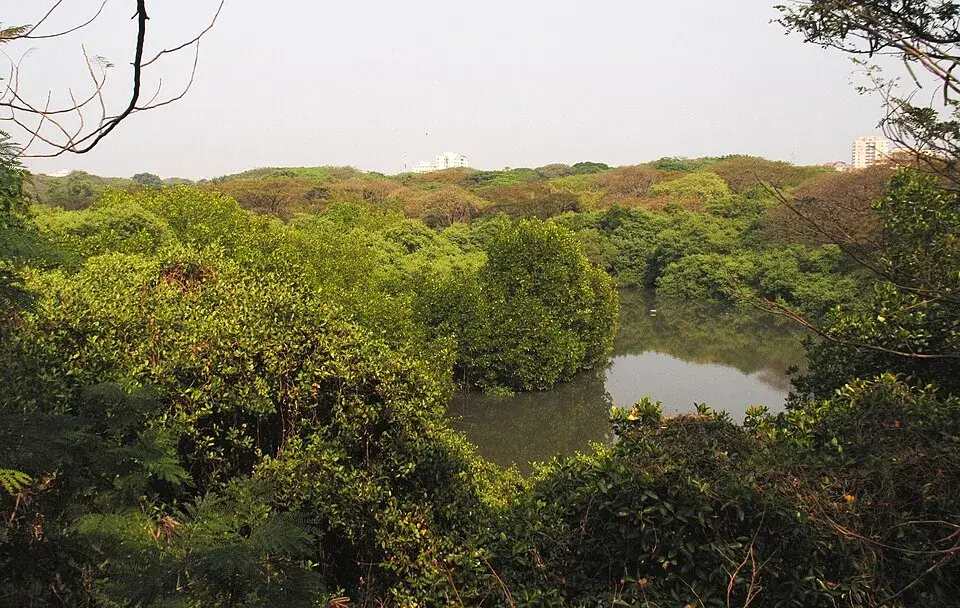 Photo: Augustus Binu/ www.dreamsparrow.net/ facebook · CC BY-SA 3.0