National Park and Wildlife

Mrugavani National Park

Telangana · Rangareddy

No ratings yet · be the first to review

Spotted deer, sambar and more than a hundred bird species in forest on the city’s western edge.

Best time to visit
October to March, morning
Time needed
2 hours

About Mrugavani National Park

Why you should visit

Spotted deer, sambar and more than a hundred bird species in forest on the city’s western edge.

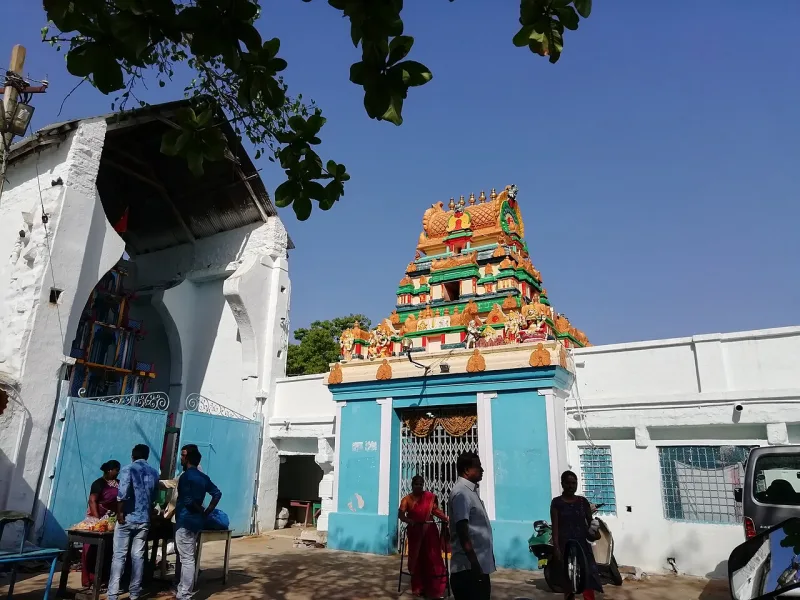
Mrugavani National Park protects a patch of Deccan forest on the western edge of Hyderabad, home to spotted deer, sambar and more than a hundred species of birds. Located at Chilkur in Moinabad mandal, about twenty kilometres from the Mahatma Gandhi Bus Station, it brings woodland within easy reach of city families. A watch tower, an education centre, a museum, nature walks and safari rides introduce visitors to the landscape that once covered much of this region. The forest was declared a national park in 1994. Published figures for its area differ, ranging from about three point six to four point nine square kilometres. Although small compared with the great reserves of India, it has real value as a refuge close to a large and expanding city, where open land is steadily being turned into roads and buildings. Its trees help cool the surroundings, hold the soil and give wildlife space to feed and breed. The vegetation is typical of the dry deciduous and scrub forest of the plateau. Trees and thorny shrubs are interspersed with grassland and rocky patches. The scene changes strongly with the season: lush and green during and after the monsoon, and open and golden in the dry months, when animals may be easier to see. Spotted deer are the most familiar residents, and sambar, wild boar, hares and other small mammals live here, though many keep to cover. Reptiles and butterflies add to the variety. Birdwatchers can look for both woodland species and those of open country. Begin at the education centre or museum if it is open, since an explanation of local species sharpens the eye for what you see outside. On a walk, move quietly and stop often. Listen for alarm calls, look for tracks in soft earth and scan the shade under trees. The watch tower gives a view over the canopy and a sense of how the forest sits within the surrounding countryside. Where safari rides operate, they allow visitors to cover more ground, though sightings are never guaranteed. About two hours is usually sufficient. Those who come with patience often leave having noticed far more than they expected, from the flash of a bird among the thorns to the quiet movement of deer at the edge of a clearing. Morning from October to March is the best time, with pleasant temperatures and active birds. No official current timings were found, so confirm opening days, hours, charges and available activities with the Forest Department before setting out. A guided walk, if offered, is well worth joining, particularly for children and first time birdwatchers. Wear muted colours and closed shoes, carry drinking water, a hat and binoculars, and apply insect repellent. Do not feed animals, leave paths or make loud noises. Plastic and food litter harm wildlife, so carry your waste out. Do not light fires or smoke. Keep a respectful distance from any animal and follow the instructions of forest staff at all times. The park lies on the road towards Chilkur, and buses run in that direction, though a cab or private vehicle gives more freedom. The Chilkur Balaji Temple is very close and is often combined with a forest visit; remember that the temple can be crowded on certain days. Osman Sagar, with its dam and lakeside park at Gandipet, is also in the same part of the district and makes a fine place to watch the sunset. Eating options near the park may be limited, so carry light refreshments and consume them only where allowed. For students, the visit offers a practical lesson in ecology, showing how animals, plants, water and people are connected. For adults, it provides a quiet morning that costs little effort and gives a renewed sense of the countryside beyond the busy streets.
  • Spotted deer
  • Birdwatching
  • Watch tower

Photos

No photos yet. Be the first to share one.

Reels and Shorts

Instagram Reels and YouTube Shorts by vloggers and visitors.

Space for a Reel or Short

Space for a Reel or Short

Space for a Reel or Short

Space for a Reel or Short

YouTube videos

Full videos, guides and walkthroughs.

Space for a YouTube video

Space for a YouTube video

Reviews and ratings

– 0 reviews
  • 5 ★0
  • 4 ★0
  • 3 ★0
  • 2 ★0
  • 1 ★0

No reviews yet. Be the first to share your experience. Reviews appear here once a moderator approves them.

Write a Review

History and significance

The forest was declared a national park in 1994. Published figures for its area differ, from about 3.6 to 4.9 square kilometres.

Things to see and do

  1. Join a guided walk
  2. Pair it with Chilkur Balaji temple

Special events & celebrations

None listed yet.

+ Add an event held here

Good to know

Visitor tips

  • Wear muted colours
  • Do not feed animals
  • Confirm opening days with the Forest Department

How to reach

Nearest airportRajiv Gandhi International Airport, Shamshabad
About 20 km from MGBS on the Chilkur road.

Address: Chilkur, Moinabad mandal

Open directions in Google Maps

Sources

Where the details on this page come from. Timings, fees and phone numbers change, so confirm them before you travel.

Nearest places to Mrugavani National Park

Distances are in a straight line from Mrugavani National Park; travel by road is longer.

Places near me