A twelve-arched pavilion from a Qutb Shahi roadside inn, today a venue for the arts.
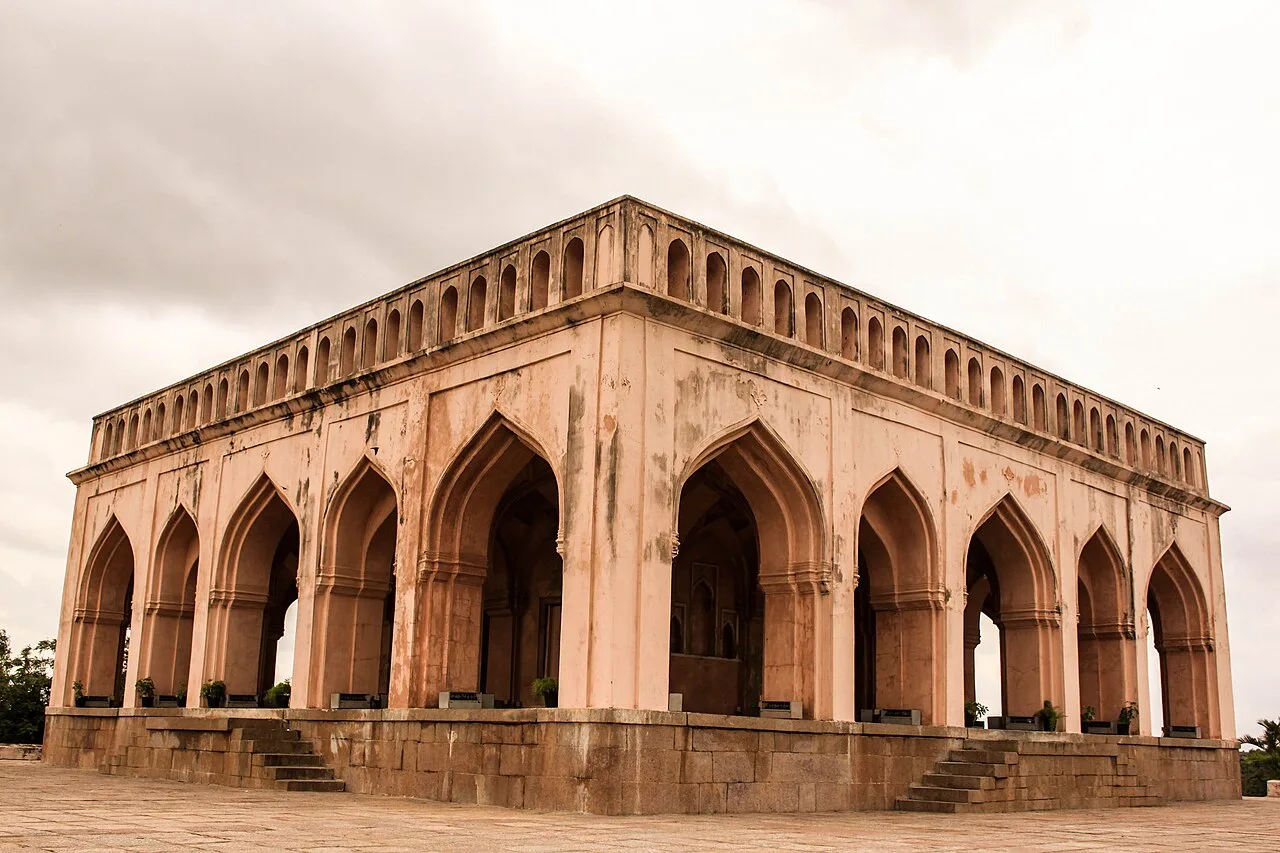
Taramati Baradari is an elegant twelve-arched pavilion that once formed part of a Qutb Shahi roadside inn and is today a venue for the arts. It stands at Ibrahim Bagh, about two kilometres from Golconda Fort, raised so that its open arches catch the breeze from every side. The word baradari describes a pavilion with twelve doorways, a form much loved in India for gatherings where people wished to enjoy shade, air and a view at the same time.
The pavilion was part of a caravanserai, a resting place for travellers, merchants and their animals on the approaches to Golconda. It is generally dated to the reign of Ibrahim Quli Qutb Shah. Golconda was a famous trading centre, and the roads around it carried people from distant places who needed lodging, water and security. The name remembers Taramati, a celebrated singer of a later reign, that of Abdullah Qutb Shah, who with Premamati was honoured with a tomb among royalty in the Qutb Shahi necropolis.
The most loved story says that the king, sitting in the fort, could hear Taramati singing from this pavilion across the intervening distance. No contemporary record supports it, and it is best enjoyed as a fable. Yet it explains why people in Hyderabad associate this spot with music, and it gives a pleasant thought to carry as you stand beneath the arches and look towards the walls of Golconda.
Architecturally the pavilion is a study in simplicity. Rows of pointed arches repeat on all four sides, framing changing pictures of sky, trees and rocky landscape. The structure is open and light compared with the massive masonry of the fort, and its raised position emphasises its outline, particularly at dusk. Walk slowly around the outside before stepping within, and notice how the shadows of the arches fall across the floor as the sun moves.
Today the surrounding complex includes a theatre, an open-air auditorium and a restaurant, and it hosts performances and cultural programmes. A visit timed to a concert, dance recital or festival event can be memorable, since the arts return to a place that popular imagination has long linked with song. Check the events calendar or ask the management in advance to learn what is scheduled, whether tickets are needed and which areas will be accessible.
Timings depend on events, and parts of the complex may be closed for private functions, so it is sensible to enquire before travelling. For a simple sightseeing visit, about forty five minutes is generally enough. Evening is the most atmospheric time, when the heat eases and lights bring out the arches. Wear comfortable footwear for steps, carry water in summer and keep children close near raised edges. Treat the old stonework with care and do not write on or climb the structure.
Photographers may like the repeating arches as natural frames, particularly in the low light of late afternoon. If a private function is in progress, ask permission before taking pictures and respect the wishes of hosts and performers. Those with limited mobility should ask about steps and the easiest approach to the pavilion.
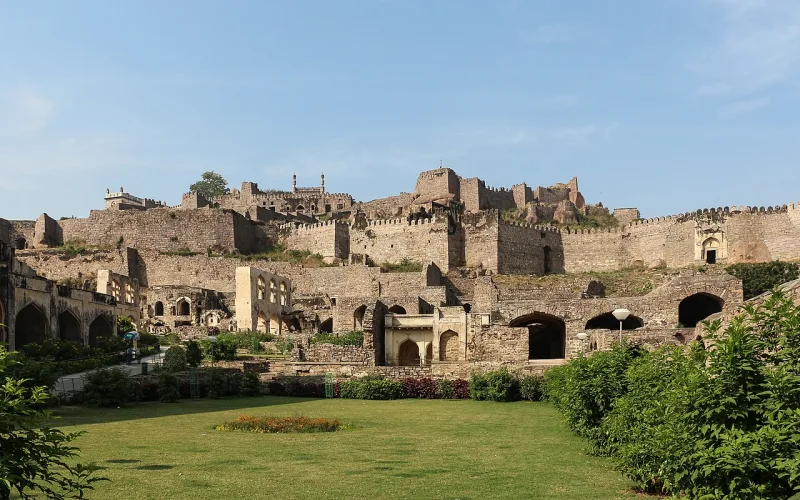
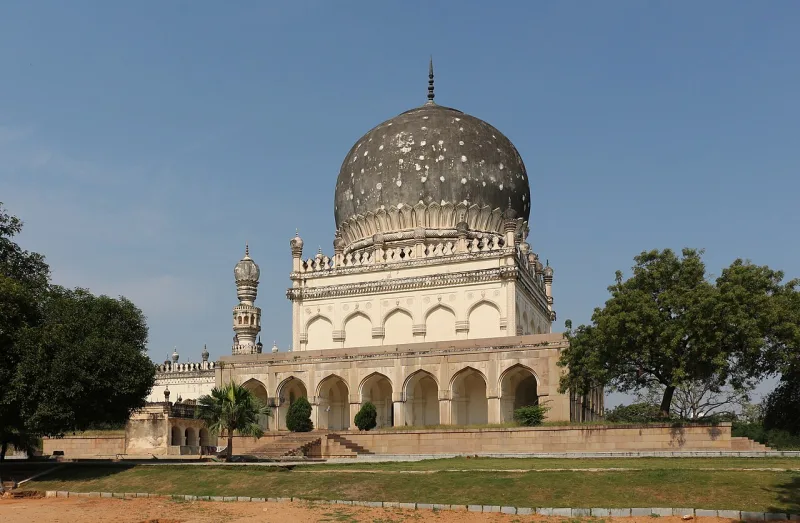
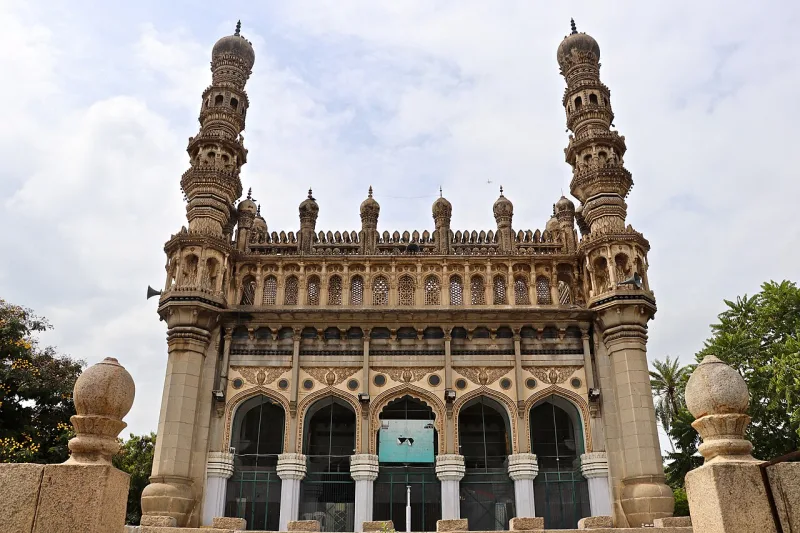
A cab or auto is the most convenient way to reach Ibrahim Bagh, and the visit fits neatly into a day devoted to the Qutb Shahi legacy. You might explore Golconda Fort in the cooler morning hours, walk among the domes of the Qutb Shahi Tombs, pause at the carved Toli Masjid on the Karwan road and end here as the day closes. Hyderabadi dishes are widely available in the city, and the restaurant at the complex offers a place to rest when it is open. October to February brings the most agreeable weather for outdoor performances and unhurried walks. After the monsoon rains the surroundings often look greener, and clear evenings give a pleasing view of the rocky country that the old travellers crossed.
It was part of a caravanserai at Ibrahim Bagh, generally dated to the reign of Ibrahim Quli Qutb Shah, and carries the name of the singer Taramati of a later reign.
Stories worth knowing
A song across two kilometres (fable)
The tale goes that the king, in the fort, could hear Taramati singing from this pavilion. No contemporary record supports it, but it explains why Hyderabadis think of music here.
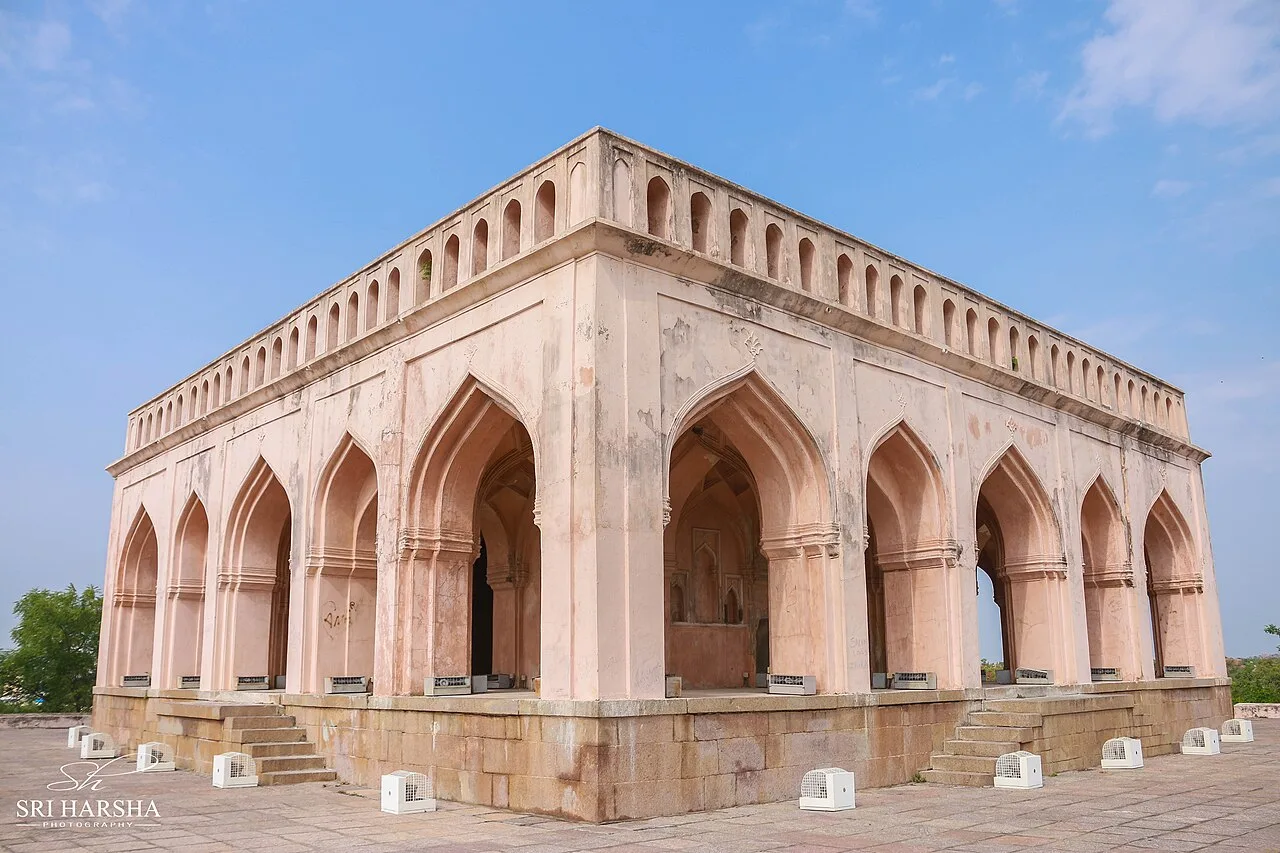 Photo: Sriharsha · CC BY-SA 2.0