Photo: Shishirdasika · CC BY-SA 4.0

Dam

Neyyar Dam and Wildlife Sanctuary

Kerala · ThiruvananthapuramAlso known as Neyyardam

No ratings yet · be the first to review

A 1950s dam across the Neyyar river with a wide reservoir ringed by forested hills, a long popular day out from the capital.

Best time to visit
September to February
Time needed
Half a day

About Neyyar Dam and Wildlife Sanctuary

Why you should visit

A 1950s dam across the Neyyar river with a wide reservoir ringed by forested hills, a long popular day out from the capital.

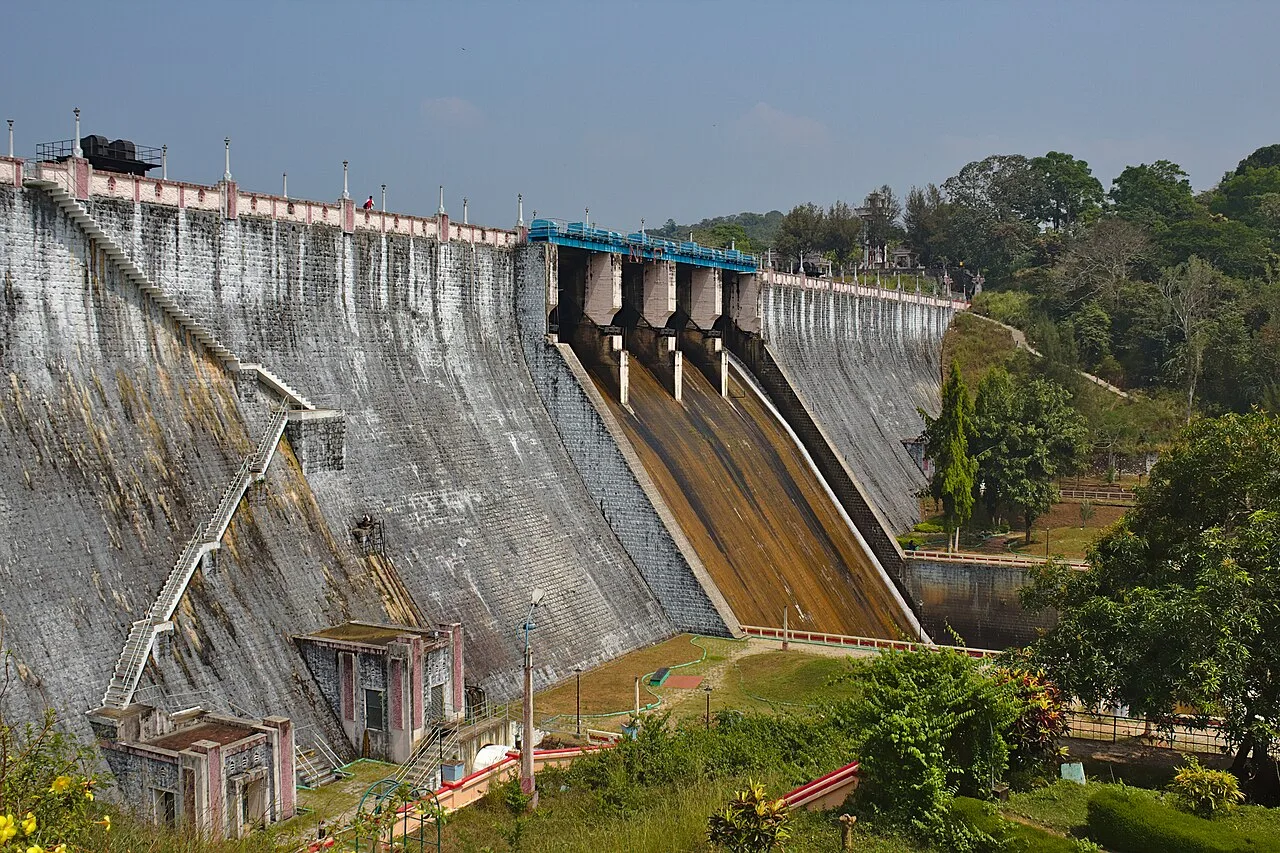
Neyyar Dam is the easiest way for a visitor in Thiruvananthapuram to trade city traffic for water and forest. The gravity dam crosses the Neyyar river at the foot of the Western Ghats, about 30 kilometres from the capital, and holds back a broad reservoir whose arms reach in among wooded hills. Work on the project began in 1956, much of it on land given by local families, and the dam was established in 1958 mainly to support irrigation in the southern part of the district. It soon became a favourite picnic place and remains one today. The first thing most people do is walk to the dam itself. From there the view takes in the calm sheet of water on one side, dotted with small wooded points, and the river channel below. When the monsoon fills the reservoir and the shutters are raised, the rush of water draws crowds. Keep behind the barriers, follow staff instructions and do not climb on walls for photographs, since spray makes surfaces slippery and releases can change suddenly. Near the approach are lawns, shaded seats and play areas where families settle with their food. The forests around the reservoir form the Neyyar Wildlife Sanctuary, a protected landscape that adjoins other reserves in the southern Ghats. Its moist and dry forests support elephants, deer, many monkeys, reptiles and a wide range of birds, although sightings from the public areas are never guaranteed. The sanctuary has been known for its crocodile rearing and rehabilitation centre, set up in 1977. Crocodiles live in these waters, so bathing and wading in the reservoir are unsafe and should not be attempted anywhere. Boat trips across the reservoir have long been part of a visit, giving a closer look at the shoreline and the hills. Operations, routes and ticket prices depend on water level, weather, safety rules and official decisions, and facilities such as wildlife safaris have at times been suspended for long periods. Confirm what is running before building a day around any single activity, and always wear the life jacket provided. Near the dam there is also a well known yoga ashram that attracts students from many countries; it is a place of study with its own rules and should be visited only as arranged. A comfortable plan is to arrive in the morning, walk the dam and gardens, take any available boat ride before the sun is high and have lunch in the shade or at a simple eatery in the village. Hats, drinking water and footwear with grip are useful. Monkeys can be bold around picnic spots, so keep food closed and never offer it to them. Bins are not everywhere, so bring a bag for waste. The months after the southwest monsoon, from September through February, bring a full reservoir, green slopes and pleasant weather. In the hot months of March to May the water level falls and midday outings are tiring. June and July are lush and atmospheric but can bring heavy rain, poor visibility and closures. Travellers can combine the dam with a visit to the elephant and forest facilities in the Kottoor area, if open, or return to the city by way of the countryside around Kattakada, with its rubber, pepper and coconut gardens. Public buses run to the dam from the city, while a hired car allows more flexible stops. Treat the place gently: it is both a working water project and the edge of a living forest, and visitors are sharing it with farmers, officials and wildlife. Photographers will like the still water of early morning, when the surrounding ridges are reflected on the surface and birds are busy along the margins. Weekends and school holidays are much busier than weekdays. If a quiet experience matters to you, arrive on a working day, spend time simply sitting beside the water, and leave before the afternoon crowds. Ask local staff about current rules at the entrance.
  • Views from the dam over the reservoir
  • Gardens and picnic areas
  • Boating when it is operating
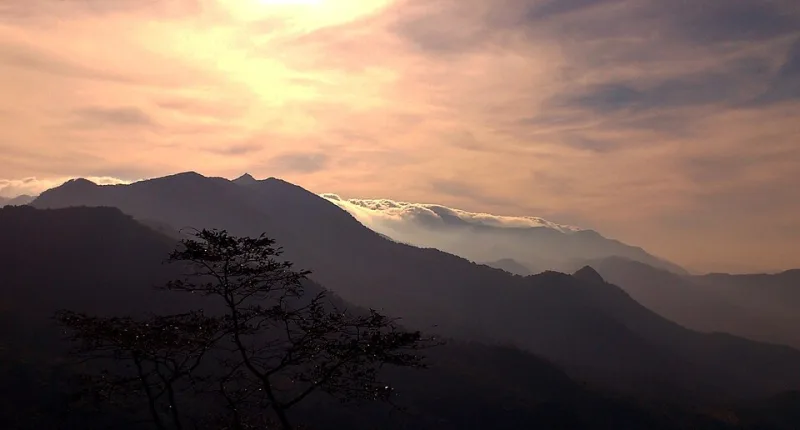
  • Forested hills of the Neyyar sanctuary

Photos (1)

Photo credits
  1. Photo: Shishirdasika · CC BY-SA 4.0 · Source

Reels and Shorts

Instagram Reels and YouTube Shorts by vloggers and visitors.

Space for a Reel or Short

Space for a Reel or Short

Space for a Reel or Short

Space for a Reel or Short

YouTube videos

Full videos, guides and walkthroughs.

Space for a YouTube video

Space for a YouTube video

Reviews and ratings

– 0 reviews
  • 5 ★0
  • 4 ★0
  • 3 ★0
  • 2 ★0
  • 1 ★0

No reviews yet. Be the first to share your experience. Reviews appear here once a moderator approves them.

Write a Review

Special events & celebrations

None listed yet.

+ Add an event held here

Good to know

Visitor tips

  • Confirm which boat rides and safaris are running before you go
  • Do not bathe in the reservoir, where crocodiles live
  • Obey barriers near the spillway
  • Carry sun protection and water

How to reach

About 30 km from Thiruvananthapuram by road, with buses to Neyyar Dam through Kattakada.

Address: Kallikkad, Thiruvananthapuram district

Open directions in Google Maps

Sources

Where the details on this page come from. Timings, fees and phone numbers change, so confirm them before you travel.

Nearest places to Neyyar Dam and Wildlife Sanctuary

Distances are in a straight line from Neyyar Dam and Wildlife Sanctuary; travel by road is longer.

Places near me