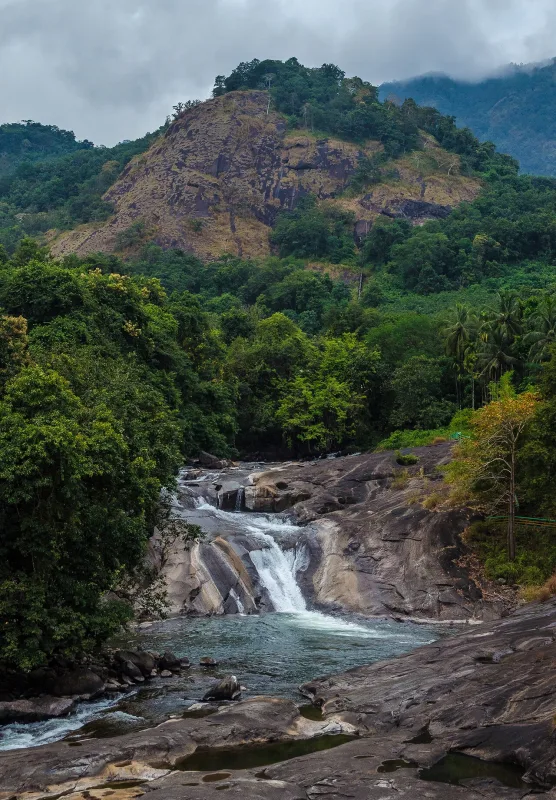
Waterfall
Adyanpara Waterfalls
Malappuram, Kerala
📍 About 7.9 km away from Nilambur Teak Museum
A seasonal cascade sliding over broad rock near Nilambur, set in green country with a weir close by.
Read more →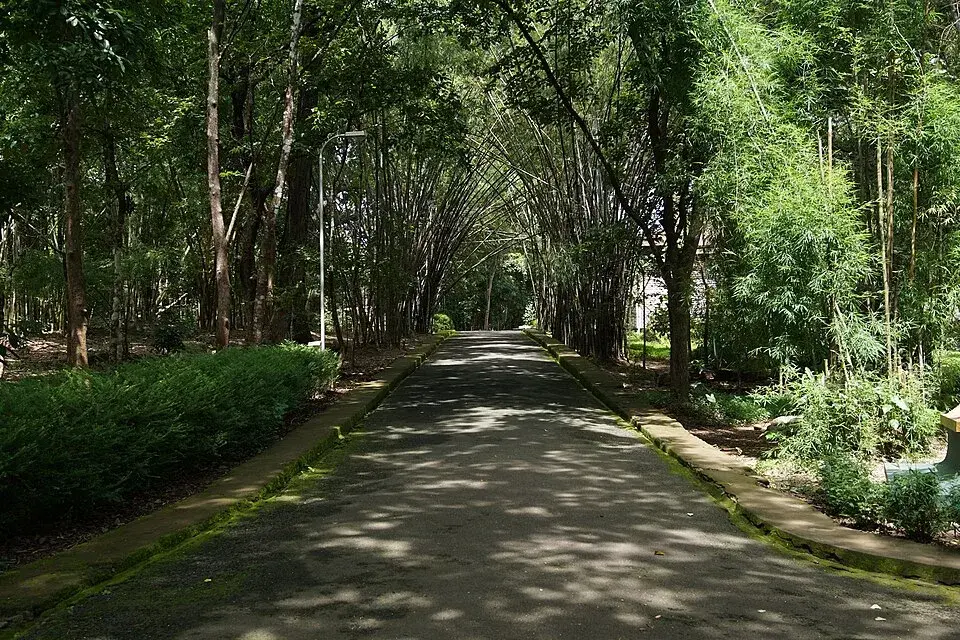 Photo: Vengolis · CC BY-SA 4.0
Museum
Kerala · MalappuramAlso known as Teak Museum Nilambur
Described as the world's first teak museum, telling the story of the tree and the famous plantations begun at Nilambur in 1844.
About Nilambur Teak Museum
Described as the world's first teak museum, telling the story of the tree and the famous plantations begun at Nilambur in 1844.
Teak has been valued for centuries: strong, durable, resistant to water and insects, and beautiful when polished. Nilambur, in the north east of Malappuram district, is where some of the earliest and most celebrated teak plantations were raised, and it is fitting that a museum devoted to the tree stands here. It is described as the first teak museum in the world.
Old records of the Madras Presidency speak of the Nilambur plantation, begun in 1844, as the most remarkable owned by the government. The work was driven by the demand for timber, particularly for shipbuilding, after natural forests had been heavily cut. H. V. Conolly, the Collector of Malabar, took the initiative, and the forester Chathu Menon is remembered for the practical skill that made large scale planting succeed. Their methods influenced forestry elsewhere.
The museum, associated with the Kerala Forest Research Institute, presents this history alongside the science of the tree. Visitors can see an enormous root system displayed to show what lies underground, sections of old trunks whose rings record many decades, tools and photographs, models, and exhibits on seed, growth, pests, wood properties and uses. Displays on other forest life add variety.
Outside, landscaped grounds include a medicinal plant area, a butterfly garden and paths among trees, which depending on season and maintenance can be alive with insects and birds. Children enjoy comparing leaves; a fresh teak leaf is very large and leaves a reddish stain when rubbed, though visitors should only handle fallen ones.
Entry is by a modest ticket, and the museum usually closes one day a week and on certain holidays. Confirm hours before travelling. Photography may be allowed with conditions. Please do not touch fragile exhibits, climb on timber displays or pluck plants. Use bins.
One to two hours is comfortable. Toilets and parking are available, and food can be had in Nilambur. Carry water and an umbrella, as rain is frequent for much of the year.
The natural companion is Conolly's Plot, the oldest surviving plantation area beside the Chaliyar river, reached from a point near town, where very tall old teak trees can be seen; access, including any bridge or boat crossing, depends on conditions, and floods have affected it. The Adyanpara waterfalls, the Nedumkayam forest area with its old forest bungalow and bridge, and the scenic railway from Shoranur to Nilambur, running through green countryside, are other pleasures.
October to March offers comfortable weather. During the monsoon the forests are rich and wet, and outings near the river need caution.
The museum changes the way one looks at a piece of furniture or an old doorway. Behind each plank lies a tree that took decades to grow, and a history of planting, felling and replanting. Nilambur's foresters learned to think far beyond their own lifetimes. Walking out among the leaves after seeing the exhibits, a visitor can appreciate that patience and consider how timber can be used without exhausting the forests that supply it. Check the day's opening before you go.
School groups can prepare a few questions in advance, such as why teak resists insects or how foresters decide when a tree is ready. Taking notes on the tree ring exhibit and counting the years is a memorable activity. Visitors interested in woodcraft may ask in Nilambur town about workshops, buying only from legitimate sellers who can show that timber is legally sourced. Rest in the shaded garden before leaving, and notice how many birds use a planted landscape when it is cared for. A short walk among living teak afterwards makes the displays come alive, particularly in the flowering season.
+ Add your photos Been here? Share what you saw.
Instagram Reels and YouTube Shorts by vloggers and visitors.
Space for a Reel or Short
Space for a Reel or Short
Space for a Reel or Short
Space for a Reel or Short
Full videos, guides and walkthroughs.
No reviews yet. Be the first to share your experience. Reviews appear here once a moderator approves them.
None listed yet.
Address: Campus of the forest research institute sub centre, about 4 to 6 km from Nilambur town
Where the details on this page come from. Timings, fees and phone numbers change, so confirm them before you travel.
Distances are in a straight line from Nilambur Teak Museum; travel by road is longer. The map position of Nilambur Teak Museum is approximate.
Malappuram, Kerala
📍 About 7.9 km away from Nilambur Teak Museum
A seasonal cascade sliding over broad rock near Nilambur, set in green country with a weir close by.
Read more →Malappuram, Kerala
📍 About 11 km away from Nilambur Teak Museum
A hill waterfall on the way from Nilambur to Kakkadampoyil, striking in the rains and officially described as...
Read more →Malappuram, Kerala
📍 About 15 km away from Nilambur Teak Museum
A little known hilltop above East Chathalloor where the looping Chaliyar river below recalls pictures of the A...
Read more →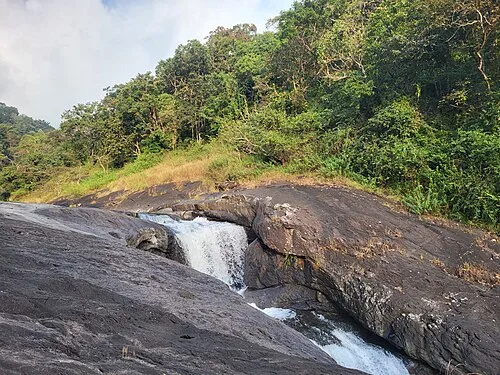
Malappuram, Kerala
📍 About 17 km away from Nilambur Teak Museum
A forest department waterfall of rocky tiers at Kakkadampoyil on the border of Malappuram and Kozhikode, a fav...
Read more →Malappuram, Kerala
📍 About 20 km away from Nilambur Teak Museum
A traditional Namboothiri household near Pandikkad with its temple, known as one of the few surviving four cou...
Read more →Kozhikode, Kerala
📍 About 22 km away from Nilambur Teak Museum
A waterfall mapped in the hills of Kozhikode district near the Anakkampoyil side, with little published inform...
Read more →Kozhikode, Kerala
📍 About 23 km away from Nilambur Teak Museum
A tall, slender fall about six kilometres up the Vellarimala trail from Muthappanpuzha, a resting place for tr...
Read more →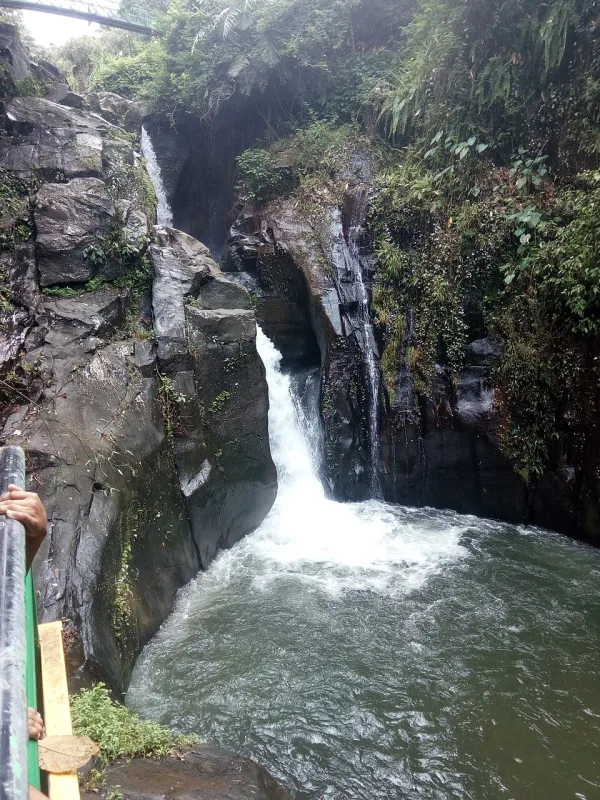
Malappuram, Kerala
📍 About 24 km away from Nilambur Teak Museum
A cold hill waterfall dropping into a natural pool below Kumpan mountain at Karuvarakundu, on Malappuram's adv...
Read more →