A traditional Namboothiri household near Pandikkad with its temple, known as one of the few surviving four courtyard homes of Kerala.
At a glance
What: A living ancestral house of a Namboothiri family, with a temple that devotees visit and a heritage homestay.
Where: Near Pandikkad in Ernad, Malappuram district, Kerala.
When: Visit by arrangement; the age of the present buildings is not stated in the sources used here.
How: Travel by road from Manjeri or Pandikkad.
By whom: Owned and cared for by the Maranat family.
For whom: Devotees, lovers of traditional architecture and guests who respect a family's customs.
About Maranat Mana
In the Malayalam of this region a mana is the house of a Namboothiri family. Maranat Mana, near Pandikkad, is one that still lives as a household. It is described as one of the few remaining examples of a pathinaru kettu, a house arranged around four inner courtyards, and the family speaks of itself as a close joint family whose shared deity is Lord Ganesha.
Two things bring visitors. Devotees come to pray and make offerings at the temple associated with the house, and some travel long distances for the purpose. Others come for the architecture and for a stay in the pathayapura, the three storeyed building that served as granary and guest quarters and now receives paying guests.
Understanding a pathinaru kettu
The basic traditional house of Kerala is the nalukettu, four blocks facing one open courtyard called the nadumuttam. The courtyard brings light and air into the middle of the home, collects rain and often holds a sacred plant. A prosperous and growing family might add further courtyards, producing an ettukettu with two and, rarely, a pathinaru kettu with four, the name referring to sixteen blocks.
Such houses were designed for a warm, very wet climate. Deep sloping roofs shed monsoon rain and shade the walls, timber frames and latticed openings keep air moving, and raised floors guard against damp. Separate spaces served cooking, dining, study, worship, childbirth, guests and the storage of grain. Ponds and wells supplied bathing and drinking water, and groves around the compound protected the soil and sheltered snake shrines. Joint families once numbering many dozens could live under these linked roofs. Changes in land ownership, family law and ways of earning during the twentieth century led most such families to divide, and many large houses were dismantled for their timber. That is why a surviving example attracts attention.
A page of political history
The house also touches the story of India's freedom movement. Historians from the University of Calicut reported finding rare letters and documents of the British period at Maranat Mana relating to the fifth Malabar District Political Conference, held at Manjeri on 28 April 1920. That conference is remembered for lively debate on political reforms and on the questions that soon fed the Khilafat and Non Cooperation movements in Malabar. Family collections of this kind can preserve details that official archives miss. They are private papers; do not expect them to be on display.
The temple
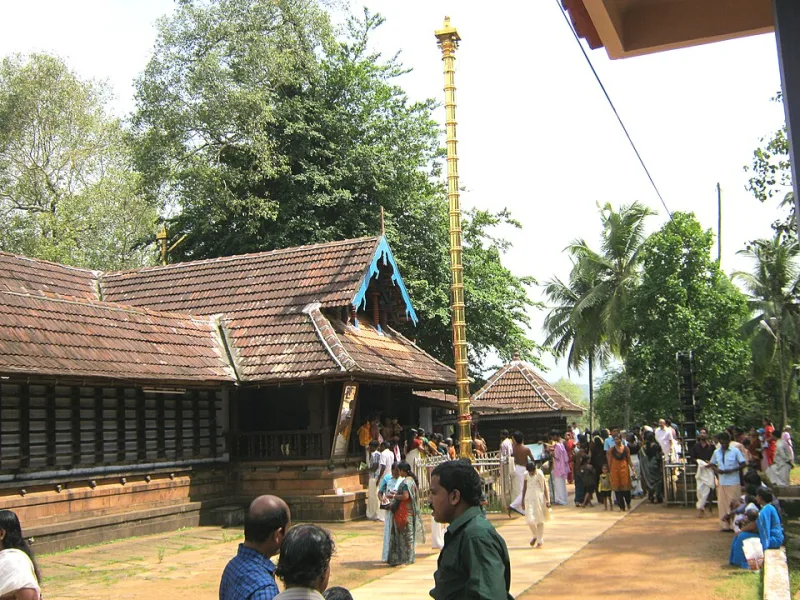
The family temple is the focus for worshippers. Reports from visitors speak of daily pooja and of devotees arriving through the day. It is reported that only Hindus are admitted inside. A separate map entry names a Marat Mana temple on the same road, and online sources sometimes mix the names of the house and the temple. Ask locally to be directed to the right entrance.
What is not documented
No reliable published account of the founding date of the house, the origin legend of the temple or a full list of deities and rituals was found while preparing this page. No particular myth or miracle is therefore repeated here. If you know the family's own account, you can add it through Suggest an Edit, naming your source, so that it can be checked before publication.
Rumours and cautions
Large old houses in Kerala often collect stories of hidden treasure, secret rooms, serpent guardians or spirits. Films shot in other manas strengthen the impression. Nothing of this kind has been established for Maranat Mana, and visitors should not repeat such tales as facts about a real family's home. Also take care not to confuse it with other houses of similar name or fame, such as the Pambummekkattu Mana of Thrissur district, known for serpent worship, or Varikkasseri Mana in Palakkad, famous for cinema.
Learning and household custom
Namboothiri families were known for preserving the recitation of the Vedas, for knowledge of temple ritual, astrology, medicine and Sanskrit, and in many cases for managing large agricultural lands. The household followed a calendar of observances: lamps lit at dusk, offerings to ancestors on set days, special foods for festivals and the month of Karkidakam devoted to health care and reading. Meals were traditionally served on plantain leaves, and guests were received according to rules of hospitality. Many of these practices have changed, but a house that continues as a family home may still keep some of them, which is part of the interest for a respectful guest.
Planning your trip
Roads in this part of Malappuram pass through rubber and areca plantations, paddy fields and small towns. The nearest larger centres are Pandikkad and Manjeri, and Kozhikode airport is the usual point of arrival for travellers from farther away. Mobile map listings place both the house and the temple on the Marattapadi to Chembrasseri road. Allow time to ask directions. During the monsoon, from June to September, the countryside is at its greenest and the architecture shows how it copes with rain, but travel is slower. Combine the visit with another place in the district only after confirming the time at which the family expects you.
Visiting as a guest
Write or telephone before you go. Say how many are coming and why. Dress modestly, remove footwear where the family does, ask before entering any room and do not photograph people, shrines or interiors without permission. Keep voices low. Homestay guests are expected to follow household customs; the host has explained that daily life continues as usual. During the Onam season guests have been invited to take part in activities such as the paddy harvest rituals or cooking, subject to the family's arrangements.
Facilities for day visitors may be simple, and one traveller has remarked that toilet arrangements could be better, so plan accordingly. Carry drinking water and cash for offerings.
Nearby places
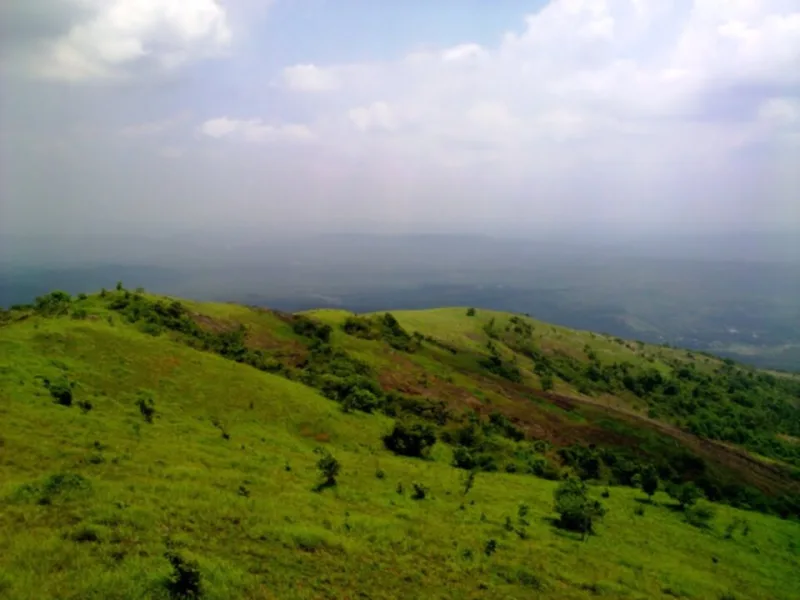
The area offers a heritage trail through Malappuram district. The Thirumandhamkunnu temple at Angadipuram, the teak museum and old plantations at Nilambur, the Kottakkunnu park in Malappuram town and the Kodikuthimala viewpoint are within driving distance. The best season is from October to March, when roads and weather are most comfortable.