Hill Station
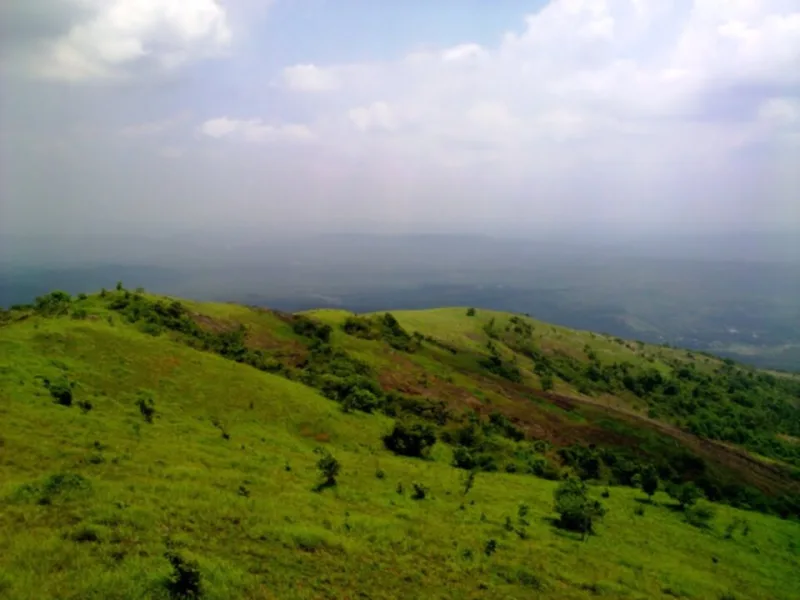
Kodikuthimala
Malappuram, Kerala
📍 9.7 km away from Thirumandhamkunnu Temple
A breezy grassy peak with a watch tower near Perinthalmanna, often called the Ooty of Malappuram.
Read more →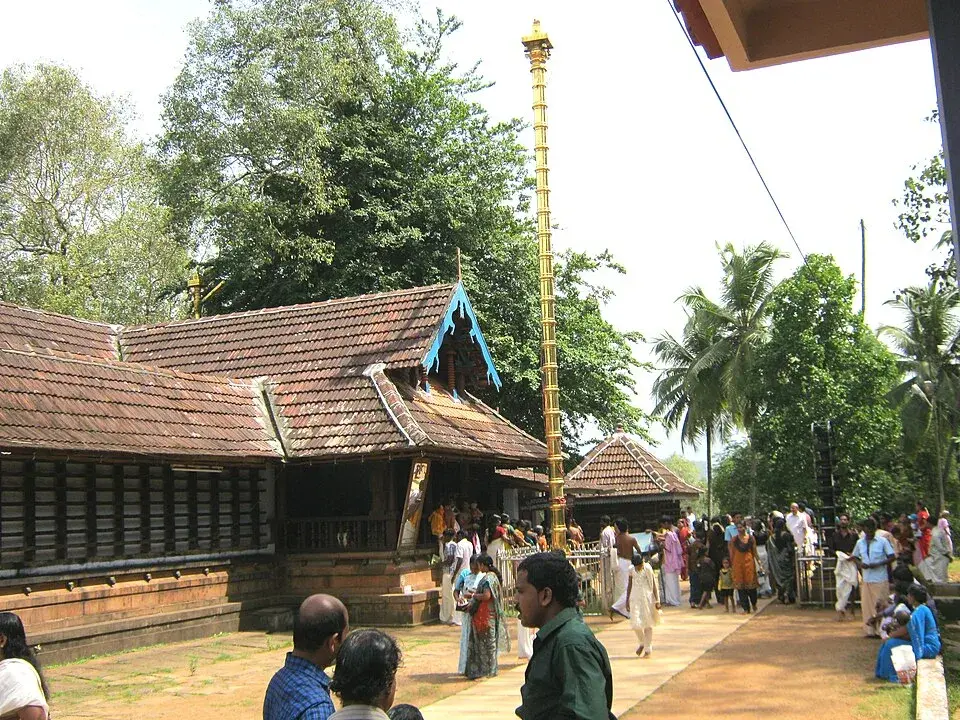 Photo: Rojypala · CC BY-SA 3.0
Temple Hindu
Kerala · MalappuramAlso known as Thirumandhamkunnu Bhagavathy Temple, Angadipuram Temple
The hill temple of the goddess revered by the old Valluvanad rulers at Angadipuram, famous for its long spring pooram festival.
About Thirumandhamkunnu Temple
The hill temple of the goddess revered by the old Valluvanad rulers at Angadipuram, famous for its long spring pooram festival.
What: A hill temple of the goddess with important shrines to Shiva and Ganesha, once the royal temple of Valluvanad.
Where: Angadipuram, beside Perinthalmanna, Malappuram district, Kerala.
When: Daily darshan; the eleven day pooram falls in the month of Meenam, usually March or April.
How: Reach Angadipuram by rail or road and climb to the temple.
By whom: Patronised by the Valluvanad rulers; managed with the participation of the successors of that house and temple authorities.
For whom: Devotees, couples praying for marriage and visitors interested in local history.
Rising gently above the town of Angadipuram is a temple that was once the spiritual centre of a kingdom. Thirumandhamkunnu is the abode of the goddess affectionately called Thirumandhamkunnil Amma, the tutelary deity of the rulers of Valluvanad, a local dynasty that governed this part of the country in the medieval period.
The rulers of Valluvanad were prominent figures in the history of the Mamankam, the great assembly held on the banks of the Bharathapuzha at Thirunavaya, where their warriors went to challenge the Zamorin of Calicut for the right to preside. Ballads recall the courage of these fighters, who set out after seeking the blessing of the goddess. The temple thus carries memories of loyalty and sacrifice.
The complex includes the principal shrine to Bhagavathy facing in one direction, a shrine to Shiva that tradition regards as ancient, and a well known shrine to Ganesha, where a particular offering is made by those hoping for marriage. The hill setting gives pleasant views over the surrounding country, especially in the morning and evening.
The annual pooram, usually in March or April in the month of Meenam, extends over eleven days. The deity is taken in procession for ceremonial bathing many times, with elephants and percussion, and the town fills with stalls and visitors. Cultural programmes continue into the night. The Aattangayeru and other rituals through the year also draw devotees.
Visitors should observe temple custom. Men remove shirts before entering the inner area, women wear modest dress, footwear is left outside and cameras are not used within. Offerings and special rituals, some booked long in advance, are handled at the temple office.
The climb involves steps; elderly pilgrims should take it slowly or ask about vehicle access. In festival crowds, keep children close, stay away from elephants' paths and follow instructions. Carry water in warm weather.
One to two hours is adequate on ordinary days. Angadipuram has eating places and shops, and Perinthalmanna offers hotels.
The railway line through Angadipuram, running between Shoranur and Nilambur, is itself a scenic ride. Nearby places include the Kodikuthimala viewpoint, the Thirunavaya Navamukunda temple, the Kadampuzha temple and the teak museum at Nilambur. The Angadipuram Tali temple, associated with a mid twentieth century movement for restoration, is another point of local history.
October to April is generally comfortable, though March and April become hot during the festival.
Thirumandhamkunnu connects present devotion with an old story of a small kingdom and its warriors. Standing on the hill at dusk, with lamps being lit and the plain darkening below, a visitor can picture the processions that have moved along these slopes for centuries. Join them if the season allows, or enjoy the quiet of an ordinary day. Either way, respect the customs and give worshippers room. Check festival dates before planning.
Families who wish to offer the special puja connected with marriage should consult the office well in advance, as the waiting list can be long, and note the date given. Those fond of local history can ask about ballads of the Valluvanad warriors and the platform at Thirunavaya associated with the great assembly. In the evenings of the festival, percussion ensembles draw knowledgeable listeners who stand for hours; join them quietly at the edge. After darshan, rest on the steps if permitted, enjoy the breeze and then make your way down before the crowds gather at the exits.
If you travel by train, check the limited timings on the branch line before setting out, and allow for the short transfer from the station. A hired autorickshaw can link the temple with other sights in Perinthalmanna and bring you back in time.
Valluvanad was one of the small states into which medieval Kerala was divided. Its ruler, the Valluvakonathiri, claimed an old right connected with the Mamankam, the great assembly held about once in twelve years on the bank of the Bharathapuzha at Thirunavaya. When the Zamorin of Calicut took over the position of presiding there, Valluvanad did not accept it. At each assembly, chosen warriors, remembered as chaver or those pledged to die, set out to challenge the Zamorin though the odds against them were overwhelming. They sought the blessing of the goddess of Thirumandhamkunnu before they left. Ballads praise their courage, and places in the district are still pointed out in connection with them. The last Mamankam is generally placed in the eighteenth century, before the Mysore invasion ended the old order.
Temple tradition holds that the sacred presence here is very ancient, with an account in which the sage or king who worshipped at the spot received a linga of Shiva, and the goddess asserted her wish to share it. The temple thus honours Shiva and the Mother together, and the Bhagavathy is regarded as the chief power of the hill. Details vary between tellings, and priests or local elders can share the version they know.
The Ganesha shrine is the subject of a particular belief about marriage. A special offering, popularly called mangalya puja, is made by or for those who wish to marry, and demand for it has led to advance booking. Another cherished custom is connected with the rice offering and with the ritual bathing of the deity during the pooram.
People speak of marriages that followed soon after the offering. Such experiences strengthen faith but are not guarantees, and families should treat with caution anyone who sells quicker results, private bookings or matchmaking in the temple's name. Reservations for popular rituals are made through the temple office or its announced system, and waiting periods can be long. Ask for written confirmation.
Dates of the pooram are fixed by the temple calendar. Messages circulating about changed days or cancelled processions should be checked against official notices. During the festival the roads of Angadipuram are crowded and traffic is controlled; trains and buses may fill quickly.
At the processions, keep well away from elephants, never use flash near them and follow police and volunteers. Climb the steps slowly, especially in the heat of March and April, drink water where it is permitted and arrange a meeting point for your family. On ordinary days the hill is calm, and the view in the early morning rewards those who linger after darshan. Dress modestly, remove footwear, keep phones silent and observe the restrictions on photography inside the compound.
+ Add your photos Been here? Share what you saw.
Instagram Reels and YouTube Shorts by vloggers and visitors.
Space for a Reel or Short
Space for a Reel or Short
Space for a Reel or Short
Space for a Reel or Short
Full videos, guides and walkthroughs.
No reviews yet. Be the first to share your experience. Reviews appear here once a moderator approves them.
None listed yet.
Address: Angadipuram, near Perinthalmanna
Where the details on this page come from. Timings, fees and phone numbers change, so confirm them before you travel.
Distances are in a straight line from Thirumandhamkunnu Temple; travel by road is longer.
Malappuram, Kerala
📍 9.7 km away from Thirumandhamkunnu Temple
A breezy grassy peak with a watch tower near Perinthalmanna, often called the Ooty of Malappuram.
Read more →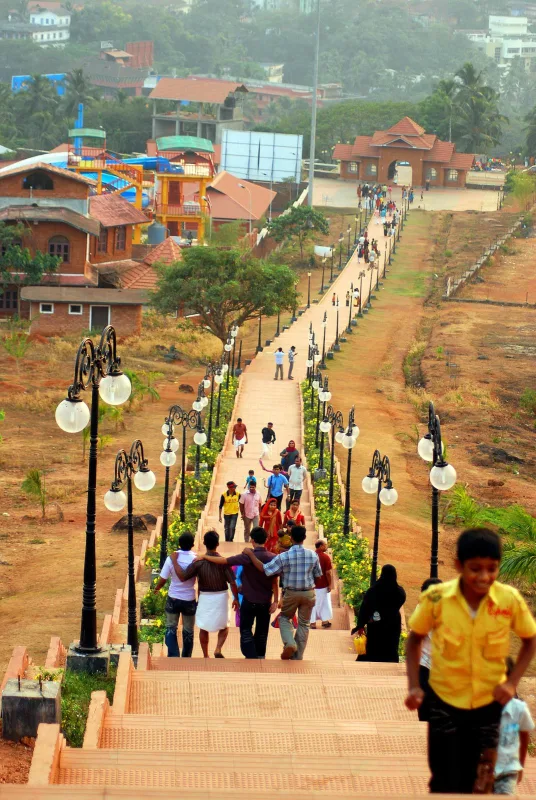
Malappuram, Kerala
📍 15 km away from Thirumandhamkunnu Temple
The fort hill park of Malappuram, an open hilltop for evening walks, family recreation and views over the town...
Read more →Malappuram, Kerala
📍 17 km away from Thirumandhamkunnu Temple
A traditional Namboothiri household near Pandikkad with its temple, known as one of the few surviving four cou...
Read more →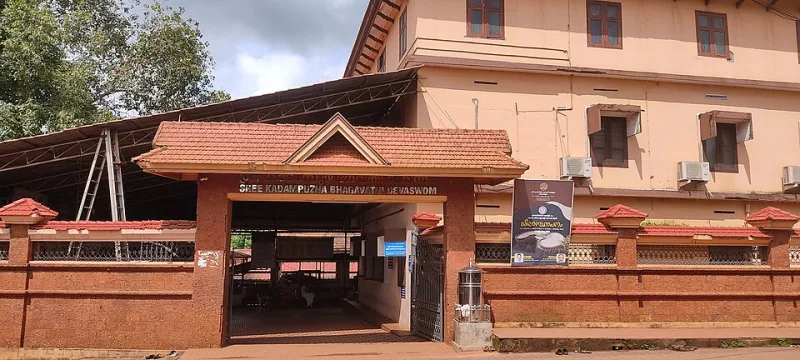
Malappuram, Kerala
📍 18 km away from Thirumandhamkunnu Temple
A distinctive goddess temple with no idol, where Parvati as a huntress is worshipped in a hollow and devotees...
Read more →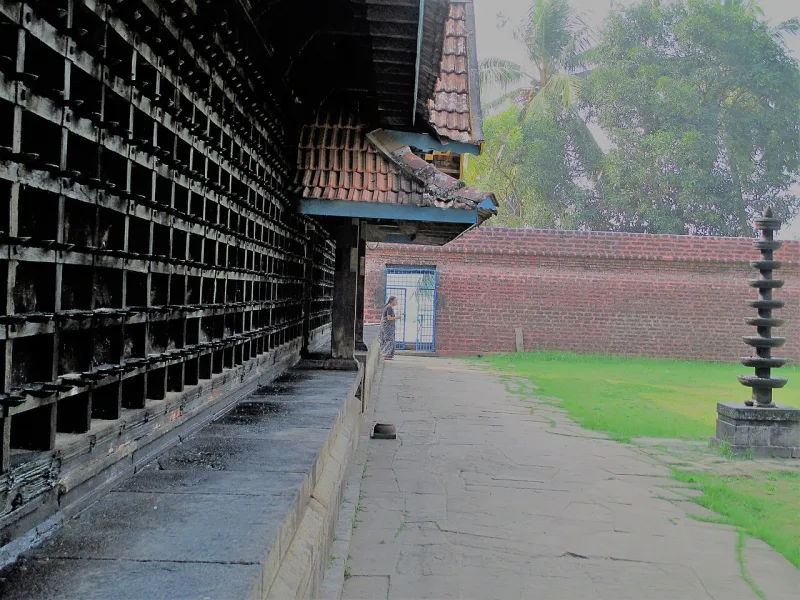
Malappuram, Kerala
📍 23 km away from Thirumandhamkunnu Temple
A riverside Vishnu temple on the Bharathapuzha, revered for ancestral rites and linked with the historic Maman...
Read more →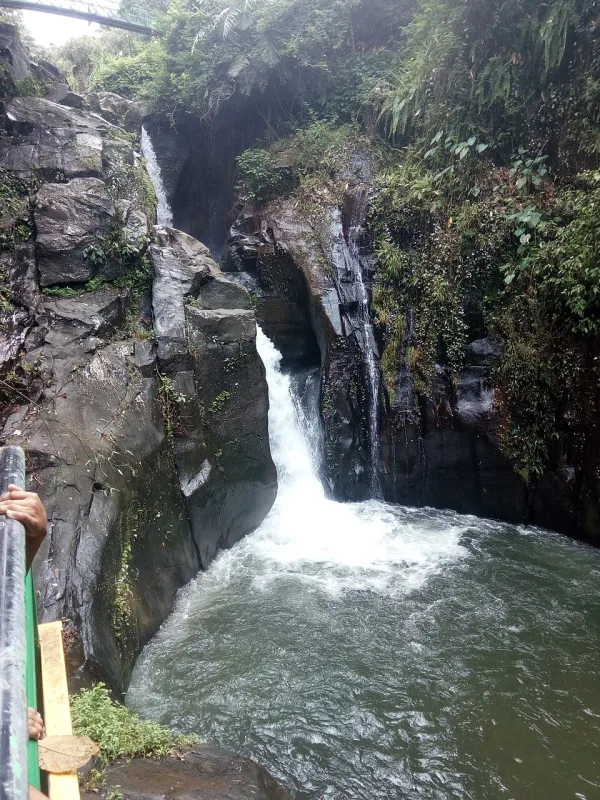
Malappuram, Kerala
📍 26 km away from Thirumandhamkunnu Temple
A cold hill waterfall dropping into a natural pool below Kumpan mountain at Karuvarakundu, on Malappuram's adv...
Read more →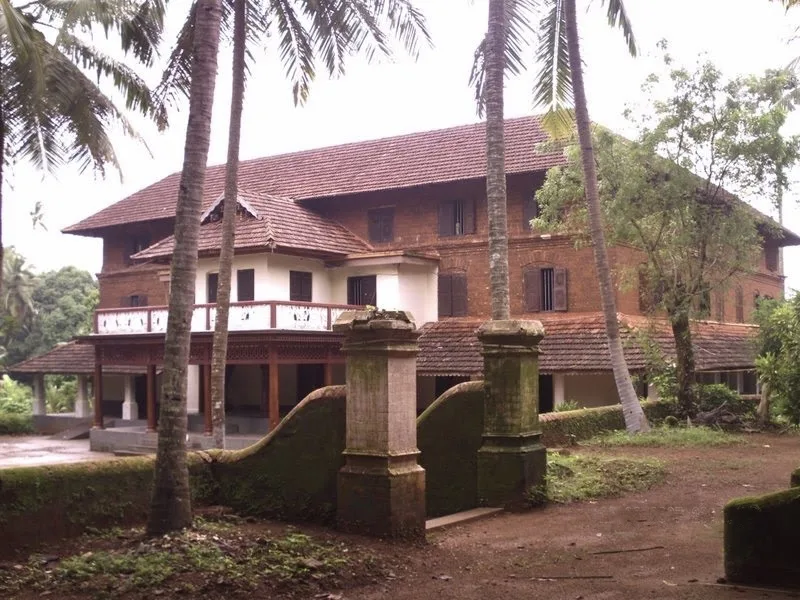
Palakkad, Kerala
📍 27 km away from Thirumandhamkunnu Temple
A stately Namboothiri mansion at Manissery with a great gatehouse, courtyard house, pond and temples, made fam...
Read more →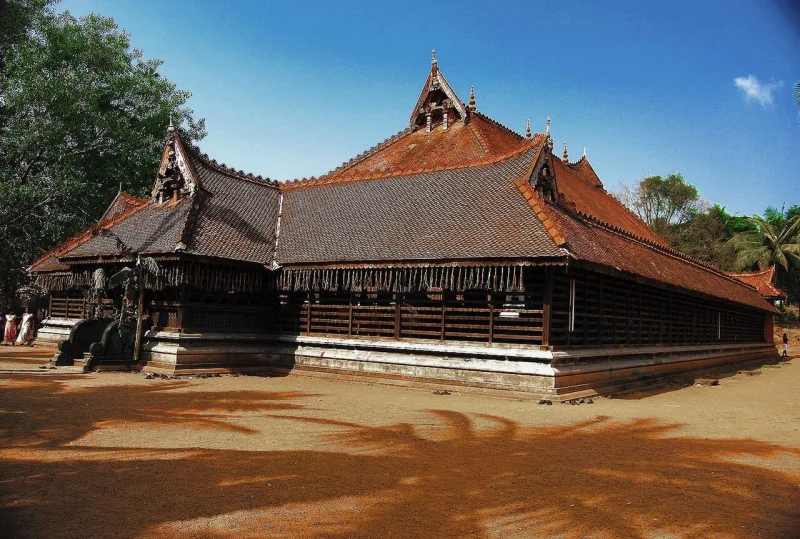
Thrissur, Kerala
📍 28 km away from Thirumandhamkunnu Temple
The celebrated arts university on the Bharathapuzha where Kathakali, Koodiyattam and Mohiniyattam are taught,...
Read more →