Photo: Ssriram mt · CC BY-SA 4.0

Temple Hindu

Thirunavaya Navamukunda Temple

Kerala · MalappuramAlso known as Tirunavaya, Nava Mukunda Temple

No ratings yet · be the first to review

A riverside Vishnu temple on the Bharathapuzha, revered for ancestral rites and linked with the historic Mamankam assembly.

Best time to visit
October to February; Karkidaka Vavu draws great crowds in July or August
Time needed
1 to 2 hours

About Thirunavaya Navamukunda Temple

Why you should visit

A riverside Vishnu temple on the Bharathapuzha, revered for ancestral rites and linked with the historic Mamankam assembly.

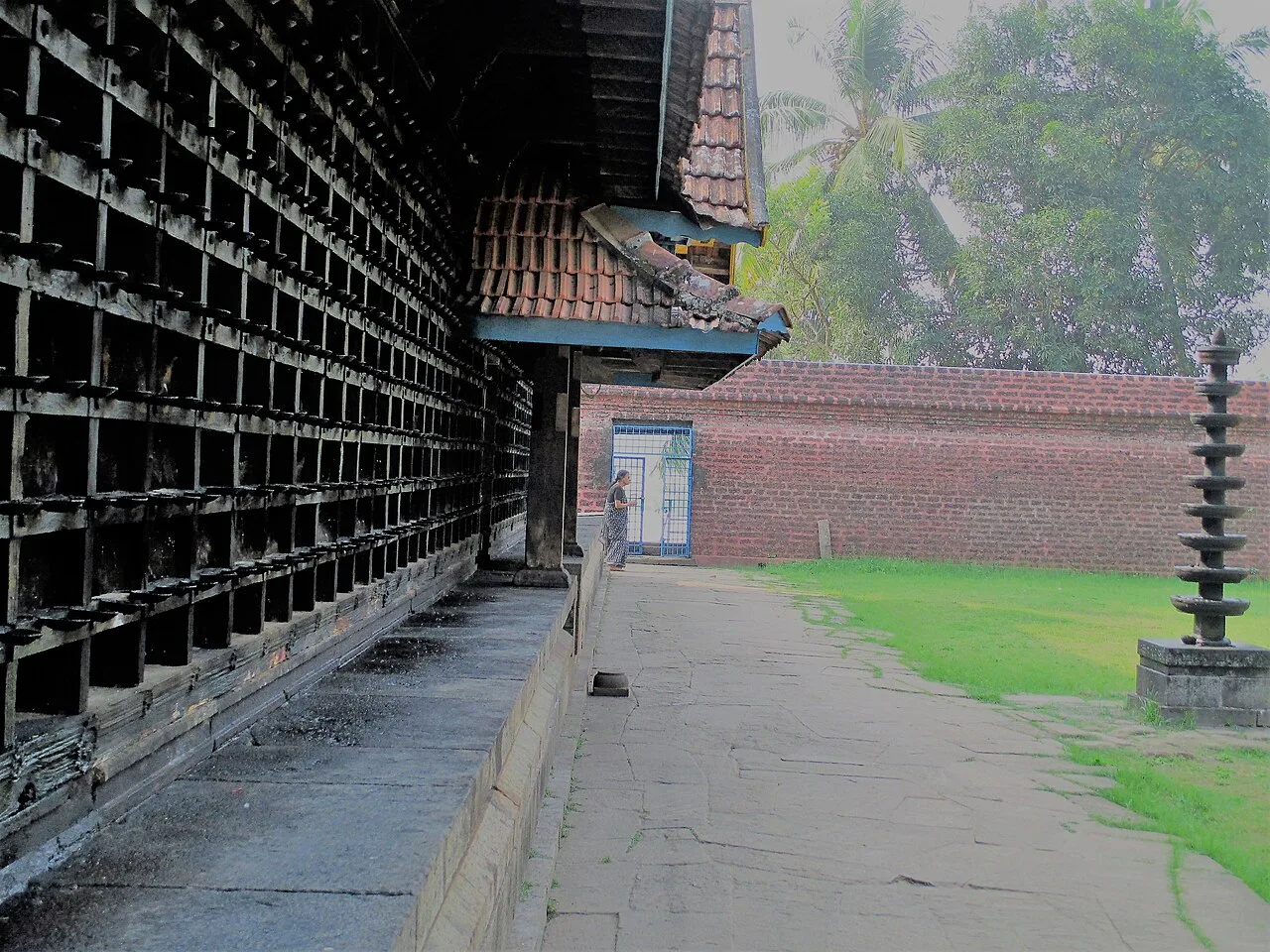
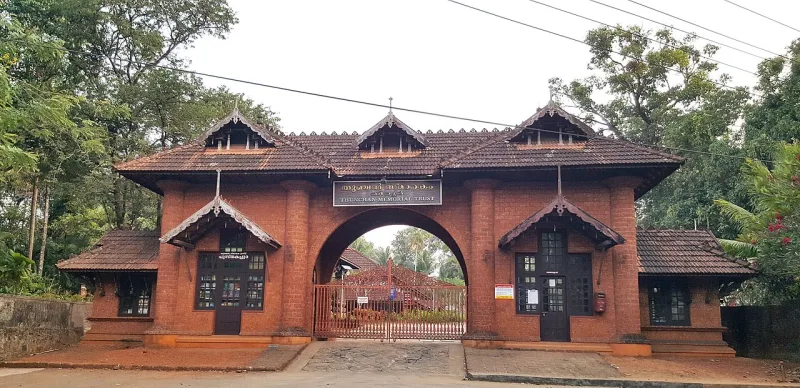
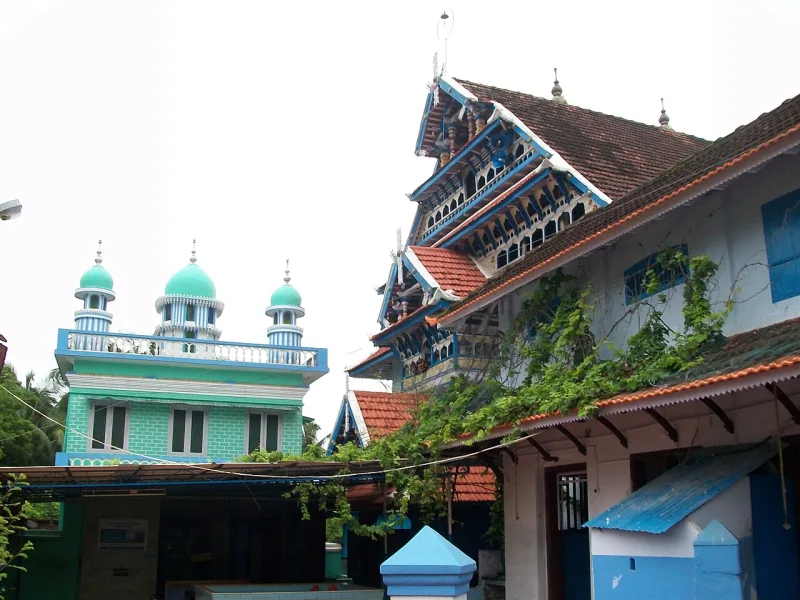
At Thirunavaya the Bharathapuzha, also called the Nila, spreads wide across its sandy bed, and temples face one another over the water. This is one of the most important Hindu pilgrimage places in Kerala, held sacred from ancient times. The chief shrine is the temple of Navamukunda, a form of Vishnu, standing on the northern bank in Tirur country of Malappuram district. The sanctity of the spot comes partly from its geography. Across the river from Vishnu's temple are shrines associated with Brahma and Shiva, so that the three great deities of the Hindu trinity are remembered together, and the water flowing between them is considered especially pure. For that reason Thirunavaya is among the foremost places in Kerala for bali tarpanam, the offering made for the peace of departed ancestors. On the new moon of the month of Karkidakam, in July or August, immense numbers gather before dawn. Reports spoke of more than fifty thousand devotees performing the rite at the temple in 2015. Priests guide families, who offer rice, flowers and sesame and then immerse themselves in the river. History adds another dimension. Thirunavaya was the scene of the Mamankam, a great assembly and festival held at intervals of twelve years in medieval times. It combined worship, trade, art and politics. The right to preside over it was a mark of supreme prestige on the Malabar coast, and the Zamorin of Calicut held it after displacing the ruler of Valluvanad. Warriors from the rival side, sworn to die, would attempt to attack the Zamorin during the festival, and their courage is still celebrated in song and story. Memorial sites around the area, such as old platforms and wells associated with those events, can be seen with a local guide. The temple itself follows Kerala architectural traditions, with a walled enclosure, lamps and a calm riverside setting. Lotus flowers are linked with worship here, and fields nearby are known for growing them, a lovely sight in season. Morning and evening are the best times to visit. Men usually remove shirts to enter the inner area, women wear modest traditional clothing, footwear stays outside and photography is restricted within. Entry follows Hindu temple customs. On ordinary days the riverbank is peaceful. In summer the Bharathapuzha shrinks to narrow channels; in the monsoon it runs strong and brown. Do not enter fast water, watch for deep pockets in the sand and follow the instructions of police and volunteers on festival days. Anyone observing rites should remain at a respectful distance and avoid photographing mourners. Thirunavaya has its own small railway station, and Tirur and Kuttippuram stations offer more trains. Buses and autos connect the temple with these towns. Calicut International Airport is within about an hour and a half by road. The temple sits close to other places that illuminate the cultural life of the Nila. Thunchan Parambu at Tirur honours the father of the Malayalam literary language, and the old mosque and port town of Ponnani lie downstream. Upriver, the arts of Kerala Kalamandalam flourish at Cheruthuruthy. A day along the river therefore passes through worship, literature, history and performance. October to February gives the most comfortable weather. Come early, when mist hangs over the sandbanks and temple bells sound across the water. Thirunavaya invites quiet reflection on memory: of ancestors honoured each year, of warriors who gave their lives for a cause and of a river that has carried the prayers of countless generations towards the sea. Local guides can usually point out which memorial sites are open to walk to, and explain the stories attached to each. Carry water, a change of clothes if you intend to bathe, and small notes for offerings made at the official counter.
  • Navamukunda Vishnu temple
  • Ancestral offerings on the riverbank
  • Shiva and Brahma shrines across the water
  • Memory of the Mamankam

Photos (1)

Photo credits
  1. Photo: Ssriram mt · CC BY-SA 4.0 · Source

Reels and Shorts

Instagram Reels and YouTube Shorts by vloggers and visitors.

Space for a Reel or Short

Space for a Reel or Short

Space for a Reel or Short

Space for a Reel or Short

YouTube videos

Full videos, guides and walkthroughs.

Space for a YouTube video

Space for a YouTube video

Reviews and ratings

– 0 reviews
  • 5 ★0
  • 4 ★0
  • 3 ★0
  • 2 ★0
  • 1 ★0

No reviews yet. Be the first to share your experience. Reviews appear here once a moderator approves them.

Write a Review

Special events & celebrations

None listed yet.

+ Add an event held here

Good to know

Visitor tips

  • Dress modestly in traditional style
  • Respect families performing rites
  • Take care near the river, especially in the monsoon
  • Arrive very early on new moon days

How to reach

Near Tirur, with Tirunavaya railway station and buses from Tirur and Kuttippuram.

Address: Thirunavaya, on the Bharathapuzha, Malappuram district

Open directions in Google Maps

Sources

Where the details on this page come from. Timings, fees and phone numbers change, so confirm them before you travel.

Nearest places to Thirunavaya Navamukunda Temple

Distances are in a straight line from Thirunavaya Navamukunda Temple; travel by road is longer.

Places near me