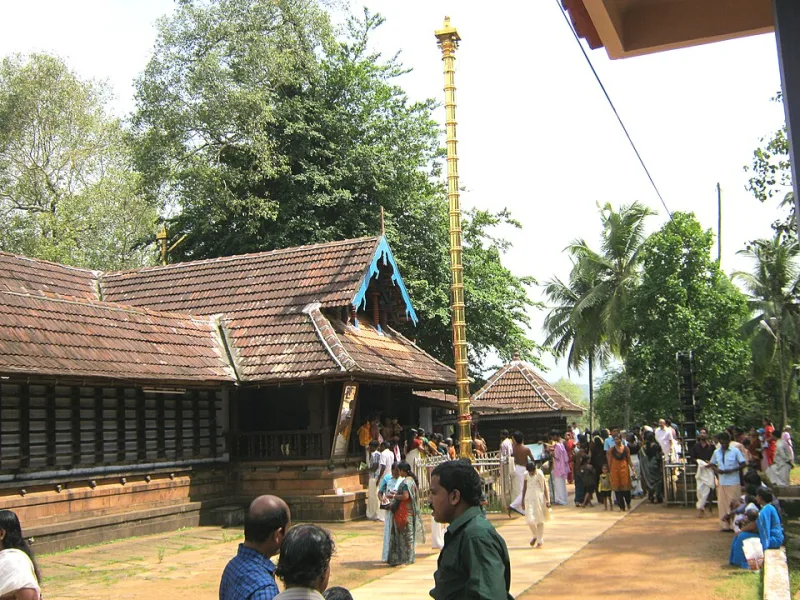
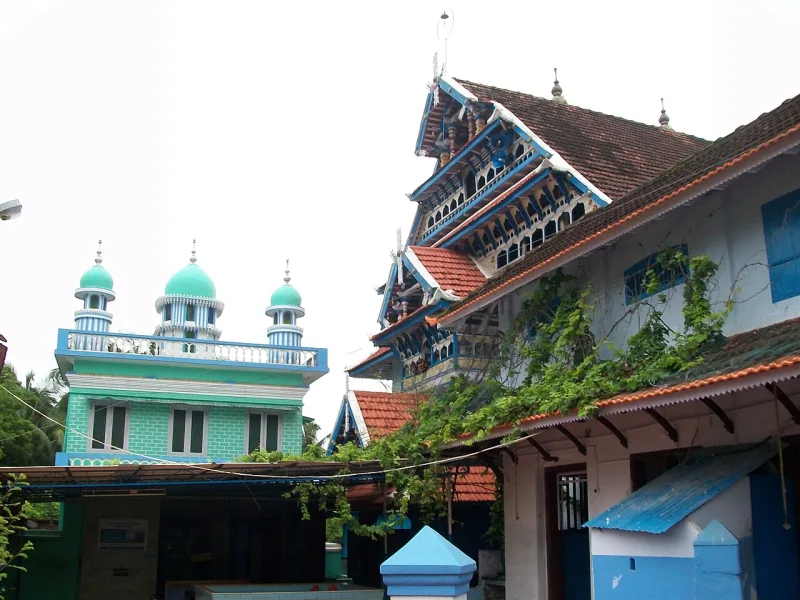
A distinctive goddess temple with no idol, where Parvati as a huntress is worshipped in a hollow and devotees offer coconuts.
At a glance
What: A temple where the goddess Parvati as a huntress is worshipped in a hollow, without a sculpted idol.
Where: Kadampuzha, near Valanchery in Malappuram district, Kerala.
When: Open in daily sessions; Tuesdays, Fridays, weekends and the month of Vrischikam are busiest.
How: Travel by road from Tirur, Kuttippuram or Valanchery, buy offering tickets and join the queue.
By whom: Tradition links the consecration with Adi Shankara; administered under the state's temple arrangements.
For whom: Devotees seeking the removal of obstacles, and respectful visitors permitted by temple custom.
About the temple
In the interior of Malappuram district stands a temple that surprises first time visitors. At Kadampuzha there is no sculpted image in the sanctum. The goddess, Parvati in the guise of a huntress, is worshipped in a hollow or pit, which devotees regard as the seat of her presence.
The legend behind this comes from the Mahabharata cycle. Arjuna was performing austerities to obtain a powerful weapon from Shiva. To test him, Shiva appeared as a forest hunter, accompanied by Parvati as a huntress, and a contest followed over a slain boar. Arjuna eventually recognised the divine couple and received their blessing. The temple is linked with this episode, and tradition also connects the sage Adi Shankara with the consecration of the goddess here, calming her presence for the welfare of devotees.
The best known offering is the muttarukkal, in which coconuts are broken on behalf of the devotee to remove obstacles that stand in the way of marriage, health, work or other hopes. Large numbers are offered daily, and tickets are taken in advance at counters, sometimes with the option of booking. The rhythm of breaking coconuts is a characteristic sound of the place. Another custom, the offering of food to devotees, expresses hospitality.
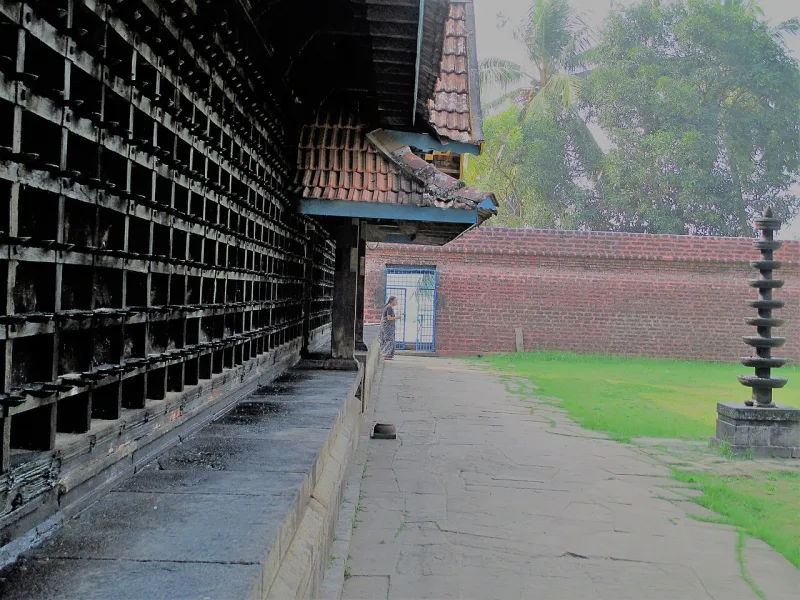
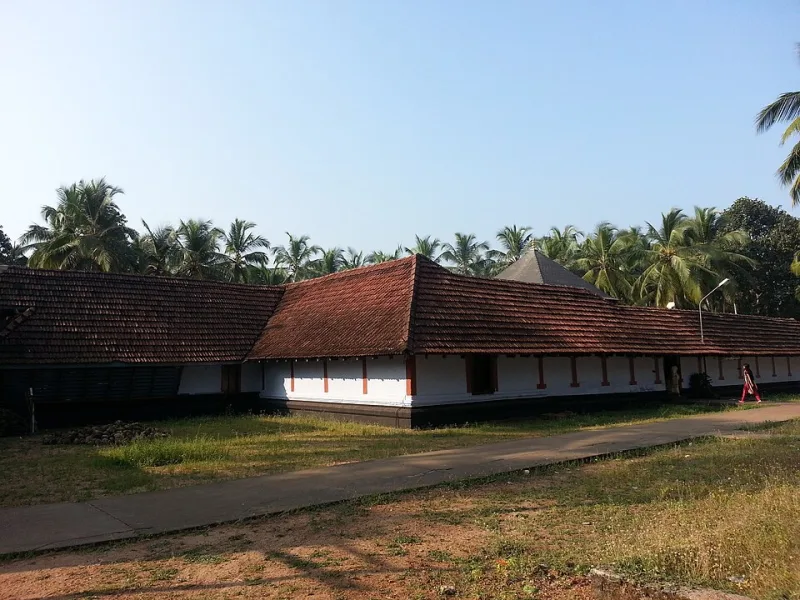
The temple is managed under the state's temple administration arrangements, and facilities for pilgrims have been developed with halls, queues and parking. The architecture is traditional and modest, set within a village that has grown around the pilgrimage.
Darshan is offered during morning and afternoon or evening hours that should be checked, as particular days may differ. Tuesdays, Fridays, Sundays and the month of Vrischikam, along with the Karthika festival, draw heavy crowds. Early arrival reduces waiting.
Observe customs: men remove shirts inside, women dress modestly, footwear stays outside and photography within is not allowed. Keep ticket stubs safe, follow queue barriers and give elderly devotees assistance. Offer money only through official channels and be wary of anyone seeking private payments.
One to two hours is usually sufficient. Vegetarian meals and shops are available. Summer afternoons are hot, so carry water.
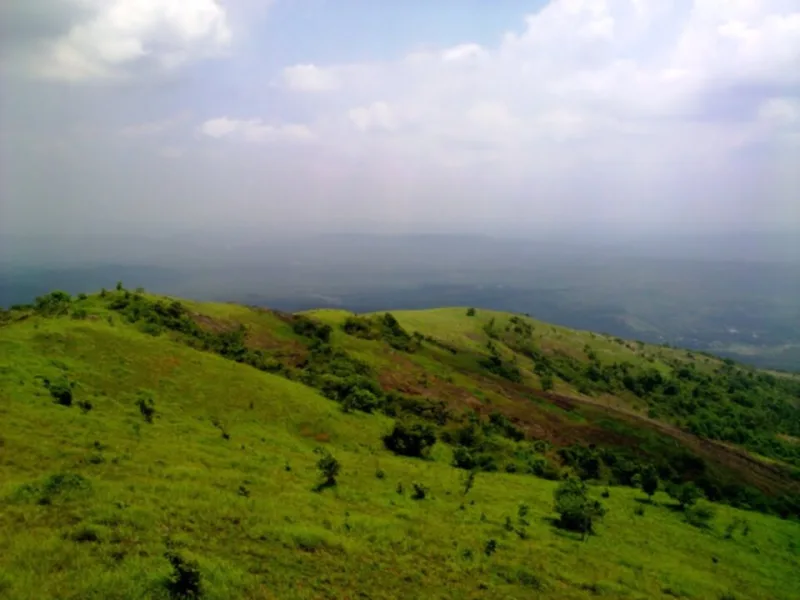
The district offers further places of interest. Thirunavaya on the Bharathapuzha, with its ancient Vishnu temple and history of the Mamankam assembly, is within reach, as are the Alathiyur Hanuman temple near Tirur and Thunchan Parambu, which honours the poet Ezhuthachan. The Kuttippuram riverside and the hill viewpoint of Kodikuthimala to the east add variety.
October to March offers the most comfortable travel weather. Monsoon visits are green and fresh, with wet floors needing care.
Kadampuzha shows that devotion does not always require an image. Standing in the quiet line, hearing coconuts crack and seeing the faith with which families approach the hollow, a visitor encounters an old and distinctive form of worship. Come with respect, follow the guidance of temple staff and allow time for your turn without impatience. Confirm offering timings before you travel.
Pilgrims travelling long distances should note that waiting times differ greatly from day to day, so plan the rest of the journey flexibly. Keep a light snack and water for children and elderly companions, and settle footwear and luggage before joining the queue. If you wish to book a particular number of offerings, ask at the counter about timing and collection of prasadam. Visitors who are simply curious are welcome to observe from permitted areas with courtesy. Leaving the temple surroundings tidy, avoiding plastic bags and parking considerately in the village lanes are small but valued gestures.
Check the latest notices at the entrance, since booking arrangements and hours can change on festival days or during renovation work.
The story of the hunter and the huntress
The legend that gives the temple its meaning belongs to the Mahabharata cycle. During the years of exile, Arjuna went to perform penance in order to obtain the Pashupata weapon from Shiva. A demon in the shape of a wild boar rushed at him, and arrows struck it at the same moment from two bows, his own and that of a forest hunter. Each claimed the kill. The quarrel became a fight in which Arjuna's skill and pride were tested to the limit. At last he recognised that the hunter was Shiva and that the woman beside him was Parvati. Humbled, he worshipped them, and Shiva granted him the weapon. The story was made famous in classical literature as the Kiratarjuniya.
At Kadampuzha the goddess is remembered in this forest form, close to her devotees and ready to help. Local telling connects the sanctum with her presence after that encounter. Another strand of tradition says that Adi Shankara, passing through, perceived a powerful and unsettled divine energy here and calmed it, establishing the manner of worship for the welfare of people.
Why coconuts are broken
The muttarukkal offering is the heart of devotion for most visitors. The word is understood as breaking through what blocks the way. A coconut is a natural symbol in Hindu practice: its hard shell is likened to pride, and breaking it lays open the white kernel within. Devotees name the difficulty for which they pray, and the coconut is broken on their behalf. The numbers are very large, and temple staff manage tickets and timing carefully.
Beliefs, rumours and facts
Many people speak warmly of marriages arranged, illnesses eased or work found after the offering. These are statements of faith and personal experience. They cannot be promised, and nobody should postpone medical care or other necessary action while waiting for a result.
Stories circulate about how a coconut should break and what a particular break foretells. Interpretations differ, and anxious visitors should not be persuaded by strangers to buy repeated offerings. Another misunderstanding is that offerings can be arranged only through agents. Use the official counters or the booking service announced by the temple management, and keep the receipt.
Because there is no sculpted image, some first time visitors wonder whether they have reached the sanctum. The hollow itself is the sacred seat. Follow the priests' guidance, do not lean over barriers or attempt to photograph it and move on after your turn so that others may have theirs. Rules on entry, dress and the timing of special rituals are decided by the temple, and they can change during festivals or building works. Check the notice board on arrival, ask staff when unsure and plan the journey with room for long queues, particularly on auspicious days in the Malayalam calendar.
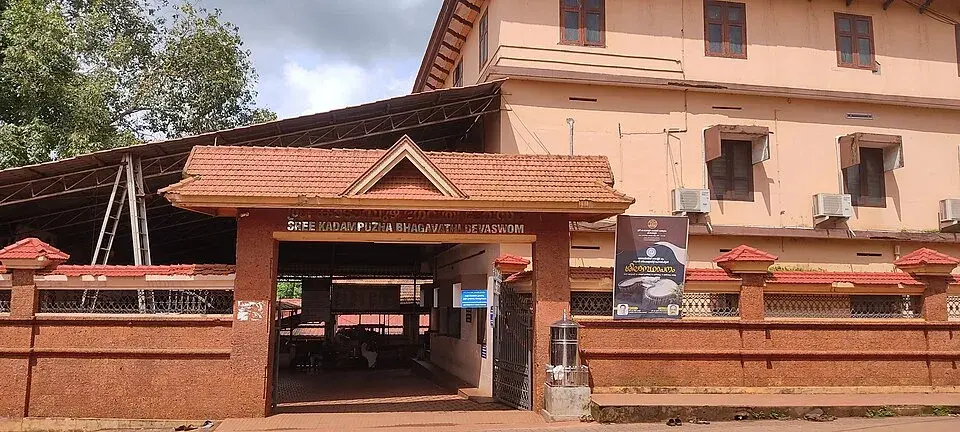 Photo: Sabarinathcnair · CC BY-SA 4.0