Other Attraction
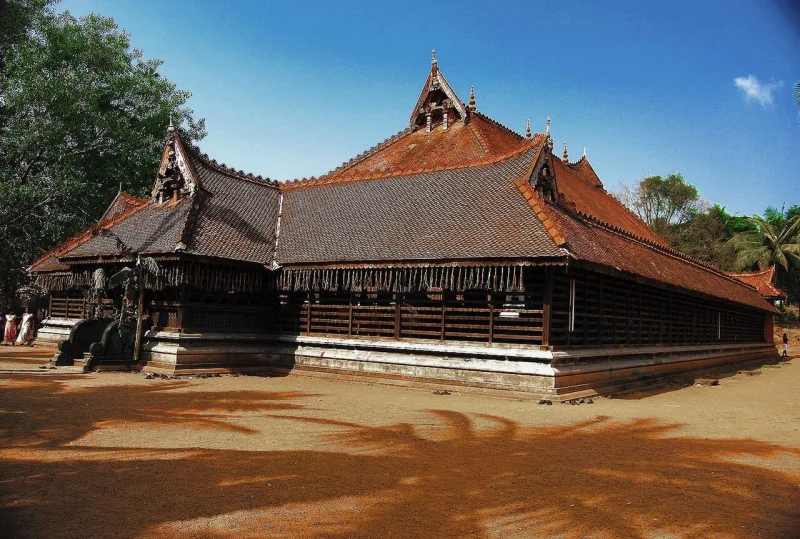
Kerala Kalamandalam
Thrissur, Kerala
📍 8.1 km away from Varikkasseri Mana
The celebrated arts university on the Bharathapuzha where Kathakali, Koodiyattam and Mohiniyattam are taught,...
Read more →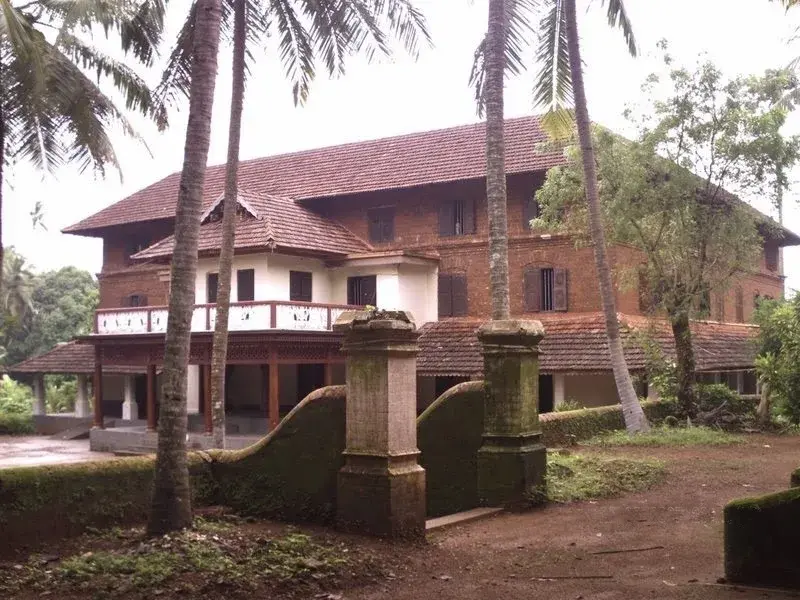 Photo: Krishnan Varikkasseri · CC BY-SA 3.0
Heritage and Monument
Kerala · PalakkadAlso known as Varikkassery Mana, Varikkumanchery Mana
A stately Namboothiri mansion at Manissery with a great gatehouse, courtyard house, pond and temples, made famous by Malayalam cinema.
About Varikkasseri Mana
A stately Namboothiri mansion at Manissery with a great gatehouse, courtyard house, pond and temples, made famous by Malayalam cinema.
What: A traditional Kerala mansion of a Namboothiri family and one of the best known film locations in the state.
Where: Manissery village, Ottapalam, Palakkad district.
When: The present building is dated to about 1902; open on days when no shooting takes place.
How: Travel to Ottapalam by train or road and continue to Manissery.
By whom: Built by Varikkassery Ravi Namboothiripad; now managed by a trust of heirs and investors.
For whom: Architecture lovers, film fans, students, families and photographers who follow the rules.
Varikkasseri Mana stands on about four acres in the Valluvanad country, the cultural heartland near the Bharathapuzha river. Even people who have never visited may recognise it, because its facade has appeared again and again on cinema screens.
One enters through a broad padippura, the roofed gatehouse. Beyond rises the main house of three storeys, a nalukettu said to contain seventy four rooms around its courtyard. There are two pathayappuras, or outhouses used among other things for grain and guests, a large pond with a bathing house, and a family temple complex with shrines to Shiva, Krishna and Ayyappa. An oottupura, the dining hall for feasts, once stood here and has since been demolished. The walls use locally available red stone, while beams, doors and windows are of timber with detailed carving.
The Varikkasseri family is reported to trace its history back more than a thousand years and to have held a leading position among the group of eight prominent Namboothiri houses known as the Ashtagrihathil Adhyas. These are family and community traditions covering a very long span.
The mansion in its present form was built by Varikkassery Ravi Namboothiripad in or about 1902. Its design is attributed to Krishnan Thampuran, a member of the family known as Silpi, the sculptor or designer, who had studied architecture in Madras. His acquaintance with Western building shows in the long slender columns around the portico, which accounts also link with work carried out in the 1940s by Varikkassery Krishnan Namboothiripad. The result blends the Kerala courtyard house with touches from outside.
The house entered films with Theertham, directed by Mohan, in 1987. Its great fame came with Devasuram, where it appeared as the ancestral home of the hero Mangalassery Neelakandan, played by Mohanlal. So strong was the impression that some visitors still call it Mangalassery. Aaraam Thampuran, Narasimham, Ravanaprabhu, Rappakal, Anandabhadram, Chandrolsavam, Drona, Madampi, Shylock and Bramayugam are among many later productions; more than a hundred films are reported to have been shot here. The steps, verandas and courtyard have become a visual shorthand for the old landed family on screen.
Behind the cinematic image lies a former way of living. Namboothiri households were centres of Vedic learning, temple ritual and land management. The courtyard organised daily life, with separate areas for worship, cooking, meals, study and the seclusion that custom imposed, especially on women. Twentieth century reform movements, in which Namboothiris themselves such as V. T. Bhattathiripad played a leading part, challenged those restrictions, and land reforms later changed the economy that supported great houses. Walking through the rooms, one can appreciate both the craftsmanship and the social history, including its inequalities.
Visitors often ask whether the house is haunted, especially after watching films with supernatural themes shot here. Such atmosphere is the work of directors, lighting and sound. No factual basis exists for ghost stories about the family's home. Talk of hidden treasure rooms is likewise film talk.
It is also assumed that the whole house can be toured at any time. It cannot. Entry stops during shooting, parts of the building may be locked, and the thevarapura, the room for the household deities, is restricted to Brahmins performing rituals. Entry fees quoted online have ranged widely over the years, so confirm the current charge and camera rules at the gate.
Begin at the padippura and notice how it frames the first view, marking the boundary between the public road and the household. In the main building, observe the pitched tiled roofs that carry away heavy rain, the deep verandas that keep walls dry and shaded, and the red stone that gives the house its warm colour. The portico columns are taller and slimmer than the sturdy wooden posts of older houses, a sign of the designer's wider training. Look closely at doors with metal fittings, at carved beams and at windows that admit light while keeping privacy. The courtyard shows how a large building can be cool without machinery, since warm air rises through the open centre and draws breeze through the rooms. The pond and bath house recall daily routines built around water, and the temples show that worship was part of domestic life.
Visitors ask whether they can stay overnight or hold a wedding photography session. Such arrangements, if allowed at all, require permission from the managing trust, so enquire directly. They ask whether film stars will be present; shooting days are precisely when the public is kept out. They ask how long to spend; an unhurried hour is enough for most people, with more for those sketching or studying details. Parents can help children enjoy the visit by asking them to find carved animals or flowers and to count the doors they pass on the way round.
Telephone ahead, particularly if you are travelling far. Keep to the permitted route, do not lean on carved wood, climb restricted stairs or touch film property. Remove footwear where asked. Be careful at the pond, where steps are slippery and swimming is not for visitors. Ask before using a camera for commercial or wedding photography, which needs separate permission. Arrive in the morning for softer light and fewer people.
The region rewards a full day. The Kunchan Nambiar memorial at Killikkurussimangalam recalls the creator of Ottan Thullal, the Kerala Kalamandalam at Cheruthuruthy teaches the classical performing arts, and the riverside temples and paddy fields of Valluvanad offer scenes familiar from many films. Palakkad Fort and the Kalpathy heritage village can be added on the way back.
+ Add your photos Been here? Share what you saw.
Instagram Reels and YouTube Shorts by vloggers and visitors.
Space for a Reel or Short
Space for a Reel or Short
Space for a Reel or Short
Space for a Reel or Short
Full videos, guides and walkthroughs.
No reviews yet. Be the first to share your experience. Reviews appear here once a moderator approves them.
None listed yet.
Address: Manissery, Ottapalam, Palakkad district
Where the details on this page come from. Timings, fees and phone numbers change, so confirm them before you travel.
Distances are in a straight line from Varikkasseri Mana; travel by road is longer.
Thrissur, Kerala
📍 8.1 km away from Varikkasseri Mana
The celebrated arts university on the Bharathapuzha where Kathakali, Koodiyattam and Mohiniyattam are taught,...
Read more →Palakkad, Kerala
📍 About 11 km away from Varikkasseri Mana
The ancestral home area of the eighteenth century poet Kunchan Nambiar, creator of Ottan Thullal, preserved as...
Read more →Palakkad, Kerala
📍 16 km away from Varikkasseri Mana
Kerala's only sanctuary for peafowl, a patchwork of rocky scrub and woodland near Chulanur where peacocks call...
Read more →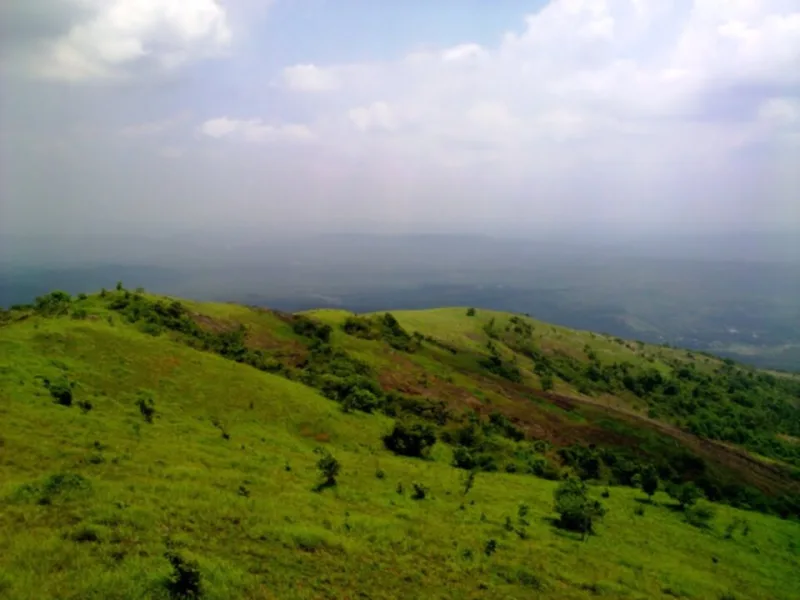
Malappuram, Kerala
📍 23 km away from Varikkasseri Mana
A breezy grassy peak with a watch tower near Perinthalmanna, often called the Ooty of Malappuram.
Read more →Thrissur, Kerala
📍 About 25 km away from Varikkasseri Mana
A three tiered cascade inside reserve forest near Peechi in Thrissur, where entry to the falls area is reporte...
Read more →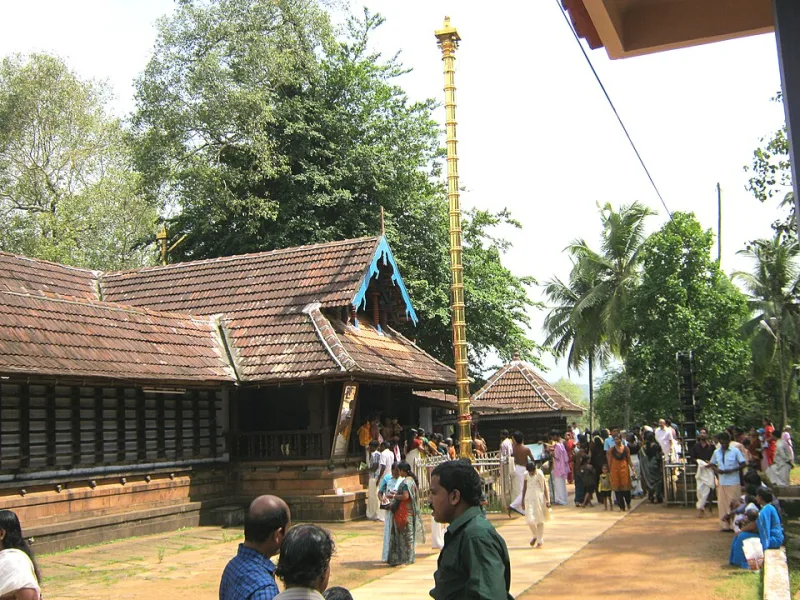
Malappuram, Kerala
📍 27 km away from Varikkasseri Mana
The hill temple of the goddess revered by the old Valluvanad rulers at Angadipuram, famous for its long spring...
Read more →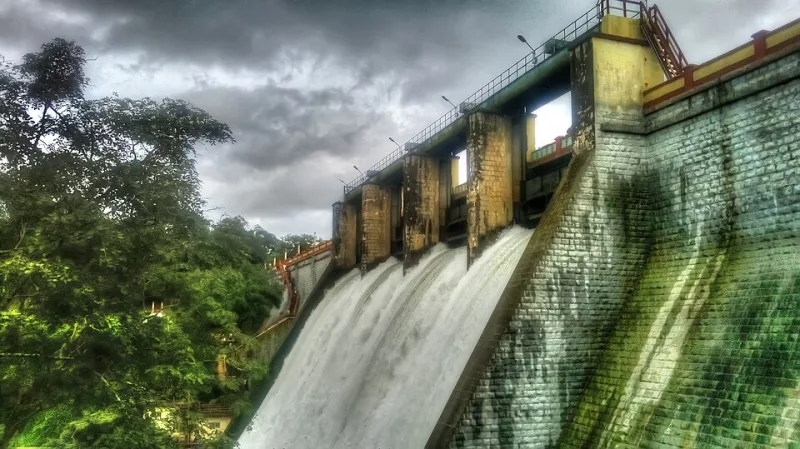
Thrissur, Kerala
📍 28 km away from Varikkasseri Mana
A reservoir with gardens near Thrissur, serving farms and drinking water, backed by the forests of the Peechi...
Read more →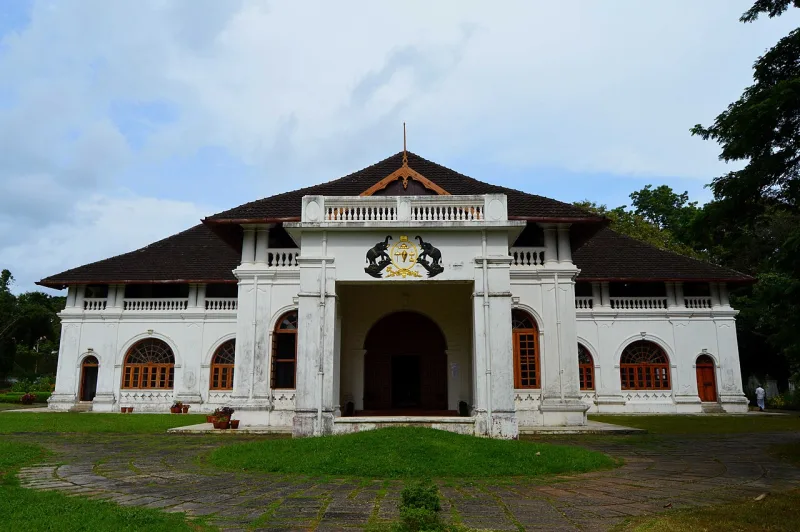
Thrissur, Kerala
📍 30 km away from Varikkasseri Mana
A Kerala and Dutch style palace of Sakthan Thampuran, builder of modern Thrissur, now an archaeology museum wi...
Read more →