A little-visited family necropolis of exquisite lime stucco, carved screens and inlaid marble.
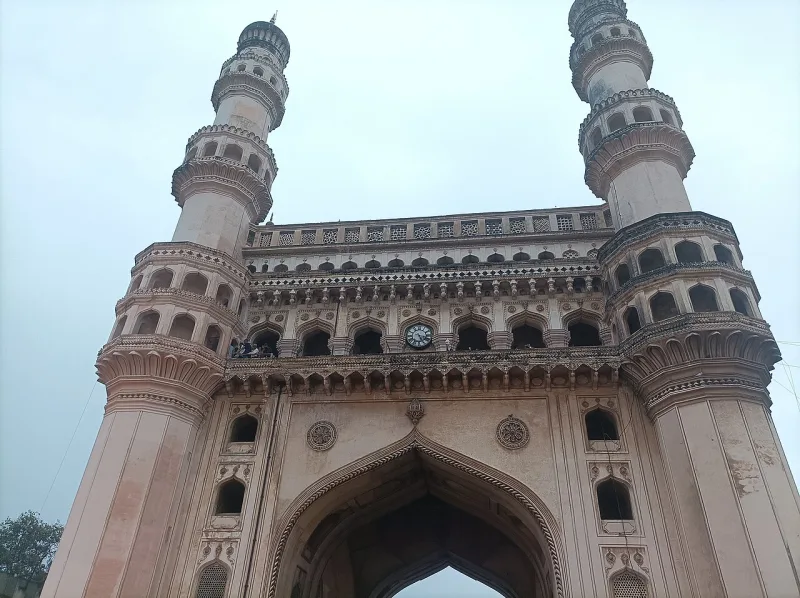
The Paigah Tombs are a little-visited family necropolis in Hyderabad, admired for exquisite lime stucco, carved stone screens and inlaid marble. Known also as Maqbara Shams-ul-Umara, the complex is tucked away down a lane near Santosh Nagar, about four kilometres south-east of Charminar. Those who take the trouble to find it are rewarded with some of the most delicate decorative work in the city, enjoyed in a quietness that busier monuments cannot offer.
The Paigahs were among the highest nobility of the Asaf Jahi state. They served as military commanders and ministers, held great estates and married into the family of the Nizams, so their story is closely woven into that of Hyderabad itself. The first burial here, in the line of Abdul Fateh Khan Tegh Jung, took place in 1786. Over the following generations the heads of the family added their own tombs, among them Asman Jah, Khurshid Jah and Viqar-ul-Umra, the same nobleman who built Falaknuma Palace. The result is a sequence of memorials that shows how taste developed over more than a century.
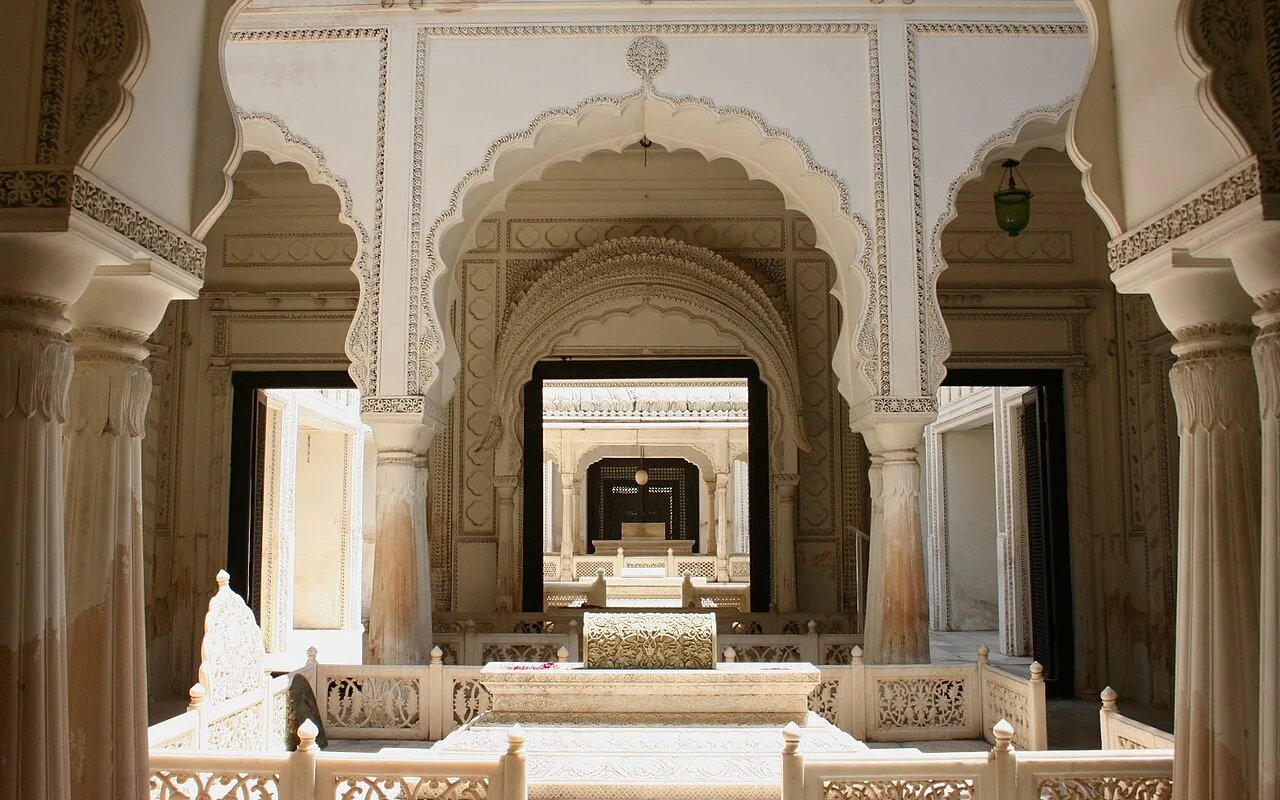
The enclosures are arranged around small courtyards. Marble graves rest in open or screened chambers, framed by arches, slender pillars, turrets and parapets. The glory of the place is the lime stucco, modelled into flowers, vines, geometric nets and fretted panels so fine that it resembles lace or carved ivory. Light passing through the screens casts patterns on the floor that move through the day. Study one screen carefully and then walk to the next: the designs change from panel to panel, as if the craftsmen were determined never to repeat themselves.
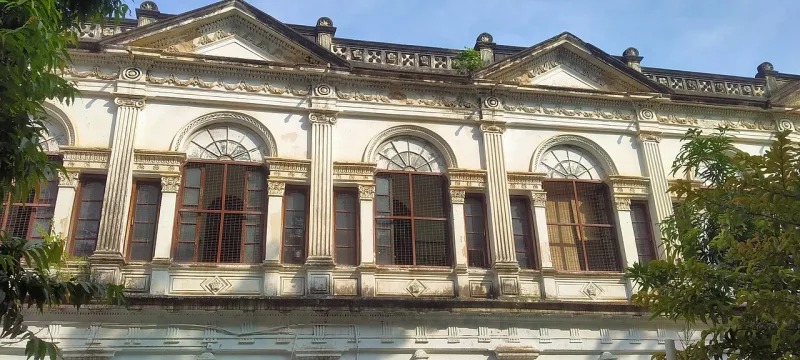
The blend of styles is part of the interest. Forms familiar from Mughal and Persian building meet local Deccani habits and, in places, hints of European classical ornament. Inlaid marble on some graves uses coloured stones in floral designs, and carved inscriptions record the names of those remembered. Architects, artists and photographers often spend far longer here than they expected.
Conservation has been important in recent years, involving the state heritage department, the Aga Khan Trust for Culture and a cultural preservation grant from the United States for six of the tombs. Because repairs on such fragile plaster are slow, parts of the complex may be closed or screened while specialists are at work. This care is what will allow the stucco to survive for future visitors.
No official opening timings were found, so plan to come in daylight, with morning offering the kindest light and cooler stone. About an hour is enough for most people. These are graves, and respectful behaviour matters: dress modestly, speak softly, do not sit or lean on tombs, and remove your footwear where you are asked to. The plasterwork breaks easily, so do not touch it. Ask the caretaker before photographing at close range or using any equipment such as a tripod or drone.
Facilities nearby are limited, so carry water and a hat in warm weather. The lanes leading to the entrance can be narrow, and it helps to save the map location before setting out. A cab or auto is the most practical choice, and you may ask the driver to wait. Those who enjoy learning the background may like to read about the Paigah family before coming, which gives the names on the graves a livelier meaning.
Combine the tombs with a visit to Charminar and the Old City bazaars, or with the Qutb Shahi Tombs on another day for an interesting comparison between royal and noble memorials of different dynasties. Afterwards, enjoy Irani chai, biryani or a plate of kebabs in the surrounding neighbourhoods. The months from October to February are the most comfortable for walking and lingering over details.
Carved screens and stucco
Tombs of Asman Jah and Khurshid Jah
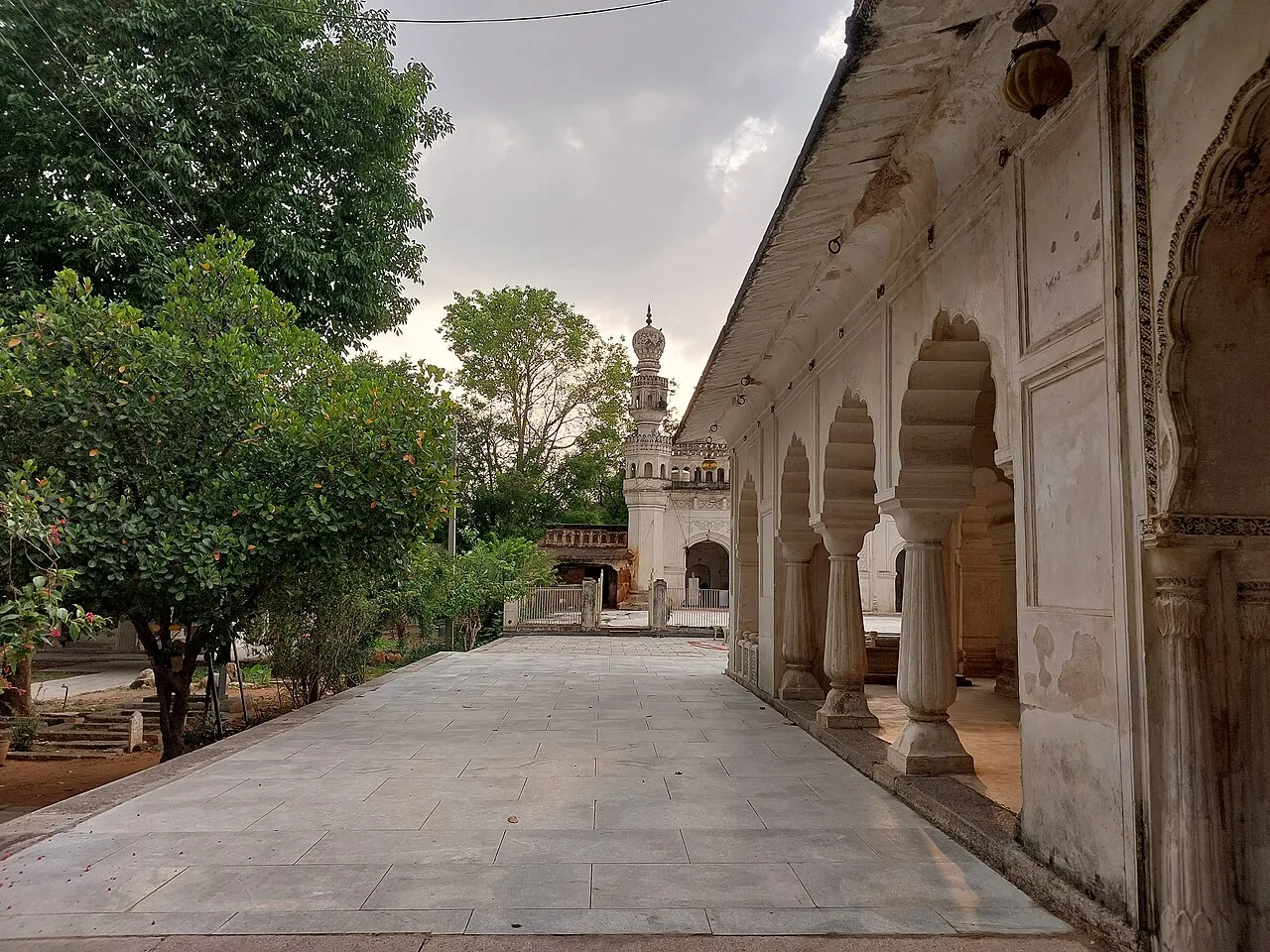
Peaceful courtyards
Photos (3)
Arcades and gravesCarved white archesA quiet walkway
The Paigahs were among the highest nobility of the Asaf Jahi state and married into the ruling family. The first burial here was that of Abdul Fateh Khan Tegh Jung’s line in 1786, and later heads of the family, including Asman Jah, Khurshid Jah and Viqar-ul-Umra, added their own tombs. Recent conservation has involved the state heritage department, the Aga Khan Trust and a United States cultural preservation grant for six tombs.
Things to see and do
Study the patterns: they change from screen to screen
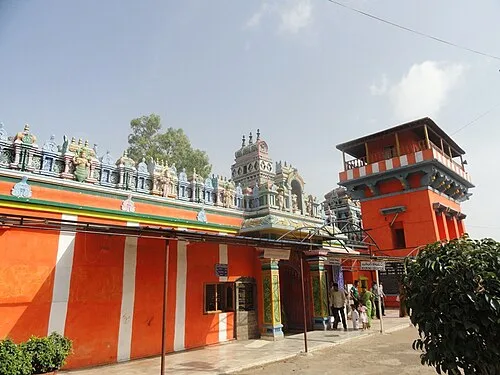
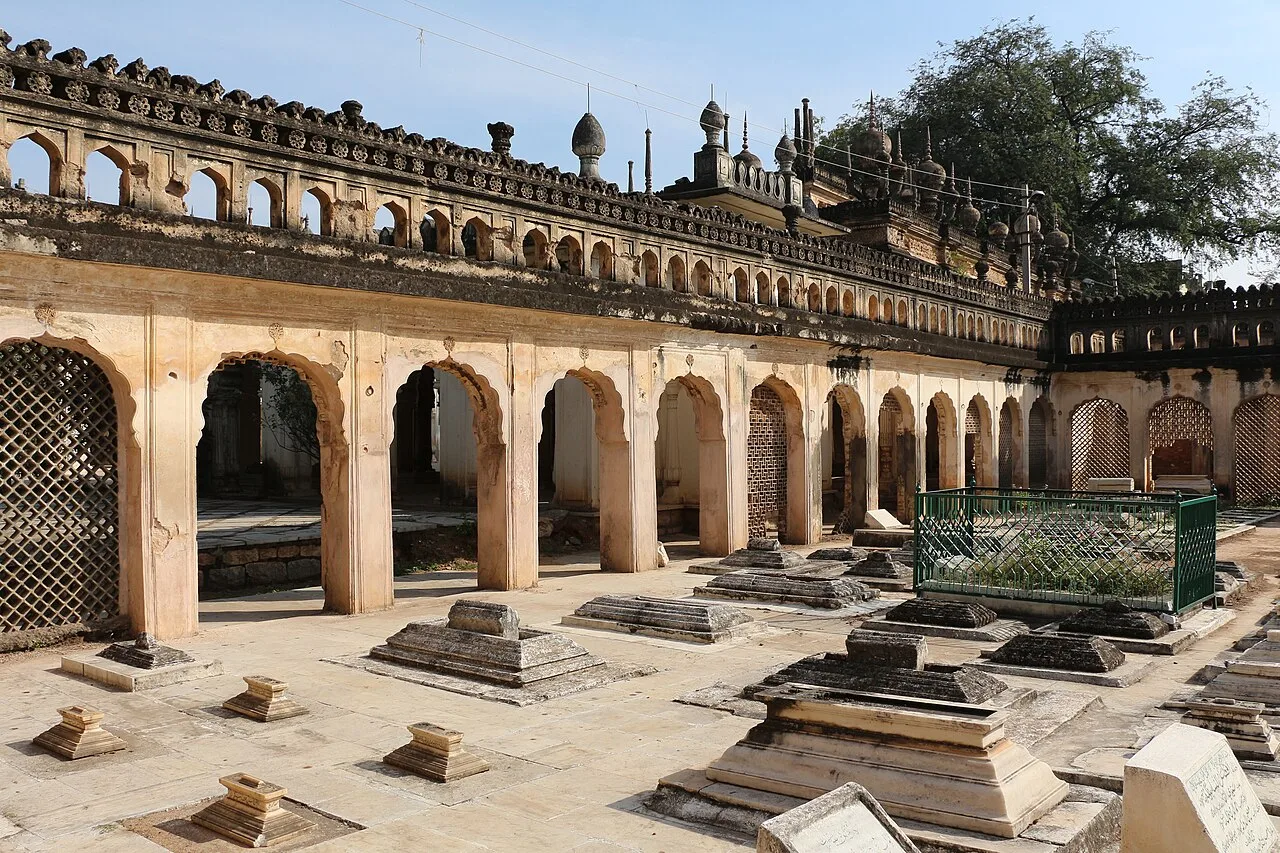 Photo: Bernard Gagnon · CC BY-SA 3.0