One of India’s great museums, grown from one family’s collecting: sculpture, manuscripts, arms, clocks and the Veiled Rebecca.
The Salar Jung Museum is one of India's great museums, grown from one family's passion for collecting sculpture, manuscripts, arms, clocks and the famous Veiled Rebecca. It stands close to the Old City on the south side of the Musi river, and its long galleries gather objects from across India, West Asia, East Asia and Europe. Few places in the country offer such variety under one roof, and a visitor can pass from an ancient stone image to a European painting or a delicate piece of jade within a few minutes.
The collection was built chiefly by Nawab Mir Yousuf Ali Khan, Salar Jung the Third, a former prime minister of Hyderabad who collected for about thirty five years. Earlier members of the family had also acquired fine pieces, including Salar Jung the First, his grandfather, who bought the Veiled Rebecca in Rome. Jawaharlal Nehru inaugurated the museum on 16 December 1951 in the family mansion, Diwan Devdi. An Act of Parliament in 1961 made it an institution of national importance, and in 1968 it moved to its present building. What began as private enthusiasm was thus given to the public, so that students and families can see what once lined private halls.
The Veiled Rebecca is the sculpture that nearly everyone asks for. Carved in marble, it shows a young woman whose face is seen as if through a thin veil, an illusion so convincing that people lean closer to check that the fabric is really stone. Walk around the statue to appreciate how the sculptor handled the folds of drapery.
Equally loved is the musical clock. Crowds gather before the hour, and at the right moment a tiny figure emerges to strike the gong, to cheers from children. Arrive several minutes early to secure a view, and look at the other timepieces in the clock room while you wait.
Beyond these favourites lie rich galleries of Indian bronzes and stone sculpture, miniature paintings from different schools, textiles, wood carvings, metal ware, weapons and armour, jade, ivory, porcelain, glass and furniture. The manuscript collection includes rare works in several languages, many beautifully illuminated. It is impossible to absorb everything in one visit, so choose a few galleries that interest you most and give them proper time.
Allow at least three hours. The museum is closed on Fridays and gazetted holidays, has been open until six in the evening since December 2025, and admits visitors up to a quarter past five. Published fees are fifty rupees for Indian adults, twenty for children above five and one thousand for foreign visitors, with an additional fifty rupees for a camera or smartphone used for photography. Taking pictures without that ticket can bring a fine of five hundred rupees. Government school children up to fourteen enter free with identification and a school letter. Online booking is available through the links on the museum website. Check for changes before you travel.
Deposit large bags where required, keep a respectful distance from exhibits and avoid flash. Comfortable shoes are a real help, and families may like to agree on a short list of objects to find. Weekends and holiday periods are busy, so a weekday morning offers more room around the star exhibits. An audio guide or official guide, where available, adds useful background.
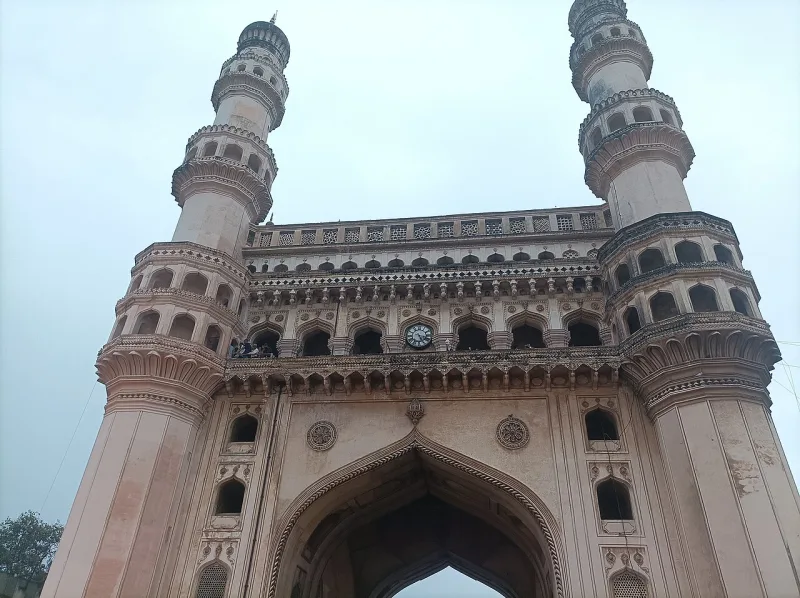
The museum at Dar-ul-Shifa is well served by cabs, autos and buses. It combines easily with Charminar, Chowmahalla Palace, the Nizam's Museum at Purani Haveli and a walk through the old bazaars. When you need a break, the neighbourhood offers Irani tea houses and biryani restaurants. Because the galleries are indoors, this is also an excellent choice for a hot afternoon or a rainy monsoon day.
Veiled Rebecca
Musical clock
Manuscripts and miniature paintings
Jade and arms galleries
Photos (2)
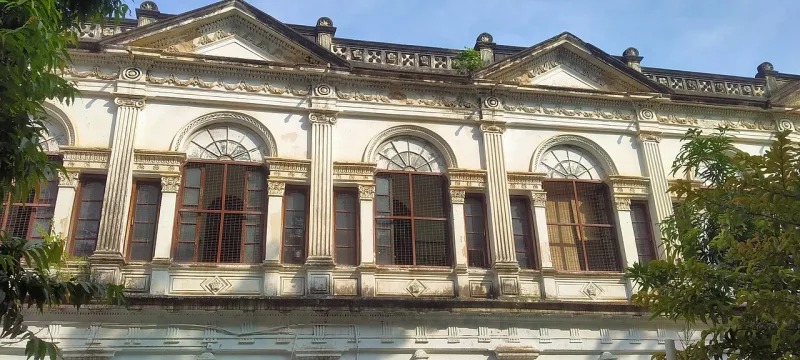
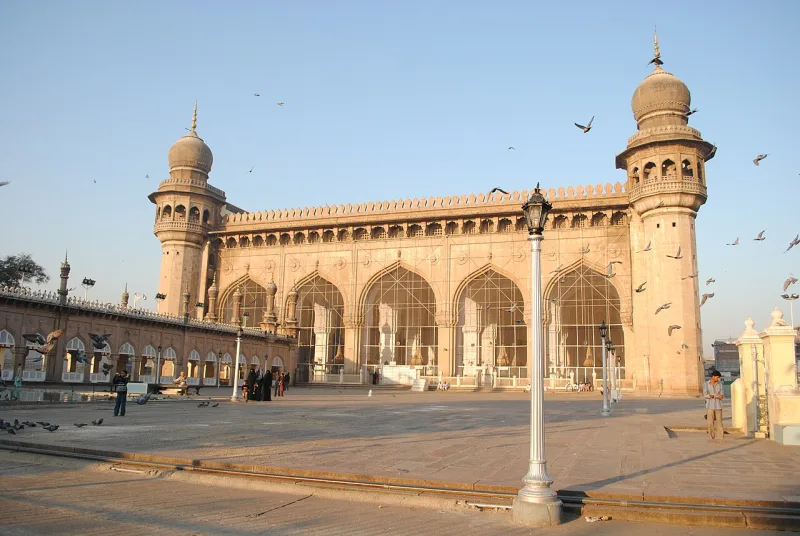
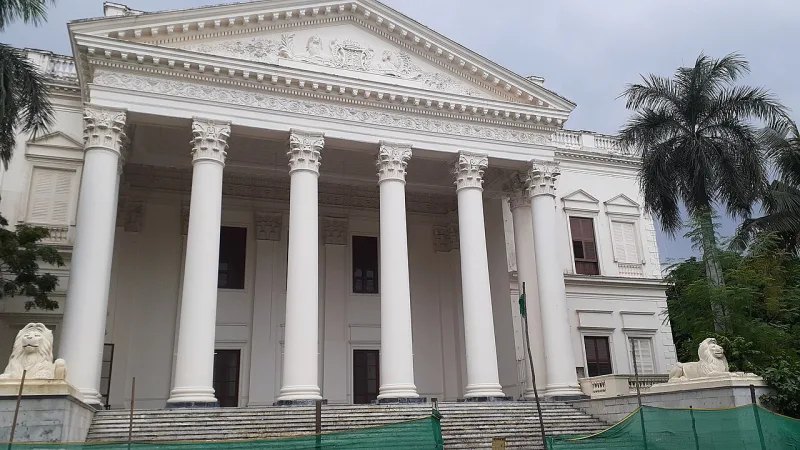
The museum buildingWalking sticks in the collection
The collection was built chiefly by Nawab Mir Yousuf Ali Khan, Salar Jung III, who collected for about thirty-five years. Jawaharlal Nehru inaugurated the museum on 16 December 1951 in the family mansion, Diwan Devdi. It was made an institution of national importance by an Act of 1961 and moved to its present building in 1968.
Stories worth knowing
A collection given to the nation
What began as the passion of a former prime minister of Hyderabad was endowed to the public, so that students and families can see what once lined private halls. The Veiled Rebecca was bought in Rome by his grandfather, Salar Jung I.
Things to see and do
Reach the clock before the hour
Choose a few galleries and take your time
Book tickets online through the links on the museum site
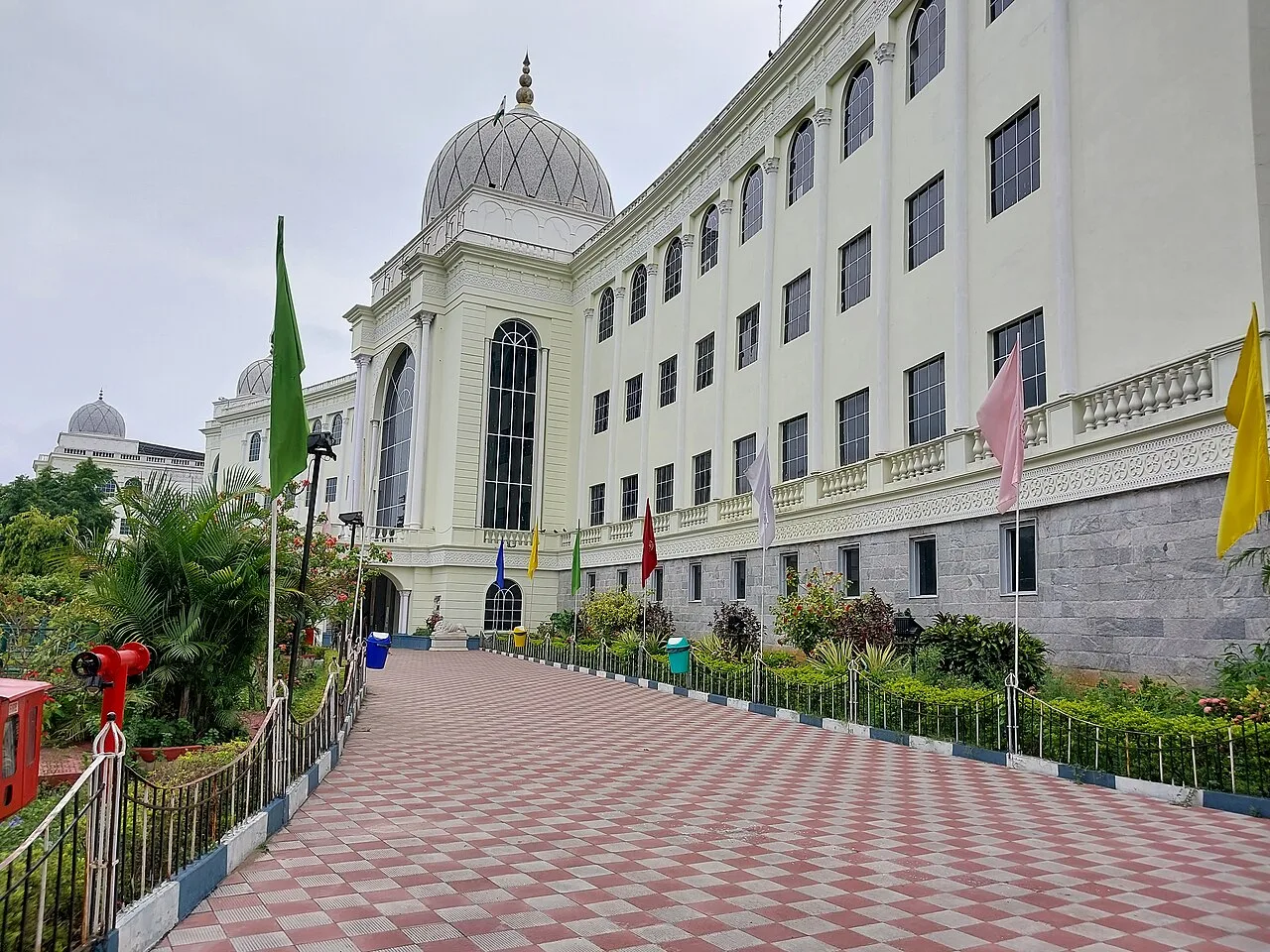 Photo: Pinakpani · CC BY-SA 4.0
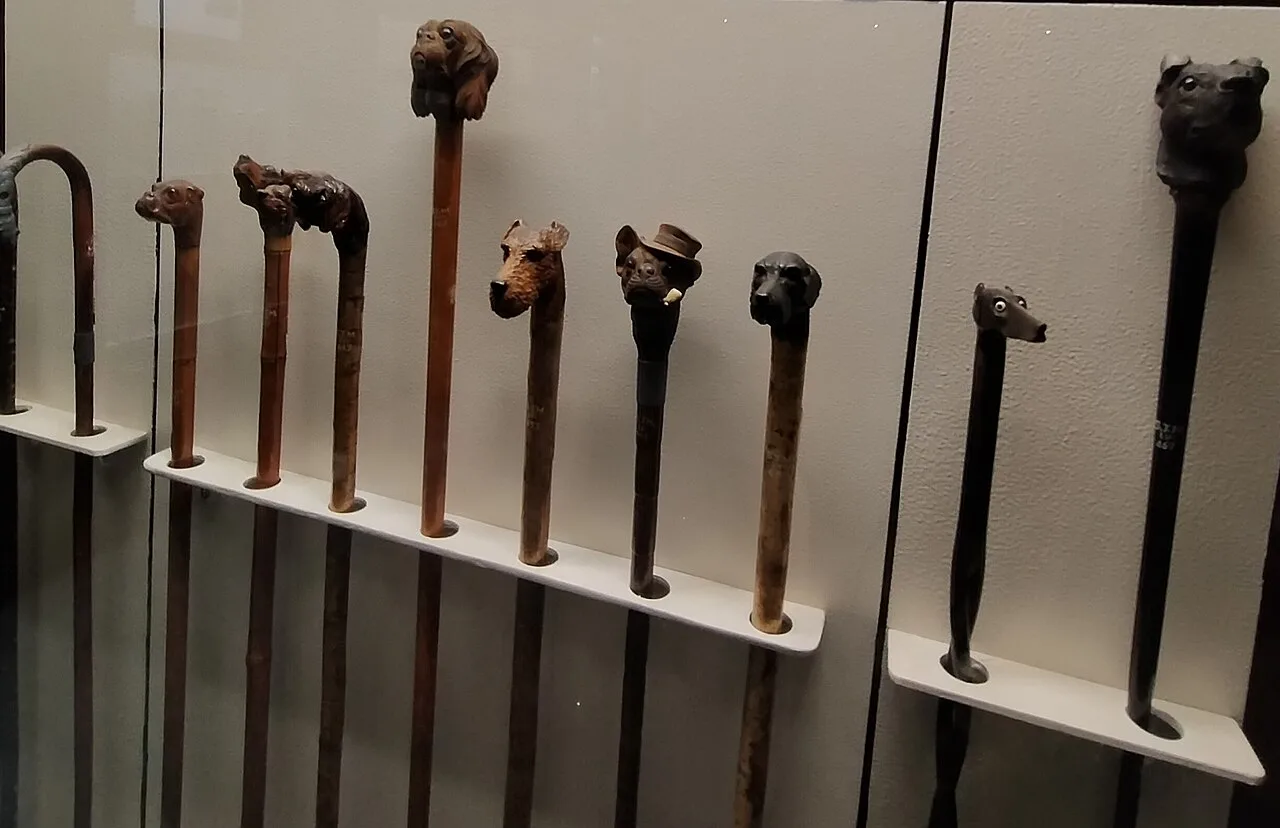 Photo: Aliva Sahoo · CC BY-SA 4.0