The wild, little-visited hill capital of the Recherla Nayakas, with massive stone gates among boulders.
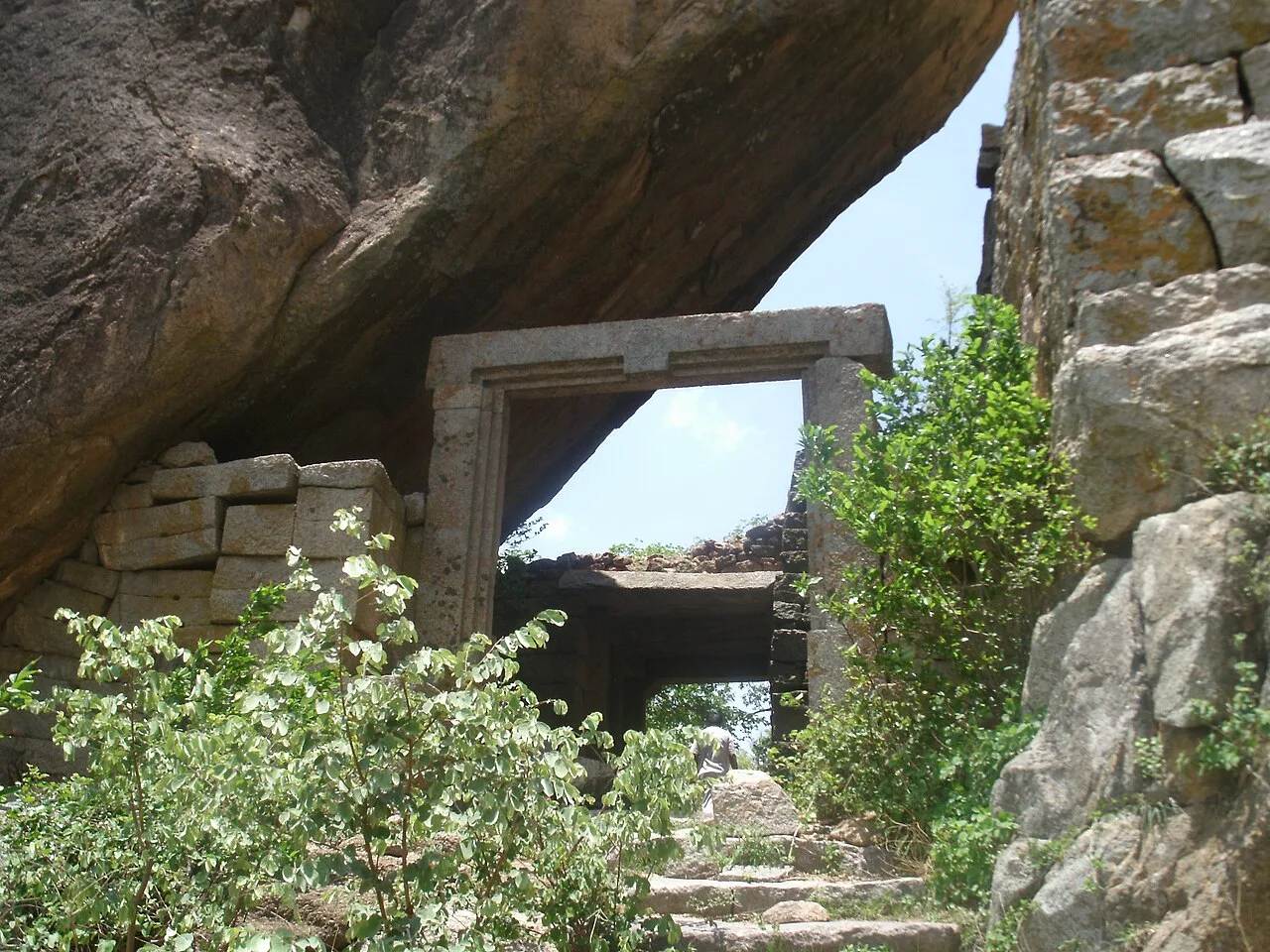
Rachakonda Fort is the wild and little-visited hill capital of the Recherla Nayakas, where massive stone gateways stand among natural boulders. Located in Samsthan Narayanpur mandal of Yadadri Bhuvanagiri district, about seventy kilometres from Hyderabad, it offers an experience quite unlike the managed monuments of the city. Giant dressed blocks form entrances between rocks, pillared halls stand in scrub and the silence is deep. It is a destination for explorers who enjoy ruins without crowds and are willing to prepare properly.
The Recherla Nayaka king Anapota Nayaka built the fort around 1360 and moved his capital here. The Recherla chiefs rose to prominence in the period after the fall of the Kakatiya kingdom, when several powers competed for control of the Telugu country. A hill fortress with natural defences, water and room for settlement was a sensible seat for rulers in such unsettled times. The Bahmanis took the fort in 1430, and the kingdom of the Nayakas came to an end around 1475. Afterwards the place gradually returned to quietness, and nature began to reclaim its courts.
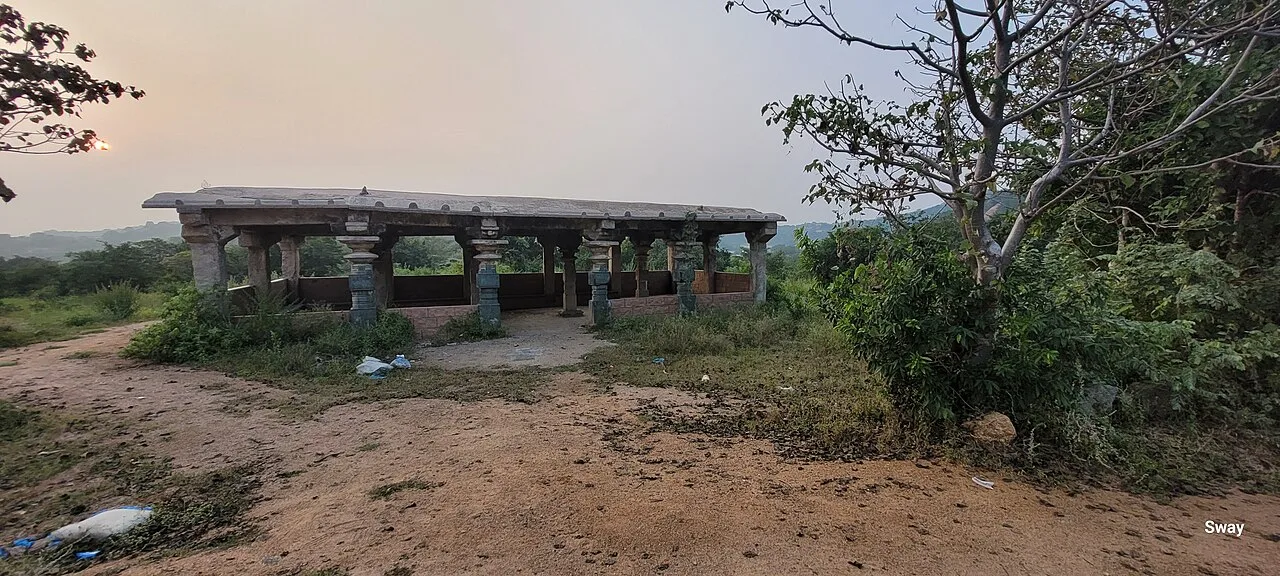
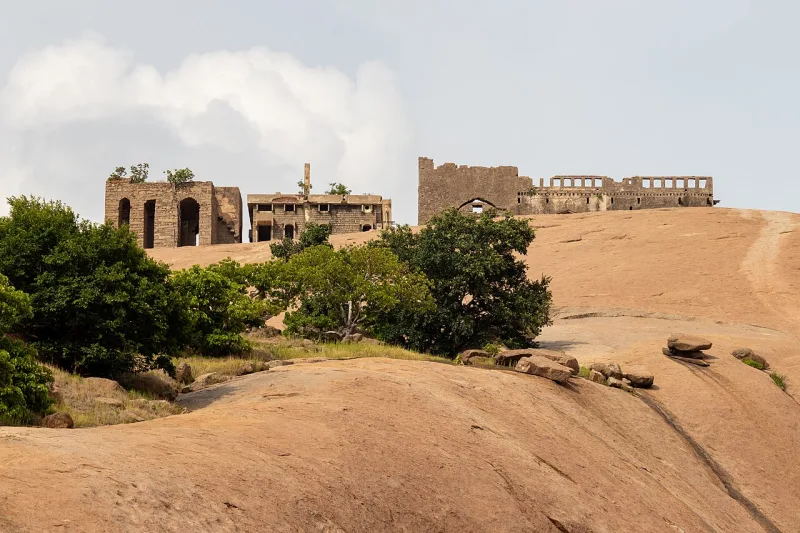
Walking through the site is like reading a book with many pages missing. Notice the size of the stones in the gateways and how closely they are fitted, often using the living rock as part of the wall. Look along ridges for traces of ramparts and bastions that once linked one outcrop to the next. Carved details on pillars and doorframes show that this was not merely a military camp but a place with temples, halls and a cultivated court. Water bodies and old wells hint at how people survived the dry months.
The landscape is part of the attraction. Rounded granite hills, thorn forest and open fields stretch in every direction. After the rains the country turns green, pools fill and wildflowers appear, while winter brings pleasant walking and clear light. Photographers will enjoy framing distant hills through the old gates. Birds and small wildlife may be seen by those who move quietly.
Plan a full day. The period from the end of the monsoon through winter is best. Visit with a group and, ideally, a local companion who knows the paths, since trails may be faint and some structures lie far apart. There are no visitor facilities. Carry all the water and food you need, a hat, a basic first aid kit and a charged phone, remembering that mobile signal may be weak. Tell someone at home your route and expected time of return.
Wear shoes with a good grip, as bare rock is slippery when wet. Do not climb damaged walls or lean against loose stones, and watch for snakes among rocks and tall grass. Stay away from edges when filming or taking photographs, check airspace rules and permissions before flying a drone, and take your litter home. Digging, removing carvings or writing on walls damages an irreplaceable record. The site is open countryside with no published timings, so visit only in daylight and begin the return well before dusk.
There are two main road approaches: by way of Choutuppal with a diversion of about twenty five kilometres, or from L.B. Nagar along the Nagarjuna Sagar road, turning at Ibrahimpatnam. A private vehicle is strongly advisable, and road conditions on the last stretch should be checked, particularly after rain. Fill fuel and buy supplies in the larger towns. October to February is the most comfortable season. For travellers who have seen Golconda and Bhongir, Rachakonda adds another chapter to the story of the Deccan's hill forts, told in solitude, where the main sounds are the wind, the birds and your own footsteps on ancient stone.
Stone gateways
Pillared ruins
Rocky hill country
Photos (3)
A massive stone gatewayA doorway among bouldersA pillared ruin
The Recherla Nayaka king Anapota Nayaka built the fort around 1360 and moved his capital here. The Bahmanis took it in 1430, and the kingdom ended around 1475.
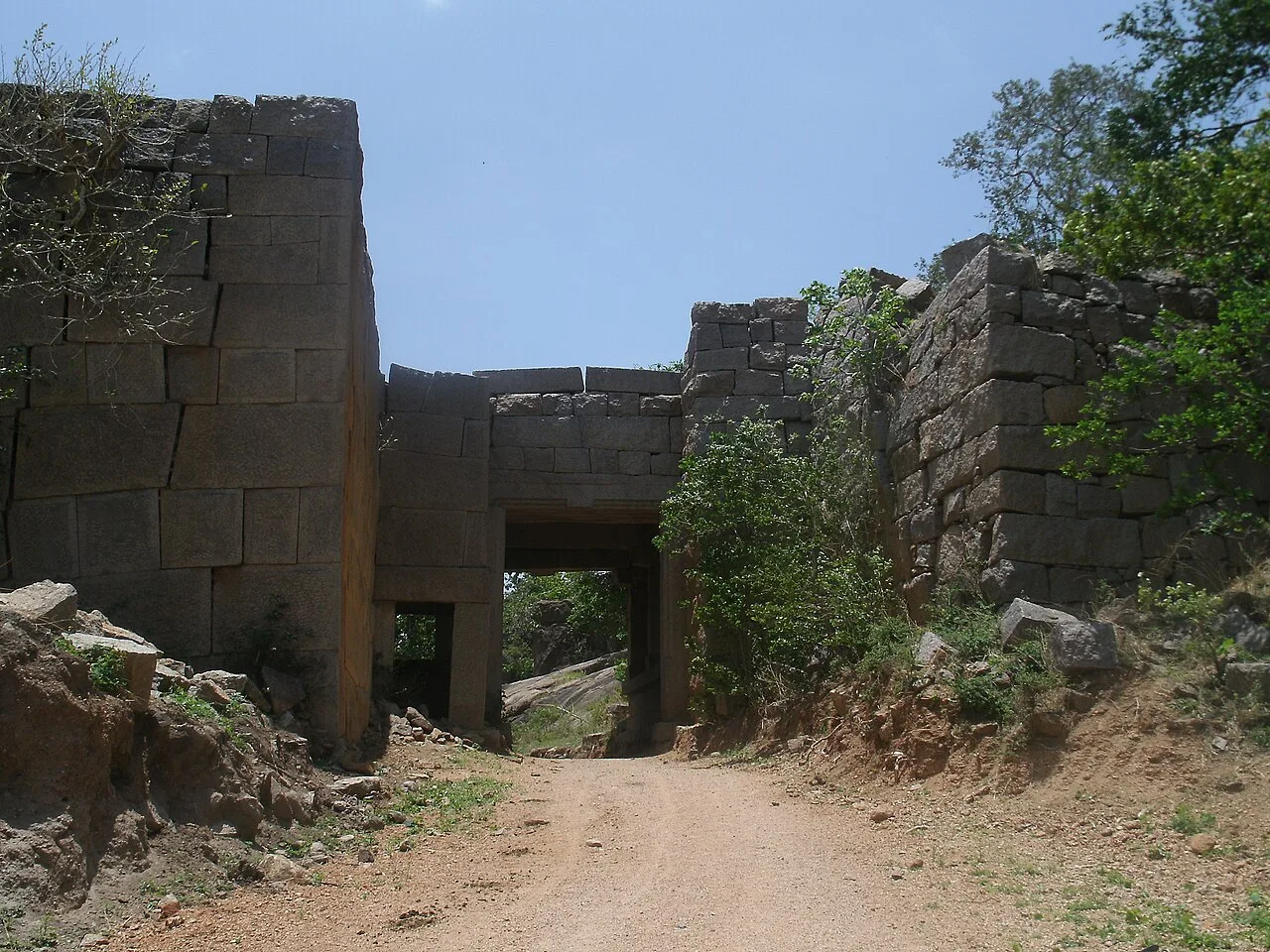 Photo: Ylnr123 · CC BY-SA 3.0