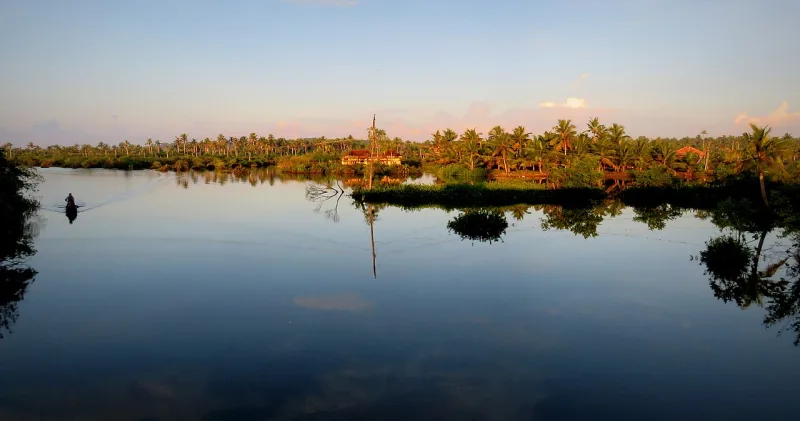
Photo: Arunelectra · CC BY-SA 3.0

Lake and Backwater

Sasthamcotta Lake

Kerala · KollamAlso known as Sasthamkotta Kayal

No ratings yet · be the first to review

Kerala's largest freshwater lake, a protected Ramsar wetland with clear water, a hillside Sastha temple and a calm village setting.

Best time to visit
October to February
Time needed
2 to 3 hours

About Sasthamcotta Lake

Why you should visit

Kerala's largest freshwater lake, a protected Ramsar wetland with clear water, a hillside Sastha temple and a calm village setting.

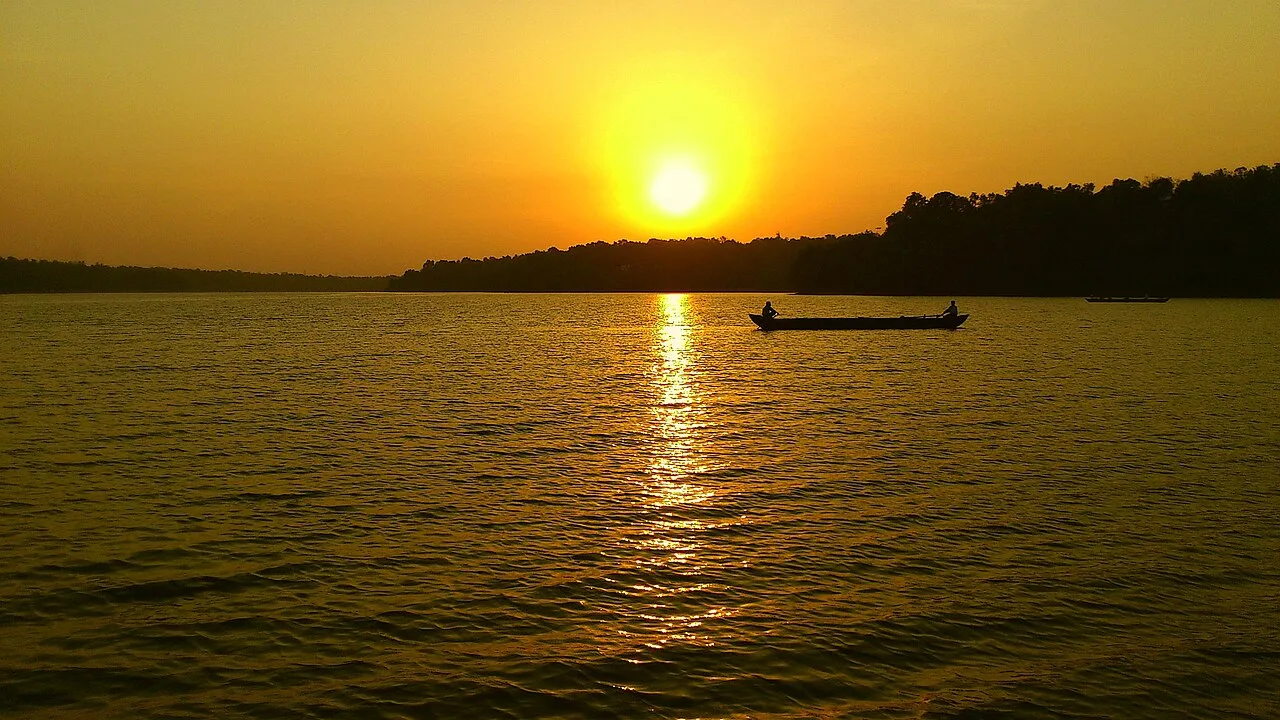
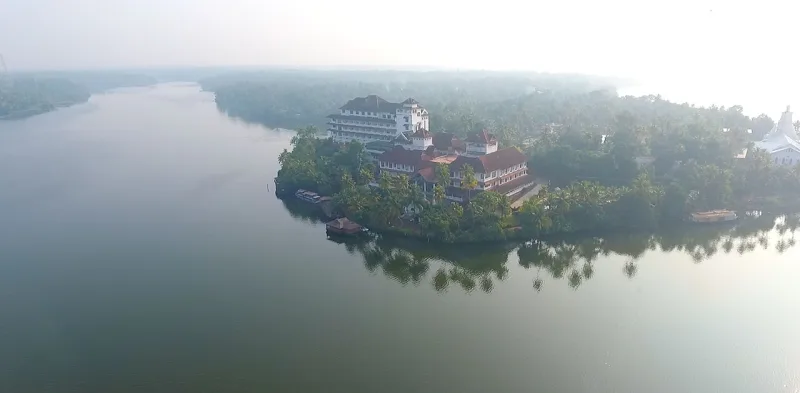
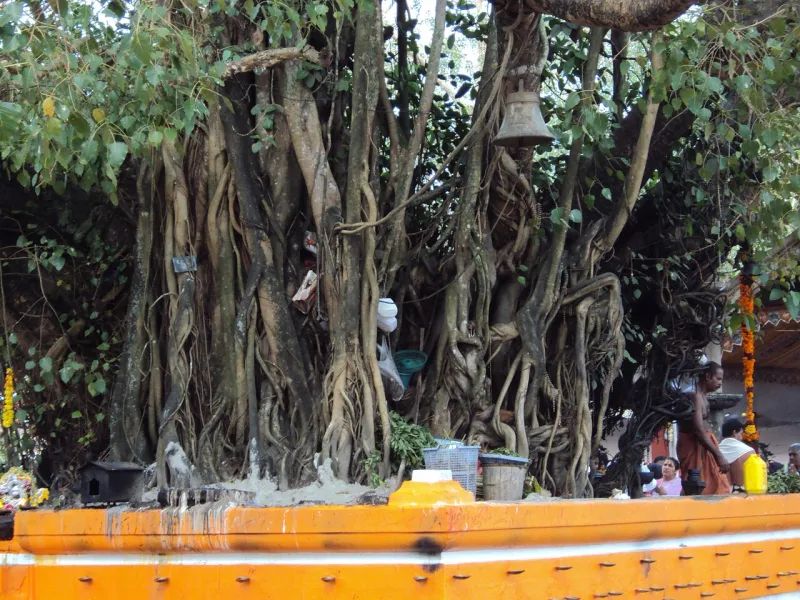
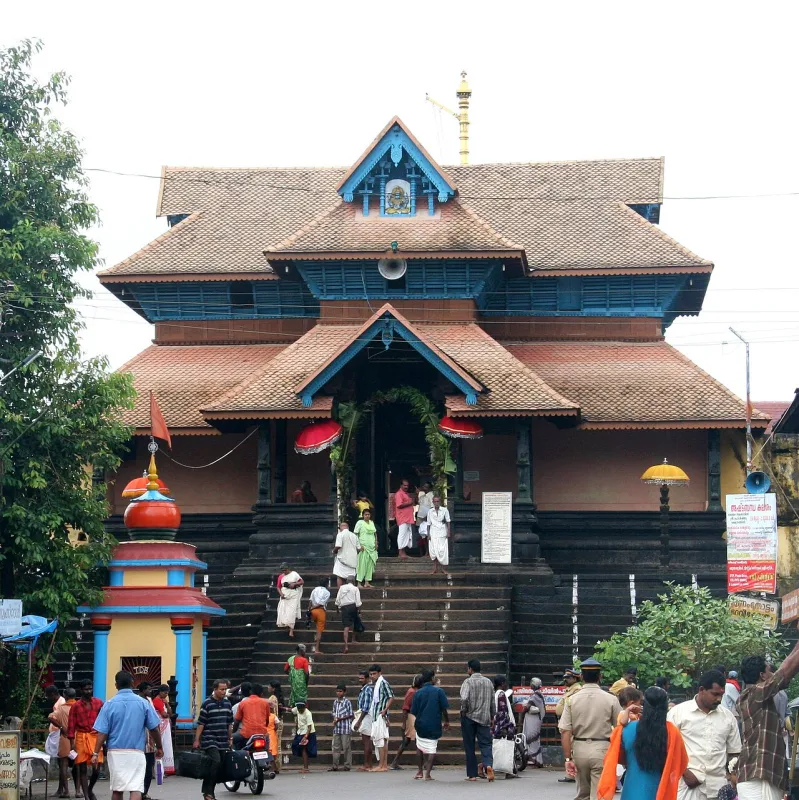
Sasthamcotta Lake is a quiet, shining expanse of fresh water in the middle of a populous district. It is the largest freshwater lake in Kerala and takes its name from the old temple of Sastha that stands on its bank, a pilgrimage centre long associated with this shore. Wooded slopes and village paths surround the water, and the mood is far removed from the busy beaches and cruise jetties elsewhere on the coast. The lake matters enormously to daily life. It supplies drinking water to around half a million people in and around Kollam and supports local fishing. Its water has been noted for its unusual purity, which scientists have connected with a large population of the larvae of a small insect, called Chaoborus, that feeds in the water and consumes bacteria. In November 2002 the lake was designated a wetland of international importance under the Ramsar Convention, placing it among the sites the world has agreed deserve careful protection. That protection is needed. In dry years the water level has fallen sharply, and heavy withdrawal, loss of vegetation on the surrounding hills, mining of soil and sand in the catchment and changes in rainfall have all been discussed as threats. Evaporation and domestic pumping together account for a large part of what flows in. Visitors can help simply by behaving as guests at a reservoir: no litter, no washing of vehicles or clothes, no soap or oil in the water and no trampling of shore plants. The temple is a natural focus. Dedicated to Dharma Sastha, it is visited by devotees through the year and especially during the pilgrimage season that leads towards Sabarimala from mid November to January. Large troops of monkeys live around the compound and have become part of local lore. Enjoy watching them from a distance, keep food hidden, hold on to spectacles and phones and never tease them. Ask about temple timings and follow customary dress and footwear rules. Beyond worship, the pleasures are simple. Walk or drive along the roads that give views across the water, watch cormorants and egrets, and sit under the trees as the afternoon cools. The light is lovely around sunrise and before sunset. Boating is not a standard attraction and may be restricted to protect the supply, so do not plan on it unless local authorities confirm an authorised service. The months after the monsoons, from October to February, usually show the lake full and the surroundings green. Summer is hot, and low water exposes the edges. Heavy rain can make slopes and bathing steps slippery. Facilities are modest, with small shops near the temple and town, so carry drinking water. Reaching the lake is easy. Buses run from Kollam and Karunagappally, Sasthamcotta has a railway station on the main line, and Thiruvananthapuram airport is a little over 100 kilometres to the south. A short visit combines well with a canoe trip at Munroe Island, a cruise on Ashtamudi Lake or the temple grounds at Oachira, giving a day that moves between sacred places and water. Come quietly and leave no trace. This lake is not a spectacle built for tourism but a living source of water and faith, and its calm surface is a reminder of how much a community depends on keeping nature clean. Travellers interested in ecology may like to compare this clear freshwater body with the brackish Ashtamudi estuary a short distance away. The two lie close together yet support different kinds of life and different kinds of work. Bring binoculars if you have them, along with a refillable water bottle. A visit of two or three hours is enough for the temple, a walk and a quiet pause by the shore. Teachers and students often find it a vivid example of why water conservation matters in a rainy state.
  • Largest freshwater lake in the state
  • Ancient Sastha temple on the shore
  • Quiet lakeside views
  • Resident monkeys and water birds

Photos (1)

Photo credits
  1. Photo: Arunelectra · CC BY-SA 3.0 · Source

Reels and Shorts

Instagram Reels and YouTube Shorts by vloggers and visitors.

Space for a Reel or Short

Space for a Reel or Short

Space for a Reel or Short

Space for a Reel or Short

YouTube videos

Full videos, guides and walkthroughs.

Space for a YouTube video

Space for a YouTube video

Reviews and ratings

– 0 reviews
  • 5 ★0
  • 4 ★0
  • 3 ★0
  • 2 ★0
  • 1 ★0

No reviews yet. Be the first to share your experience. Reviews appear here once a moderator approves them.

Write a Review

Special events & celebrations

None listed yet.

+ Add an event held here

Good to know

Visitor tips

  • Do not bathe where it is restricted
  • Keep all waste away from the water
  • Guard food and spectacles from monkeys
  • Dress modestly at the temple

How to reach

About 25 km north of Kollam and 8 km from Karunagappally, with Sasthamcotta railway station nearby.

Address: Sasthamcotta, Kollam district

Open directions in Google Maps

Sources

Where the details on this page come from. Timings, fees and phone numbers change, so confirm them before you travel.

Nearest places to Sasthamcotta Lake

Distances are in a straight line from Sasthamcotta Lake; travel by road is longer.

Places near me