A riverside Krishna temple among the 108 Divya Desams, famous for its snake boat race and festive feast during the Onam season.
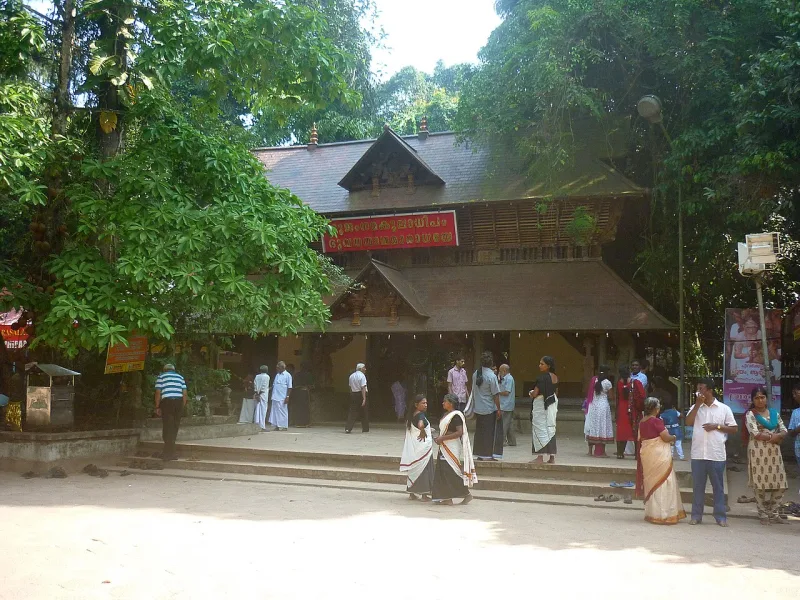
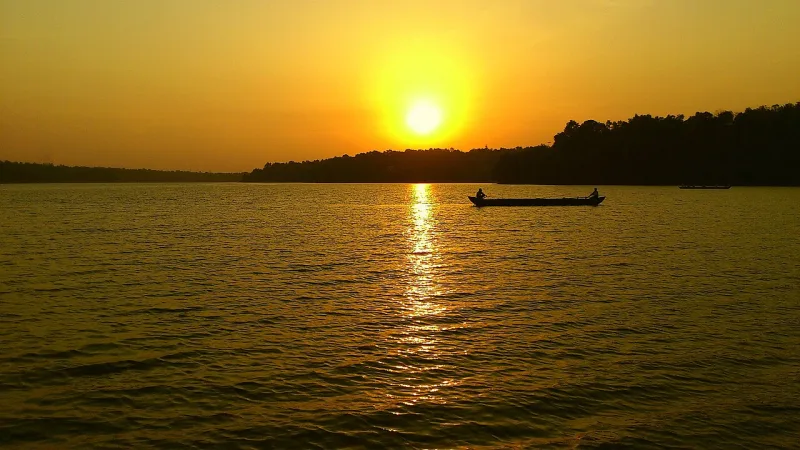
On the southern bank of the Pamba, the third longest river in Kerala, stands one of the most loved Krishna temples of the state. At Aranmula the deity is worshipped as Parthasarathy, the charioteer of Arjuna, who delivered the teaching of the Bhagavad Gita on the battlefield. The temple is counted among the 108 Divya Desams, the Vishnu shrines praised by the Alvar saints, and is one of five ancient temples in the region linked with the Pandava brothers of the Mahabharata. Each brother is believed to have established one, and Aranmula is attributed to Arjuna.
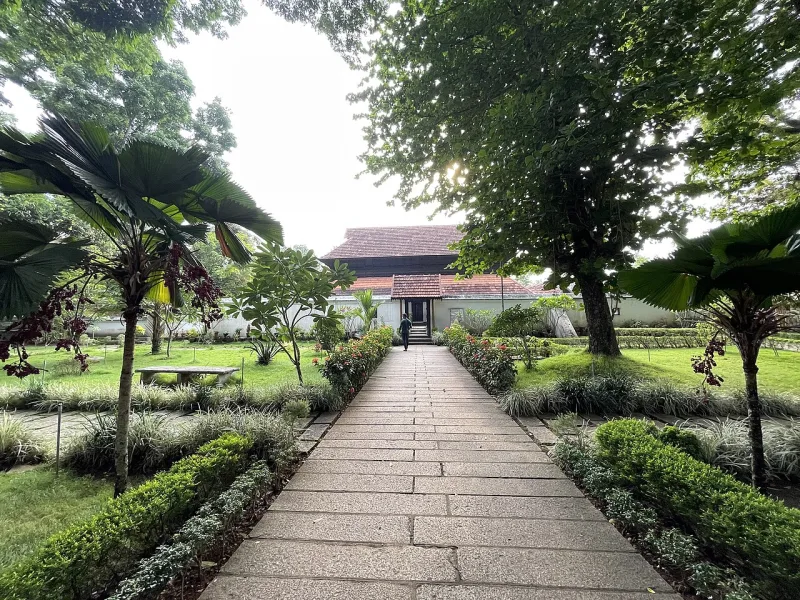
The building is a handsome example of the Kerala style, with a walled compound, sloping roofs suited to heavy rain and broad flights of steps. Its gateway tower rises in two storeys, the upper level with wooden trellis work over the hall where drums are played during festivals. The walls carry paintings dating back to the early eighteenth century, which deserve a slow and respectful look. Steps lead down towards the river, whose wide sandy course forms the stage for the temple's most celebrated events. The temple is administered by the Travancore Devaswom Board.
Aranmula is above all known for its boat race, held each year during the Onam season on the day of the Uthrattathi star. Long, elegant snake boats called palliyodams, with high curving sterns, glide on the Pamba carrying rows of oarsmen in white who sing traditional boat songs, vanchipattu, in unison. Unlike purely competitive races elsewhere, this is first of all an offering to Krishna, and the crews are treated as sacred participants. The rhythm of the singing and the movement of hundreds of paddles together make an unforgettable sight.
Closely linked is the Valla Sadya, a lavish vegetarian feast offered by devotees to the boat crews as an act of worship, served on banana leaves with an astonishing number of dishes, many of them requested through song. The season for these offerings falls in the weeks around the race. Visitors who wish to witness or sponsor a feast should inquire through the temple and the organising association well in advance.
The village has another claim to fame: the Aranmula kannadi, a mirror made not of glass but of a carefully polished metal alloy, produced by a small community of craftspeople who guard their method. It reflects from its front surface, giving an image without the slight doubling of ordinary mirrors. It carries protected geographical indication status. If you buy one, purchase from recognised makers and expect to pay for genuine handwork. The area is also associated with a mural painting and heritage institute that promotes traditional arts.
An ordinary visit is peaceful. Come early in the morning when the lamps are lit and the river is hazy. Reported darshan sessions run from about four to eleven in the morning and five to eight in the evening, although festivals alter the schedule. Men are generally expected to remove shirts before entering the inner area, and everyone should dress modestly and remove footwear.
Chengannur, with its busy railway station, is only about ten kilometres away, and buses and autos run frequently. During the boat race, roads and riverbanks become extremely crowded; arrive many hours ahead, stay behind safety lines, never stand on unstable banks and keep children close. The monsoon swells the river, so bathing should only be attempted where locals confirm it is safe. October to February suits those who prefer calm temple visits and pleasant weather. Combine the trip with Parumala Church, the rock cut shrine at Kaviyoor or the forests of Konni for a varied day in the district. Aranmula shows how a temple, a river and a village craft can together preserve a whole way of life.
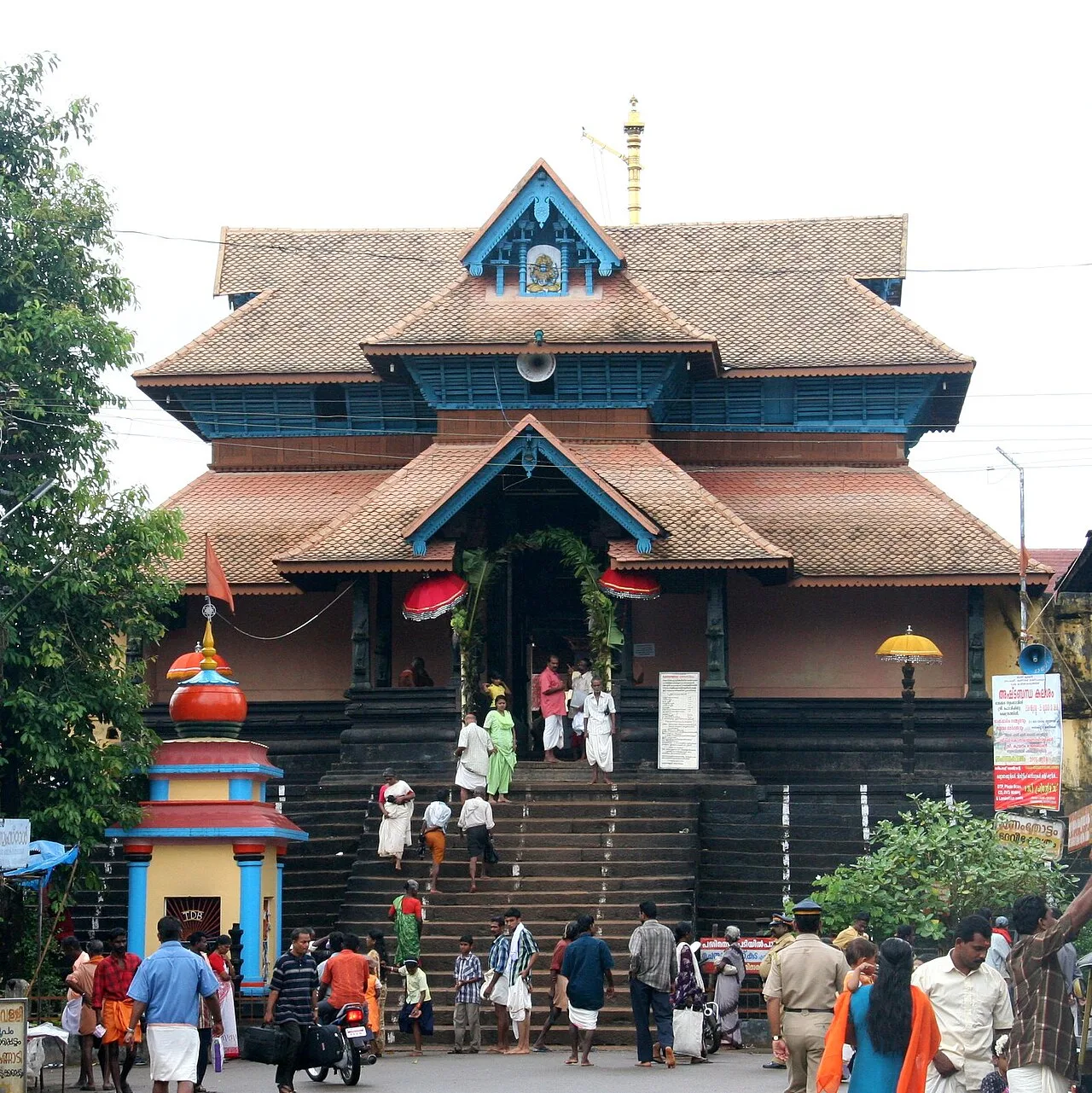 Photo: Sudhirn · CC BY 3.0