About Thrikkakkudy Rock Cut Temple, Kaviyoor
Why you should visit
An ancient Shiva shrine hewn from a single mass of rock, one of the notable rock cut monuments of Kerala, in a quiet village.
At Kaviyoor, a village near Thiruvalla, a great outcrop of rock has been carved into a small and remarkable temple. Known as Thrikkakkudy, it is among the best known rock cut shrines of Kerala, a state where timber and laterite are far more common building materials than sculpted granite. The monument rewards visitors who enjoy quiet places and the feeling of touching a very early chapter of the region's religious life, even though one should not literally touch the carving.
The principal shrine is a square chamber cut into the rock, where Shiva is worshipped in the form of a linga about three feet high, itself carved from the living stone. Around the entrance and hall are relief figures, including attendants and devotees, executed with a sturdy simplicity. Scholars often compare the work with the cave temples of the Pandya and Pallava traditions of the Tamil country and generally place it in the early medieval period, though precise dating is a matter of study.
Local history proposes several layers. One explanation of the village name connects it with an old Kannada word for cave and suggests that Jain settlers first shaped a rock shelter here for residence and prayer, with such centres later becoming Hindu temples after about the ninth century. That linguistic claim has not been firmly examined by scholars. Another tradition links the name with Hanuman, the monkey hero of the Ramayana, and Sanskrit verses on the flagstaff of the nearby Mahadeva temple refer to a place name along those lines. It is best to enjoy these accounts as traditions and scholarly suggestions rather than settled fact.
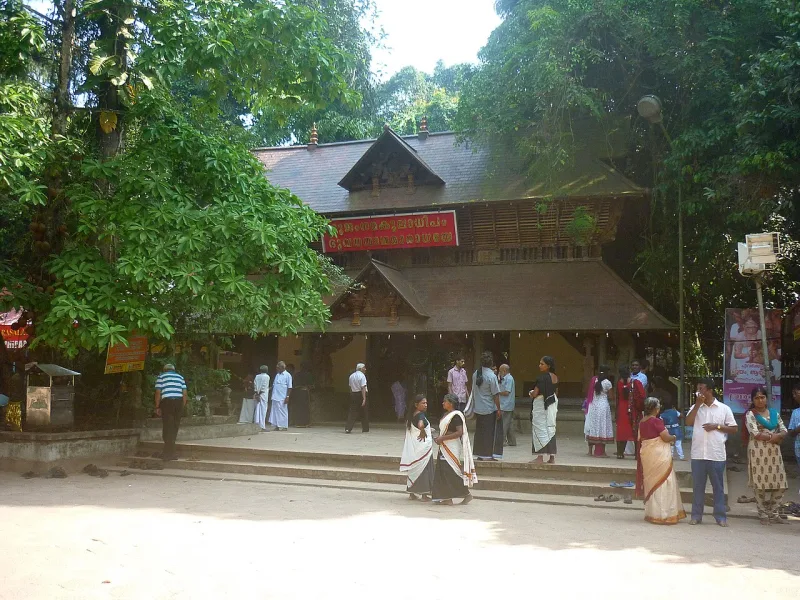
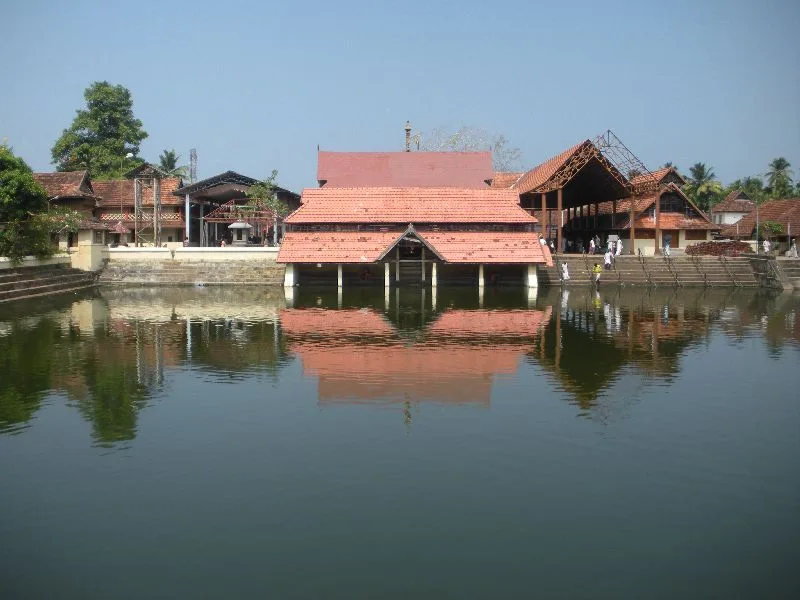
Besides stone, the temple complex is noted for wood carving. Fine wooden sculptures from the seventeenth century, dating to a period of rebuilding or renovation, decorate the structure and show episodes and figures from sacred stories. Look up beneath the eaves and along the beams, where the best details are easily missed. The shrine was taken over by the Travancore Devaswom Board in December 1967, and the monument is also recognised for its archaeological importance.
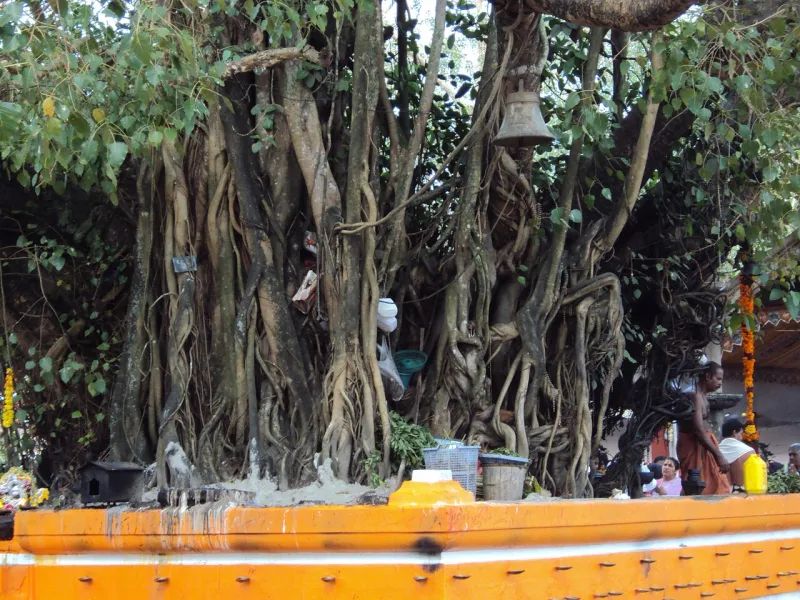
The temple's annual festival falls in December and January, and Hanuman Jayanti is celebrated along with it. During these days the quiet precinct fills with lamps, music and devotees. At other times you may have the place nearly to yourself, apart from the priest and a few local worshippers. Morning and early evening are likely times to find the shrine open, but check locally.
Visitors should dress modestly, remove footwear where asked and behave as they would in any living temple. Do not lean on the reliefs, apply oil or powder to carvings outside accepted ritual, or scratch names into the rock. Photography may be restricted, particularly inside, so ask first. The surrounding rock can be slippery after rain, and the steps need care.
Kaviyoor is only a few kilometres from Thiruvalla, an important town with a railway station and good bus links. Autos can take you directly to the temple and wait while you visit. There are no large tourist facilities, which is part of its character, so bring water and plan meals in town.
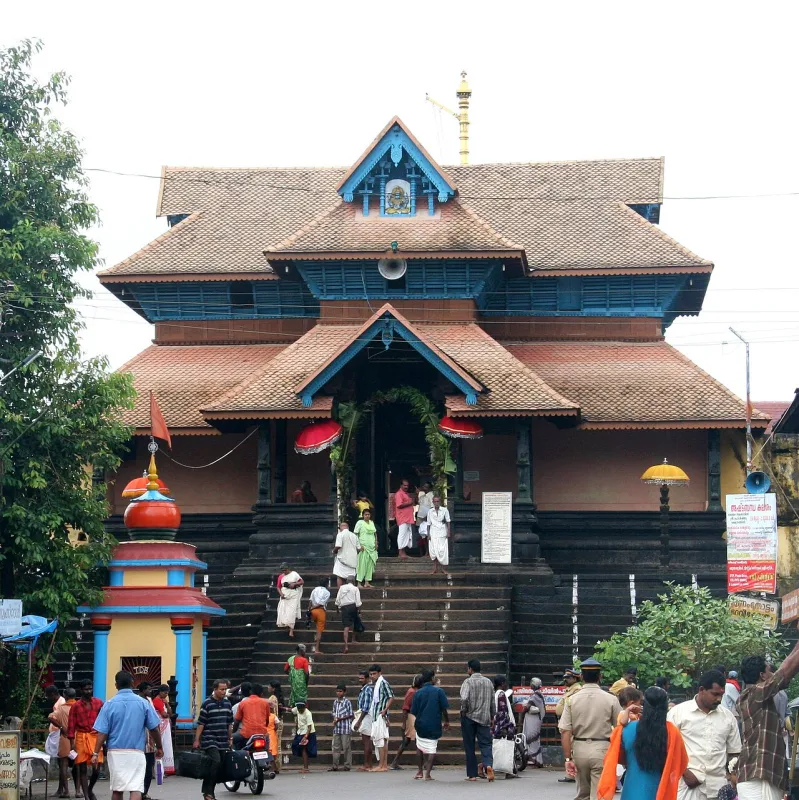
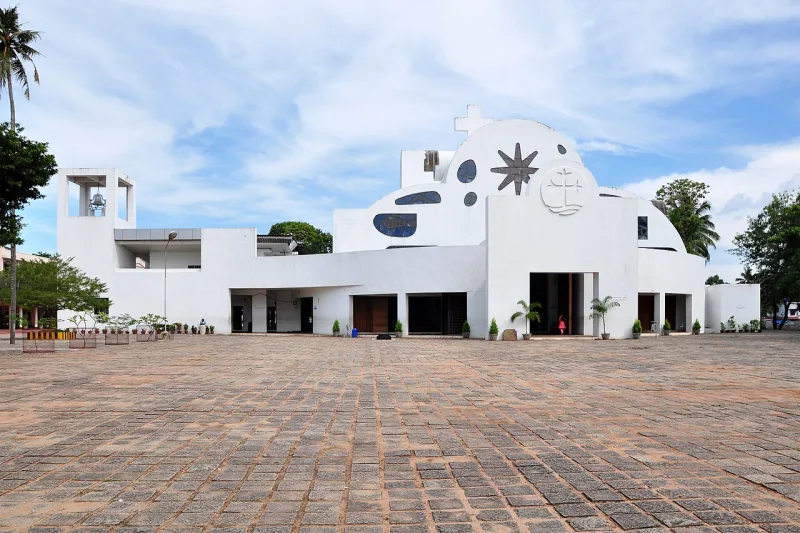
An hour is usually enough, but the visit pairs well with others nearby. Aranmula Parthasarathy Temple and Parumala Church can be reached on the same day, offering a striking contrast between early rock carving, a riverside Krishna temple and a modern church. For students of history, Kaviyoor is a useful reminder that Kerala's past includes several faiths and building methods, and that some of its most interesting monuments stand quietly in villages, far from the usual tourist circuit, waiting for a curious and considerate visitor.
- Sanctum with a rock cut Shiva linga
- Early stone sculpture on the cave front
- Old wood carvings around the temple
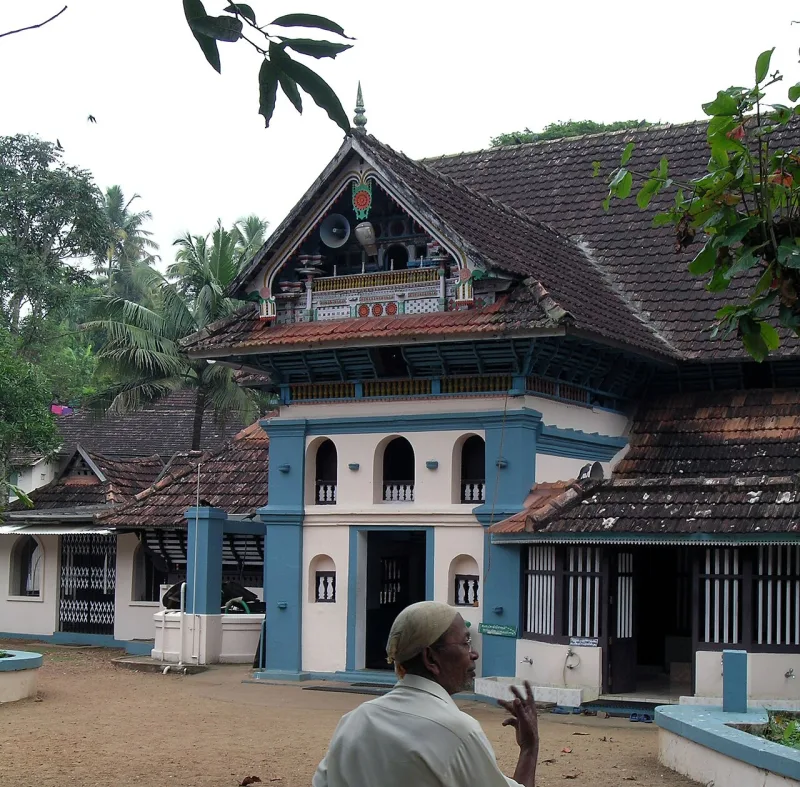
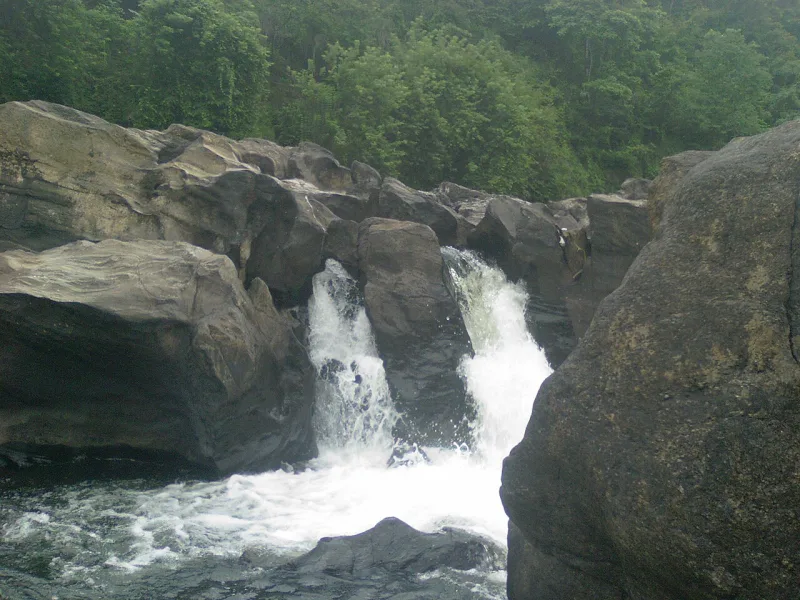
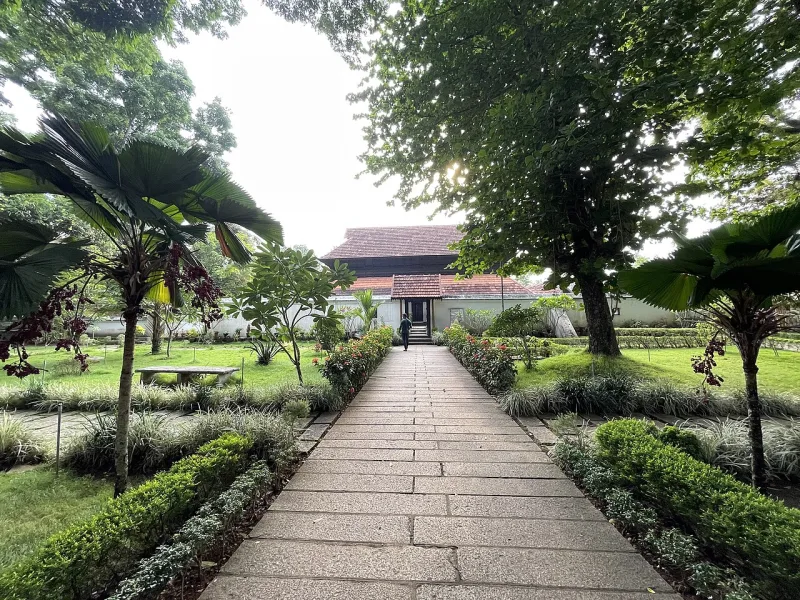
- Peaceful village setting
Reels and Shorts
Instagram Reels and YouTube Shorts by vloggers and visitors.
▶ Space for a Reel or Short
▶ Space for a Reel or Short
▶ Space for a Reel or Short
▶ Space for a Reel or Short
YouTube videos
Full videos, guides and walkthroughs.
▶ Space for a YouTube video
▶ Space for a YouTube video
Reviews and ratings
No reviews yet. Be the first to share your experience. Reviews appear here once a moderator approves them.
Write a Review
Good to know
Visitor tips
- Respect it as a place of worship and a protected monument
- Do not touch or chalk the sculptures
- Remove footwear where required
- Visit in daylight to see the carving
How to reach
A few kilometres from Thiruvalla town and its railway station; autos and buses serve Kaviyoor.
Address: Kaviyoor, near Thiruvalla, Pathanamthitta district
Open directions in Google Maps
Sources
Where the details on this page come from. Timings, fees and phone numbers change, so confirm them before you travel.