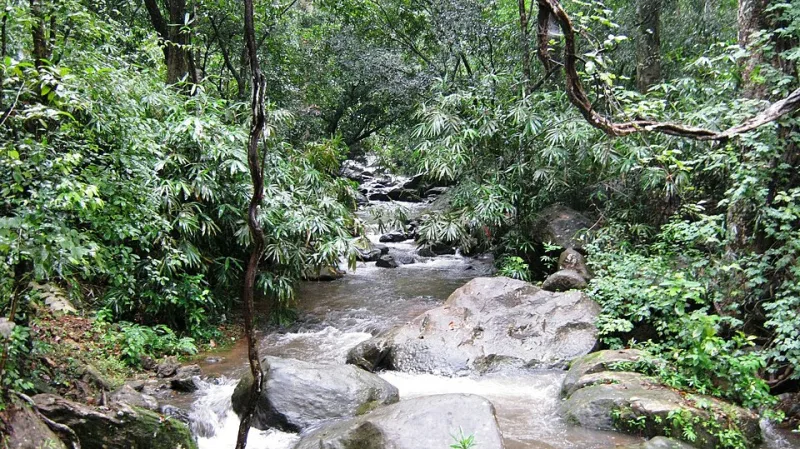
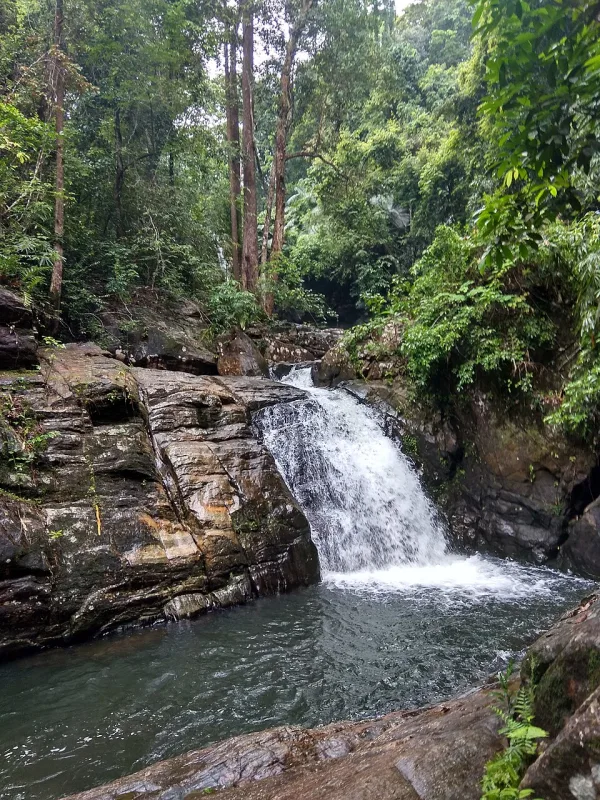
A forest cascade inside Peppara Wildlife Sanctuary on the road to Bonacaud, visited only with permission from the forest authorities.
At a glance
What: A natural waterfall within a protected forest.
Where: Inside Peppara Wildlife Sanctuary, near the Vithura to Bonacaud road, Thiruvananthapuram district.
When: Best in the months after the main rains, when entry is allowed.
How: With a permit from the forest office, by road to the access point and then on foot.
By whom: Controlled by the Kerala Forest and Wildlife Department.
For whom: Fit, careful visitors who accept sanctuary rules.
The waterfall
Vazhvanthol, also written Vazhuvanchola, is a cascade hidden in thick forest east of Vithura. Water comes down a rocky course in steps and slides, collecting in pools before running on towards the Karamana river system that fills the Peppara reservoir. The fall is not a single great plunge viewed from a platform. Its charm lies in the setting: the sound of water under a closed canopy, the dappled light on wet stone and the feeling of having walked into a place that is mostly left alone.
The sanctuary that holds it
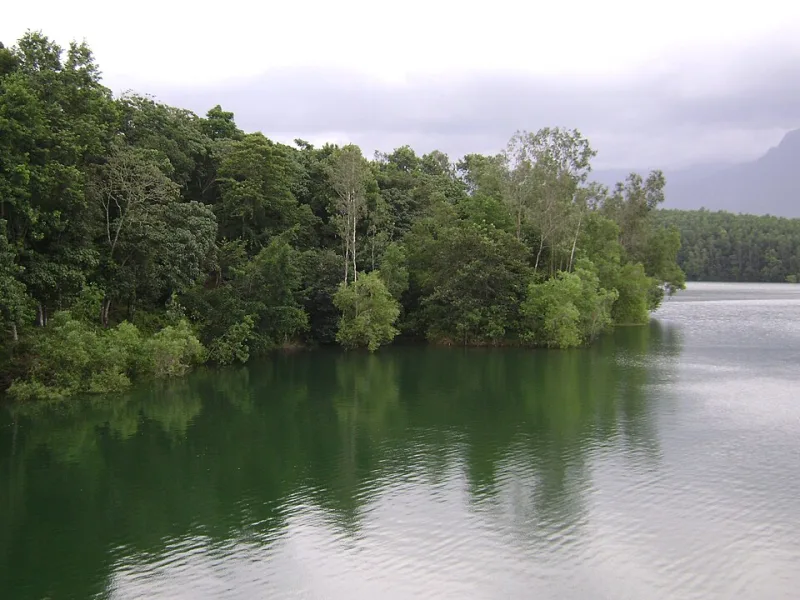
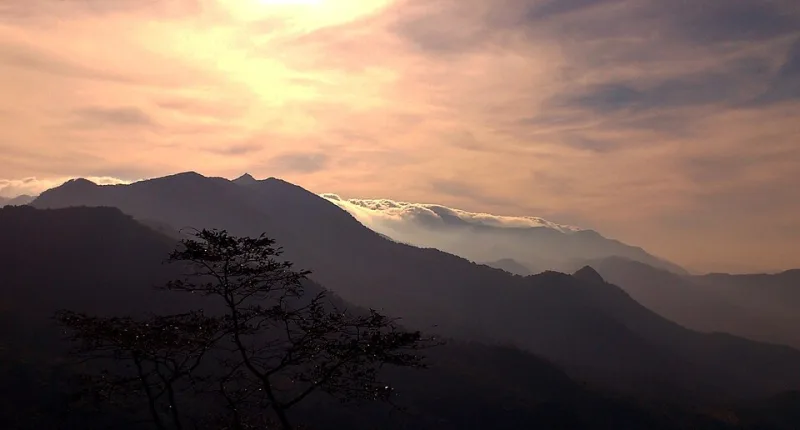
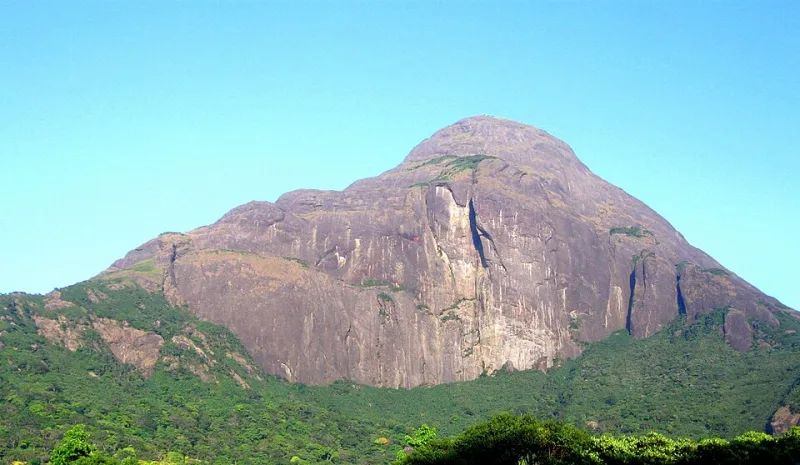
Peppara Wildlife Sanctuary was declared in 1983, the year the Peppara dam was commissioned to secure drinking water for Thiruvananthapuram. It protects the catchment above the reservoir and forms part of the Agasthyamala Biosphere Reserve. The forest ranges from moist deciduous patches to evergreen growth, with rare nutmeg swamps in sheltered hollows and high rocky peaks beyond. Its mammals, birds, reptiles and amphibians are the reason access is limited. A visitor here is a guest in a working water catchment and a refuge for animals.
Permission
A sanctuary is not open ground. Published travel information states that a permit from the divisional forest office is needed to visit the fall, and rules may tighten or relax according to season, fire danger, animal movement and recent accidents. Apply in good time, carry identity documents and ask whether a guide is compulsory, where vehicles must stop and what hours apply. If the answer is that the fall is closed, choose another outing. Entering without permission risks legal penalties and personal safety.
The road there
Leave the city by way of Nedumangad and continue to Vithura, the last sizeable town. The road towards Bonacaud then climbs through plantations into forest, passing the Vithura livestock farm that tourism notes mention. The state tourism department lists Vazhvanthol as one of the sights on the way to Bonacaud, about 46 kilometres from the capital. Buses serve this road only now and then, so a hired vehicle or your own, with any required forest clearance, is practical. The final stretch is on foot. Ask the guide how long the walk is and how many stream crossings it involves.
What the walk is like
Expect uneven ground, exposed roots, boulders and shallow crossings. The air is humid and still beneath the trees, cooler beside the water. Look up for giant squirrels and monkeys, and down for pug marks, fallen fruit and fungi. Do not chase a view away from the path. Snakes, insects and leeches are part of this habitat and are best respected by watching where hands and feet are placed.
History of the surroundings
No separate historical record of the waterfall was found. The country around it has a plantation story. During British times estates of tea and other crops were cut into these hills, with Bonacaud, further along, the best known. The sanctuary and the dam belong to the 1980s, when the value of the forest as a source of water gained formal protection. Indigenous Kani communities have lived in the southern forests for far longer, and their settlements are private homes.
Stories and rumours
Writing about the Bonacaud road often turns to ghost tales, usually attached to old estate buildings, and some headlines have extended the haunted label to the Vazhvanthol side. These are entertainment, with no evidence behind them. The real hazards are ordinary ones: sudden water, slippery rock, wild elephants and fading light. A different rumour, that locals can take anyone in quietly without papers, should be refused.
When to visit
Between June and August the streams are at their wildest and access may be stopped. From October the flow remains lively while trails become more manageable, although afternoon showers of the northeast monsoon are frequent into November. December to February is generally comfortable. From March the water thins and the department may restrict walks to reduce the risk of fire. Choose a morning start in every season.
Staying safe
Wear closed shoes with deep tread, long trousers and a light long sleeved shirt. Carry water, a simple meal, rain cover and any personal medicine. Keep the group together and count heads at each crossing. Bathing should happen only where the guide allows it, never at the foot of the heaviest flow and never after drinking. If the water changes colour or begins to roar, move to high ground away from the stream and wait for advice.
Leaving no trace
The sanctuary exists to keep water clean and wildlife undisturbed. Bring back all waste, including fruit peels, which can attract animals to paths. Do not light fires, cut stems, collect stones or orchids, or paint names on rock. Switch off speakers. Photographs are welcome where allowed, but drones need official clearance and disturb birds.
Why people come
Those who recommend this fall usually mention the walk before the water. It offers a taste of the southern Western Ghats within a day of the capital: tree trunks wider than a person, the ticking of insects, the sudden clatter of monkeys and the chill of a stream that has not passed through any town. Photographers enjoy the soft light, and students of nature find mosses, ferns and fungi at every turn. It is a place for slowing down. Anyone hoping for loud music, snack counters or an easy roadside bath will be happier elsewhere.
Planning questions
Is it suitable for the elderly? Only for those used to rough walking. Can one go on a weekday without notice? The permit requirement makes advance contact the safer course. What if the permit office cannot be reached? Postpone; do not substitute local informal advice. Are pets allowed? Do not bring them into a sanctuary.
Nearby
Peppara dam and its reservoir, the Bonacaud estate country and Bona Falls lie along the same side of the hills. Ponmudi is reached by turning at the junctions near Vithura towards Kallar, where Meenmutty offers another forest walk. Combining many places in one day usually means hurrying on poor roads, so choose one permitted walk and give it the time it deserves. Thiruvananthapuram has the nearest main railway station and airport.
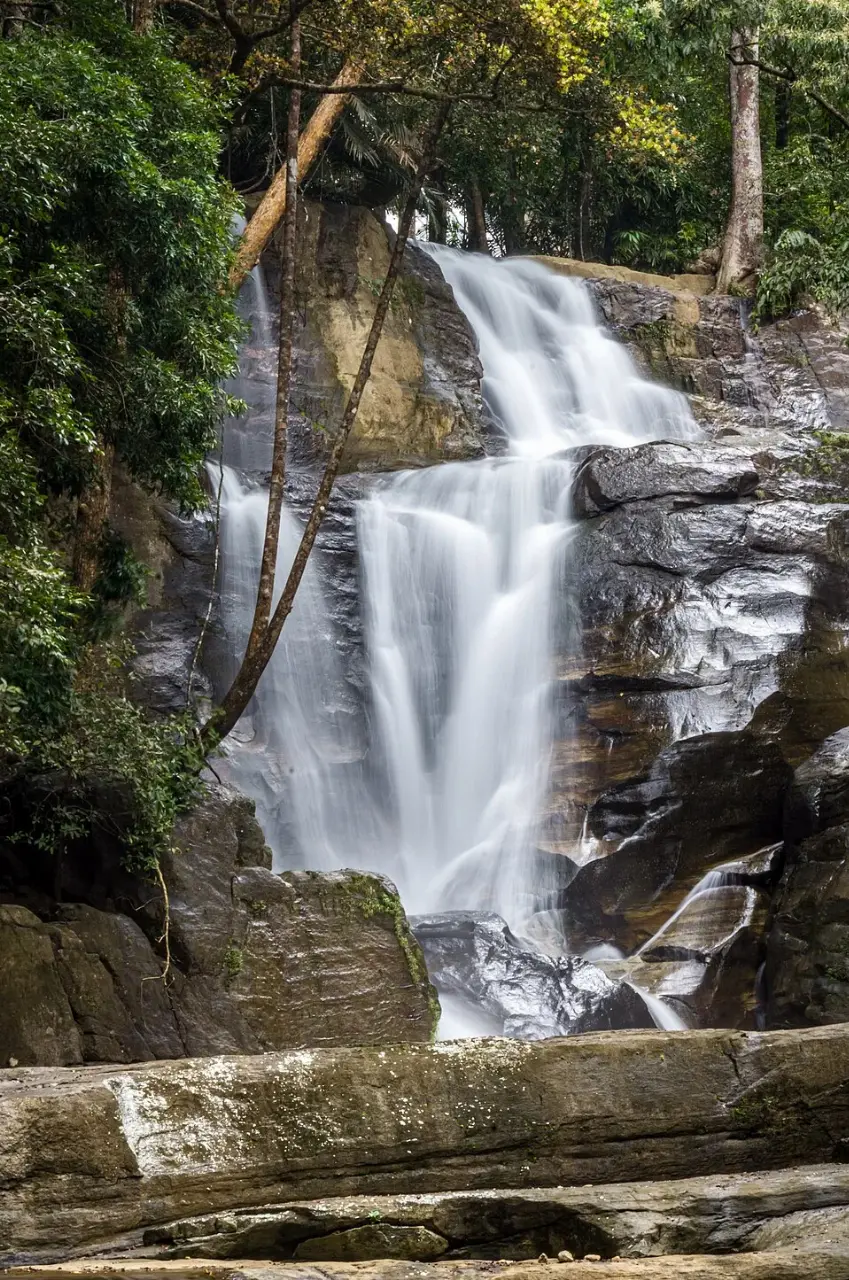 Photo: JVN5871 · CC BY-SA 4.0