Photo: PJeganathan · CC BY-SA 4.0
Photo: Harvinder Chandigarh · CC BY-SA 4.0
Photo: Yercaud-elango · CC BY-SA 4.0

Museum Open now

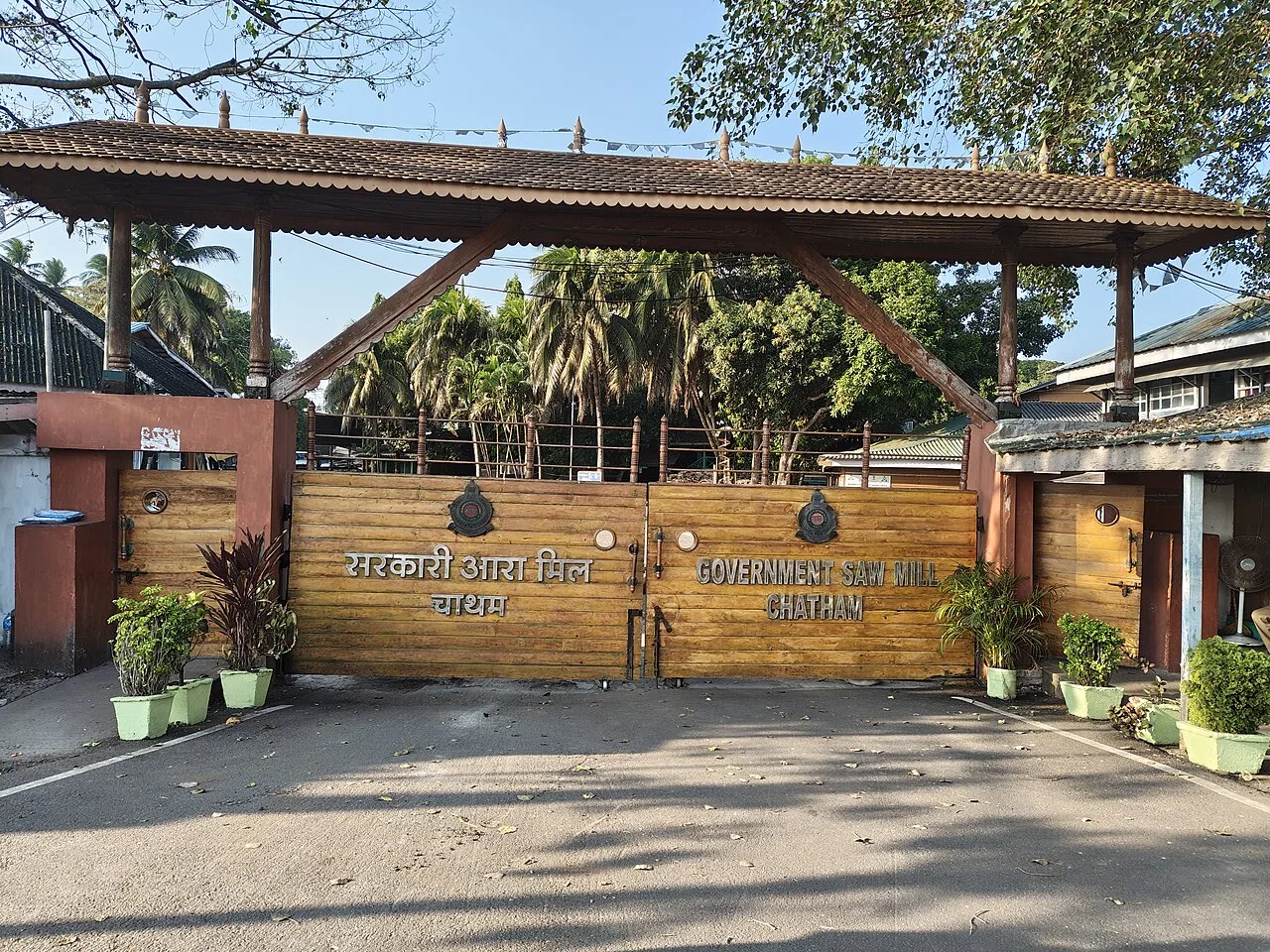
Chatham Saw Mill and Forest Museum

Andaman and Nicobar Islands · South AndamanAlso known as Government Saw Mill Chatham

No ratings yet · be the first to review

One of Asia’s oldest working saw mills, running since 1883 on a small island joined to the city by a bridge, with a forest museum and wartime relics.

Today
8:00 AM – 12:00 PM, 2:30 PM – 5:00 PM
Best time to visit
Weekday mornings
Time needed
1 to 2 hours
Weekly closed
Sunday
Entry
Museum: adult ₹20, child ₹10. Still camera ₹50, video camera ₹100.

About Chatham Saw Mill and Forest Museum

Why you should visit

One of Asia’s oldest working saw mills, running since 1883 on a small island joined to the city by a bridge, with a forest museum and wartime relics.

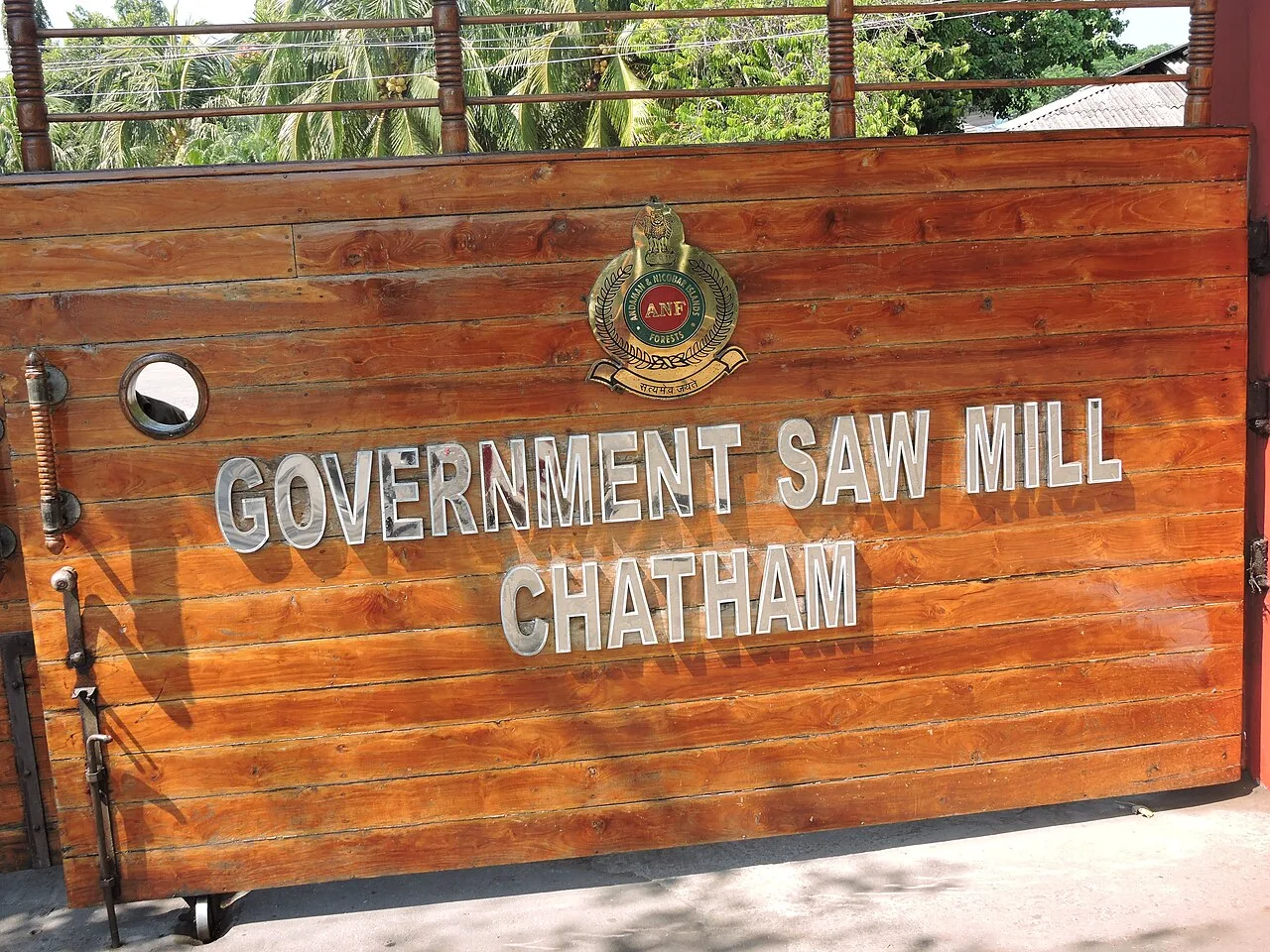
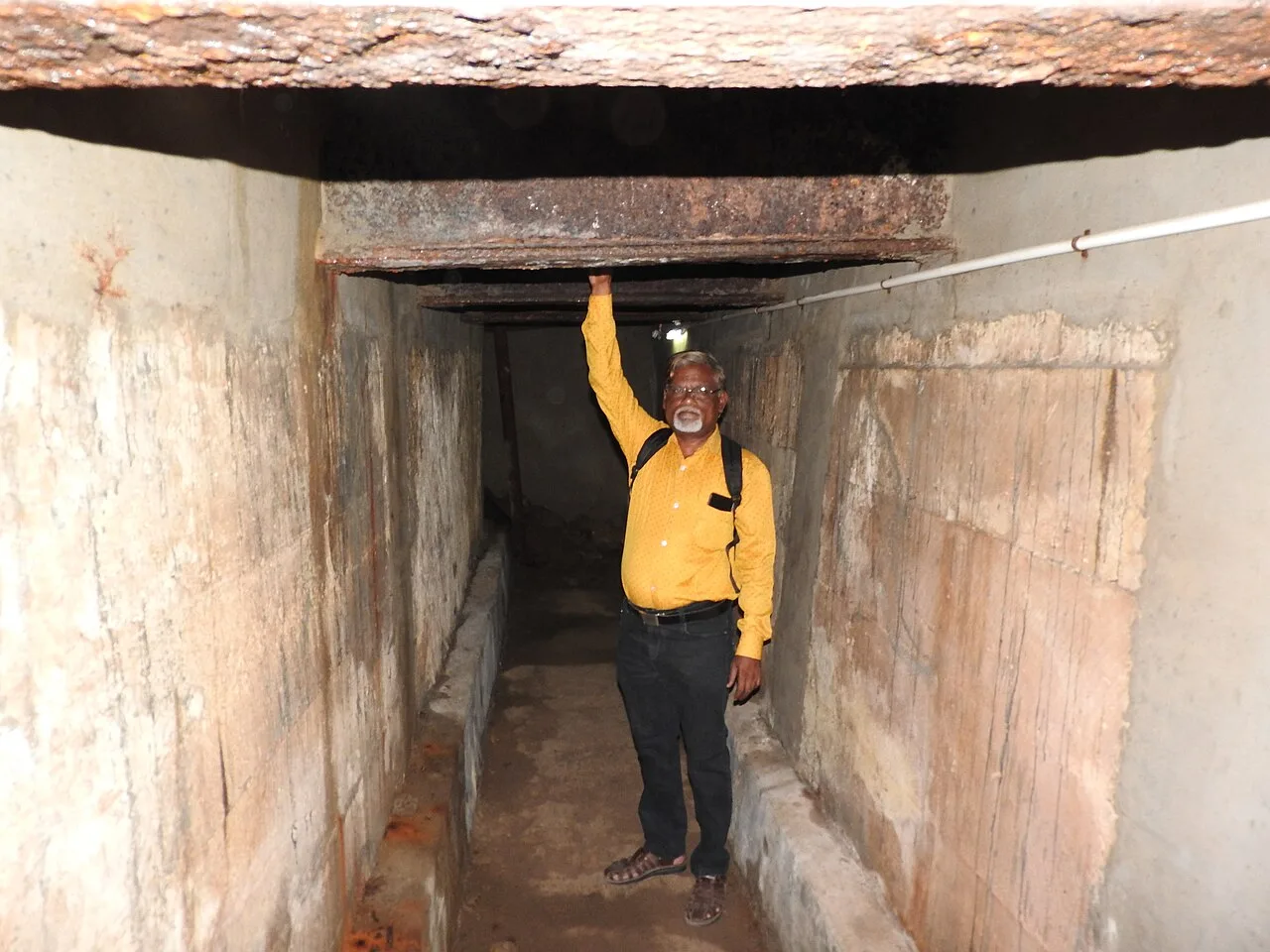
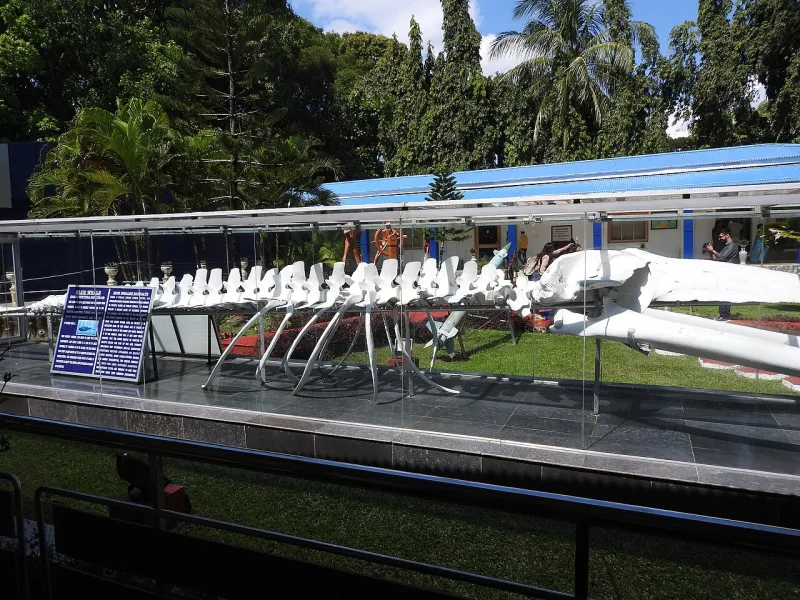
Chatham Saw Mill is one of Asia's oldest working saw mills, running since 1883 on a small island joined to Sri Vijaya Puram by a bridge, with a forest museum and wartime relics. Chatham is barely a tenth of a square kilometre, yet it holds an industry older than almost anything else still working in the islands. Logs, saws and seasoning yards show how Andaman timber was processed, while the museum displays fine woodwork and tells the story of the mill. The first British settlement in the Andamans began on Chatham in the late eighteenth century. In 1883 the saw mill was set up to supply timber for building in the penal settlement and for export to Britain. It was known as the British Imperial Saw Mill until 1947 and as the Andaman State Timber Mill until 1957, and it continues to be run as a government enterprise. Through all these changes of name and government it has remained closely tied to the economy of the capital. War reached the mill during the Second World War, when it was bombed. Visitors are shown a bomb crater and a Japanese air raid bunker inside the premises, tangible reminders that this quiet industrial yard once lay within a conflict that touched every household in the islands. A tour usually takes you past stacked logs, the great saw benches and sheds where planks are cut, sorted and seasoned. Watching trained workers guide timber through the blades, one appreciates the skill and care required. The scent of freshly cut wood fills the air. Andaman padauk, prized for its rich reddish colour and durability, is among the timbers associated with the islands. In the Forest Museum, carvings, polished sections, models and exhibits illustrate the uses of different woods and the methods of forestry, and children enjoy comparing colours and grain. The visit also raises serious questions. For generations timber drove the colonial economy and the early economy after Independence, bringing workers from many parts of India and clearing forest on which tribal communities depended. Rules on felling and conservation have changed greatly since then. This is a good place to think about how livelihoods and the protection of forests can be balanced, and to discuss the matter with young visitors. Allow one to two hours. The mill and museum are closed on Sundays and public holidays. Published museum fees are twenty rupees for adults and ten for children, with fifty rupees for a still camera and one hundred for a video camera. Museum hours are published, but the heritage page of the same department gives eight in the morning to half past two, Monday to Saturday, for both mill and museum, so a weekday morning is the safest and most rewarding time, when machinery is likely to be working. Confirm the arrangements on arrival. Stay on marked routes and keep a safe distance from machinery, vehicles and stacked timber. Hold children by the hand. Closed shoes are advisable, since floors may be uneven or covered in sawdust. Follow instructions about photography, do not touch tools or logs without permission and avoid blocking the work of employees. Carry water and a hat, and be prepared for noise. Chatham is reached by road across the bridge, with autos, taxis and local buses from the city centre. The views of the harbour from the bridge and shore are an added pleasure, with boats moving between the islands. From Chatham wharf a vehicle ferry crosses to Bambooflat, a pleasant short voyage that opens the way towards Mount Harriet and other places on the northern side of the harbour. You may also combine the mill with the Anthropological Museum or the Samudrika museum on the same day. October to May is the main travel season. Seeing planks emerge from old yards that have witnessed settlement, war and reconstruction gives a down-to-earth view of island history, quite different from monuments and beaches, and one that helps explain how the town around you was built.
  • Saw floor and timber yards
  • Forest Museum
  • Japanese bunker and wartime bomb marks
  • Harbour views from the bridge

Photos (3)

Photo credits
  1. Photo: PJeganathan · CC BY-SA 4.0 · Source
  2. Photo: Harvinder Chandigarh · CC BY-SA 4.0 · Source
  3. Photo: Yercaud-elango · CC BY-SA 4.0 · Source

Reels and Shorts

Instagram Reels and YouTube Shorts by vloggers and visitors.

Space for a Reel or Short

Space for a Reel or Short

Space for a Reel or Short

Space for a Reel or Short

YouTube videos

Full videos, guides and walkthroughs.

Space for a YouTube video

Space for a YouTube video

Reviews and ratings

– 0 reviews
  • 5 ★0
  • 4 ★0
  • 3 ★0
  • 2 ★0
  • 1 ★0

No reviews yet. Be the first to share your experience. Reviews appear here once a moderator approves them.

Write a Review

History and significance

The first British settlement in the Andamans began on Chatham in the late eighteenth century. The saw mill was set up in 1883 to supply timber for building in the settlement and for export to Britain. It was known as the British Imperial Saw Mill until 1947 and the Andaman State Timber Mill until 1957. It is still run as a government enterprise.

Stories worth knowing

War comes to the mill

The mill was bombed during the Second World War, and the crater and a Japanese air-raid bunker are shown to visitors today.
Timber and the forest

For generations timber drove the colonial and early post-Independence economy of the islands, bringing workers from many parts of India and clearing forest that tribal communities depended upon. A visit is a good moment to think about both livelihoods and conservation.

Things to see and do

  1. Tour the mill in the morning while it is working
  2. See the museum’s carved wood displays
  3. Take the vehicle ferry from Chatham wharf to Bambooflat

Special events & celebrations

None listed yet.

+ Add an event held here

Good to know

Visitor tips

  • Closed on Sundays and public holidays
  • Stay on marked routes near machinery
  • Camera fees apply

How to reach

Nearest airportVeer Savarkar International Airport
Chatham is joined to the city by a bridge, about 3 to 4 km from the centre; 10 to 15 minutes by auto or taxi.

Address: Chatham Island, Sri Vijaya Puram 744102

Open directions in Google Maps

Sources

Where the details on this page come from. Timings, fees and phone numbers change, so confirm them before you travel.

Nearest places to Chatham Saw Mill and Forest Museum

Distances are in a straight line from Chatham Saw Mill and Forest Museum; travel by road is longer.

Places near me