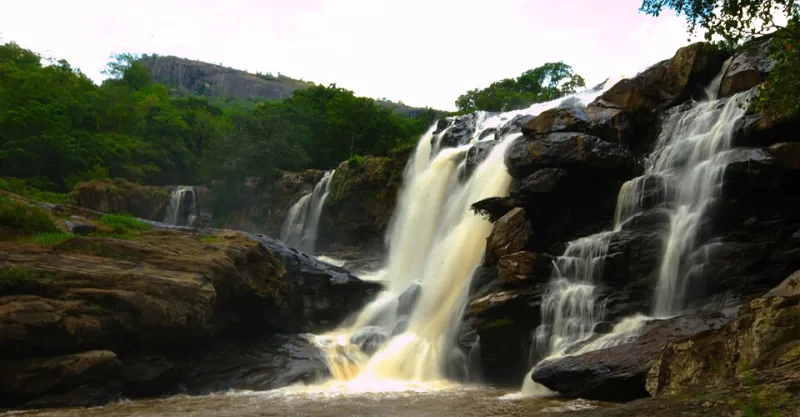
Waterfall
Thoovanam Waterfalls
Idukki, Kerala
📍 2.0 km away from Chinnar Wildlife Sanctuary
A perennial looking fall of about 84 feet on the Pambar river inside Chinnar Wildlife Sanctuary, reached by a...
Read more →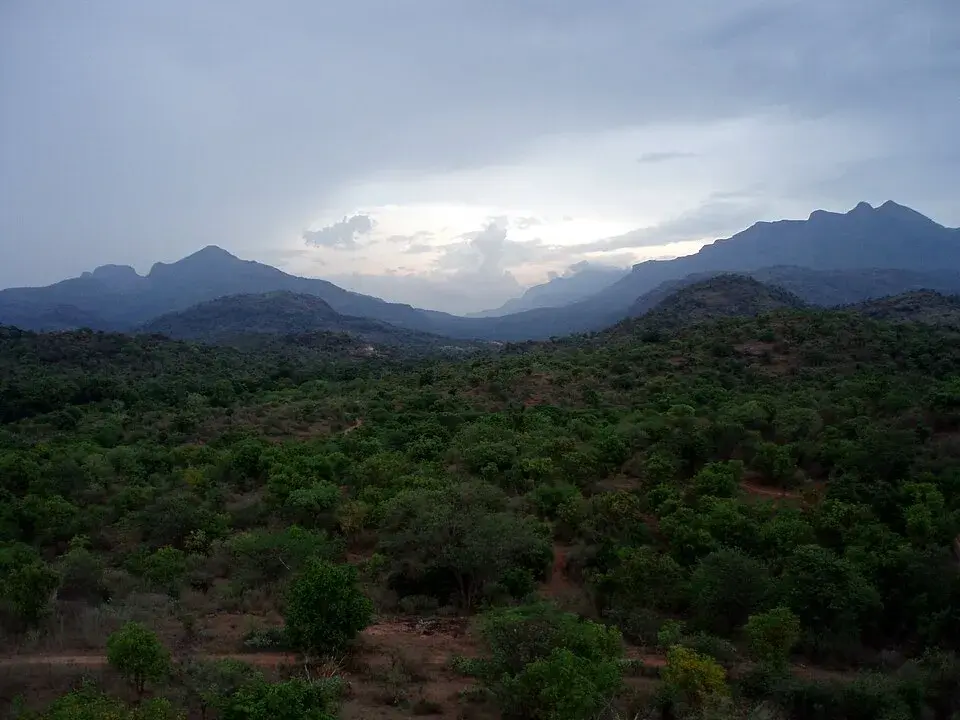 Photo: Matthieu Aubry · CC BY-SA 3.0
National Park and Wildlife
Kerala · IdukkiAlso known as Chinnar
A rare dry forest sanctuary in Kerala's rain shadow, home to the grizzled giant squirrel and a rehabilitation centre for star tortoises.
About Chinnar Wildlife Sanctuary
A rare dry forest sanctuary in Kerala's rain shadow, home to the grizzled giant squirrel and a rehabilitation centre for star tortoises.
Most of Kerala is lush and wet, which makes Chinnar a surprise. Lying in the rain shadow on the eastern side of the Western Ghats, this wildlife sanctuary in Idukki district receives little rain and supports thorn scrub, dry deciduous woodland, cactus like euphorbias and green ribbons of riverside forest along the Chinnar and Pambar streams.
It is one of the protected areas managed together with the Eravikulam National Park and other reserves of the Munnar region, to which it is joined on the south. The variation in height, from low dry valleys to higher grassy and shola covered slopes, gives it a wide range of habitats within a modest area.
The best known resident is the grizzled giant squirrel, a threatened species with a grey brown coat and long tail, which feeds high in the riverine trees. Seeing one takes patience and a skilled guide. Elephants, gaur, sambar, spotted deer, tufted grey langur, bonnet macaques and predators such as leopards live here, along with many birds. The sanctuary hosts a rehabilitation centre for the Indian star tortoise, a species often seized from illegal trade; it is described as the only such centre in the country.
The forest department runs community based ecotourism, employing people from tribal settlements as guides. Activities have included nature trails, a river walk, visits to a watchtower, treks to the Thoovanam waterfall and overnight stays in log houses or tree houses. Availability changes with season, wildlife movement and weather, so book at the official counter or in advance.
Walk only with an authorised guide and follow instructions without argument. Speak quietly, wear dull colours, keep a safe distance from all animals and never feed them. Plastic, alcohol, fire and loud music are prohibited. Do not collect plants or disturb tortoises and other reptiles. On the public road, drive slowly, do not honk and remain in your vehicle if elephants appear.
The climate can be hot and dry even when Munnar is cool. Carry plenty of water, a hat, sunscreen and sturdy shoes with ankle support, as trails are stony. Binoculars are very useful. Mobile coverage is limited.
A morning walk of two or three hours is a good introduction. Combine it with the sandalwood forests, dolmens and jaggery units of Marayoor, or the orchards of Kanthalloor, and return before dark.
October to March gives the most pleasant conditions. The north east monsoon may bring showers late in the year, which freshen the landscape and fill the streams. Peak summer is demanding, and the risk of forest fire may restrict entry.
Chinnar shows a face of Kerala that few visitors expect: open slopes, spiny plants and clear light, where each pool and shady tree matters. A guide who has grown up here can read tracks and calls that outsiders would miss, and supporting this knowledge helps conservation as well as livelihoods. Come to learn, walk softly and let the dry forest reveal itself slowly. Confirm bookings before leaving Munnar.
Early arrival gives the best chance of seeing birds and squirrels before the heat builds. Ask the guides about the plants used by local communities and about how they recognise signs of recent animal movement; such conversations are among the pleasures of a walk here. If you stay overnight in forest accommodation, expect simple facilities, limited power and strict timings, and bring a torch, warm layer and any personal supplies. Respect the privacy of tribal settlements, which are homes and not attractions, and photograph residents only with clear permission. The check post may require vehicle details, so keep documents ready.
Leave only footprints behind in this dry forest.
+ Add your photos Been here? Share what you saw.
Instagram Reels and YouTube Shorts by vloggers and visitors.
Space for a Reel or Short
Space for a Reel or Short
Space for a Reel or Short
Space for a Reel or Short
Full videos, guides and walkthroughs.
No reviews yet. Be the first to share your experience. Reviews appear here once a moderator approves them.
None listed yet.
Address: On the Marayoor to Udumalpet road, near the Tamil Nadu border
Where the details on this page come from. Timings, fees and phone numbers change, so confirm them before you travel.
Distances are in a straight line from Chinnar Wildlife Sanctuary; travel by road is longer.
Idukki, Kerala
📍 2.0 km away from Chinnar Wildlife Sanctuary
A perennial looking fall of about 84 feet on the Pambar river inside Chinnar Wildlife Sanctuary, reached by a...
Read more →Idukki, Kerala
📍 3.0 km away from Chinnar Wildlife Sanctuary
A dry upland valley with Kerala's only natural sandalwood forests, ancient stone burial chambers, rock paintin...
Read more →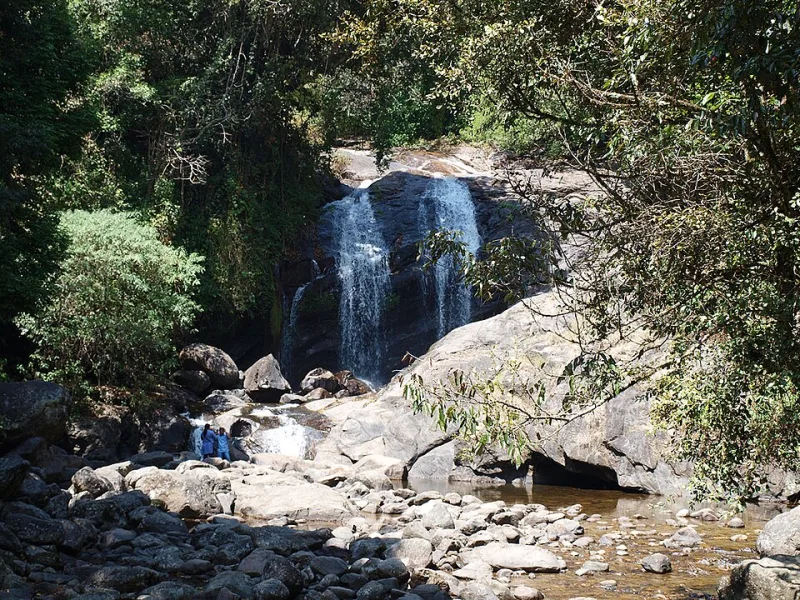
Idukki, Kerala
📍 14 km away from Chinnar Wildlife Sanctuary
A clear forest fall on the Eravikulam stream beside the road from Munnar to Marayoor, with managed entry and a...
Read more →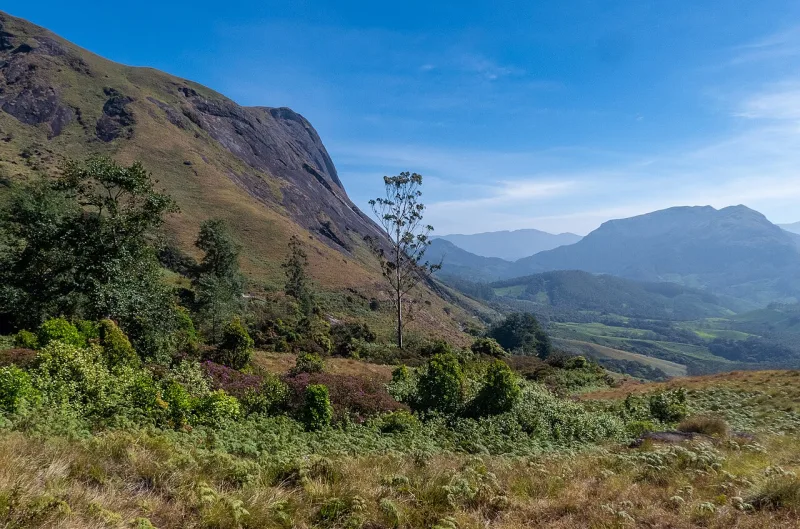
Idukki, Kerala
📍 15 km away from Chinnar Wildlife Sanctuary
Kerala's first national park, a high grassland plateau protecting the endangered Nilgiri tahr near Anamudi pea...
Read more →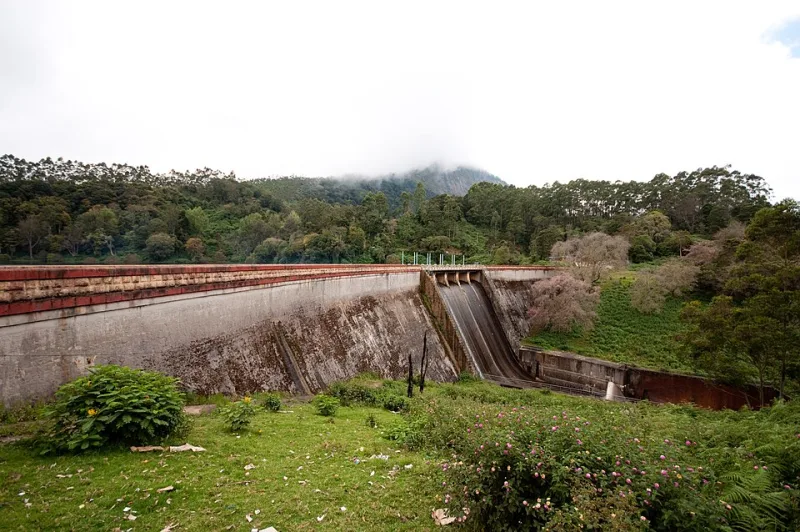
Idukki, Kerala
📍 17 km away from Chinnar Wildlife Sanctuary
A historic masonry dam on the Muthirapuzha with a calm hill lake, part of Kerala's first hydroelectric scheme...
Read more →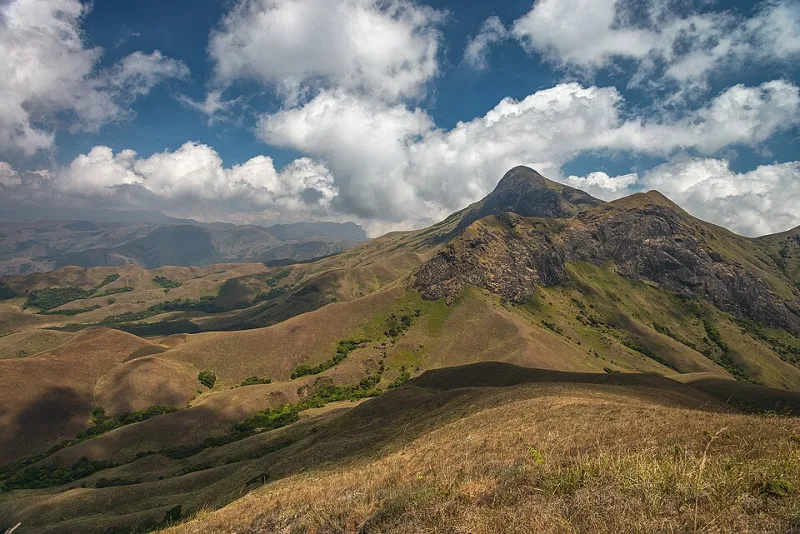
Idukki, Kerala
📍 19 km away from Chinnar Wildlife Sanctuary
At 2,695 metres, the highest peak of the Western Ghats and of South India, admired from Eravikulam since climb...
Read more →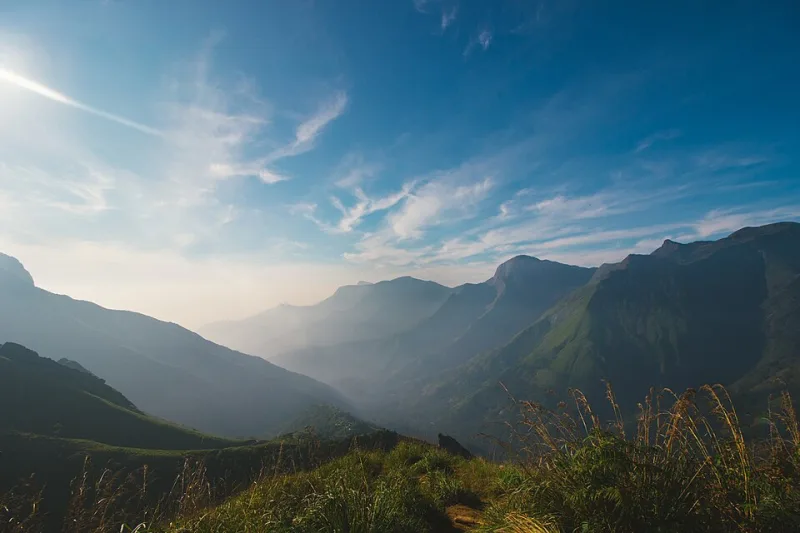
Idukki, Kerala
📍 20 km away from Chinnar Wildlife Sanctuary
The smallest national park of Idukki, a high shola forest bordering the Kodaikanal hills, known for guided wal...
Read more →Idukki, Kerala
📍 About 21 km away from Chinnar Wildlife Sanctuary
A high viewpoint about 30 km from Munnar looking over deep valleys of the Western Ghats, once a hub for carryi...
Read more →